

We’ve all heard the “superfood” gospel. Kale, blueberries, and salmon have been preached from the rooftops for years. But let’s be honest: sometimes, the hype makes these staples feel more like a chore than a meal. What if the real nutritional heavyweights aren’t the ones with the massive marketing budgets, but the humble ingredients already hiding in your kitchen?
In the world of nutrition, there are “quiet achievers”—foods that pack an incredible punch of vitamins, minerals, and antioxidants but rarely get the spotlight they deserve. Today, we’re pulling back the curtain on 10 foods that are secretly health powerhouses.
1. The Humble Sardine: The Ocean’s Multivitamin
If you’ve been walking past the canned fish aisle, you’re missing out on one of the most nutrient-dense foods on the planet.
- Omega-3 Goldmine: Sardines are loaded with EPA and DHA, fatty acids that are essential for heart health and reducing systemic inflammation.
- Bone Health: Because you eat the tiny, softened bones, sardines are an incredible source of non-dairy calcium and Vitamin D.
- Sustainability: Being low on the food chain, they contain significantly lower levels of mercury compared to tuna or swordfish.
Pro Tip: Mash them on sourdough toast with a squeeze of lemon and a pinch of chili flakes for a quick, high-protein lunch.
2. Frozen Peas: Better Than Fresh?
Fresh is always best, right? Not necessarily. Peas are often flash-frozen within hours of being picked, locking in their nutritional profile at their peak.
- Protein Punch: A cup of peas contains about 8 grams of plant-based protein.
- Fiber for Days: They are a fantastic source of soluble fiber, which helps regulate blood sugar and supports a healthy gut microbiome.
- Vitamin K: Essential for blood clotting and bone metabolism.
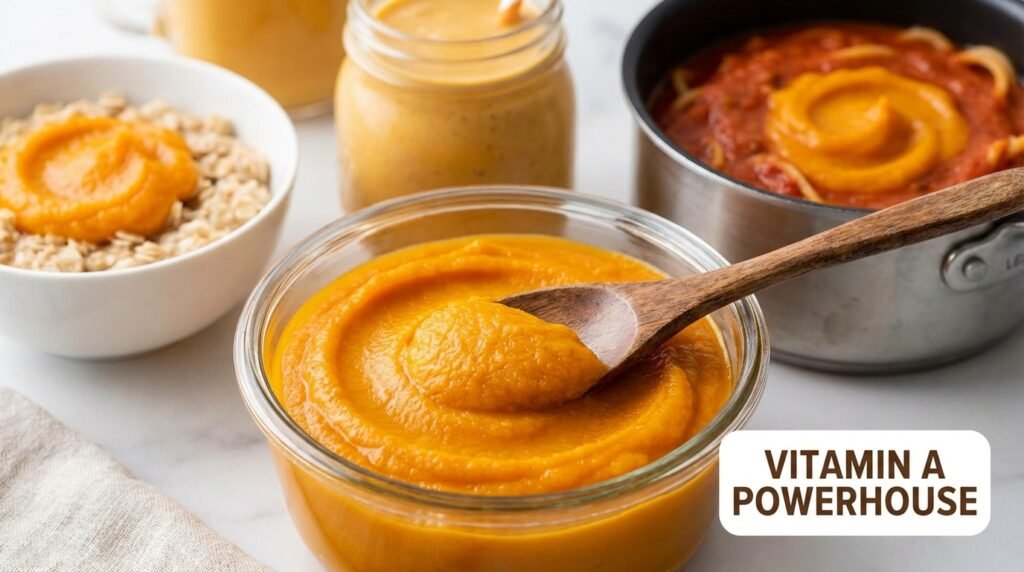
3. Canned Pumpkin: Not Just for Pie
While we usually associate pumpkin with autumn treats, the canned, unsweetened puree is a year-round nutritional powerhouse.
- Vitamin A (Beta-Carotene): Just a half-cup provides over 200% of your daily recommended intake, supporting vision and skin health.
- Low Calorie, High Volume: It adds incredible creaminess to oatmeal, smoothies, or pasta sauces without adding significant calories or fat.
4. Coffee: The Antioxidant King
Believe it or not, for many people in the Western world, coffee is the single largest source of antioxidants in their diet.
- Brain Protection: Regular, moderate consumption has been linked to a lower risk of neurodegenerative diseases like Alzheimer’s and Parkinson’s.
- Metabolic Boost: Caffeine can temporarily increase your metabolic rate and improve physical performance during exercise.
- Note: The benefits come from the bean, not the caramel syrup. Keep it black or with a splash of milk to reap the rewards.
5. Popcorn: The Whole Grain Snack
When it isn’t smothered in movie-theater butter, popcorn is actually a healthy, whole-grain snack that keeps you full.
- Polyphenols: Research suggests popcorn contains higher levels of certain antioxidants than some fruits and vegetables because it isn’t diluted by water.
- High Volume: You can eat three cups of air-popped popcorn for roughly 100 calories, making it a “volume eater’s” dream.
6. Lentils: The Budget-Friendly Longevity Food
Lentils are a staple in “Blue Zones” (areas where people live the longest) for a reason.
- Iron & Folate: They are critical for energy production and healthy red blood cell function.
- Blood Sugar Stability: Their high fiber and protein content prevent insulin spikes, making them an ideal choice for sustained energy throughout the day.
7. Full-Fat Greek Yogurt
For years, we were told to fear fat. However, full-fat Greek yogurt is often a better choice than its fat-free counterparts, which are frequently loaded with added sugar to compensate for lost flavor.
- Probiotics: Live active cultures support a diverse and resilient gut.
- Satiety: The combination of protein and healthy fats keeps you full much longer than a sugary, low-fat snack.
8. Mushrooms: The Vitamin D Secret
Mushrooms are the only produce item that can produce Vitamin D when exposed to sunlight, much like humans.
- Immune Support: They contain beta-glucans, which are known to stimulate the immune system.
- Selenium: This mineral acts as a powerful antioxidant, protecting your cells from damage.
9. Potatoes (When Chilled!)
The humble white potato has an unfair reputation. While fried chips are a “no,” a boiled or baked potato is remarkably healthy—especially if you let it cool down.
- Resistant Starch: Cooking and then cooling potatoes creates resistant starch, which acts as a prebiotic, feeding the “good” bacteria in your gut.
- Potassium: They actually contain more potassium than bananas, which is vital for blood pressure regulation.
10. Seaweed (Nori)
You don’t need to eat sushi every day to get the benefits of seaweed. Dried nori sheets are a salty, crunchy snack that offers unique nutrients.
- Iodine: This is essential for thyroid health, and many people are surprisingly deficient in it.
- Tyrosine: An amino acid that, alongside iodine, helps the thyroid gland function at its best.
Conclusion: Diversity is Key
Healthy eating doesn’t have to mean spending your entire paycheck at a specialty health food store. By incorporating these ten “secret” powerhouses into your weekly rotation, you can significantly boost your nutrient intake without sacrificing flavor or your budget.
Which of these nutritional underdogs will you be adding to your grocery list this week?
Zoo Doku