
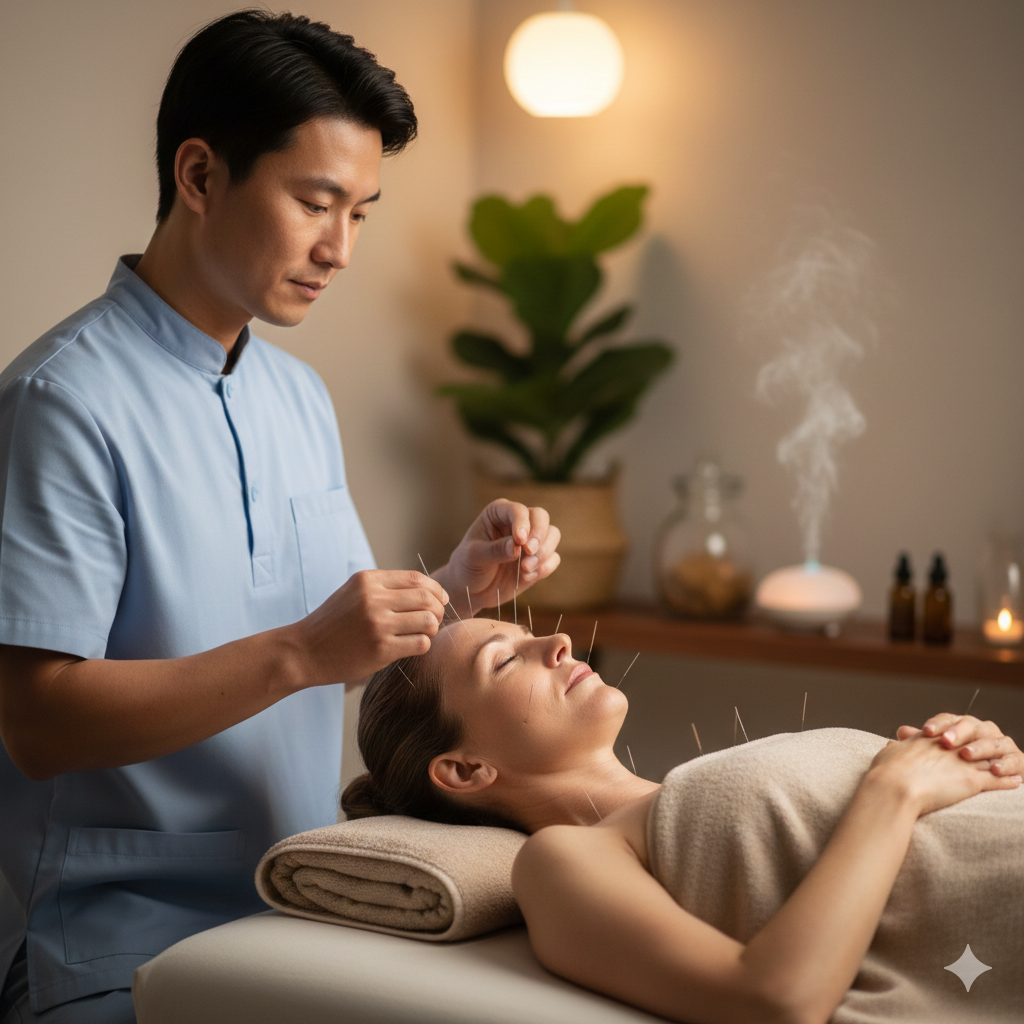
Athletes place extraordinary demands on their bodies. Training cycles compress recovery windows, competition amplifies stress, and small imbalances can escalate into persistent pain or underperformance. Within this landscape, acupuncture for athletes has gained traction as a complementary tool—one that supports recovery, reduces discomfort, and helps maintain consistent output across a season. When applied thoughtfully, it can become a reliable component of a modern performance plan, especially for those seeking durable, non-pharmacological strategies.
Understanding Acupuncture for Athletic Performance
What Is Acupuncture and How Does It Work?
Acupuncture is a therapeutic method rooted in East Asian medicine in which fine, sterile needles are inserted into specific points on the body. From a contemporary physiological perspective, acupuncture is often explained through its influence on the nervous system, local tissue responses, and circulation. Needle insertion can stimulate sensory nerves, prompting the release of endogenous pain-modulating chemicals and affecting how the brain processes discomfort. Locally, it may encourage microcirculation and reduce protective muscle guarding, helping restore smoother movement patterns.
For athletes, this matters because performance is rarely limited by strength alone. It is constrained by pain signals, tissue sensitivity, joint restriction, sleep quality, and the ability to recover between sessions. By targeting these limiting factors, acupuncture for athletic performance can support the broader goals of training: adaptation, resilience, and repeatable output.
Why More Athletes Are Turning to Acupuncture
Elite and recreational athletes alike increasingly pursue therapies that integrate well with structured conditioning programs. Acupuncture is attractive because it is generally low-impact, can be individualized to sport-specific demands, and fits into a multidisciplinary care model alongside physiotherapy, strength training, and sports medicine.
Another reason for the surge in interest is practicality. Many athletes want options for acupuncture for pain relief that do not rely exclusively on medication and that can be used strategically during heavy training blocks. When delivered by a qualified professional, sports-focused acupuncture can address acute flare-ups while also supporting long-term tissue tolerance.
Key Benefits of Acupuncture for Athletes
Acupuncture for Sports Injury Recovery and Pain Relief
One of the most recognized sports acupuncture benefits is its role in symptom management during rehabilitation. Athletes recovering from tendinopathies, sprains, muscle strains, or overuse conditions often face two competing needs: reduce pain and maintain enough training continuity to preserve conditioning. Acupuncture for sports injuries is commonly used to help modulate pain, decrease muscle tone around irritated structures, and support a smoother return to movement.
Importantly, acupuncture should not be viewed as a substitute for accurate diagnosis or progressive loading. Instead, it can complement a well-designed rehab plan by making therapeutic exercise more tolerable. When pain is reduced, athletes often move with better mechanics, which can improve the quality of rehab sessions and reduce compensations that slow recovery.
In practice, clinicians frequently combine acupuncture with mobility work, targeted strengthening, and tissue capacity training. This integrated approach is especially valuable for athletes who must balance healing with ongoing training commitments.
Acupuncture for Muscle Recovery, Flexibility, and Mobility
Hard training creates microtrauma, neuromuscular fatigue, and stiffness that can accumulate across a week. Acupuncture for muscle recovery is often sought after intense sessions or during high-volume phases to ease post-exercise tightness and restore more comfortable movement.
Reduced muscle guarding can translate into more efficient range of motion, particularly in regions prone to overuse—hips, calves, hamstrings, shoulders, and the thoracic spine. Over time, some athletes report improvements in perceived looseness and smoother biomechanics, which can support better technique under fatigue. For those in sports requiring large ranges of motion, acupuncture for flexibility can be a useful adjunct when paired with sport-specific mobility drills and strength through range.
Mobility, however, is not merely passive range. It is controlled movement capacity. The most effective strategy typically combines acupuncture with active mobility and progressive strengthening so gains are retained in real training environments.
Performance Enhancement Through Acupuncture
Acupuncture for Energy, Endurance, and Stamina
While acupuncture is not a shortcut to aerobic conditioning, it may support performance indirectly by improving recovery quality and reducing the friction that undermines consistent training. Athletes exploring acupuncture for endurance often do so during heavy mileage, high-intensity intervals, or double-session days—periods when fatigue management becomes pivotal.
By helping regulate pain, reducing excessive muscle tone, and supporting restful sleep, acupuncture can facilitate better day-to-day training adherence. In endurance sports, where cumulative consistency is decisive, small improvements in recovery can produce meaningful long-term gains. Some athletes also find sessions helpful for maintaining steadier energy levels during demanding blocks, particularly when combined with disciplined nutrition, hydration, and periodization.
Acupuncture for Mental Focus, Stress Relief, and Sleep Quality
Athletic performance is also cognitive. Decision-making under pressure, emotional regulation, and pre-competition nerves all influence execution. Many athletes use acupuncture to promote relaxation and downshift an overactivated stress response. This can be valuable during high-stakes competition phases or when life stress compounds training load.
Sleep is another critical lever. Poor sleep reduces recovery capacity, increases injury risk, and impairs reaction time. Acupuncture is frequently used to support sleep quality, especially for athletes who struggle with pre-event insomnia, travel-related disruptions, or difficulty unwinding after late training sessions. Improved sleep can sharpen focus and stabilize mood—benefits that can be as performance-relevant as physical recovery.
For athletes with persistent tension, racing thoughts, or burnout symptoms, acupuncture for sports performance may contribute to a more resilient mental baseline when integrated into a broader plan that includes sound sleep hygiene and appropriate training load management.
How Athletes Can Safely Integrate Acupuncture into Training
When to Schedule Acupuncture Around Training and Competition
Timing matters. The ideal schedule depends on the goal of the session and the athlete’s training phase. For recovery-oriented work, many athletes book acupuncture after demanding workouts or during rest days to help reduce soreness and restore mobility. During heavy training blocks, weekly sessions may be used to manage cumulative fatigue, while maintenance care may be less frequent in lighter phases.
Before competition, acupuncture can be applied strategically, but caution is warranted. Some athletes feel calm and energized afterward, while others experience temporary fatigue. For that reason, a trial run is prudent well before an important event. If pre-competition acupuncture is helpful, it is often scheduled 24–72 hours prior, allowing time to assess the individual response and avoid unexpected heaviness on race day.
After competition, acupuncture may support decompression and recovery, particularly when travel, inflammation, and muscle tightness are pronounced. In all cases, the aim is to enhance training quality—not to override pain signals that should prompt rest or clinical evaluation.
Choosing a Sports Acupuncturist and What to Expect in a Session
To maximize safety and outcomes, athletes should seek a licensed acupuncturist with experience in sports and orthopedics. A qualified practitioner will conduct a thorough intake, ask about training volume and recent load changes, and assess movement and symptom behavior. When appropriate, they may collaborate with a physiotherapist, athletic trainer, or sports physician to ensure the care plan matches the diagnosis and training objectives.
In a typical session, the practitioner inserts needles at targeted points, often including local areas near the complaint and distal points that influence neuromuscular regulation. Needles are generally retained for 15–30 minutes. Sensations vary; many athletes feel a mild ache, heaviness, warmth, or a spreading sensation that quickly settles. Afterward, it is common to feel relaxed, and occasionally slightly tired.
A sound plan also includes clear guidance on post-session training. Depending on the athlete’s response and the nature of the issue, the practitioner may recommend hydration, gentle movement, or temporarily adjusting intensity. When used responsibly, acupuncture for athletes can integrate seamlessly into a training program focused on long-term durability.
Conclusion
Acupuncture has moved from the periphery of sports care into mainstream performance conversations for good reason. The most compelling sports acupuncture benefits include support for pain modulation, smoother recovery from common overuse issues, improved mobility, and better regulation of stress and sleep—factors that profoundly affect training consistency. When paired with evidence-based rehabilitation, intelligent programming, and qualified clinical oversight, acupuncture can be a valuable tool for athletes seeking sustainable progress and reliable performance across the season.