
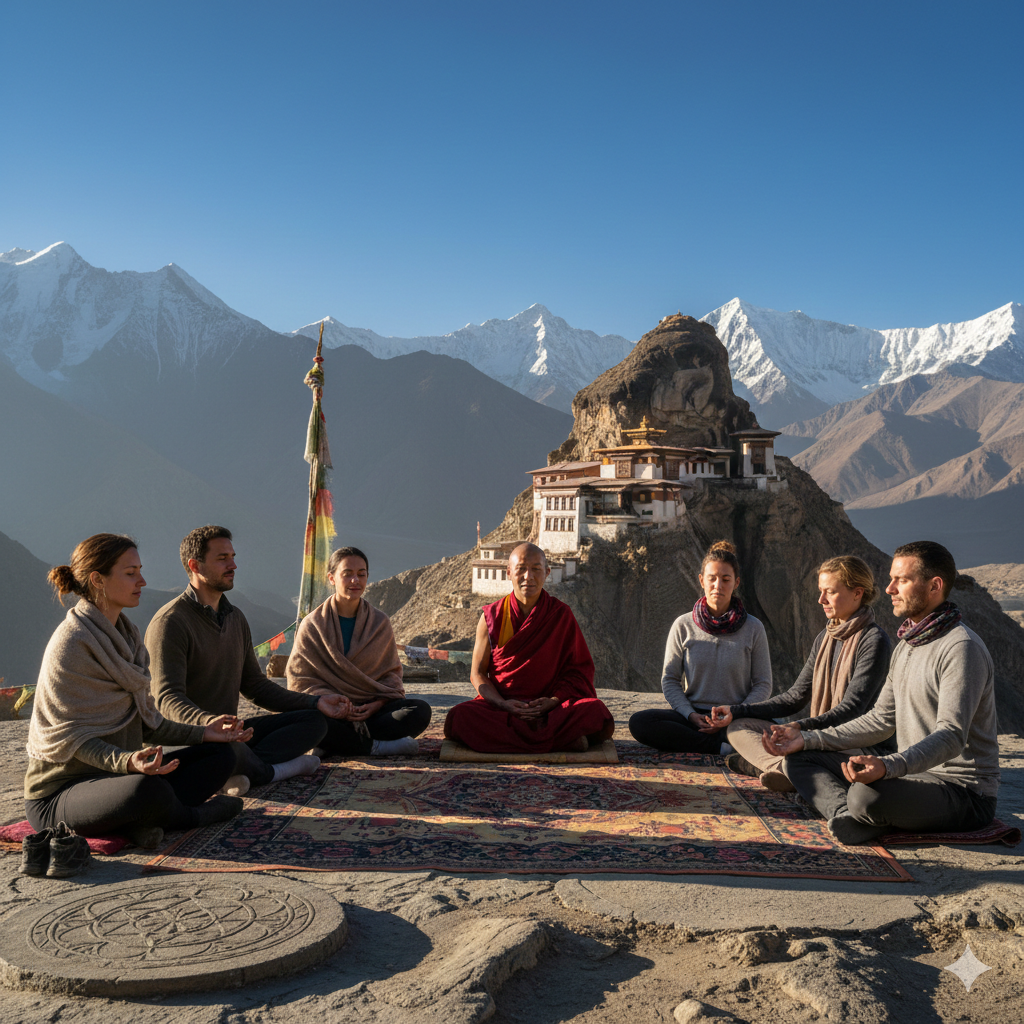
Gratitude is not merely a pleasant emotion; it is a trainable mode of attention. In a world that constantly invites the mind to scan for what is missing, gratitude meditation gently reverses the habit by teaching you to notice what is present, supportive, and meaningful. Over time, this form of mindfulness and gratitude can soften reactivity, improve emotional balance, and make everyday life feel less hurried and more intentional.
This guide explains how to meditate for gratitude in a practical, repeatable way. You will learn what gratitude meditation is, the benefits of gratitude meditation for mind and body, how to set up your practice, and several beginner-friendly techniques—plus strategies to make a daily gratitude practice sustainable.
Understanding Gratitude Meditation
https://www.teepublic.com/t-shirt/50348401-tiny-hero?store_id=2851997
What Is Gratitude Meditation?
Gratitude meditation is a contemplative practice in which you intentionally evoke appreciation and allow it to permeate your attention, thoughts, and bodily experience. Rather than forcing positivity, it trains you to recognize supportive facts—people who have helped you, capacities you possess, moments of beauty, or simple necessities that are easy to overlook.
A guided gratitude meditation often uses prompts such as “Recall a person who has contributed to your life” or “Notice what you can appreciate about this moment.” With practice, gratitude becomes less of an occasional mood and more of a stable inner orientation, especially when paired with meditation techniques that build clarity and calm.
Benefits of Meditating for Gratitude (Mind, Body, and Emotions)
The benefits of gratitude meditation tend to emerge subtly and accumulate with consistency. While experiences differ from person to person, many practitioners report changes across three domains:
- Mental clarity and perspective: Gratitude redirects attention from rumination to constructive reflection. This can support resilience by broadening the mind’s interpretive range, especially during stressful periods.
- Emotional steadiness: Regular practice can increase warmth, patience, and contentment. Gratitude does not eliminate difficult emotions, but it can reduce the sense of being dominated by them.
- Physical relaxation: When appreciation is felt sincerely, the body often responds with softer breathing, reduced muscle tension, and improved ease. This shift can complement other stress-management approaches.
In essence, gratitude meditation is a practical method for cultivating a more generous inner climate—one that supports psychological well-being without requiring ideal circumstances.
How to Prepare for a Gratitude Meditation Practice
Setting Your Intention and Creating a Calm Space
Preparation determines the quality of attention you can bring to the practice. Begin by setting a simple intention, such as: “I will spend the next few minutes noticing what supports my life.” An intention is not a demand; it is a direction.
Then shape the environment to reduce friction. Choose a quiet corner, silence notifications, and consider small signals that cue the mind toward stillness: a dimmer light, a comfortable seat, or a consistent location. The goal is not perfection, but a space that communicates safety and continuity.
Best Time, Duration, and Posture for Gratitude Meditation
The best time is the time you can sustain. Many people prefer mornings because the mind is less cluttered, while evenings can help decompress and reframe the day. If you are building a daily gratitude practice, prioritize consistency over length.
- Duration: Start with 5–10 minutes. Once steady, extend to 15–20 minutes if it feels supportive rather than burdensome.
- Posture: Sit upright with a relaxed spine, feet on the floor or legs crossed. Rest hands comfortably. If sitting is uncomfortable, meditate lying down, but remain alert.
- Attention anchors: Decide in advance what you will return to when the mind wanders—breath, bodily sensation, or a gratitude phrase.
These basics are especially helpful for gratitude meditation for beginners, because they reduce decision fatigue and make repetition easier.
Step-by-Step Guide: How to Meditate for Gratitude
Simple Gratitude Meditation for Beginners (Guided Steps)
This simple gratitude meditation is structured, gentle, and easy to repeat. Read through once, then practice from memory.
- Arrive and settle (1 minute): Sit comfortably. Let your eyes close or soften. Feel the contact points—feet on the floor, hips on the chair. Take two slower breaths and allow the exhale to lengthen.
- Anchor in the breath (1–2 minutes): Notice the natural rhythm of breathing. Do not manipulate it; simply track it. When thoughts pull you away, return without criticism.
- Choose one genuine gratitude object (2–3 minutes): Bring to mind something specific that you can sincerely appreciate. Choose something uncomplicated: clean water, a supportive colleague, the ability to walk, a recent act of kindness.
- Clarify what was given (2 minutes): Ask silently: “What did this provide?” Name the impact with precision—comfort, safety, opportunity, relief, learning, connection. Let the mind dwell on details rather than generalities.
- Feel it in the body (1–2 minutes): Shift from thinking about gratitude to sensing it. Notice where appreciation registers—perhaps warmth in the chest, softening in the shoulders, a calmer belly. If you do not feel much, that is also information; stay patient and keep the attention steady.
- Offer a simple phrase (1 minute): Use a quiet internal sentence such as: “Thank you,” “I appreciate this,” or “May I not take this for granted.” Repeat slowly, synchronized with your breathing.
- Expand gently (1–2 minutes): If it feels natural, widen gratitude to include one more person or condition that supports your life. Avoid racing through a list; depth matters more than quantity.
- Close with intention (30 seconds): Before opening your eyes, choose one small way to embody gratitude today—sending a message, taking care with a routine task, or offering attention to someone who needs it.
This is a form of guided gratitude meditation you can do without audio. Over time, it trains the mind to notice supportive reality even when life is demanding.
Variations: Breath-Focused, Body-Focused, and Loving-Kindness Gratitude
Once the basic practice feels familiar, variations keep the practice fresh and allow you to work with different emotional textures.
Breath-Focused Gratitude
Use breathing as both anchor and object of appreciation. As you inhale, think “Receiving.” As you exhale, think “Thank you.” Let the breath remind you that support is continuous and often effortless. This approach is particularly useful when you feel mentally scattered, because it keeps the practice simple and embodied.
Body-Focused Gratitude
Move attention through the body as in a scan. At each region—eyes, hands, heart, legs—acknowledge what it enables: seeing, holding, loving, walking. If you experience pain or limitation, include gratitude without denial: appreciate what still functions, the care you can offer yourself, or the medical support available. This method blends gratitude meditation with mindfulness in a grounded, compassionate way.
Loving-Kindness Gratitude
Combine appreciation with benevolence. Bring to mind a person who has helped you, then repeat phrases such as:
- “I am grateful for your presence in my life.”
- “May you be well and protected.”
- “May you experience ease.”
This variation strengthens relational warmth and can be a stabilizing antidote to resentment or social fatigue. It is also effective when gratitude feels abstract; directing it toward a person makes it concrete.
Integrating Gratitude Meditation Into Daily Life
Everyday Gratitude Rituals and Journaling Practices
Meditation becomes most transformative when it influences ordinary moments. You can reinforce formal practice with small rituals that require minimal time yet build continuity.
- One-breath gratitude pauses: Before opening your laptop, starting the car, or eating, take a single slow breath and identify one thing you appreciate about the upcoming moment.
- Gratitude journaling and meditation pairing: After your session, write three sentences: one specific gratitude, why it mattered, and how you will express it. This prevents gratitude from becoming a vague list and turns it into lived understanding.
- Evening review: Recall one moment from the day that was quietly beneficial—a helpful conversation, a task completed, a brief rest. Re-experience it for 20 seconds to consolidate the emotional imprint.
- Communication as practice: Express appreciation directly. A concise message—“I noticed what you did, and it helped”—often deepens the practice more than additional time on the cushion.
These approaches support a daily gratitude practice without making it feel like another obligation competing for attention.
Troubleshooting Common Challenges and Staying Consistent
Most obstacles are not signs that the practice is failing; they are the exact conditions the practice is designed to meet.
- “I feel nothing.” Emotional numbness is common under stress. Reduce expectations and focus on specificity: one concrete fact you can acknowledge. Keep the practice short and steady; feeling often follows consistency.
- “It feels forced or inauthentic.” Do not manufacture gratitude. Instead, search for what is simply true and modest—shelter, a functioning breath, a brief moment without conflict. Authenticity matters more than intensity.
- “My mind keeps wandering.” Wandering is normal. Each return to the anchor is part of the training. Use a phrase like “Back to breath, back to thanks” to reduce self-judgment.
- “Life is hard right now; gratitude feels inappropriate.” Gratitude is not denial. Make it inclusive: appreciate what supports you within difficulty—someone who listens, your own perseverance, small intervals of rest. This is often when the benefits of gratitude meditation become most meaningful.
- “I can’t stay consistent.” Attach the practice to an existing habit (after brushing teeth, before coffee). Keep a minimum viable version: two minutes, one gratitude object, one phrase. Consistency builds identity; duration can expand later.
When approached with patience, gratitude meditation becomes less of a technique and more of a durable skill: the capacity to recognize what is sustaining you, even when circumstances are imperfect.
Conclusion
Gratitude meditation offers a direct path to greater steadiness by reshaping what the mind habitually emphasizes. With a calm setup, a clear intention, and a simple method you can repeat, you learn to shift from scarcity-driven attention to a more balanced perception of your life.
If you are unsure where to start, return to the beginner steps: breathe, choose one sincere object of appreciation, feel its impact, and close with a small act that expresses it. Practiced regularly, this is how to meditate for gratitude in a way that is both grounded and sustainable—supporting calmer focus, healthier emotional tone, and a more enduring sense of enough.