
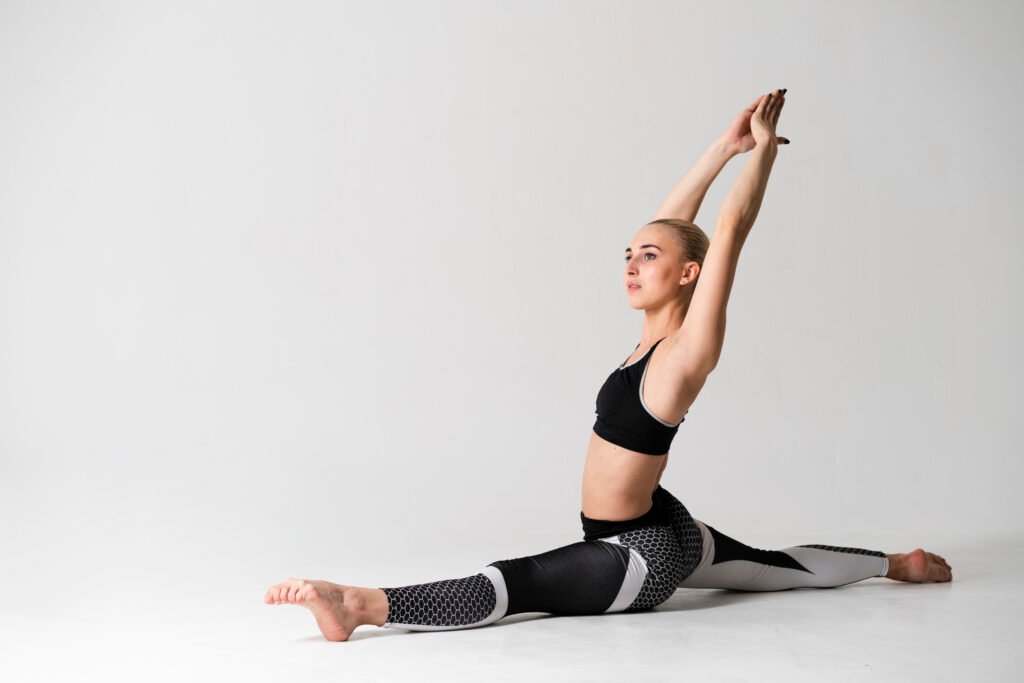
Stretching is often treated as a brief add-on—something to squeeze in when time allows. Yet the importance of stretching goes far beyond a few quick movements before leaving the gym. When applied correctly, stretching before and after workouts can enhance performance, reduce injury risk, accelerate recovery, and gradually build mobility that supports everyday posture and long-term athletic resilience. The key is understanding what to do, when to do it, and how to do it safely.
Understanding Why Stretching Matters for Your Body
https://www.teepublic.com/t-shirt/50280539-beautiful-butterfly?store_id=2851997
How stretching supports muscle health and flexibility
Muscles are designed to contract, relax, and lengthen through repeated movement. Over time, training stress, sedentary habits, and repetitive patterns can increase stiffness and limit how efficiently tissues glide. A well-planned approach to stretching for flexibility helps maintain supple muscle function and supports better movement quality in both training and daily life.
In practical terms, stretching encourages a healthier relationship between your nervous system and muscle tissue. When a muscle can lengthen without excessive protective tension, you can typically achieve smoother technique, cleaner positions, and a more balanced distribution of workload across surrounding muscles. These effects are among the most durable benefits of stretching—especially when paired with consistent strength training and sound exercise mechanics.
The role of stretching in joint mobility and posture
Flexibility and mobility are often used interchangeably, but they are not the same. Flexibility refers to a muscle’s ability to lengthen, while mobility describes a joint’s capacity to move through a controlled range of motion. Stretching can contribute to both, particularly when tight tissues restrict a joint’s natural movement.
When mobility is compromised, posture frequently pays the price. Hips that do not extend well can pull the pelvis forward; tight chest and shoulder structures can encourage rounding of the upper back. Strategic stretching, combined with strengthening where needed, can improve alignment and reduce compensations that lead to discomfort, inefficiency, or recurring strain.
Key Benefits of Stretching Before a Workout
Dynamic stretching for warm-up and performance
Pre workout stretching is most effective when it is dynamic: controlled, movement-based drills that raise temperature, increase circulation, and rehearse the patterns you are about to train. Dynamic stretching differs from simply “pulling” a muscle longer. It prepares the body by moving joints through active ranges while gradually increasing intensity.
Examples include leg swings, walking lunges with rotation, arm circles, inchworms, and hip openers. These movements prime neuromuscular coordination, improve readiness for speed and power, and help you settle into better positions under load. For many athletes and recreational exercisers, this approach is the most performance-oriented way to capture the importance of stretching before training.
How pre-workout stretching helps prevent injuries
No routine can eliminate risk, but intelligent warm-ups can meaningfully reduce it. Dynamic injury prevention stretches help by preparing connective tissue for force, awakening stabilizing muscles, and improving the timing between muscle groups. When the body is cold and stiff, technique tends to degrade, and joints often absorb stress that muscles should manage.
Effective pre-workout stretching also functions as a diagnostic. If a hip feels restricted, a shoulder catches, or a hamstring tightens early, you can adjust your session—lowering load, modifying range, or extending the warm-up—to avoid forcing suboptimal mechanics. That awareness is an often-overlooked protective benefit.
Essential Benefits of Stretching After a Workout
Static stretching for recovery and reduced muscle soreness
Post workout stretching is best approached with static holds: lengthening a muscle to a mild-to-moderate intensity and maintaining the position for a set duration. After training, the nervous system is generally more receptive to downshifting. Static stretching can promote relaxation, reduce the sensation of tightness, and support recovery by encouraging gentle circulation and restoring a calm baseline.
Although stretching is not a guaranteed remedy for delayed-onset muscle soreness, many people find that post-session static stretches decrease perceived stiffness and help them move more comfortably the following day. When paired with hydration, nutrition, sleep, and sensible training progression, workout recovery stretches can be a reliable component of a broader recovery strategy.
Stretching to improve long-term flexibility and range of motion
If your goal is durable gains in range of motion, after-workout is an excellent time to invest in consistency. Warm muscles tend to tolerate lengthening more comfortably, allowing you to explore end ranges without excessive guarding. Over weeks and months, this habit can lead to meaningful improvements in tissue tolerance and joint function.
For best results, focus on the areas most taxed by your session. A lower-body strength day often warrants attention to hip flexors, glutes, hamstrings, and calves. Upper-body training frequently benefits from stretches for the chest, lats, and posterior shoulder. This targeted approach keeps your routine efficient while reinforcing the cumulative benefits of stretching.
How to Create an Effective Stretching Routine
Best types of stretches for different workouts (cardio, strength, sports)
A strong plan matches stretching style to training demands. Consider the following guidelines when building a safe stretching routine:
- Cardio (running, cycling, rowing): Use dynamic drills before activity—ankle rocks, leg swings, hip circles, marching variations—to prime the lower body. Afterward, emphasize static holds for calves, hip flexors, quadriceps, hamstrings, and glutes to counter repetitive loading.
- Strength training: Prioritize dynamic mobility that reflects the lifts you will perform. Before squats or deadlifts, include hip hinge patterns, deep bodyweight squats, and thoracic rotations. Following training, use static stretches for the primary movers and the areas that commonly tighten (hip flexors, pecs, lats).
- Sports and high-intensity training: Warm-ups should be progressive and specific—dynamic flexibility plus movement preparation such as skips, shuffles, accelerations, and decelerations. Post-session, apply static stretching to restore length and maintain joint control, particularly around hips, ankles, shoulders, and the thoracic spine.
As a practical framework, aim for 5–10 minutes of dynamic work before training and 5–10 minutes of static work afterward. For static holds, 20–45 seconds per position is a dependable starting point. If your priority is mobility, consider a slightly longer post-workout sequence several times per week.
Common stretching mistakes and how to stretch safely
Stretching is straightforward, but common errors can blunt results or increase irritation. Avoid the following pitfalls to keep your practice effective:
- Using the wrong method at the wrong time: Prolonged static stretching before maximal lifting or sprinting may reduce readiness for explosive output. Favor dynamic pre workout stretching and reserve longer holds for after training.
- Pushing into pain: Stretching should create mild to moderate tension, not sharp pain or joint pressure. Pain signals excessive intensity or an unsuitable position.
- Bouncing aggressively: Uncontrolled ballistic motions can strain tissues. Dynamic stretching should be smooth and deliberate, not jerky.
- Ignoring breathing: Holding your breath increases tension. Slow exhalations help the nervous system relax, making stretching more productive.
- Stretching the wrong target: If you feel a stretch primarily in a joint rather than the intended muscle, adjust your alignment. For example, hip flexor stretches should load the front of the hip without compressing the lower back.
- Expecting stretching to fix everything: Lasting improvements often require strength through the new range. Combine stretching with controlled resistance work and sound technique.
When in doubt, choose conservative intensity, prioritize control, and keep the focus on quality. This approach supports injury prevention stretches without provoking irritation that interferes with training.
Conclusion
The importance of stretching lies in its strategic timing and correct application. Dynamic movements before training prepare tissues, refine mechanics, and improve readiness for demanding work. Static holds after training promote relaxation, support recovery, and gradually expand usable range of motion. By aligning stretching before and after workouts with your training goals—while avoiding common mistakes—you can build a sustainable, safe stretching routine that enhances performance, protects joint health, and keeps your body moving well for years to come.