
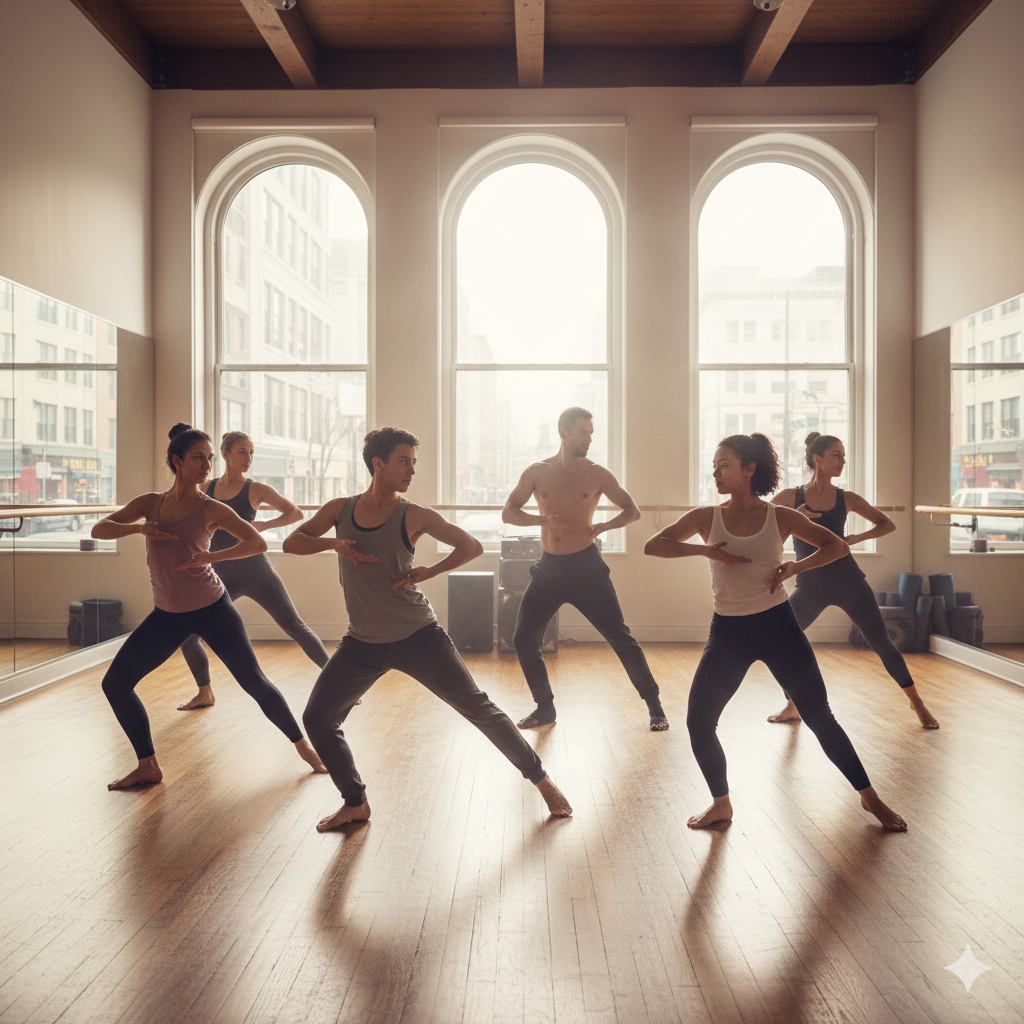
Dance is often celebrated for its artistry and cultural significance, yet its physiological impact is just as compelling. As a form of exercise, dance combines aerobic conditioning with strength work, coordination, and mobility training—often within the same session. This unique blend makes it an accessible, motivating way to enhance fitness, especially for people who find traditional workouts repetitive. When practiced consistently, the physical benefits of dancing can support heart health, weight management, muscular endurance, and functional movement for everyday life.
The Benefits of Dance for Physical Health
Understanding Dance as a Form of Exercise
What Counts as Dance-Based Physical Activity?
Dance-based physical activity includes any structured or spontaneous movement pattern performed rhythmically enough to elevate heart rate and engage major muscle groups. This spans formal styles such as ballet, contemporary, jazz, ballroom, salsa, and hip-hop, as well as dance fitness formats like Zumba or cardio dance classes. Even social dancing can qualify as a meaningful dance workout when it sustains moderate effort and involves repeated movement sequences.
From an exercise physiology perspective, dance becomes especially effective when it includes continuous movement, changes of direction, varied tempos, and multi-planar actions (side-to-side, rotational, forward and backward). These elements build not only stamina but also coordination and agility—qualities often overlooked in conventional gym routines. As a dance exercise, it is adaptable: intensity can be scaled through tempo, range of motion, duration, and complexity.
How Often Should You Dance for Health Benefits?
For most adults, dancing two to five times per week can produce noticeable improvements in fitness, provided sessions are long and vigorous enough to challenge the body. Many health guidelines suggest aiming for at least 150 minutes of moderate-intensity aerobic activity weekly, or 75 minutes of vigorous activity; dance can satisfy these targets when practiced with consistent effort.
A practical approach is to schedule three sessions per week of 30–60 minutes, combining higher-intensity days with lighter technique or mobility-focused sessions. Beginners may start with shorter durations and gradually increase frequency as conditioning improves. The key is progression: as your body adapts, increase either the total time, the intensity, or the complexity of movement to sustain the benefits of a dance workout.
Cardiovascular and Metabolic Benefits of Dance
How Dance Improves Heart Health and Circulation
The cardiovascular benefits of dance arise from sustained rhythmic movement that elevates heart rate and increases oxygen demand. Over time, regular dance training can strengthen the heart muscle, improve stroke volume, and enhance overall cardiorespiratory endurance. Better conditioning often translates into lower resting heart rate, improved recovery after exertion, and more efficient oxygen utilization during daily activities.
Dance for heart health also supports circulation by engaging the lower-body musculature, which assists venous return and promotes blood flow. The frequent transitions in tempo and movement pattern encourage healthy vascular responsiveness, while the full-body nature of many styles stimulates broader muscular involvement than steady-state activities alone. For people seeking a dynamic alternative to jogging or cycling, dance exercise can deliver robust aerobic conditioning with a lower perceived monotony.
Dance for Weight Loss, Fat Burning, and Metabolic Boost
Dance for weight loss can be effective because it increases energy expenditure while encouraging consistency—an essential factor in long-term body composition change. Calorie burn varies by dance style, intensity, and individual body size, but many classes and rehearsals create a sustained metabolic demand comparable to other aerobic workouts. Faster, more continuous forms such as cardio dance, salsa, or high-energy hip-hop can support fat oxidation, especially when practiced regularly.
Beyond the immediate calorie burn, dance can contribute to metabolic health by improving insulin sensitivity and supporting glucose regulation, particularly when sessions include intervals of higher intensity. This combination of aerobic work and muscular engagement helps preserve lean mass during weight-management efforts. When paired with adequate protein intake, sleep, and a balanced diet, dance-based training can be a sustainable strategy for fat loss while improving overall fitness.
Muscular, Skeletal, and Functional Fitness Benefits
Strength, Flexibility, and Balance Improvements from Dance
Dance builds strength through repeated controlled movements, isometric holds, and eccentric loading—especially in the legs, glutes, calves, and core. Many styles require sustained posture, single-leg support, and powerful hip drive, which develop muscular endurance and stability. Over time, these demands translate into improved functional strength that supports daily tasks such as climbing stairs, carrying groceries, and maintaining upright posture for longer periods.
Flexibility and balance from dance improve because dancers routinely move through large ranges of motion and challenge their base of support. Dynamic stretching occurs naturally through kicks, lunges, turns, and expressive upper-body patterns. Balance is refined through weight transfers, pivots, and controlled landings, training the neuromuscular system to react quickly and precisely. These adaptations can reduce fall risk and enhance athletic coordination, particularly as people age.
Supporting Joint Health, Posture, and Core Stability Through Dance
Dancing can support joint health when technique emphasizes alignment, gradual progression, and appropriate footwear or surfaces. Controlled movement patterns encourage joint lubrication and strengthen surrounding musculature, which helps stabilize knees, hips, ankles, and shoulders. Many dance forms also cultivate proprioception—your body’s ability to sense position and movement—an important component of injury prevention.
Posture benefits arise from the constant attention to spinal length, shoulder placement, and pelvis control required in many styles. Core stability is trained not only through obvious abdominal engagement, but through integrated control of the trunk during turns, directional changes, and arm-leg coordination. For individuals who spend long hours seated, dance for physical health can be a practical way to reinforce postural endurance and reclaim mobility in the thoracic spine and hips.
Mental and Holistic Health Benefits of Dancing
Stress Relief, Mood Boost, and Energy Levels
While the focus may begin with physical conditioning, dancing also supports mental well-being in ways that reinforce long-term consistency. Rhythmic movement can reduce stress by lowering perceived tension and promoting a calmer physiological state after sessions. Many people experience a measurable mood lift due to a combination of exertion, music engagement, and the satisfaction of learning skills and mastering sequences.
Dance benefits often include improved energy levels because regular activity enhances sleep quality and cardiovascular efficiency. Additionally, the cognitive demand of memorizing choreography and responding to musical cues keeps the brain engaged, which can make workouts feel more stimulating and less draining than repetitive routines.
Long-Term Health, Active Aging, and Lifestyle Motivation
Dancing supports active aging by maintaining mobility, coordination, and muscular endurance—qualities that protect independence. The multi-directional nature of dance training can help preserve reaction time and balance, while the social structure of classes or group practice increases accountability. This social and skill-based component is often what makes dance exercise sustainable: people return not only for fitness but for progress, connection, and enjoyment.
Over the long term, a consistent dance practice can reinforce healthier lifestyle choices by creating a positive feedback loop: improved stamina and strength make movement easier, which increases confidence and motivation to stay active. For many, a dance workout becomes less of a task and more of an identity-driven habit—one of the most powerful predictors of lasting health change.
Conclusion
The benefits of dance for physical health extend well beyond calorie burn. As a comprehensive movement practice, dance can strengthen the cardiovascular system, support metabolic function, build functional strength, and enhance mobility, balance, and posture. It also offers psychological reinforcement—stress reduction, improved mood, and sustained motivation—that helps people remain consistent. Whether approached as a formal discipline or an accessible dance-based class, dancing is a versatile way to cultivate fitness while engaging the body with precision, rhythm, and purpose.