
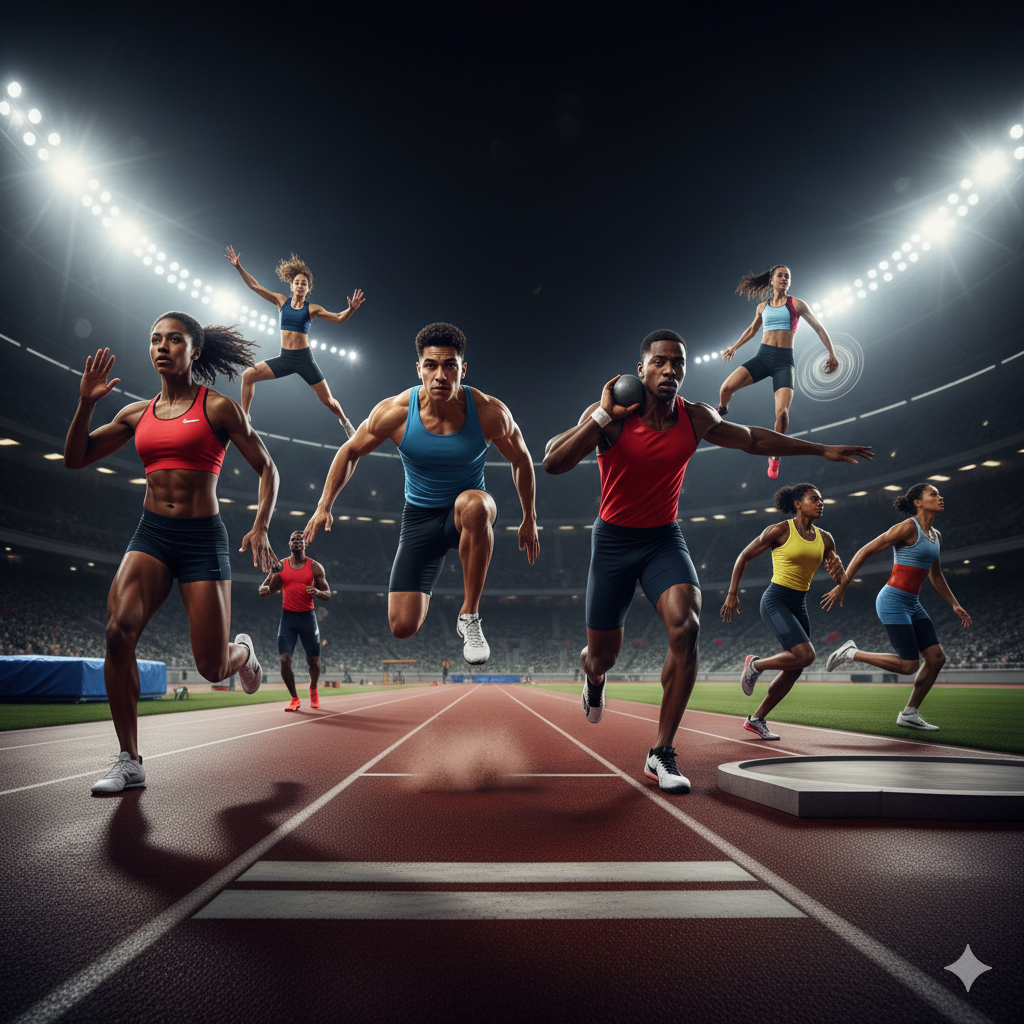
Athletes subject their bodies to repetitive strain, high-impact training, and the constant demand to perform under pressure. While smart programming, nutrition, and sleep remain foundational, massage therapy has earned a respected place in modern recovery and performance strategies. When used thoughtfully, massage therapy for athletes can accelerate tissue recovery, improve movement quality, and support mental resilience—benefits that compound over a long season.
This guide explains what sports massage is, the techniques commonly used, and the most meaningful physical and psychological outcomes. It also outlines how to integrate massage into training safely so it complements, rather than disrupts, adaptation and performance.
Understanding Massage Therapy for Athletes
What Is Sports Massage Therapy?
Sports massage therapy is a targeted form of bodywork designed to support athletic preparation, performance, and recovery. Unlike a general relaxation massage, it focuses on the tissues most relevant to a sport—muscles, tendons, fascia, and connective structures that influence biomechanics and force production. A skilled therapist evaluates patterns of tension, overuse, and movement restrictions, then applies techniques that address the athlete’s immediate needs and long-term goals.
Because athletic demands change across a training cycle, sports massage can be adjusted for timing and intensity. It may be gentle and stimulating before competition or deeper and more corrective during heavy training blocks. This flexibility is why many athletes view it as both a recovery tool and a form of proactive maintenance.
Types of Massage Techniques Used for Athletes
Athletes rarely benefit from a one-size-fits-all approach. Sports massage typically blends several methods, selected according to training load, injury history, and tolerance for pressure.
- Deep tissue and myofascial work: Often described as deep tissue massage for athletes, this approach targets dense layers of muscle and fascia to reduce stubborn tightness and improve tissue glide.
- Trigger point therapy: Focused pressure on hypersensitive points that can refer pain or restrict motion, commonly used for overworked hip flexors, calves, rotator cuff muscles, and upper traps.
- Swedish-style techniques: Lighter strokes that encourage circulation and relaxation, useful during taper weeks or when an athlete is systemically fatigued.
- Active release and assisted stretching: Movement-based methods that combine manual pressure with guided motion to restore range and reduce compensations.
- Event-specific sessions: Pre event sports massage is typically brief and invigorating; post-event work tends to be more restorative and geared toward recovery.
Key Physical Benefits of Massage Therapy for Athletes
Faster Muscle Recovery and Reduced Soreness
Training produces microtrauma in muscle fibers and stresses the surrounding connective tissue. In response, the body initiates inflammation, repair, and remodeling. The goal of an effective athletic recovery massage is not to “erase” training stress, but to help the athlete move and feel better while the body completes the adaptation process.
Many athletes report reduced perceived muscle soreness and quicker readiness after massage. Mechanistically, massage may support recovery by improving local circulation, easing excessive tone, and modulating pain through the nervous system. Practically, this can translate into better training consistency—an advantage that matters more than any single session.
For those prioritizing massage for muscle recovery, timing and pressure are critical. Aggressive work on severely sore tissue can increase sensitivity and temporarily reduce performance. A measured approach—especially in the first 24–48 hours after hard sessions—often yields the best outcomes while still delivering the desired post workout massage benefits.
Improved Flexibility, Mobility, and Injury Prevention
Restricted mobility rarely comes from a single structure. It is often the result of protective tension, fascial stiffness, and joint limitations interacting with training volume and technique. Sports massage can help by reducing unnecessary muscular guarding and improving tissue extensibility, making it easier to access clean movement patterns during lifting, sprinting, or sport-specific drills.
Over time, better mobility supports more efficient mechanics and helps redistribute load away from chronically overworked areas. While massage is not a guarantee against injury, it can play a meaningful role in a broader prevention strategy that includes strength training, progressive loading, and movement skill development. In this context, sports injury prevention massage is best viewed as ongoing maintenance: identifying early warning signs—hot spots, asymmetries, or recurring tightness—before they escalate into missed training or competition.
https://www.teepublic.com/t-shirt/50348400-kitty?store_id=2851997
Performance and Mental Benefits of Massage for Athletes
Enhanced Athletic Performance and Range of Motion
Performance is constrained by more than fitness. Stiffness, pain, and poor movement quality can limit stride length, reduce power transfer, and alter technique under fatigue. When massage improves comfort and range, athletes often experience smoother mechanics and a greater ability to express strength and speed.
This is where performance enhancement massage can be valuable, particularly when aligned with the training plan. A well-timed session may help an athlete feel more supple, reduce distracting tightness, and improve confidence in movement—especially in sports that demand fluid rotation, overhead mobility, or rapid changes of direction.
However, performance gains depend on appropriate dosage. Too much intensity too close to competition can leave tissues tender. A targeted, moderate approach—focused on key areas rather than full-body deep work—is generally the most effective strategy when performance is imminent.
Stress Relief, Relaxation, and Better Sleep Quality
Athletic progress depends on recovery, and recovery depends heavily on nervous system balance. High training loads, travel, competition pressure, and daily responsibilities can keep the body in a persistently elevated state of arousal. Massage can counter this by promoting relaxation, decreasing perceived stress, and helping athletes downshift into a more restorative state.
Improved sleep quality is one of the most practical downstream effects. When athletes sleep better, they tend to regulate mood more effectively, experience improved pain tolerance, and recover more efficiently between sessions. Even when the physiological changes are subtle, the mental benefit—feeling calmer, more prepared, and less burdened by tension—can be a competitive advantage.
How Athletes Can Safely Integrate Massage into Training
When and How Often Should Athletes Get a Massage?
Frequency should reflect training phase, injury history, and individual response. For many athletes, consistency matters more than intensity.
- During heavy training blocks: One session every 1–2 weeks can support tissue tolerance and keep minor restrictions from accumulating. Pressure should be moderate enough to avoid lingering soreness that compromises key workouts.
- In-season maintenance: Shorter sessions focused on high-use areas (hips, calves, hamstrings, shoulders) can help manage fatigue and maintain mobility.
- Pre-competition: Pre event sports massage is typically scheduled 24–72 hours before an event, emphasizing stimulation, circulation, and mobility rather than deep corrective work.
- Post-competition or post hard sessions: The best post workout massage benefits often come from lighter, recovery-oriented work within the next day or two, especially if the athlete is significantly sore.
- Rehabilitation support: If recovering from an injury, massage may be used to manage compensatory tension and support mobility, but it should be coordinated with a physiotherapist or sports medicine professional.
Massage should never be used to “push through” alarming symptoms. Sharp pain, sudden swelling, unexplained bruising, numbness, fever, suspected fracture, or acute tendon injuries warrant medical evaluation before bodywork. Clear communication about training load, competition schedule, and pain response is essential to keep massage therapeutic rather than disruptive.
Choosing a Qualified Sports Massage Therapist
The effectiveness of sports massage benefits depends heavily on the therapist’s skill, clinical reasoning, and ability to individualize care. Look for a professional who understands training principles and can adapt techniques to your sport and tolerance.
- Relevant credentials and experience: Licensing requirements vary by region, but athletes should prioritize therapists with sports-focused education and documented experience working with competitive populations.
- Assessment-driven approach: A qualified therapist asks about training volume, recent injuries, competition timelines, and movement restrictions rather than defaulting to a routine.
- Clear pressure scaling: Effective therapy is not synonymous with maximum force. The therapist should adjust depth to achieve results without leaving you excessively tender.
- Professional collaboration: The best practitioners coordinate with coaches, athletic trainers, or physiotherapists when appropriate, especially for recurring issues.
- Outcome-oriented planning: Sessions should have a purpose—mobility for a specific joint, reduced tone in a dominant muscle group, or recovery support—rather than chasing discomfort as proof of effectiveness.
If your goals include deeper work, ensure the therapist can apply deep tissue massage for athletes safely, with anatomical precision and respect for recovery demands. Done well, deeper techniques can be transformative; done poorly, they can create unnecessary soreness and reduce training quality.
Conclusion
Massage is not a shortcut, but it can be a high-leverage tool for athletes who value consistency, movement quality, and sustainable performance. Strategic massage therapy for athletes can support faster recovery, reduce perceived soreness, improve flexibility, and contribute to a more resilient body and mind. Whether used as an athletic recovery massage, a competition-focused session, or an element of sports injury prevention massage, the key is intelligent integration—right technique, right timing, and the right professional guidance.
When massage aligns with training objectives and respects recovery capacity, it becomes more than a luxury. It becomes a disciplined component of athletic preparation, helping athletes train hard, adapt well, and compete with greater confidence.
Slither Arcade
Features
- Classic Gameplay: Grow your snake by eating apples while avoiding self-collision.
- Dynamic Difficulty: The game speed increases as you eat more food.
- Juicy Polish: Screen shakes on eating, pulsing food animations, and high-score tracking.
- Responsive Controls: Use Arrow keys, WASD, or swipe on touch devices/mouse.
- Visuals: Custom-generated stylized assets and a minimalist neon background.
How to play:
- Controls: Use Arrow Keys or WASD to change direction. On mobile, Swipe in the direction you want to turn.
- Objective: Eat the glowing red apples to grow and increase your score. The game ends if you collide with your own tail.
The snake wraps around the screen edges, allowing for strategic maneuvers! Enjoy your game.Controls Reminder: The golden apple slows time for 5 seconds