

Modern work and constant digital stimulation have made sustained attention a scarce resource. If you find your mind drifting during meetings, reading the same paragraph twice, or jumping between tabs without finishing meaningful tasks, meditation can offer a practical remedy. Learning to meditate for better focus is not about forcing concentration through sheer willpower. It is about training attention gently, repeatedly, and intelligently—so clarity becomes more accessible in everyday life.
This guide explains how meditation for concentration works, how to set up your practice for success, and how to build a daily meditation routine that supports productivity and mental steadiness.
What Is Meditation for Focus and How Does It Work?
Understanding Meditation and Concentration
Meditation for focus is a structured form of attention training. Instead of allowing the mind to roam automatically, you practice returning awareness to a chosen anchor—often the breath, a sound, or a physical sensation. Each return is the core repetition that strengthens concentration.
In practical terms, how to meditate for focus involves three key skills:
- Directing attention toward a single object (such as breathing).
- Noticing distraction without frustration or self-criticism.
- Redirecting attention calmly, again and again.
This is why focus meditation is effective: it treats attention as trainable. Concentration becomes less about mood or motivation and more about a practiced mental habit.
How Meditation Changes the Brain and Attention Span
Over time, meditation can improve the efficiency of attention networks in the brain. Regular practice is associated with better regulation of mind-wandering, increased awareness of distraction cues, and improved cognitive control—factors that support mindfulness for productivity in demanding environments.
While results vary, many practitioners notice a measurable shift within weeks: fewer impulsive checks of the phone, faster recovery after interruptions, and greater stamina when completing cognitively taxing tasks. In other words, meditation can help you improve attention span naturally by strengthening the mental “return” mechanism that underlies sustained focus.
Preparing to Meditate for Better Focus
Best Time, Place, and Posture for Focused Meditation
Preparation determines whether a session becomes restorative or restless. Choose conditions that reduce friction and encourage consistency.
https://www.teepublic.com/t-shirt/50348401-tiny-hero?store_id=2851997
Time: Many people find morning ideal because the mind is less saturated with inputs. However, the best time is the one you can protect consistently. If your schedule is unpredictable, anchor your practice to an existing routine—after coffee, before opening email, or after lunch.
Place: Select a quiet, neutral space with minimal visual clutter. You do not need silence, but you do need a location where you can sit without being interrupted. A specific “meditation spot” signals the brain that it is time to settle.
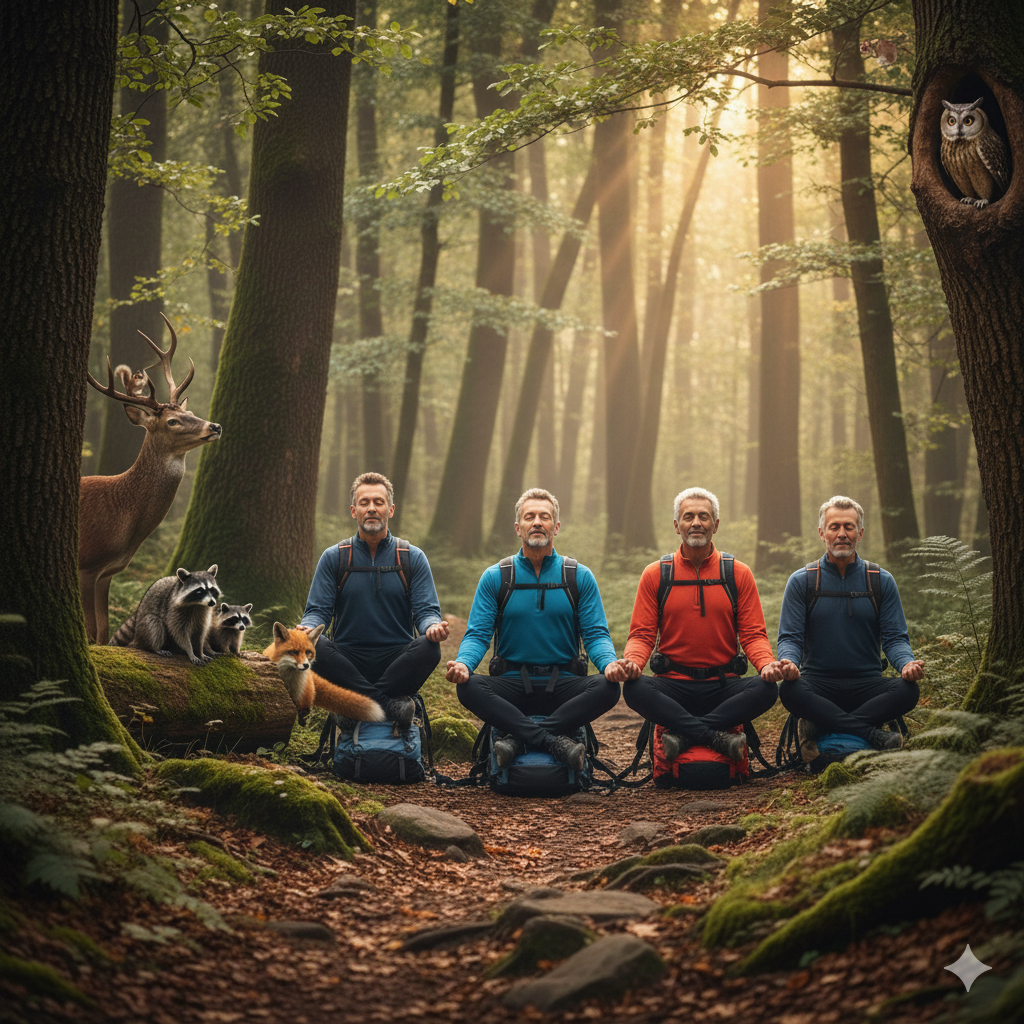
Posture: Sit upright with a relaxed spine, shoulders soft, chin slightly tucked, and hands resting comfortably. Use a chair if it helps; stability matters more than tradition. The goal is alert ease—relaxed enough to release tension, but upright enough to prevent sleepiness.
Tools and Apps That Support Focus Meditation
Tools should simplify the practice, not complicate it. If you tend to overthink, keep your setup minimal: a timer and a quiet seat.
- Timer: A simple timer prevents clock-checking and builds trust in the process.
- Noise management: Soft earplugs, white noise, or gentle ambient sound can reduce sudden distractions.
- Guided sessions: If you are starting out, a guided meditation for focus can structure your attention and prevent drifting into rumination.
- Tracking: A habit tracker can reinforce consistency, especially when building a beginner practice.
Choose one or two supports that genuinely remove obstacles. Excess options often lead to hesitation rather than action.
Step-by-Step Guide: How to Meditate for Better Focus
Simple Breathing Meditation Techniques for Concentration
Breathing is the most accessible anchor because it is always present and subtly dynamic. Use this method as a reliable foundation for focus meditation techniques that translate into everyday concentration.
- Set a duration: Start with 5–10 minutes. Consistency matters more than intensity.
- Assume an alert posture: Sit comfortably upright. Let your face and jaw soften.
- Choose a breath location: Pick one place to feel the breath clearly—the nostrils, chest, or abdomen.
- Attend to one inhale and one exhale: Keep attention close to raw sensation rather than commentary.
- Notice distraction quickly: When you realize you are thinking, planning, or replaying conversations, label it lightly: “thinking” or “wandering.”
- Return without judgment: Bring attention back to the next breath. The return is the training stimulus.
- Close deliberately: In the final 20 seconds, expand awareness to the body and sounds around you, then open your eyes fully.
If you struggle with restlessness, add a subtle structure: count each exhale up to ten, then restart at one. If you lose the count, return to one without irritation. This approach stabilizes attention while remaining simple enough for daily use.
Guided Focus Meditation Practice for Beginners
If you are new to meditation, guidance can prevent common pitfalls: trying too hard, criticizing yourself for distraction, or turning the session into problem-solving. Use the script below as a beginner meditation for focus practice. Read it once, then follow it from memory, or record it in your own voice.
Guided practice (8–10 minutes):
- Settle: Sit upright. Feel your feet on the ground and the support beneath you. Allow your shoulders to drop.
- Arrive: Take two slower breaths. On each exhale, soften the belly and the muscles around the eyes.
- Anchor attention: Place awareness on the breath at the nostrils or abdomen. Feel the inhale begin, crest, and end. Feel the exhale release.
- Steady the mind: For the next few minutes, your task is simple: stay close to one breath at a time.
- Work with distraction: When the mind pulls away, acknowledge it: “thinking,” “planning,” or “hearing.” Then return to the next breath as if gently guiding a hand back to the page.
- Refine focus: Notice the most vivid sensations—cool air in, warm air out; expansion and contraction; subtle pauses between breaths.
- Expand awareness: In the last minute, widen attention to include the body and sounds while keeping the breath in the background.
- Transition: Before standing, choose one focused action you will do next—one email, one paragraph, one task—without multitasking.
This final step is critical. It links meditation to execution, turning calm clarity into practical concentration.
Daily Habits to Boost Focus with Meditation
How Long and How Often to Meditate for Better Focus
To meditate for better focus effectively, prioritize frequency over duration. Short sessions train attention reliably and minimize resistance.
- Beginner schedule: 5–10 minutes daily for two weeks.
- Building phase: Increase to 10–20 minutes, 5–6 days per week.
- Maintenance and performance: 15–30 minutes most days, plus brief “micro-practices” during the day.
Micro-practices are especially powerful for concentration: 30–60 seconds of mindful breathing before a meeting, a single slow exhale before replying to a difficult message, or three breaths before resuming deep work after an interruption. These moments reinforce attention regulation where it matters most.
Combining Meditation with Lifestyle Changes for Maximum Concentration
Meditation is most effective when paired with habits that protect cognitive bandwidth. If you want lasting meditation for concentration benefits, align your environment and physiology with the same goal.
- Reduce attention fragmentation: Batch notifications, keep only one active tab for deep work, and schedule intentional check-in windows for messages.
- Use focused work blocks: Pair a short breathing practice with a 25–50 minute work sprint. This trains the mind to transition into sustained attention efficiently.
- Prioritize sleep: No focus strategy compensates for chronic sleep debt. Sleep consolidates learning and supports the executive control needed for concentration.
- Move daily: Regular walking, strength training, or gentle cardio reduces stress load and improves mental clarity, making focus meditation easier and more effective.
- Support attention with nutrition: Balanced meals and steady hydration prevent energy crashes that mimic “lack of willpower.”
- Create digital boundaries: Consider a brief evening wind-down without screens. A calmer nervous system improves the next day’s attention stability.
These changes do not replace guided meditation for focus or breath-based training; they amplify it by removing predictable sources of distraction and fatigue.
Conclusion
Focus is not a fixed trait. It is a skill shaped by repetition, environment, and nervous system balance. When you learn how to meditate for focus, you develop the ability to recognize distraction earlier and return attention with less effort—an advantage that compounds across work, study, and daily decision-making.
Start with a short, consistent practice, use simple breathing as your anchor, and integrate brief mindful pauses throughout the day. With time, focus meditation techniques become less like an exercise and more like a dependable mental posture—steady, clear, and ready for what matters.
Slither Arcade
Features
- Classic Gameplay: Grow your snake by eating apples while avoiding self-collision.
- Dynamic Difficulty: The game speed increases as you eat more food.
- Juicy Polish: Screen shakes on eating, pulsing food animations, and high-score tracking.
- Responsive Controls: Use Arrow keys, WASD, or swipe on touch devices/mouse.
- Visuals: Custom-generated stylized assets and a minimalist neon background.
How to play:
- Controls: Use Arrow Keys or WASD to change direction. On mobile, Swipe in the direction you want to turn.
- Objective: Eat the glowing red apples to grow and increase your score. The game ends if you collide with your own tail.
The snake wraps around the screen edges, allowing for strategic maneuvers! Enjoy your game.Controls Reminder: The golden apple slows time for 5 seconds