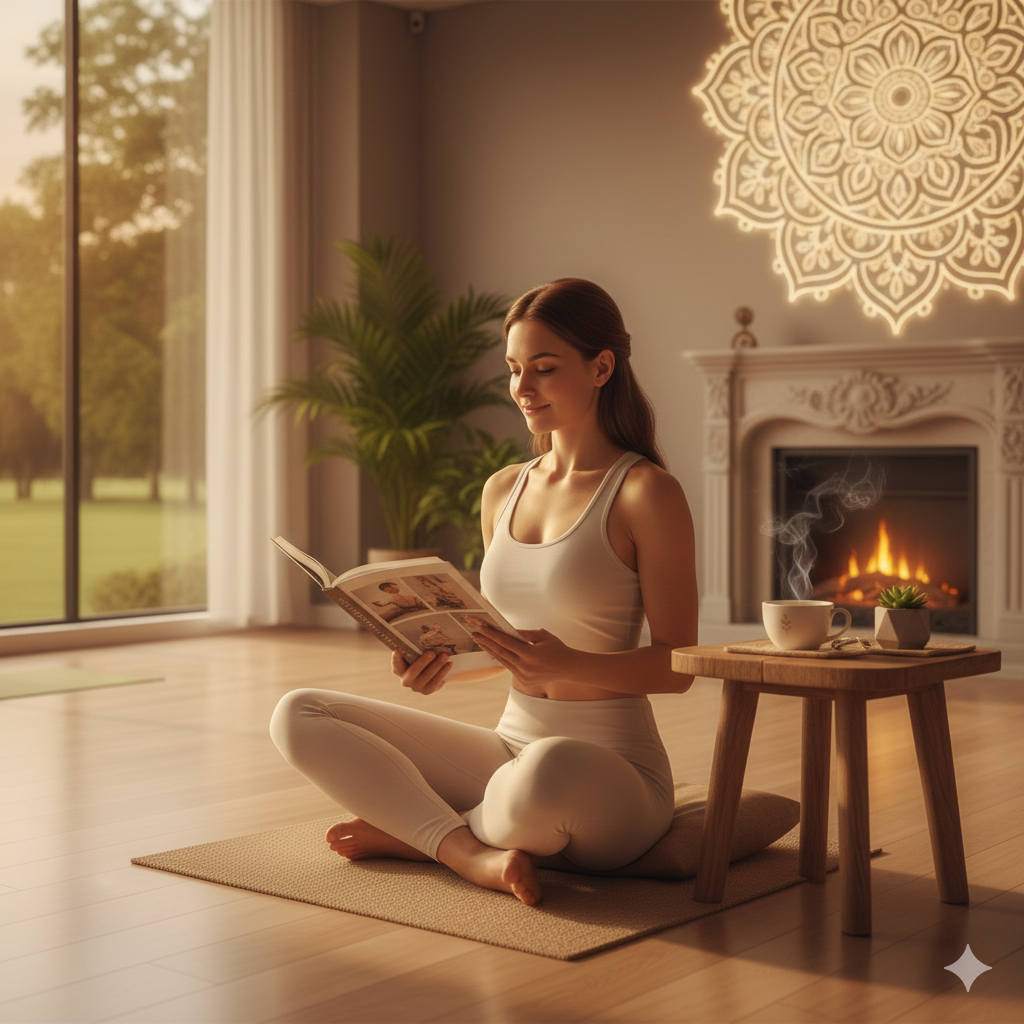
Starting yoga at home can feel both exciting and slightly overwhelming. There are poses with unfamiliar names, alignment cues that seem precise, and a deeper tradition that extends far beyond flexibility. The right book can simplify all of it. A well-structured guide acts like a patient teacher: it introduces fundamentals, clarifies technique, and helps you build a consistent practice without rushing your progress.
This article curates the best yoga books for beginners and explains how to select the right resource for your goals—whether you want a practical pose manual, a supportive plan for daily practice, or a thoughtful entry into philosophy, mindfulness, and breathwork.
The Best Yoga Books for Beginners
Understanding Yoga for Beginners
What Makes a Good Beginner Yoga Book?
Not all beginner yoga books are created equal. A strong beginner-friendly title is defined less by how many postures it includes and more by how clearly it teaches foundational skills. Look for books that:
- Prioritize safety and alignment, with cues that explain what to do—and what to avoid—especially for common limitations in hips, shoulders, knees, and the lower back.
- Use accessible language without oversimplifying. The best authors explain anatomy, breath, and movement in a way that builds confidence rather than confusion.
- Provide progressive sequencing. A useful yoga guide for beginners offers practice plans that evolve in difficulty, helping you improve steadily.
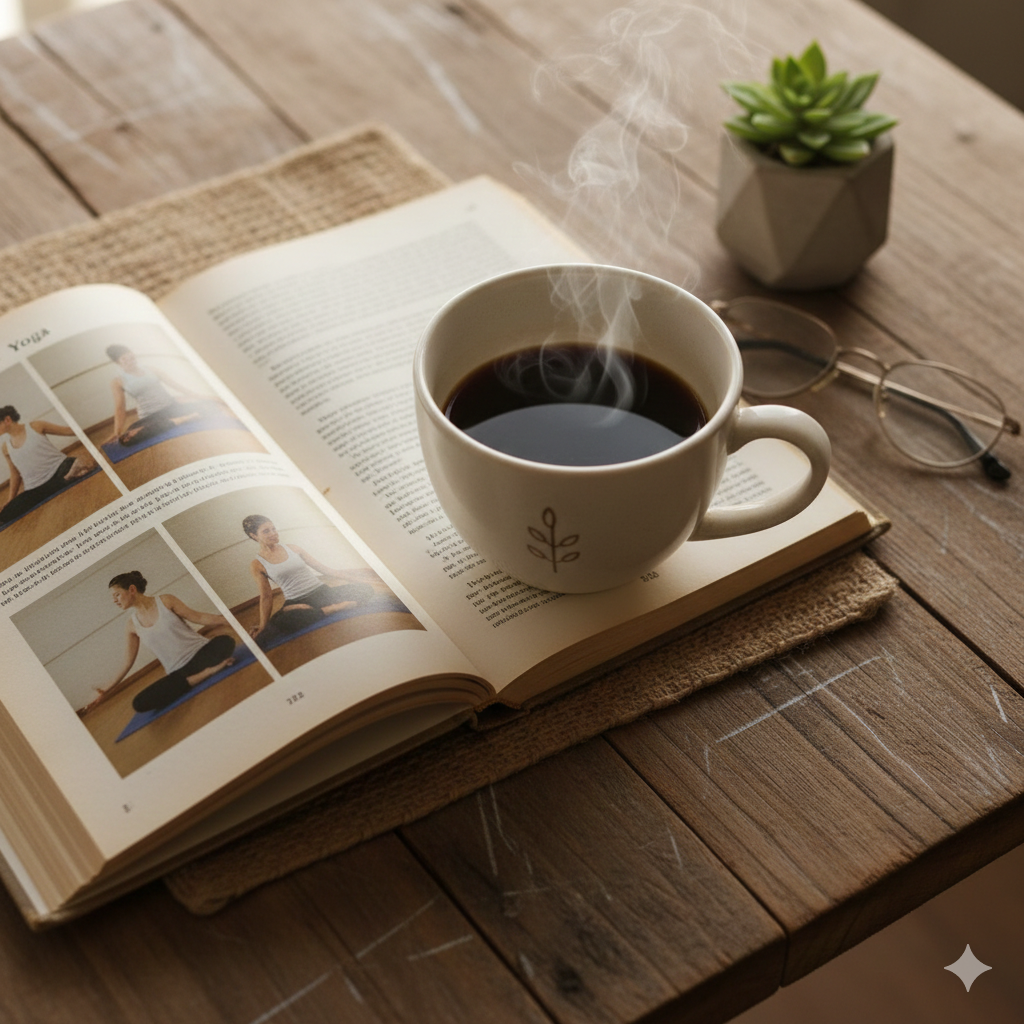
- Include clear visuals. High-quality photos or diagrams are essential in yoga pose books for beginners; they reduce guesswork and reinforce correct form.
- Address the “why” behind the practice—breathing, nervous system regulation, and attention—so yoga becomes more than a workout.
Many yoga books for newbies fail when they present postures as a checklist. Beginners benefit most from teaching that emphasizes breath, sensation, and gradual skill-building.
https://www.teepublic.com/t-shirt/50403076-miss-lavender-n2?store_id=2851997
Key Benefits of Starting Yoga With a Book
Learning yoga from a book offers advantages that videos and drop-in classes do not always provide. A book allows you to move at your own pace, re-read complex concepts, and reflect on how your body responds over time. It can also help you:
- Build a consistent routine by following structured programs, which is particularly valuable for yoga books for home practice.
- Develop body literacy through detailed alignment explanations and anatomy basics.
- Reduce decision fatigue, because a good book tells you what to practice today instead of leaving you to improvise.
- Connect to yoga’s deeper dimensions—ethics, meditation, and breath—without feeling pressured to “perform” advanced poses.
For many people, books become an anchor: steady guidance that remains available long after a class ends.
How to Choose the Best Yoga Book for Your Needs
Factors to Consider: Style, Level, and Learning Goals
If you are wondering how to choose a yoga book, begin with clarity about what you want to learn first. Different titles excel in different areas, and the “best” choice depends on your priorities.
- Practice style: If you prefer a dynamic approach, you may gravitate toward vinyasa-oriented guides. If you want gentler pacing, restorative or Iyengar-informed books often provide more detailed alignment support.
- Your current level: Some books claim to be beginner-friendly but assume prior familiarity with basic poses. True beginner books explain terms like “neutral spine,” “engage the core,” and “stack the joints.”
- Learning goals: Decide whether you want (a) a posture reference, (b) a step-by-step program, (c) a therapeutic focus for mobility or stress reduction, or (d) yoga philosophy books for beginners to deepen understanding.
- Injury history and mobility: If you have past injuries or chronic pain, prioritize books that offer modifications, prop suggestions, and contraindications.
- Teaching tone: Some readers thrive with a precise, technical voice; others prefer compassionate, reflective instruction. Choose the tone that will keep you engaged for weeks, not just one afternoon.
Matching a book to your temperament and body is often the difference between an abandoned purchase and a lasting practice.
Print vs. Digital: Which Yoga Book Format Is Better for Beginners?
Both formats can work, but each has distinct advantages for beginners.
- Print: A physical book is easy to annotate, quick to flip through during practice, and less distracting than a device. Many people find print ideal for sequences and pose references.
- Digital: E-books are searchable, portable, and convenient when traveling. If you like highlighting and saving notes digitally, this format can be efficient.
For starting yoga at home, many beginners prefer print for practical sessions and digital for reading philosophy, journaling prompts, or longer explanatory chapters. If possible, sample a few pages before committing—layout and image clarity matter more than most people expect.
Top Yoga Books for Complete Beginners
Best Yoga Books for Learning Poses and Alignment
When your primary goal is to learn posture fundamentals, choose books that emphasize safe mechanics, clear images, and modifications. The following are consistently recommended yoga pose books for beginners and reliable references for home use.
Light on Yoga by B.K.S. Iyengar
A classic reference with extensive pose coverage and disciplined instruction. While not written exclusively for beginners, it remains invaluable for alignment study and long-term progression. Beginners can use it as a reference alongside a gentler, more step-by-step guide.
Yoga Anatomy by Leslie Kaminoff and Amy Matthews
Ideal for readers who learn best by understanding structure. Detailed illustrations and explanations show how breath mechanics and muscle engagement influence each posture. This is one of the most useful beginner yoga books for building safe technique and body awareness.
Complete Yoga Poses by Daniel Lacerda
A comprehensive, visually oriented pose encyclopedia. It works well as a supplement when you want to look up a posture quickly, compare variations, or refine alignment cues. For beginners, it is most effective when paired with a program-based book that tells you what to practice.
The Heart of Yoga by T.K.V. Desikachar
Though broader than a pose manual, this book is exceptionally helpful for understanding how to adapt practice to the individual. It emphasizes function over form—an approach that can protect beginners from forcing shapes that do not suit their bodies.
Best Yoga Books for Yoga Philosophy, Mindfulness, and Breathwork
Many new practitioners sense that yoga is not merely physical. If you want calm, focus, and meaning—not just stretches—these yoga philosophy books for beginners offer clear entry points without requiring prior scholarly background.
The Yoga Sutras of Patanjali (translation and commentary) by Sri Swami Satchidananda
A widely read translation that explains core concepts in approachable language. For beginners, it provides a framework for ethical living, mental steadiness, and meditation—useful even if you practice only a few poses at first.
The Bhagavad Gita (accessible translation, such as Eknath Easwaran)
For readers drawn to yoga’s philosophical roots, the Gita offers profound teachings on action, discipline, and inner clarity. A readable translation helps beginners connect philosophy to daily life rather than treating it as abstract theory.
The Miracle of Mindfulness by Thich Nhat Hanh
Not a yoga text in the narrow sense, yet highly relevant to yogic practice. Its guidance on attention, breathing, and presence supports the mental training that makes physical practice more grounded and restorative.
Wherever You Go, There You Are by Jon Kabat-Zinn
Another non-traditional choice that pairs beautifully with yoga. Beginners often benefit from learning how to relate to thoughts and sensations during practice; this book offers practical mindfulness instruction with clarity and restraint.
How to Use Yoga Books in Your Daily Practice
Creating a Home Practice Using Beginner Yoga Books
The most effective way to use yoga books for home practice is to treat them as a curriculum rather than a reference you consult only when stuck. A simple structure keeps practice sustainable:
- Start small: Begin with 15–25 minutes, three or four days per week. Consistency matters more than duration.
- Choose a limited set of poses: Select 8–12 foundational postures—standing, hip-opening, gentle backbends, twists, and a resting pose. Repeat them long enough to learn them well.
- Use breath as your pace-setter: If a book includes breath cues, follow them. If not, aim for slow nasal breathing and avoid strain.
- Write brief notes: Record which cues helped, where you felt tension, and what felt stable. This turns a book into a personalized learning tool.
- Include recovery: End with a restful posture (such as savasana) for at least 2–5 minutes. This is where many benefits consolidate—physically and mentally.
As you grow more comfortable, rotate in new postures gradually. A book should help you progress without chasing complexity for its own sake.
Combining Books, Classes, and Online Resources for Faster Progress
Books excel at depth and clarity, but they cannot observe you in real time. Many beginners progress fastest by combining resources thoughtfully:
- Use a book for structure: Let it guide your weekly plan, teach key terms, and provide alignment reminders.
- Take occasional classes for feedback: Even one class per month can correct habits before they become ingrained, especially in common shapes like downward-facing dog, lunges, and forward folds.
- Use reputable online instruction selectively: Choose teachers who emphasize modifications, prop use, and safe pacing. Then cross-check cues with your book’s alignment guidance.
- Stay goal-oriented: If your goal is stress relief, prioritize breathwork and gentle sequencing. If your goal is strength and mobility, choose progressive plans and track consistency.
This balanced approach gives you the self-paced study of a book, the precision of live teaching, and the convenience of digital resources—without relying on any single method exclusively.
Conclusion
The best yoga books for beginners do more than list poses. They teach you how to practice: how to breathe, how to align safely, how to modify intelligently, and how to relate to your own progress with patience. Start by choosing a book that matches your goals—pose mastery, home sequencing, or philosophical grounding—then use it consistently as a practical guide rather than a one-time read.
With a well-chosen resource and a realistic routine, starting yoga at home becomes not only feasible, but deeply rewarding. Over time, the right book will feel less like instruction and more like a reliable companion—one that helps you build a practice you can sustain for years.
Slither Arcade
Features
- Classic Gameplay: Grow your snake by eating apples while avoiding self-collision.
- Dynamic Difficulty: The game speed increases as you eat more food.
- Juicy Polish: Screen shakes on eating, pulsing food animations, and high-score tracking.
- Responsive Controls: Use Arrow keys, WASD, or swipe on touch devices/mouse.
- Visuals: Custom-generated stylized assets and a minimalist neon background.
How to play:
- Controls: Use Arrow Keys or WASD to change direction. On mobile, Swipe in the direction you want to turn.
- Objective: Eat the glowing red apples to grow and increase your score. The game ends if you collide with your own tail.
The snake wraps around the screen edges, allowing for strategic maneuvers! Enjoy your game.Controls Reminder: The golden apple slows time for 5 seconds