
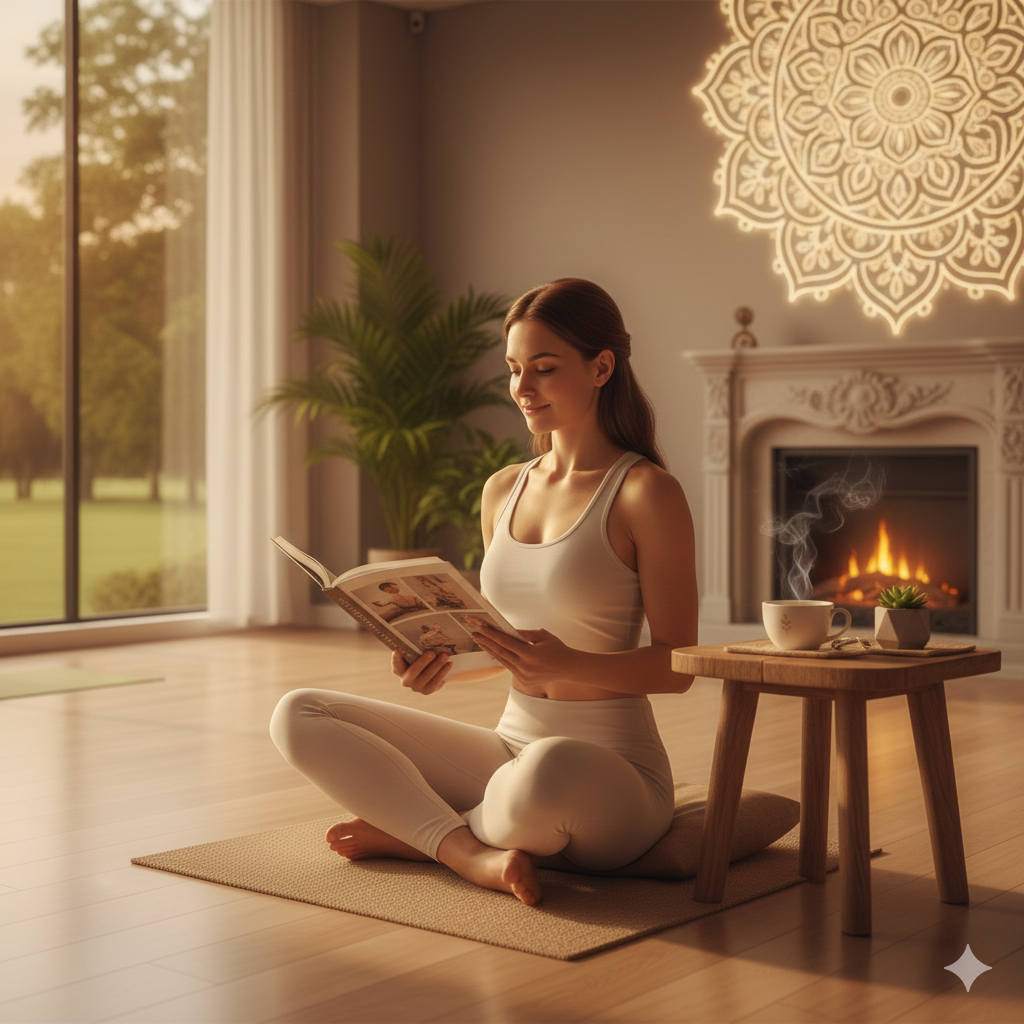
Inner clarity is not a vague luxury; it is a practical capacity to think cleanly, choose wisely, and respond rather than react. When attention is fragmented, even simple decisions can feel weighty. Meditation offers a disciplined way to steady the mind, soften emotional noise, and restore perspective. This guide explains how to meditate for clarity, how to prepare your space and intention, and which techniques best support calm, lucid thinking—especially if you are new to the practice.
Understanding Meditation for Inner Clarity
What Is Inner Clarity and Why It Matters
Inner clarity is the ability to perceive your experience without distortion—recognizing thoughts as thoughts, emotions as transient signals, and priorities as deliberate choices. It does not mean the absence of feeling or difficulty; it means reduced confusion in the presence of them. With clarity, decisions become simpler because you can distinguish urgency from importance, fear from intuition, and habit from genuine desire.
This quality matters in everyday life. Clear thinking improves communication, supports better problem-solving, and reduces impulsive behavior. It also protects mental bandwidth. When the mind is less entangled in rumination, it can focus on what is directly in front of you—one of the most tangible benefits of meditation for focus.
How Meditation Cultivates Mental and Emotional Clarity
Meditation trains attention and awareness. By repeatedly returning to a chosen anchor—often the breath—you strengthen the ability to notice distraction without being pulled into it. Over time, this creates space between stimulus and response. That space is where clarity emerges.
Equally important is emotional regulation. In a calm mind meditation practice, you learn to meet discomfort with steadiness rather than avoidance. As emotional intensity settles, thoughts become less reactive and more precise. This is why mindfulness for clear thinking is not merely a cognitive tool; it is an emotional one as well.
Preparing to Meditate for Inner Clarity
Creating a Calm, Distraction-Free Environment
Your environment does not need to be perfect, but it should be supportive. Choose a quiet location where you are unlikely to be interrupted. Silence notifications, dim harsh lighting, and consider a simple cue—such as a candle, a cushion, or a specific chair—that signals “this is my practice.”
Comfort influences attention. Sit with a straight spine, whether on a cushion or chair, and relax the shoulders. If you are tense, clarity becomes harder to access because the body continuously recruits attention. A few gentle breaths and a brief posture check can function as effective mental clarity exercises before you begin.
Setting Clear Intentions Before Each Meditation Session
Intention is the difference between drifting and practicing. Before you start, name a single, concise purpose: “I am here to steady my mind,” “I am cultivating clarity before a decision,” or “I am training attention.” Keep it realistic. Meditation is not a performance; it is a relationship with your own mind.
This step also reduces frustration. When expectations are vague—“I must feel peaceful immediately”—the mind judges every moment that is not serene. A clear intention creates a stable reference point, allowing you to practice patiently even when the session feels busy.
Step-by-Step Guide: How to Meditate for Inner Clarity
Simple Breathing Meditation Technique for Clarity
This foundational method is one of the most reliable beginner meditation techniques. It is simple, repeatable, and particularly effective for meditation for inner clarity because it trains attention while calming physiological arousal.
- Set a duration. Start with 5–10 minutes. Consistency matters more than length, especially at the beginning.
- Choose a posture. Sit upright with a relaxed chest and an unforced gaze (eyes closed or softly open).
- Find your breath anchor. Notice the sensation of breathing at the nostrils, chest, or abdomen. Pick one location and stay with it.
- Breathe naturally. Do not manipulate the breath. Let it settle into a comfortable rhythm.
- Label distraction with restraint. When the mind wanders, silently note “thinking,” “planning,” or “remembering,” then return to the breath.
- Use gentle precision. Treat each return as the core repetition of the practice. This is how to meditate for clarity: by practicing coming back without judgment.
- Close deliberately. In the final minute, broaden attention to include the body and sounds. Then open your eyes and pause before standing.
If the mind is restless, count breaths lightly—inhale “one,” exhale “one,” up to ten, then restart. Breath counting is a practical calm mind meditation strategy that stabilizes attention without forcing stillness.
Guided Visualization and Mindfulness Practices for Clear Thinking
When you need clarity around decisions, overwhelm, or scattered attention, adding structured imagery or open monitoring can be especially helpful. These approaches complement breath practice and are often used as guided meditation for clarity.
1) Visualization for mental decluttering
- Sit comfortably and take a few slow breaths.
- Imagine placing each distracting thought onto a leaf floating down a stream, or onto a cloud moving across the sky.
- Do not chase the leaf or cloud. Simply watch it pass and return to the breath.
This technique externalizes mental noise without suppression. It can quickly restore perspective, particularly when the mind is looping.
2) Mindfulness for clear thinking (open awareness)
- Begin with the breath for one minute to steady attention.
- Then allow awareness to open to whatever arises—sounds, sensations, thoughts, emotions.
- Notice each experience as an event in consciousness rather than a command to act.
- If you become absorbed in a storyline, return briefly to the breath and reopen awareness.
Open awareness builds discernment. You learn what is actually present instead of what the mind predicts, fears, or rehearses. Over time, this increases clarity not by narrowing your experience, but by seeing it more accurately.
3) A short inquiry for decision clarity
- After several minutes of breathing, bring one question into awareness, such as: “What matters most here?”
- Wait. Do not force an answer.
- Notice the body’s response—tightness, ease, agitation, calm—without treating it as absolute truth.
- Return to the breath and repeat the question once or twice.
This inquiry is subtle and should be used sparingly. Its purpose is not instant certainty, but clearer perception of competing motives and emotional undercurrents.
https://www.teepublic.com/t-shirt/53801479-yogart?store_id=2851997
Deepening Your Practice and Maintaining Inner Clarity
Overcoming Common Meditation Challenges and Distractions
Distraction is not failure; it is the training ground. The moment you notice you have wandered is the moment awareness has returned. Progress is measured in the quality of returning, not in uninterrupted concentration.
Common obstacles often have straightforward solutions:
- Restlessness: Shorten sessions, add breath counting, or do two minutes of gentle stretching before you sit.
- Sleepiness: Meditate with eyes slightly open, sit more upright, or practice earlier in the day.
- Racing thoughts: Use labeling (“thinking,” “worrying”) and keep your anchor tactile—sensations at the nostrils are often clearer than abstract focus.
- Self-judgment: Replace evaluation with curiosity. A disciplined yet kind attitude is essential for sustained mental clarity exercises.
- Emotional intensity: Ground in the body—feet, hands, breath—and widen attention to include sounds. If distress feels unmanageable, consider professional support.
Building a Consistent Meditation Routine for Lasting Clarity
Clarity is not a single breakthrough; it is a cultivated baseline. A daily meditation routine—brief, realistic, and well-timed—creates more lasting change than occasional long sessions. Choose a consistent cue: after waking, before lunch, or after closing your laptop at day’s end. Attach the practice to something you already do.
To maintain momentum, keep the structure stable and the content flexible. For example:
- Days 1–7: 7 minutes of breathing meditation.
- Days 8–14: 7 minutes breathing + 3 minutes open awareness.
- Ongoing: Alternate breath practice with guided meditation for clarity when you feel mentally crowded.
Finally, integrate clarity into ordinary moments. Take three conscious breaths before a meeting. Notice the impulse to multitask and return to one task. These small applications translate meditation into functioning, reinforcing mindfulness for clear thinking throughout the day.
Conclusion
Meditation for inner clarity is a practical discipline: prepare a supportive environment, set a precise intention, and practice returning to the present with patience. Whether you use a simple breathing meditation technique for clarity, open mindfulness, or guided visualization, the aim is the same—less reactivity, more discernment, and steadier attention. With a sustainable daily meditation routine, clarity becomes less of an occasional experience and more of a dependable inner resource.
Slither Arcade
Features
- Classic Gameplay: Grow your snake by eating apples while avoiding self-collision.
- Dynamic Difficulty: The game speed increases as you eat more food.
- Juicy Polish: Screen shakes on eating, pulsing food animations, and high-score tracking.
- Responsive Controls: Use Arrow keys, WASD, or swipe on touch devices/mouse.
- Visuals: Custom-generated stylized assets and a minimalist neon background.
How to play:
- Controls: Use Arrow Keys or WASD to change direction. On mobile, Swipe in the direction you want to turn.
- Objective: Eat the glowing red apples to grow and increase your score. The game ends if you collide with your own tail.
The snake wraps around the screen edges, allowing for strategic maneuvers! Enjoy your game.Controls Reminder: The golden apple slows time for 5 seconds