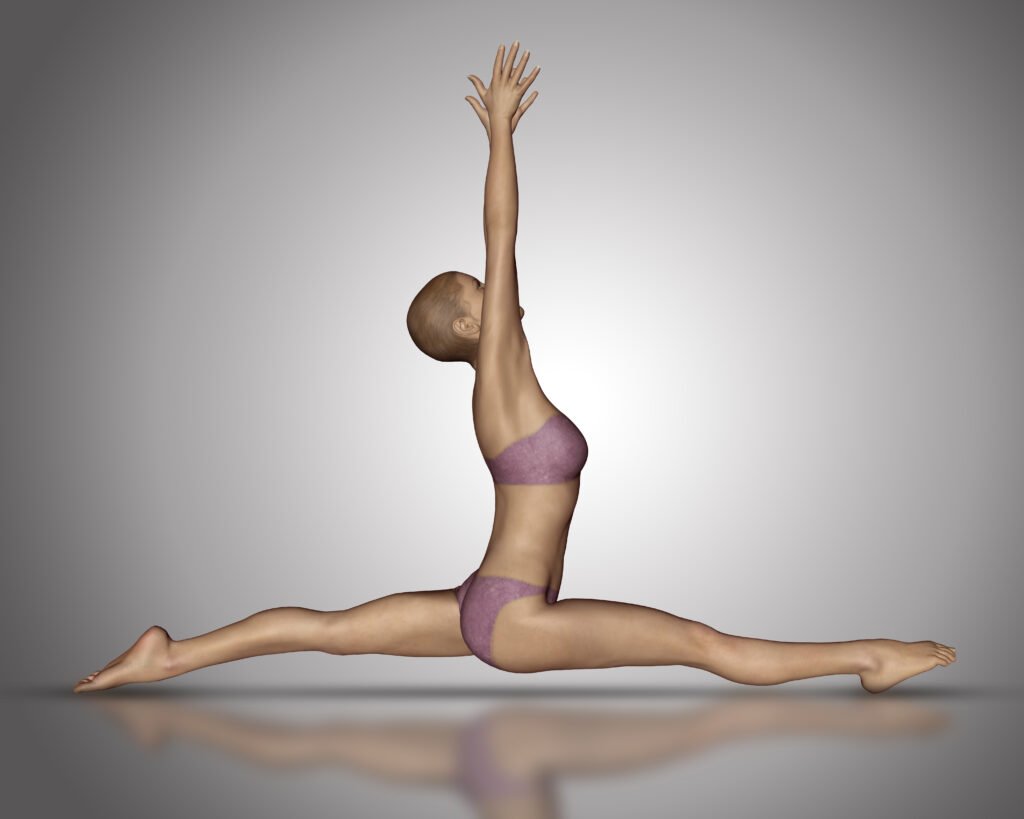

Effective stretching routines do more than improve range of motion. When applied with the right timing and technique, stretching can refine movement quality, reduce lingering tightness after training, and support faster recovery between sessions. The key is understanding what each method does—and selecting flexibility exercises that match your goals, training load, and current limitations.
Understanding Stretching for Flexibility and Recovery
What Is Stretching and Why It Matters for Flexibility
Stretching is the deliberate practice of lengthening tissues and exploring joint ranges through controlled positions or movement. Over time, it can improve flexibility by increasing tolerance to stretch and, in certain contexts, by promoting adaptations in muscle-tendon units. For many people, the immediate benefit is a more comfortable range of motion; the long-term benefit is smoother, more economical movement.
Stretching also affects the nervous system. A well-designed daily stretching routine teaches your body to relax into positions it previously resisted, which can translate into better posture, improved technique in strength training, and more efficient stride mechanics in running. The result is often fewer compensations and a reduced likelihood of overloading vulnerable areas.
Flexibility vs Mobility vs Recovery: Key Differences
Flexibility refers to how far a muscle can lengthen and how much range a joint can access. It is largely about capacity.
Mobility is the ability to control that range. Mobility integrates strength, coordination, and joint function; it is the practical expression of flexibility during real movement.
Recovery describes the process of restoring readiness after training. It includes tissue repair, nervous system downshifting, and the resolution of soreness. While stretching is not a cure-all, muscle recovery stretches can help decrease perceived stiffness, support circulation, and provide a structured transition from high intensity to rest.
Types of Stretching for Better Flexibility and Faster Recovery
Static, Dynamic, PNF, and Active Stretching Explained
Static stretching involves holding a position at a comfortable end range, typically for 20–60 seconds. It is most useful when the goal is to improve flexibility or to reduce post-exercise tightness.
Dynamic stretching uses controlled movement through ranges of motion—leg swings, arm circles, and walking lunges, for example. It increases temperature, enhances neuromuscular readiness, and prepares joints for activity.
PNF stretching (proprioceptive neuromuscular facilitation) blends stretching with brief isometric contractions. A common approach is “contract-relax”: gently stretch, contract the target muscle against resistance for 5–10 seconds, then relax and move deeper. PNF can rapidly improve short-term range, but it should be applied thoughtfully due to its intensity.
Active stretching is performed by contracting the opposing muscle group to move into a stretch without external assistance. For instance, lifting the leg using hip flexors to stretch the hamstrings. Active methods build usable mobility because they strengthen control at end ranges.
When to Use Each Stretching Type: Warm-Up vs Cool-Down
Warm-up (pre-training): prioritize dynamic stretching and light active stretching. The objective is readiness—elevating heart rate, lubricating joints, and rehearsing movement patterns. Long static holds immediately before maximal strength or sprint work can temporarily reduce power output in some athletes; if static stretching is needed for specific restrictions, keep holds brief and follow with dynamic drills.
Cool-down (post-training): emphasize static stretching and gentle active range work. This is the ideal window for post workout stretching because the tissues are warm, and the nervous system is more receptive to downshifting.
Dedicated flexibility sessions: use static stretching, active stretching, and carefully selected PNF work. These sessions are where meaningful change in range is most likely, especially when combined with strength at new ranges.
Daily Stretching Routines for Full-Body Flexibility
Morning and Evening Stretching Routine for Beginners
This daily stretching routine is designed for consistency rather than intensity. Move slowly, breathe steadily, and stop short of pain. For stretching for beginners, the most reliable progress comes from gentle repetition.
Morning Routine (8–10 minutes): “Wake and Mobilize”
- Cat-cow spinal flow (dynamic): 6–8 slow cycles to relieve morning stiffness through the spine.
- World’s greatest stretch (dynamic with brief holds): 3 reps per side, focusing on hip opening and thoracic rotation.
- Hip hinge to overhead reach (dynamic): 8 reps to prime posterior chain and shoulder flexion.
- Standing calf and ankle rocks (dynamic): 10 rocks per side to prepare ankles for walking and training.
- Neck side glide and gentle rotation (controlled): 3–4 reps each direction to reduce desk-related tension.
Evening Routine (10–12 minutes): “Decompress and Restore”
- Child’s pose (static): 45–60 seconds for lats, mid-back, and breathing reset.
- Kneeling hip flexor stretch (static): 30–45 seconds per side; keep pelvis slightly tucked to target the hip flexors rather than the lower back.
- Figure-four glute stretch (static): 30–45 seconds per side to ease hip tightness from sitting.
- Supine hamstring stretch with strap (static): 30–45 seconds per side; maintain a neutral spine and avoid aggressive pulling.
- Doorway chest stretch (static): 30 seconds per side to counter rounded shoulders.
How to progress: add 10–15 seconds to holds after one week, or repeat the evening sequence twice if it remains comfortable and controlled. Progress should feel sustainable, not forced.
Intermediate and Advanced Flexibility Routines for Athletes
Stretching for athletes should reflect sport demands, strength training volume, and the need for resilience at end range. This full body stretching routine is best performed 3–5 times per week, ideally after training or as a standalone session.
Intermediate Routine (15–20 minutes): “Full-Body Capacity”
- Dynamic lunge matrix (forward, lateral, rotational): 2 rounds of 5 reps per direction to prime hips and groin.
- Active hamstring sweeps (dynamic): 10 reps per side to improve usable posterior chain range.
- Half-kneeling thoracic rotation (controlled): 8 reps per side for upper-back mobility.
- Couch stretch (static): 45 seconds per side for quads and hip flexors; maintain ribcage stacked over pelvis.
- Adductor rock-backs (active mobility): 10 reps per side to open the inner thigh with control.
- Wall pec stretch with slight rotation (static): 30–45 seconds per side to improve shoulder positioning.
Advanced Routine (20–30 minutes): “End-Range Control + PNF”
- Active leg raise holds (active): 3 sets of 10–15 seconds per side to build strength at hamstring end range.
- PNF hamstring contract-relax (PNF): 2 rounds per side (gentle stretch 15 seconds, contract 8 seconds, relax and deepen 15–20 seconds).
- Front split prep sequence (mixed): hip flexor stretch 60 seconds + hamstring stretch 60 seconds per side, maintaining square hips.
- Shoulder flexion opener on bench (static): 45–60 seconds to lengthen lats and triceps without compressing the lumbar spine.
- Deep squat pry (active mobility): 60 seconds, shifting gently side to side to enhance ankle and hip control.
Programming note: advanced work is potent. If you also lift heavy or sprint, keep the most intense flexibility sessions away from peak power days, or reduce overall volume to protect performance and tissue tolerance.
Stretching for Muscle Recovery and Injury Prevention
Post-Workout Stretching Routine for Faster Recovery
This post workout stretching sequence prioritizes downregulation, comfort, and restoring resting length in heavily used tissues. It is not meant to be aggressive; muscle recovery stretches are most effective when they calm the system rather than provoke it.
10-Minute Post-Training Routine (Full Body)
- Slow nasal breathing in supine position: 60 seconds to shift toward parasympathetic recovery.
- Hip flexor stretch (static): 40 seconds per side, especially valuable after running, cycling, or lower-body lifting.
- Seated or supine hamstring stretch (static): 40 seconds per side; avoid rounding the lower back.
- Calf stretch against wall (static): 30 seconds per side to reduce lower-leg tightness from impact work.
- Cross-body posterior shoulder stretch (static): 30 seconds per side after pressing or throwing.
- Thoracic open book rotation (gentle mobility): 6 reps per side to restore rotation after bracing and loading.
If soreness is high: shorten holds to 20–30 seconds and keep intensity mild. Pair the routine with hydration, adequate sleep, and sufficient protein intake to reinforce the broader recovery process.
Safe Stretching Tips to Prevent Overstretching and Injury
- Work at a “strong but safe” intensity. A productive stretch is uncomfortable yet controllable. Sharp pain, numbness, or joint pinching is a signal to stop and adjust.
- Respect joint position. Many issues blamed on tight muscles are actually poor alignment. Stack ribs over pelvis, keep knees tracking with toes, and avoid collapsing into end range.
- Use breath as a regulator. Slow exhalations reduce guarding. If you cannot breathe calmly, the stretch is likely too intense.
- Progress gradually. For most people, improving flexibility requires weeks of steady exposure. Rapid gains often come from forcing range rather than building durable capacity.
- Balance flexibility with strength. The most reliable injury prevention comes from controlling new range. Complement stretching routines with strength training through full, well-aligned motion.
- Be cautious with high-intensity PNF. Use it sparingly—1–3 times per week per muscle group—and avoid maximal contractions, especially if you are prone to cramping or tendon irritation.
- Individualize for your sport and anatomy. A gymnast’s priorities differ from a powerlifter’s. If a stretch consistently irritates a joint, swap it for an alternative rather than persisting.
Conclusion
Stretching is most effective when it is purposeful. Dynamic methods prepare the body for performance, static and active techniques build lasting range, and well-chosen muscle recovery stretches help you exit training with less residual tension. Whether your goal is how to improve flexibility, refine movement quality, or establish a reliable full body stretching routine, consistency and restraint matter more than intensity. Choose the right tool for the moment, progress patiently, and aim for control at every new range you earn.