Maintaining a nutritious routine while commuting, traveling, or juggling back-to-back meetings can feel like a constant negotiation between convenience and wellbeing. Yet healthy eating on the go is not a matter of willpower alone; it is largely a matter of systems. With a few practical habits—planning, smarter snacking, and strategic ordering—you can preserve energy, support focus, and avoid the crash that follows impulsive choices.
The goal is not perfection. It is consistency: reliable, repeatable decisions that make quick healthy meals and balanced snacks the default rather than the exception.
Top 5 Tips for Healthy Eating on the Go
Understanding the Challenges of Eating Healthy on the Go
On-the-move schedules create predictable pitfalls. Portions tend to be oversized, foods are often high in sodium and refined carbohydrates, and options are engineered for hyper-palatability rather than nourishment. Add limited time, scarce refrigeration, and decision fatigue, and it becomes easy to rely on “whatever is available,” even when it undermines your goals.
Another common issue is uneven intake across the day. Skipped breakfasts and rushed lunches frequently lead to late-afternoon cravings, at which point fast food becomes the simplest solution. Recognizing these patterns is the first step toward replacing them with a strategy built on foresight.
Why Planning Ahead is the Key to Success
Planning minimizes friction. When you know what you will eat—and you have it within reach—you reduce the number of high-stakes decisions you must make under pressure. This is especially important for meal prep for busy people: a small investment of time can prevent multiple compromised choices later in the week.
Effective planning does not require elaborate cooking. It requires a short list of reliable staples, a realistic schedule, and a portable setup that supports clean eating on the go.
Tip 1: Plan and Prep Your Meals in Advance
Meal preparation is the most dependable way to stay aligned with your nutrition goals when your calendar is unpredictable. A prepared meal is automatically a smarter choice than a last-minute purchase—particularly when time is scarce and options are limited.
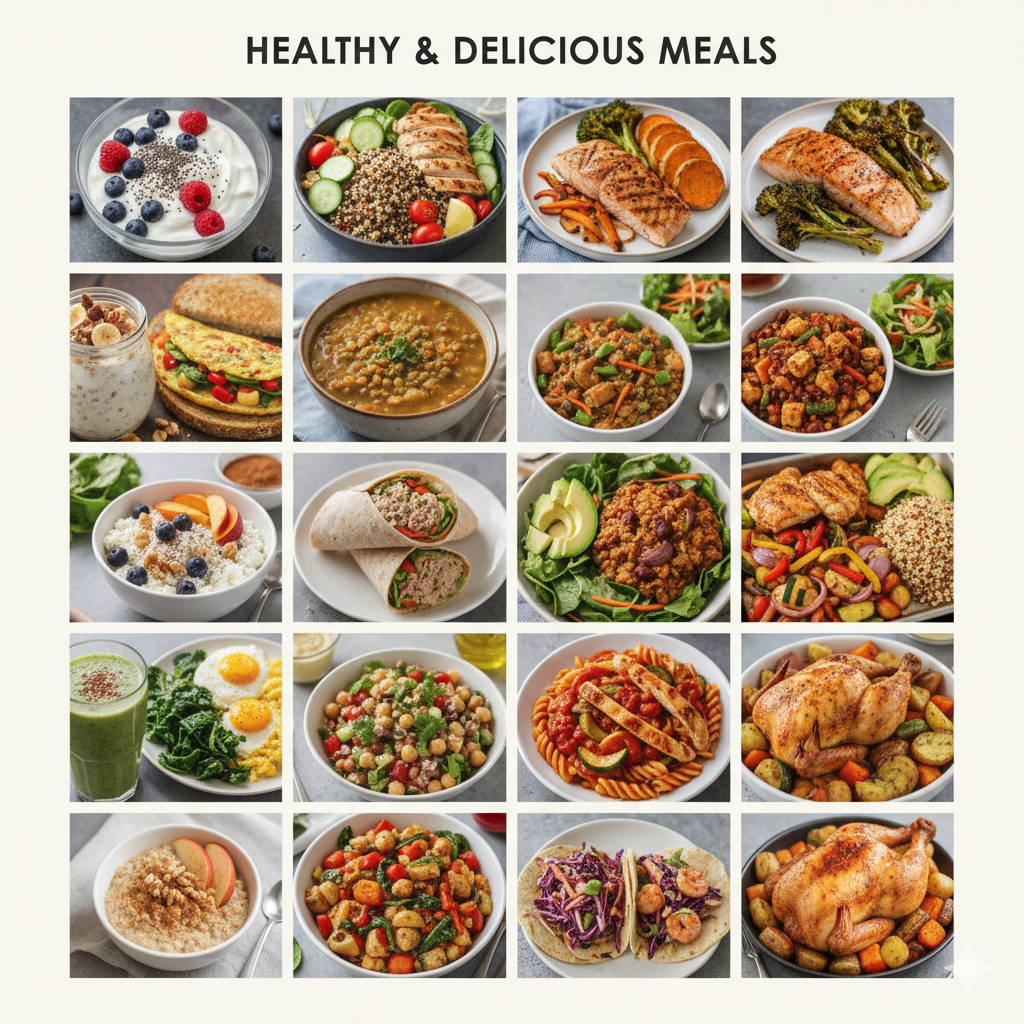
Simple Meal Prep Ideas for Busy Weekdays
Focus on modular meals you can assemble quickly. Build around a protein, a high-fiber carbohydrate, and colorful produce to maintain satiety and stable energy.
https://www.teepublic.com/t-shirt/53801480-yoga-meditation?store_id=2851997
- Overnight oats or chia pudding: Combine oats or chia with Greek yogurt or milk, add berries, and portion into jars for a grab-and-go breakfast.
- Protein-forward salads: Pre-wash greens, add cooked chicken, tuna, lentils, or chickpeas, and keep dressing separate to avoid sogginess.
- Grain bowls: Batch-cook quinoa or brown rice, add roasted vegetables, and rotate proteins (tofu, turkey, beans) for variety.
- Wraps with structure: Use whole-grain wraps, layer with hummus, lean protein, and crisp vegetables; wrap tightly in parchment for easy transport.
- Sheet-pan meals: Roast vegetables and a protein together; portion into containers for instant lunches.
To keep quick healthy meals truly quick, pre-portion two to three days at a time. This reduces waste and keeps flavors fresh without turning meal prep into a weekend-long project.
Best Portable Containers and Tools for On-the-Go Meals
Portability determines whether healthy intentions survive real life. The right tools protect texture, temperature, and convenience.
- Leakproof glass containers: Durable and stain-resistant, ideal for reheatable lunches and grain bowls.
- Bento-style boxes: Useful for portion control and variety, especially when packing snacks and small sides.
- Insulated food jar: Keeps oatmeal, soups, or chili warm—an effective alternative to drive-thru lunches.
- Small dressing and sauce cups: Prevents salads and wraps from becoming soggy while preserving flavor.
- Compact ice packs and an insulated tote: Essential for food safety and for making portable healthy snacks and meals practical.
Tip 2: Choose Smart Snacks Instead of Fast Food
Snacking can either stabilize your day or sabotage it. The difference lies in nutrient density. The most effective snacks combine protein and fiber, which helps control hunger and supports steady blood sugar—particularly valuable when you cannot predict your next full meal.
Healthy Snack Ideas You Can Pack and Carry Anywhere
Keep a rotation of healthy travel snacks that require little or no refrigeration. Stocking your bag, car, or carry-on prevents impulsive purchases.
- Single-serve nuts or trail mix: Choose versions without candy; add dried fruit for quick energy in small amounts.
- Roasted chickpeas or edamame: Crunchy, satisfying, and higher in protein than many packaged snacks.
- Jerky or meat sticks: Look for minimal ingredients and moderate sodium; pair with fruit for balance.
- Whole fruit: Apples, oranges, bananas, and grapes travel well and provide fiber and hydration.
- Greek yogurt or cottage cheese (when chilled): Pair with berries or cinnamon for a higher-protein option.
- Vegetable sticks with hummus: A reliable choice when you have an insulated bag and ice pack.
As a rule, if a snack leaves you hungrier 20 minutes later, it is likely heavy on refined carbohydrates and light on protein or fiber. Prioritize smart food choices that satisfy rather than stimulate cravings.
How to Read Labels and Avoid Hidden Sugars and Fats
Packaged foods can be deceptively marketed as “healthy.” A brief label check can save you from excess sugar and low-quality fats.
- Scan the ingredient list: Fewer ingredients usually indicates less processing. Watch for multiple forms of sugar (syrups, concentrates, dextrose).
- Check added sugars: Many granola bars and flavored yogurts contain sugar levels closer to dessert than snack.
- Evaluate fats: Prefer unsaturated fats from nuts, seeds, avocado, and olive oil. Limit snacks with frequent palm oil or partially hydrogenated fats.
- Assess fiber and protein: A more sustaining snack typically offers at least a few grams of both, depending on portion size.
Label literacy is a practical skill for healthy eating on the go, especially when convenience stores and airport kiosks offer limited fresh options.
Tip 3: Make Better Choices When Eating Out or Traveling
Eating out does not have to derail your nutrition. It simply requires a decision framework: choose grilled, baked, or steamed preparations; prioritize vegetables; and be strategic with sauces, beverages, and sides. These adjustments preserve enjoyment while supporting your goals.
Healthier Options to Order at Fast Food and Restaurants
Restaurants can accommodate healthier preferences when you order with clarity and simplicity.
- Prioritize lean proteins: Grilled chicken, fish, turkey, beans, or tofu are often available even in casual establishments.
- Upgrade the sides: Substitute fries with salad, fruit, or a baked potato when possible.
- Request sauces on the side: This single change can significantly reduce excess calories, sodium, and added sugars.
- Choose whole-food bowls and salads: Look for options built on greens, legumes, vegetables, and whole grains.
- Be mindful with beverages: Water, unsweetened tea, or sparkling water prevents hidden sugars from accumulating.
When navigating healthy fast food options, simplicity wins: fewer fried components, fewer creamy sauces, and a clear protein-and-produce foundation.
How to Eat Healthy at Airports, Gas Stations, and Convenience Stores
Travel hubs are designed for speed, not nutrition. Still, there are dependable choices if you know what to look for.
- Airports: Seek salad bars, made-to-order bowls, sushi, or breakfast items like eggs and oatmeal. Add fruit for fiber.
- Gas stations: Look for nuts, hard-boiled eggs, cheese sticks, fresh fruit, hummus cups, or plain yogurt. Many locations now carry protein packs.
- Convenience stores: Choose minimally processed items—tuna packs, whole-grain crackers, pre-cut vegetables, or bean-based snacks.
Use a simple rule: combine a protein with produce whenever possible. This approach makes eating out healthy tips actionable in real-world settings where ideal choices are rare.
Conclusion
Healthy habits do not require perfect conditions; they require thoughtful defaults. By preparing meals in advance, carrying portable healthy snacks, and making deliberate decisions when ordering or traveling, you can maintain steady energy and support long-term wellbeing—without sacrificing convenience.
Start with one change this week: prep two lunches, stock a small snack kit, or identify your go-to orders at common restaurants. Over time, these small systems compound into a reliable pattern of healthy eating on the go—one that works even on your busiest days.
Slither Arcade
Features
- Classic Gameplay: Grow your snake by eating apples while avoiding self-collision.
- Dynamic Difficulty: The game speed increases as you eat more food.
- Juicy Polish: Screen shakes on eating, pulsing food animations, and high-score tracking.
- Responsive Controls: Use Arrow keys, WASD, or swipe on touch devices/mouse.
- Visuals: Custom-generated stylized assets and a minimalist neon background.
How to play:
- Controls: Use Arrow Keys or WASD to change direction. On mobile, Swipe in the direction you want to turn.
- Objective: Eat the glowing red apples to grow and increase your score. The game ends if you collide with your own tail.
The snake wraps around the screen edges, allowing for strategic maneuvers! Enjoy your game.Controls Reminder: The golden apple slows time for 5 seconds
div style=”position: relative; width: 100%; height: 0; padding-bottom: 56.25%;”>