
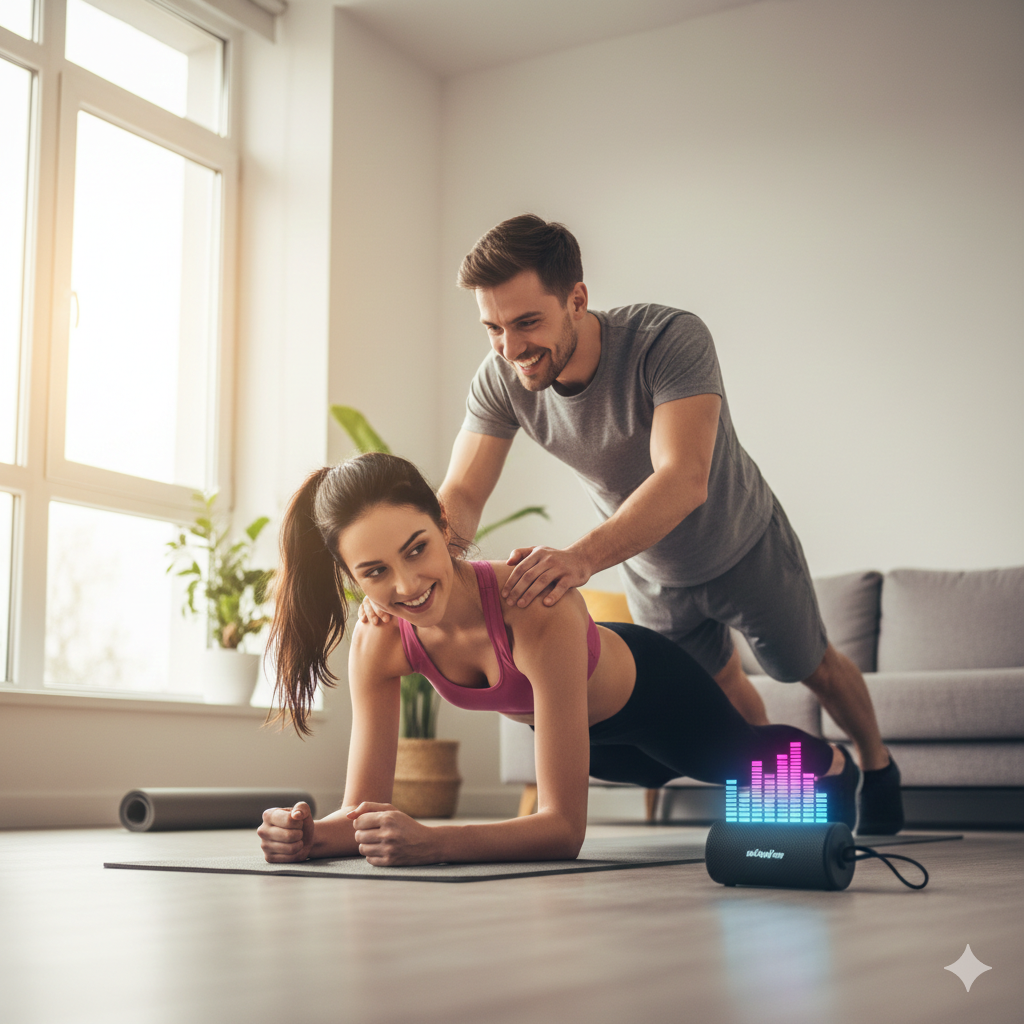
Training alone can be effective, but it is not always sustainable. Many people struggle with workout motivation, stall in progress, or simply lose interest over time. Partner workouts address these challenges by combining structured exercise with human connection, creating a training environment that is more engaging, more disciplined, and often more productive.
Whether you are seeking gym partner advantages, exploring couples workouts, or building an accountability partner fitness plan with a friend, exercising together can elevate both performance and consistency. Below, you will find the key benefits of partner workouts and a practical blueprint for starting partner exercise routines that fit any schedule or fitness level.
The Benefits of Partner Workouts
The Rise of Partner Workouts and Why They Work
The psychology behind exercising with a partner
Partner workouts work because they align with how people naturally build habits: through social reinforcement, shared expectations, and immediate feedback. When another person is involved, the training session gains a layer of commitment that is harder to dismiss than a solo plan. This is not simply “peer pressure.” It is a form of constructive social accountability that makes follow-through more likely, especially on low-energy days.
https://www.teepublic.com/t-shirt/57717944-eiffel-tower?store_id=2851997
There is also a performance effect. Many trainees push slightly harder when someone is watching, not out of vanity, but because attention sharpens focus. A partner can provide cues, encouragement, and timely corrections, all of which reduce mental friction. Over time, that reduction in friction becomes consistency, and consistency is what transforms effort into results.
Common types of partner workouts (gym, home, outdoor, classes)
Partner workouts appear in many formats, and the best choice depends on access, preference, and goals. In the gym, partners commonly spot lifts, alternate sets, or run paired circuits to maintain pace. At home, bodyweight and resistance band routines work well because they require minimal equipment and allow easy modifications.
Outdoors, partners can combine cardio with strength through running intervals, hill repeats, stair sessions, or park-based calisthenics. Group classes also lend themselves to partner structures, particularly in boxing, CrossFit-style sessions, and bootcamp formats where paired drills increase engagement and intensity. Regardless of location, the essential ingredient is a shared plan and an agreed standard of effort.
Physical Health Benefits of Partner Workouts
Increased workout intensity and improved performance
One of the most measurable benefits of partner workouts is improved output. Training alongside another person often increases effort during challenging moments—those final repetitions, the last interval, or the temptation to shorten rest periods. When done intelligently, that additional intensity translates into greater strength gains, improved conditioning, and more efficient sessions.
Partners also help maintain structure. Alternating sets can create natural rest timing and keep workouts moving without excessive downtime. In endurance training, a partner can set a steady pace that prevents both early burnout and undertraining. In short, you gain a built-in pacing mechanism that supports more consistent performance.
Better form, reduced injury risk, and faster progress
Quality movement is the foundation of long-term progress. A reliable partner can observe technique and identify issues you may not feel—collapsed posture in a squat, excessive lower-back arch during pressing, or compensations during lunges. Even small corrections reduce joint stress and improve muscle recruitment, which is essential for safer strength development.
In the gym, spotting and load management are significant gym partner advantages. A partner can assist with challenging lifts, provide a secure setup, and intervene when a set becomes unsafe. This support not only reduces injury risk but also makes progressive overload more practical, allowing you to attempt heavier loads with appropriate caution.
Mental and Emotional Benefits of Exercising with a Partner
Motivation, accountability, and consistency in training
Motivation is unreliable; systems are not. Partner workouts create a system through expectation and routine. When you agree to meet at a specific time, skipping becomes a decision that affects someone else—not merely a private lapse. This is why accountability partner fitness models are so effective: they transform training from an optional activity into a scheduled commitment.
Consistency improves because partners help each other navigate real-life disruptions. When work runs late or energy is low, a partner can suggest a shorter session instead of none at all. Over months, those “imperfect but completed” workouts accumulate into meaningful progress and a more stable training identity.
Reduced stress, improved mood, and stronger relationships
The mental health benefits of exercise are well established: physical activity can reduce stress, improve sleep quality, and support emotional resilience. Exercising with a partner amplifies these effects through social connection. Conversation, shared effort, and a sense of teamwork can reduce perceived stress and make demanding sessions feel more manageable.
For couples workouts, the value extends beyond fitness. Training together can strengthen communication, reinforce mutual support, and create a shared project with tangible milestones. Even outside romantic relationships, partner training often deepens friendships by building trust, celebrating progress, and practicing encouragement in a structured setting.
How to Get Started with Partner Workouts
Choosing the right workout partner and setting shared goals
The right partner is not necessarily the fittest person you know. The best choice is someone reliable, communicative, and aligned with your approach to training. Similar schedules matter more than similar strength levels, because consistency is the primary driver of results.
Begin with a brief conversation that clarifies expectations:
- Availability: Decide on days, start times, and session length.
- Goals: Weight loss, strength, endurance, mobility, or general health.
- Intensity preferences: Competitive push versus steady, conversational pace.
- Boundaries: Injury history, movement limitations, and recovery needs.
Set a shared goal that is specific and measurable, such as completing three workouts per week for eight weeks, adding a defined amount to a lift, or improving a 5K time. Pair it with individual goals so each person remains personally invested. Regular check-ins—brief reviews every two weeks—keep the plan realistic and prevent misunderstandings.
Best partner exercises and sample routines for all fitness levels
Effective partner exercise routines emphasize simplicity, safety, and smooth transitions. The best partner exercises typically fall into three categories: alternating sets (one works while the other rests), synchronized reps (both move together), and interactive drills (passing or mirroring patterns). Below are versatile options that adapt easily across environments.
Foundational partner-friendly exercises
- Alternating strength: Goblet squats, dumbbell presses, rows, deadlifts (with appropriate coaching and load selection).
- Bodyweight staples: Push-ups, split squats, lunges, glute bridges, planks.
- Conditioning formats: Interval runs, bike/row sprints, jump rope rounds, stair repeats.
- Interactive drills: Medicine ball passes, mirrored shadow boxing, resistance band partner rows (if trained properly).
Sample routine: Beginner (20–30 minutes, home or gym)
- Warm-up (5 minutes): Brisk walk or light cycle + dynamic mobility (hips, shoulders).
- Circuit (3 rounds, alternate stations):
- 10–12 bodyweight squats
- 8–10 incline push-ups (hands on bench or wall as needed)
- 10–12 hip hinges (light dumbbells or bodyweight)
- 20–30 seconds plank
- Finisher (5 minutes): 30 seconds fast / 30 seconds easy, repeated 5 times (walk, bike, or row).
Sample routine: Intermediate (35–45 minutes, gym)
How to Stay Active in Small Spaces
How to Meditate for Increased Patience
How to Create a Daily Wellness Checklist
How to Practice Mindful Listening
- Warm-up (8 minutes): Light cardio + activation (glutes, upper back) + ramp-up sets.
- Strength blocks (alternate sets):
- Block A: 4 sets of 6–8 reps dumbbell bench press + 4 sets of 8–10 reps one-arm rows
- Block B: 4 sets of 8–10 reps goblet squat + 4 sets of 10–12 reps Romanian deadlift (moderate load)
- Conditioning (10 minutes): 40 seconds work / 20 seconds rest alternating between bike and kettlebell deadlifts (or step-ups).
Sample routine: Advanced (45–60 minutes, strength + conditioning)
- Warm-up (10 minutes): Movement prep, technique rehearsal, progressive loading.
- Main lift (with spotting where appropriate): 5 sets of 3–5 reps squat or bench press, resting 2–3 minutes.
- Accessory superset (alternate): 4 sets of 8–12 reps pull-ups (or lat pulldown) + 4 sets of 8–12 reps split squats.
- Partner conditioning (12 minutes): “You go, I go” intervals—Partner A works 30 seconds while Partner B rests; switch for 12 rounds (rower, sled pushes, or hill sprints).
To keep partner workouts productive, prioritize clear counting, honest effort, and consistent technique standards. If one partner is significantly more advanced, adjust by changing load, range of motion, tempo, or repetitions rather than forcing identical prescriptions.
Conclusion
Partner workouts succeed because they combine physiology with psychology. They tend to increase training intensity, improve form, and reduce the likelihood of drifting through a session. Just as importantly, they support the mental health benefits of exercise by adding connection, structure, and shared momentum—often the missing pieces behind long-term adherence.
If you want better consistency, more reliable workout motivation, and a sustainable path to progress, start small: choose a dependable partner, set clear goals, and follow a simple plan. Over time, the benefits of partner workouts extend beyond the gym, strengthening confidence, discipline, and relationships through the steady practice of showing up together.

Clothing and other ittems