
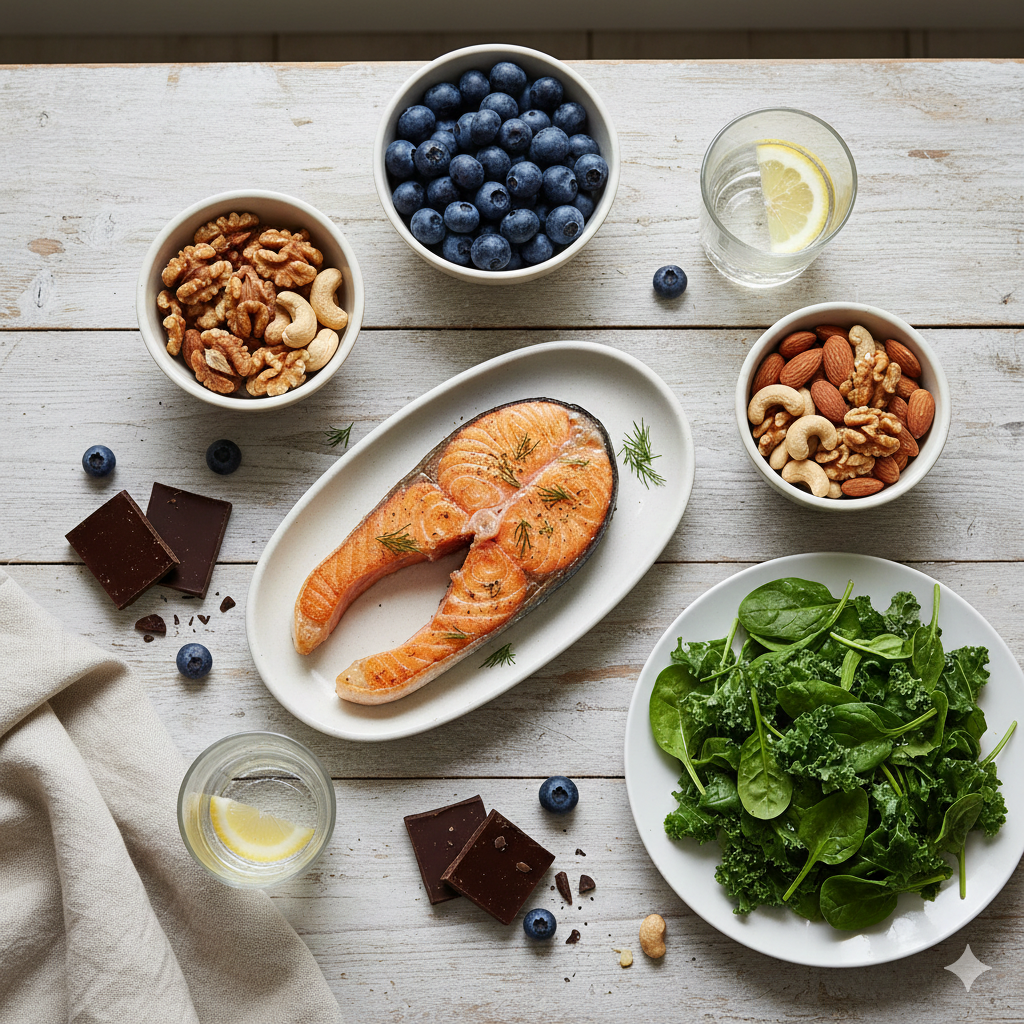
Sharper focus, faster recall, and sustained mental stamina are not merely products of genetics or willpower. They are strongly influenced by daily inputs—especially nutrition. A brain boosting diet plan does not need to be complicated; it needs to be consistent, nutrient-dense, and strategically built around foods for brain health that support neuronal structure, protect against oxidative stress, and stabilize energy. Below are the top 5 superfoods for brain power, along with practical ways to use them to improve memory naturally and enhance concentration over time.
1. Understanding Superfoods for Brain Power
What Are Brain-Boosting Superfoods?
“Superfood” is not a formal scientific category, yet it is a useful shorthand for ingredients with an unusually high concentration of beneficial compounds. In the context of brain power superfoods, that means foods rich in omega-3 fatty acids, polyphenols, antioxidants for brain protection, vitamins, minerals, and plant pigments that help counter inflammation and support neurotransmitter activity. These foods do not act as instant “smart pills.” Rather, they contribute to a healthier cognitive environment—supporting memory formation, attention, and long-term brain resilience.
How Nutrition Impacts Memory, Focus, and Cognitive Health
The brain is metabolically demanding. It relies on a steady supply of energy, a stable vascular system to deliver oxygen and nutrients, and adequate raw materials to maintain cell membranes and signaling pathways. Nutritional patterns that emphasize omega-3 rich foods, colorful plants, and minimally processed fats are consistently associated with better cognitive function. Conversely, diets heavy in refined sugars and ultra-processed fats can promote blood sugar volatility, oxidative stress, and inflammatory cascades that may undermine mental clarity and concentration.
In practical terms, the best superfoods for focus tend to do three things: reduce oxidative damage, support healthy blood flow, and provide structural fats and micronutrients needed for neurotransmission. The five foods below fit those criteria exceptionally well.
2. Top 5 Superfoods for Brain Power
1. Fatty Fish (Salmon, Mackerel, Sardines) for Omega-3s
Fatty fish are among the most reliable omega-3 rich foods, supplying EPA and DHA—fats that are integral to neuronal membranes and linked to synaptic plasticity, the brain’s ability to adapt and learn. DHA, in particular, is abundant in the brain and supports communication between nerve cells. Regular intake of fatty fish has been associated in many studies with better cognitive aging outcomes and may contribute to steadier mood and attention.
https://www.teepublic.com/t-shirt/50453003-hedgehog?store_id=2851997
How to use it: Aim for two servings per week. Choose wild-caught when possible, and vary species to diversify nutrients. If you do not eat fish, discuss algae-based DHA supplements with a clinician, especially if your goal is to support nutrition for cognitive function over the long term.
2. Blueberries for Antioxidants and Neuroprotection
Blueberries are a flagship choice among foods to improve concentration because they are dense in anthocyanins—polyphenols responsible for their deep color and much of their neuroprotective reputation. These compounds help neutralize free radicals and may support signaling pathways involved in memory and learning. Blueberries also offer fiber, which moderates glucose response—a subtle but meaningful factor for sustained mental energy.
How to use it: Add a handful to oatmeal, yogurt, or smoothies, or keep frozen berries on hand for year-round convenience. Pairing blueberries with protein or healthy fat can further smooth energy release, which is useful during demanding work periods.
3. Walnuts and Other Nuts for Healthy Fats and Brain Function
Nuts are compact sources of healthy fats, minerals, and plant compounds. Walnuts stand out because they provide alpha-linolenic acid (ALA), a plant-based omega-3, along with polyphenols that may support vascular and anti-inflammatory pathways. Almonds, pistachios, and hazelnuts also contribute vitamin E, magnesium, and other micronutrients frequently associated with brain maintenance and cognitive performance.
How to use it: A small daily portion—roughly a handful—can be sufficient. Choose unsalted or lightly salted options to manage sodium intake. Nuts are especially valuable as a replacement for refined snack foods, improving both satiety and nutrient density.
4. Dark Leafy Greens (Spinach, Kale) for Vitamins and Folate
Dark leafy greens are foundational foods for brain health. They deliver folate, vitamin K, lutein, magnesium, and nitrates that may support circulation and cellular function. Folate is particularly relevant to methylation processes involved in neurotransmitter synthesis, while antioxidants and carotenoids help counter cumulative oxidative stress. In many dietary patterns associated with preserved cognition, leafy greens are consumed regularly and in meaningful portions.
How to use it: Incorporate a serving daily through salads, sautéed greens, soups, or blended sauces. For better nutrient absorption of fat-soluble compounds, combine greens with olive oil, avocado, eggs, or nuts.
5. Dark Chocolate and Cocoa for Flavonoids and Mental Performance
High-cocoa dark chocolate and unsweetened cocoa are notable for flavonoids that may support endothelial function and cerebral blood flow—an important mechanism for alertness and mental performance. Cocoa also contains small amounts of caffeine and theobromine, which can enhance perceived energy and attention when used judiciously. The key is quality and restraint: the benefits are tied to cocoa content, not sugar.
How to use it: Choose dark chocolate with at least 70% cocoa or use unsweetened cocoa powder in smoothies and oatmeal. Keep portions modest to avoid excess calories and added sugars that could blunt the cognitive advantages.
3. How to Add Brain-Boosting Superfoods to Your Daily Diet
Simple Meal Ideas and Snack Combinations
Consistency matters more than culinary complexity. The most effective brain boosting diet plan is the one you can repeat with minimal friction. Consider these practical combinations that integrate multiple brain power superfoods at once:
- Breakfast: Greek yogurt topped with blueberries, chopped walnuts, and a light dusting of unsweetened cocoa.
- Lunch: Spinach and kale salad with salmon, olive oil, lemon, and a handful of nuts for added crunch and satiety.
- Snack: A small portion of dark chocolate paired with walnuts or almonds to balance energy and appetite.
- Dinner: Sardines or mackerel with sautéed leafy greens and a side of roasted vegetables for additional antioxidants for brain support.
- Quick option: Smoothie with spinach, frozen blueberries, cocoa powder, and a protein source to stabilize blood sugar.
These combinations also naturally reduce reliance on refined snacks, which often worsen energy fluctuations and undermine focus.
Best Times to Eat Superfoods for Focus, Energy, and Sleep
Timing is not a substitute for quality, yet it can sharpen results—particularly for people seeking foods to improve concentration during peak cognitive hours:
- For morning focus: Pair blueberries with protein and healthy fat to avoid mid-morning crashes. Add a small amount of cocoa if you tolerate mild stimulants well.
- For afternoon steadiness: Nuts and leafy greens at lunch support sustained energy and provide micronutrients without the sluggishness that can follow heavy, refined meals.
- For evening recovery: Fatty fish at dinner can be a strategic choice for omega-3 intake. If sleep is sensitive, keep dark chocolate earlier in the day and avoid large portions late at night.
Ultimately, the best schedule is individualized. Monitor how caffeine, cocoa, and meal size affect your alertness and sleep quality, then adjust accordingly.
4. Lifestyle Tips to Maximize the Benefits of Brain Superfoods
Pairing Superfoods with Exercise, Sleep, and Stress Management
Nutrition for cognitive function works best when paired with supportive habits. Exercise improves blood flow, insulin sensitivity, and neurotrophic signaling—all of which complement a diet rich in omega-3s and polyphenols. Sleep consolidates memory and helps regulate appetite hormones that influence food choices the next day. Stress management is equally critical; chronic stress can impair attention, disrupt sleep, and drive cravings for refined comfort foods.
To make your superfood choices more impactful, combine them with a short daily walk, strength training several times per week, and a consistent sleep window. Even modest improvements in these areas can amplify the perceived benefits in focus and mental stamina.
Long-Term Habits for Protecting Brain Health and Preventing Cognitive Decline
Brain health is cumulative. The goal is not occasional bursts of “perfect eating,” but a durable pattern that is enjoyable and realistic. Consider these high-leverage habits:
- Prioritize variety: Rotate fish types, mix different nuts, and alternate greens to broaden micronutrient intake and reduce dietary monotony.
- Stabilize blood sugar: Build meals around protein, fiber, and healthy fats to prevent spikes and crashes that impair concentration.
- Reduce ultra-processed foods: Replacing refined snacks with nuts, berries, or yogurt is a straightforward step toward better cognitive steadiness.
- Plan for adherence: Keep frozen blueberries, canned sardines, bagged greens, and a quality dark chocolate on hand to make brain-healthy choices automatic.
These practices support not only short-term performance but also the long arc of cognitive resilience, particularly when maintained across years.
How to Create a Fitness Vision Board
How to Meditate for Self-Discovery
The Best Outdoor Sports for Summer
The Best Fitness Programs for Weight Loss
Conclusion
The top 5 superfoods for brain power—fatty fish, blueberries, nuts (especially walnuts), dark leafy greens, and dark chocolate—offer a practical, evidence-aligned foundation for better mental performance. They supply omega-3s for neuronal structure, antioxidants for brain protection, and micronutrients that sustain focus and memory. When integrated into daily meals and supported by exercise, sleep, and stress control, these foods for brain health become more than a trend; they become a dependable strategy to improve memory naturally and support concentration for the long term.
Slither Arcade
Features
- Classic Gameplay: Grow your snake by eating apples while avoiding self-collision.
- Dynamic Difficulty: The game speed increases as you eat more food.
- Juicy Polish: Screen shakes on eating, pulsing food animations, and high-score tracking.
- Responsive Controls: Use Arrow keys, WASD, or swipe on touch devices/mouse.
- Visuals: Custom-generated stylized assets and a minimalist neon background.
How to play:
- Controls: Use Arrow Keys or WASD to change direction. On mobile, Swipe in the direction you want to turn.
- Objective: Eat the glowing red apples to grow and increase your score. The game ends if you collide with your own tail.
The snake wraps around the screen edges, allowing for strategic maneuvers! Enjoy your game.Controls Reminder: The golden apple slows time for 5 seconds