
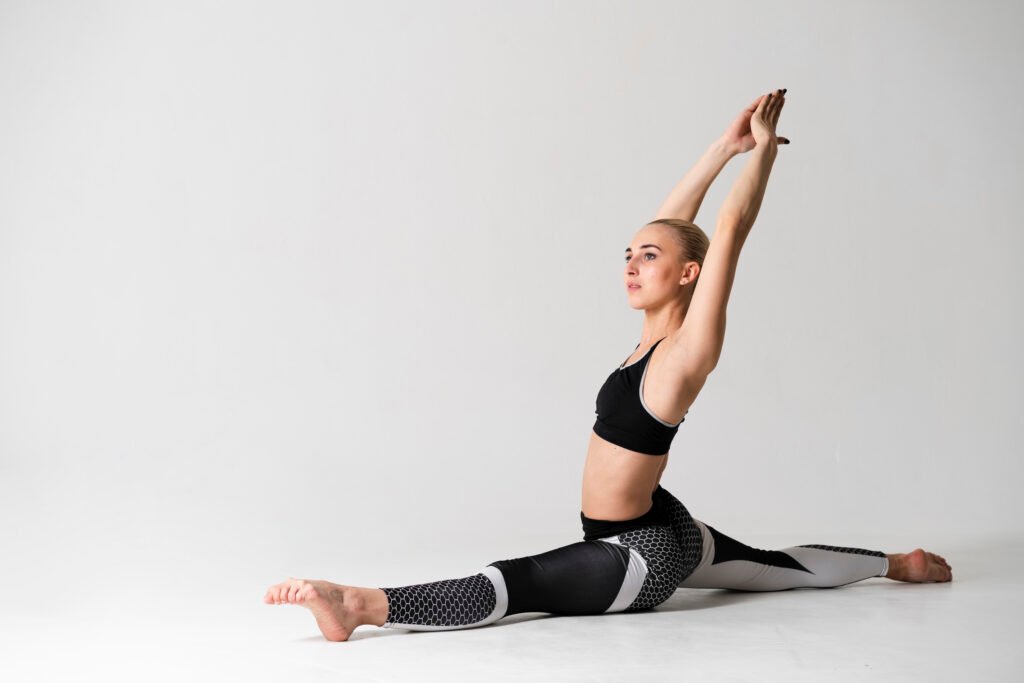
Evenings often carry the residue of the day: tight shoulders from desk work, heavy hips from sitting, and a mind that continues to rehearse tomorrow’s obligations. A well-designed session of stretching before bed offers a practical way to release that accumulation. Done correctly, a bedtime stretching routine can quiet muscular tension, soften stress responses, and create the physical and psychological conditions that support restorative sleep—without medication or complex tools.
The Benefits of Stretching Before Bed
Understanding Nighttime Stretching
What Is a Bedtime Stretching Routine?
A bedtime stretching routine is a brief sequence—typically 5 to 15 minutes—of gentle, controlled movements and sustained holds designed to prepare the body for rest. Unlike athletic flexibility training, the goal is not maximal range of motion. Instead, it prioritizes comfort, smooth breathing, and gradual release of commonly tense areas such as the neck, chest, hips, hamstrings, and lower back.
Effective nighttime flexibility exercises are usually low-intensity and static (holding a stretch) or slow dynamic (moving carefully through a comfortable range). The emphasis is on downshifting the nervous system rather than stimulating it, making it easier to relax before sleep.
https://www.teepublic.com/t-shirt/50508294-zen?store_id=2851997
How Stretching Before Sleep Differs from Morning Stretching
Morning stretching often supports alertness and readiness for movement. It may be more dynamic, aiming to increase circulation and mobility for the day ahead. In contrast, stretching for better sleep is intentionally calming. It favors longer exhalations, slower transitions, and milder intensity to avoid raising heart rate or activating a “performance” mindset.
Nighttime sessions also reflect the body’s end-of-day state. Muscles can be fatigued or mildly inflamed from repetitive tasks, exercise, or prolonged sitting. That reality calls for restraint: gentler holds, fewer deep end-range positions, and an approach oriented toward easing rather than pushing.
Key Health Benefits of Stretching Before Bed
Physical Benefits: Reduced Muscle Tension and Better Flexibility
One of the most immediate benefits of stretching in the evening is the perception of release—particularly in postural muscles that remain subtly contracted throughout the day. A consistent practice can reduce muscle tension at night by encouraging muscles to lengthen gradually and by improving the body’s tolerance to relaxed positions.
Over time, gentle nightly work can also support better baseline mobility. While flexibility is influenced by many factors—tissue properties, joint structure, and nervous system guarding—regular, comfortable stretching helps you maintain functional range of motion. For people who sit frequently, bedtime attention to hip flexors, hamstrings, calves, and the thoracic spine can be especially useful, counterbalancing stiffness that accumulates across working hours.
Additionally, stretching can improve body awareness. Noticing where you habitually grip—jaw, shoulders, hands, or hips—creates opportunities to release those patterns before they consolidate overnight.
Mental Benefits: Stress Relief, Relaxation, and Improved Sleep Quality
A thoughtfully paced stretching sequence is also a form of attention training. It asks you to slow down, observe sensation without urgency, and coordinate movement with breathing. This combination can serve as stretching for stress relief, shifting focus away from rumination and toward the present moment.
By reducing arousal and encouraging deliberate breathing, bedtime stretching may help you improve sleep quality naturally. Many people find it easier to disengage from screens and mentally taxing tasks when they adopt a predictable physical ritual. Over weeks, the routine itself becomes a cue for sleep—an embodied signal that the day is ending and recovery is beginning.
How Stretching Before Bed Improves Sleep
The Science Behind Stretching and Sleep
Sleep is influenced by the balance between the sympathetic nervous system (associated with vigilance) and the parasympathetic nervous system (associated with rest and restoration). Gentle stretching, especially when paired with slow nasal breathing and extended exhalations, can support a parasympathetic tilt. This shift tends to lower perceived stress and may reduce the physical restlessness that delays sleep onset.
Stretching can also contribute indirectly by easing discomfort. Minor aches, tightness, or positional strain often become more noticeable when you lie down. If a brief routine reduces that background discomfort, it becomes easier to fall asleep and to remain asleep without frequent micro-awakenings.
Common Sleep Problems Helped by Bedtime Stretching
While it is not a substitute for medical care, stretching before bed can be a helpful adjunct for several common sleep obstacles:
- Difficulty winding down: A calming sequence provides a structured transition from work mode to rest.
- Restlessness from muscle tightness: Targeted stretches may reduce the urge to shift positions repeatedly.
- Stress-related tension: Releasing the neck, shoulders, and jaw can lessen the physical imprint of anxiety.
- Discomfort from prolonged sitting: Hip and lower-back focused mobility can make supine or side-lying positions more comfortable.
If pain is sharp, radiating, or worsening, or if sleep disruption is persistent, it is wise to consult a qualified clinician. Bedtime stretching should feel soothing, not provocative.
How to Start a Safe Bedtime Stretching Routine
Best Types of Stretches to Do Before Bed
The best evening stretches are those that downshift intensity and focus on common tight regions. Choose positions you can sustain calmly for 20 to 60 seconds while breathing slowly. The following options are widely tolerated and fit well into a bedtime stretching routine:
- Neck and upper trapezius stretch: Gentle side-bending of the head with relaxed shoulders to ease desk-related tension.
- Chest (pectoral) opener: A doorway or wall-supported stretch to counter rounded posture and promote easier breathing.
- Seated or supine hamstring stretch: Performed with a strap or towel to avoid pulling aggressively on the back.
- Hip flexor stretch: A supported lunge or kneeling variation to offset long periods of sitting.
- Figure-four glute stretch: Useful for hips and piriformis tightness, often linked to lower-back discomfort.
- Child’s pose or a gentle forward fold: A calming position that can relax the spine when done without strain.
- Supine spinal twist: A mild rotation to relieve back stiffness; keep it small and comfortable.
As a general guideline, avoid intense end-range stretching right before sleep, especially if it triggers cramping or a strong “pull.” Nighttime flexibility exercises should remain in a zone of mild to moderate sensation, never pain. If you have hypermobility or joint instability, prioritize stability-focused mobility and consult a professional for personalized recommendations.
Tips for Creating a Consistent Nightly Stretching Habit
Consistency matters more than complexity. To make stretching a reliable part of your evening, build a routine that is easy to start and difficult to derail:
- Keep it brief: Five minutes done nightly is more effective than a long session performed sporadically.
- Anchor it to an existing habit: Stretch after brushing your teeth or immediately after shutting down your devices.
- Dim the environment: Lower lighting supports a sleep-oriented atmosphere and encourages you to slow down.
- Breathe intentionally: Inhale quietly through the nose, exhale longer than you inhale, and let the exhale soften muscle tone.
- Use props: A pillow under the knees, a folded towel, or a strap can reduce strain and improve alignment.
- Track the effect, not perfection: Note whether you fall asleep more easily or wake less often; adjust stretches based on comfort.
Finally, treat the routine as a signal rather than a workout. The purpose is to relax before sleep, not to chase maximum flexibility. A calm body is often a more sleep-ready body.
Conclusion
Incorporating stretching before bed is a straightforward, evidence-aligned strategy for supporting both physical ease and mental decompression. By reducing muscle tension at night, enhancing comfortable mobility, and promoting a calmer nervous system, a nightly stretching practice can become a dependable bridge between the demands of the day and the quiet of sleep. Start modestly, stay gentle, and prioritize consistency. With time, this simple ritual can help you improve sleep quality naturally while cultivating a more relaxed relationship with rest.
How to Create a Fitness Vision Board
How to Stay Fit with Limited Equipment
Top 5 Tips for Staying Hydrated During Workouts
Top 10 Foods for Better Digestion
The Best Workout Playlists for Motivation
Slither Arcade
Features
- Classic Gameplay: Grow your snake by eating apples while avoiding self-collision.
- Dynamic Difficulty: The game speed increases as you eat more food.
- Juicy Polish: Screen shakes on eating, pulsing food animations, and high-score tracking.
- Responsive Controls: Use Arrow keys, WASD, or swipe on touch devices/mouse.
- Visuals: Custom-generated stylized assets and a minimalist neon background.
How to play:
- Controls: Use Arrow Keys or WASD to change direction. On mobile, Swipe in the direction you want to turn.
- Objective: Eat the glowing red apples to grow and increase your score. The game ends if you collide with your own tail.
The snake wraps around the screen edges, allowing for strategic maneuvers! Enjoy your game.Controls Reminder: The golden apple slows time for 5 seconds