
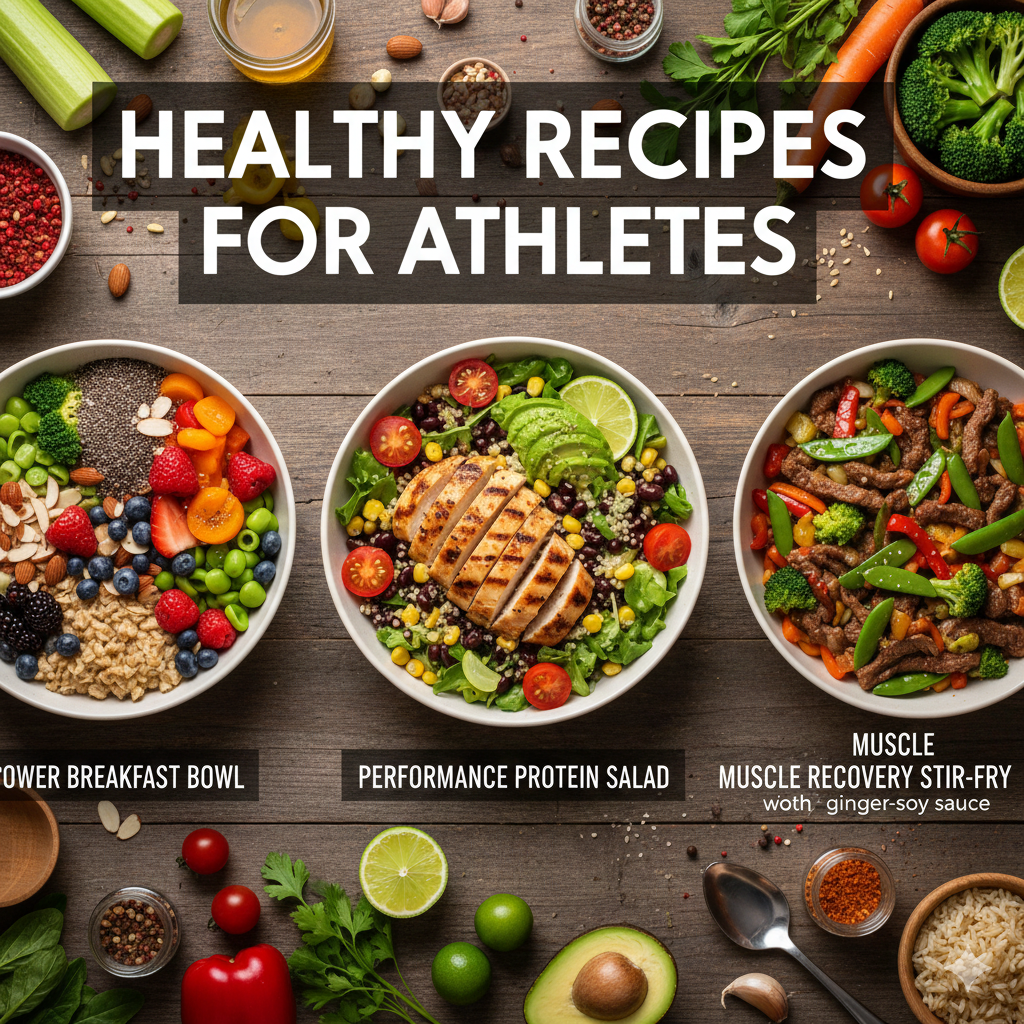
Top 10 Healthy Recipes for Athletes
Consistent training demands more than discipline; it requires deliberate fueling. The best healthy recipes for athletes do not simply “fit macros”—they stabilize energy, protect lean mass, and accelerate recovery while remaining practical for real schedules. The recipes below emphasize whole-food ingredients, performance-oriented macronutrients, and streamlined prep so you can eat with purpose whether you are building strength, increasing mileage, or sharpening speed.
Why Nutrition Matters for Athletic Performance
Training creates a controlled stress that the body adapts to—if it has the raw materials to do so. Adequate protein supports muscle repair and remodeling, carbohydrate replenishes glycogen for repeat efforts, and dietary fats provide hormonal support and long-duration energy. Micronutrients and hydration underpin everything from oxygen transport to neuromuscular function. In short, your workouts are the stimulus; nutrition is the construction site.
Key Macronutrients Athletes Need Daily
- Protein: Essential for muscle repair and immune resilience. Most athletes thrive when protein is distributed across meals rather than concentrated at dinner.
- Carbohydrates: Primary fuel for high-intensity work and endurance. Prioritize complex sources, then use faster carbs strategically around training.
- Fats: Support hormones, satiety, and absorption of fat-soluble vitamins. Focus on unsaturated fats, especially omega-3s.
1. High-Protein Breakfast Power Bowl
Ingredients and Nutritional Benefits
- 200 g plain Greek yogurt (or skyr)
- 1 scoop whey or plant protein (optional for extra protein)
- 1/2 cup berries
- 1 tbsp chia seeds
- 1 tbsp chopped walnuts or almonds
- 1/4 cup cooked oats or granola (choose low-sugar)
- Cinnamon and a pinch of salt
This bowl is a reliable entry in the rotation of high protein meals for athletes. Greek yogurt provides leucine-rich protein for muscle protein synthesis, chia contributes fiber and omega-3 fats, and berries deliver polyphenols that may help manage training-related oxidative stress.
Step-by-Step Preparation and Meal Prep Tips
- Stir yogurt with cinnamon and a pinch of salt. Add protein powder if using.
- Layer yogurt with oats or granola, then top with berries, chia, and nuts.
- Let sit 5–10 minutes to thicken, or refrigerate overnight for a denser texture.
Meal prep: Portion dry toppings into small containers for three to five days. Keep yogurt and berries separate until serving to preserve texture.
2. Complex Carb Oatmeal with Superfood Toppings
Best Toppings for Energy and Recovery
- 1/2 cup rolled oats
- 1 cup milk or fortified soy milk
- 1/2 banana, sliced
- 1 tbsp ground flaxseed
- 1 tbsp pumpkin seeds
- 1 tsp cocoa powder or cacao nibs
- Optional: honey or maple syrup (1 tsp) after intense sessions
Oats supply slow-release carbohydrate, making this a dependable option among high energy meals for runners and field-sport athletes alike. Flaxseed and pumpkin seeds add minerals commonly stressed by training, including magnesium and zinc.
How to Customize for Different Training Goals
- For endurance blocks: Add extra banana, raisins, or a spoon of jam for higher carbohydrate density.
- For strength phases: Stir in a scoop of protein or top with cottage cheese to increase protein without excessive volume.
- For weight management: Emphasize berries and cinnamon; keep sweeteners minimal and add extra fiber via chia.
3. Lean Chicken and Quinoa Performance Bowl
Ideal Macronutrient Ratios for Athletes
- 150–200 g cooked chicken breast (or thigh if you need more calories)
- 3/4 cup cooked quinoa
- 1–2 cups mixed greens
- 1/2 cup cherry tomatoes
- 1/2 avocado (or 1 tbsp olive oil)
- Lemon juice, garlic, black pepper
This bowl balances protein, complex carbohydrates, and fats in a format that works for most training days. Quinoa provides carbohydrate plus additional protein, while greens and tomatoes contribute potassium and vitamin C—useful for connective tissue support.
Portion Control and Storage Guidelines
Portioning: Increase quinoa to 1–1.5 cups on high-volume days; reduce to 1/2 cup for lighter sessions. Keep fats steady for satiety unless you need rapid digestion pre-training.
Storage: Refrigerate components separately up to four days. Add avocado and lemon just before eating to prevent browning and maintain texture—an efficient approach to athlete meal prep ideas.
4. Omega-3 Packed Salmon and Sweet Potato Plate
Anti-Inflammatory Benefits for Athletes
- 150–200 g salmon fillet
- 1 medium sweet potato
- 1–2 cups broccoli or asparagus
- 1 tsp olive oil
- Dill, lemon, black pepper, garlic
Salmon is a cornerstone of clean eating recipes for athletes, providing omega-3 fats that support recovery and may help modulate inflammation. Sweet potatoes deliver glycogen-friendly carbohydrate with beta-carotene, while cruciferous vegetables add fiber and micronutrient density.
Cooking Methods to Preserve Nutrients
- Best method: Bake salmon at 190°C/375°F for 12–15 minutes to avoid drying and preserve delicate fats.
- Sweet potato: Roast whole for minimal nutrient loss and better texture.
- Vegetables: Steam lightly or roast quickly; avoid overcooking to preserve vitamin C and folate.
5. Muscle-Building Turkey and Brown Rice Skillet
Seasoning Ideas Without Extra Sodium
- 450 g lean ground turkey
- 2 cups cooked brown rice
- 1 bell pepper, diced
- 1 zucchini, diced
- 1 cup crushed tomatoes (no-salt-added if possible)
- Smoked paprika, cumin, oregano, black pepper, garlic
This one-pan option is a practical answer to “what can I cook that supports muscle building meals without complexity?” Use smoked paprika, cumin, citrus, and fresh herbs to build depth while keeping sodium controlled.
How to Scale the Recipe for Bulk Meal Prep
Double the ingredients and cook in a wide pan to maintain browning rather than steaming. Portion into containers with an extra side of vegetables if needed. Refrigerate up to four days or freeze up to two months. Add a squeeze of lime after reheating for brightness.
6. Plant-Based Lentil and Veggie Power Stew
Complete Proteins for Vegan Athletes
- 1 cup dry lentils (or 2.5 cups cooked)
- 1 onion, chopped
- 2 carrots, chopped
- 2 celery stalks, chopped
- 3 cups vegetable broth
- 2 cups spinach or kale
- 1 tsp turmeric, 1 tsp cumin, black pepper
Lentils provide substantial protein and iron, while turmeric and black pepper add a performance-friendly anti-inflammatory angle. For a “complete” amino acid profile, serve with brown rice, quinoa, or whole-grain bread—an easy way to broaden the value of balanced diet for athletes.
Smart Swaps for Different Dietary Needs
- Higher calories: Stir in olive oil or top with pumpkin seeds.
- Lower FODMAP approach: Use canned lentils (rinsed) and omit onion/garlic; season with infused oil and herbs.
- Extra protein: Add cubed tofu or tempeh near the end to preserve texture.
7. Pre-Workout Banana and Nut Butter Toast
Ideal Timing Before Training or Competition
- 1–2 slices whole-grain toast
- 1 tbsp peanut or almond butter
- 1 banana, sliced
- Optional: drizzle of honey; pinch of salt
This is one of the most dependable pre workout snack recipes because it combines easily digested carbohydrates with a modest amount of fat for satiety. For most athletes, 60–90 minutes before training is ideal; closer to the session, use one slice of toast and a thinner spread for faster gastric emptying.
Variations for Gluten-Free and Low-Sugar Diets
- Gluten-free: Use certified gluten-free bread or rice cakes.
- Lower sugar: Replace half the banana with berries; skip honey and use cinnamon for perceived sweetness.
- Higher sodium needs (heavy sweaters): Add a pinch of salt to support fluid balance.
8. Post-Workout Recovery Smoothie
Best Fruits, Proteins, and Add-Ins
- 1 cup milk, kefir, or fortified soy milk
- 1 scoop whey or plant protein
- 1 cup frozen berries or mango
- 1/2 banana
- 1 tbsp oats or chia seeds
A well-built smoothie is among the most efficient post workout recovery recipes, especially when appetite lags after intense sessions. Pairing protein with carbohydrate helps replenish glycogen and supports repair; berries contribute antioxidants, and oats add sustained carbohydrate.
Hydration and Electrolyte Boosting Options
- Blend with coconut water or add a small pinch of salt for sodium.
- Add spinach for potassium and additional micronutrients without overpowering flavor.
- For long sessions, add a tablespoon of honey to increase rapid carbohydrate availability.
9. High-Protein Greek Yogurt Parfait Snack
Topping Combinations for Different Sports
- 200 g plain Greek yogurt
- 1/2 cup fruit (berries, kiwi, or pineapple)
- 2 tbsp high-fiber cereal or homemade granola
- 1 tbsp hemp seeds or sliced almonds
This snack delivers protein in a compact serving, making it useful between meetings, classes, or double sessions. For endurance athletes, emphasize fruit and cereal for extra carbohydrate; for strength athletes, add additional seeds or a small drizzle of nut butter to increase calories without excessive volume.
How to Reduce Added Sugar While Keeping Flavor
- Choose plain yogurt and sweeten naturally with ripe fruit.
- Use cinnamon, vanilla extract, or citrus zest for aromatic sweetness.
- Avoid flavored granolas; opt for toasted oats with nuts and minimal sweetener.
10. Slow-Cooker Beef and Veggie Recovery Chili
Why Slow-Cooked Meals Support Muscle Repair
- 450–700 g lean beef (or extra-lean ground beef)
- 1 can beans, rinsed (kidney or black beans)
- 1 can diced tomatoes
- 1 onion and 1 bell pepper, chopped
- 2 cups chopped carrots or sweet potato cubes
- Chili powder, cumin, smoked paprika, black pepper
Slow cooking tenderizes protein and concentrates flavor without requiring heavy added fats. The result is a comfort-forward, nutrient-dense meal that fits neatly into high protein meals for athletes, delivering iron, zinc, and substantial carbohydrate when paired with rice or potatoes.
Freezing, Reheating, and Batch Cooking Tips
- Batch cook: Prepare a double batch on a rest day for hands-off fueling during the week.
- Freeze: Cool fully, then freeze in single-serve portions for up to three months.
- Reheat: Add a splash of broth or water when reheating to restore texture; finish with lime and fresh cilantro.
How to Plan a Weekly Athlete Meal Plan
Balancing Recipes Around Training Schedule
Effective planning aligns food choices with workload. Use higher-carbohydrate meals (oatmeal, quinoa bowls, sweet potatoes, chili with rice) on intense or high-volume days to reinforce performance. On lighter days, keep protein consistent while slightly reducing starch portions and emphasizing vegetables. Place your most digestible pre workout snack recipes before key sessions, and prioritize post workout recovery recipes when training density is high or turnaround time is short.
Grocery List and Budget-Friendly Strategies
- Proteins: Greek yogurt, eggs, chicken, canned tuna/salmon, lean ground turkey, tofu/tempeh, beans, lentils.
- Carbohydrates: Oats, brown rice, quinoa, potatoes/sweet potatoes, whole-grain bread, fruit.
- Fats: Olive oil, chia/flax, nuts and nut butter, avocado (buy frozen if needed).
- Vegetables: Frozen berries and mixed vegetables for cost control; fresh greens for quick meals.
To reduce cost without sacrificing quality, buy staples in bulk (oats, rice, lentils), rely on frozen produce for smoothies and bowls, and rotate two core proteins each week. This approach keeps athlete meal prep ideas sustainable while maintaining variety.
Conclusion
Performance nutrition is most effective when it is repeatable. These ten recipes offer a practical framework for clean eating recipes for athletes—from quick snacks to substantial dinners—while supporting strength gains, endurance, and recovery. Choose two breakfasts, two mains, one pre-workout option, and one recovery staple to start, then refine portions based on training demands. Over time, consistency in the kitchen becomes a competitive advantage on the field, track, or platform.