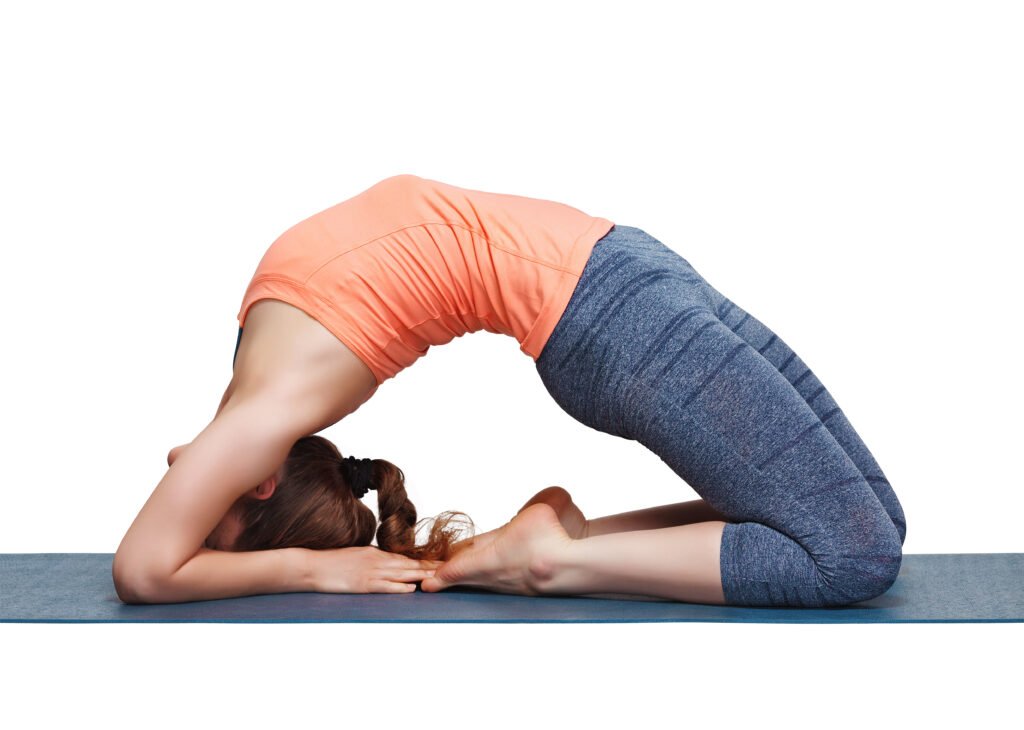
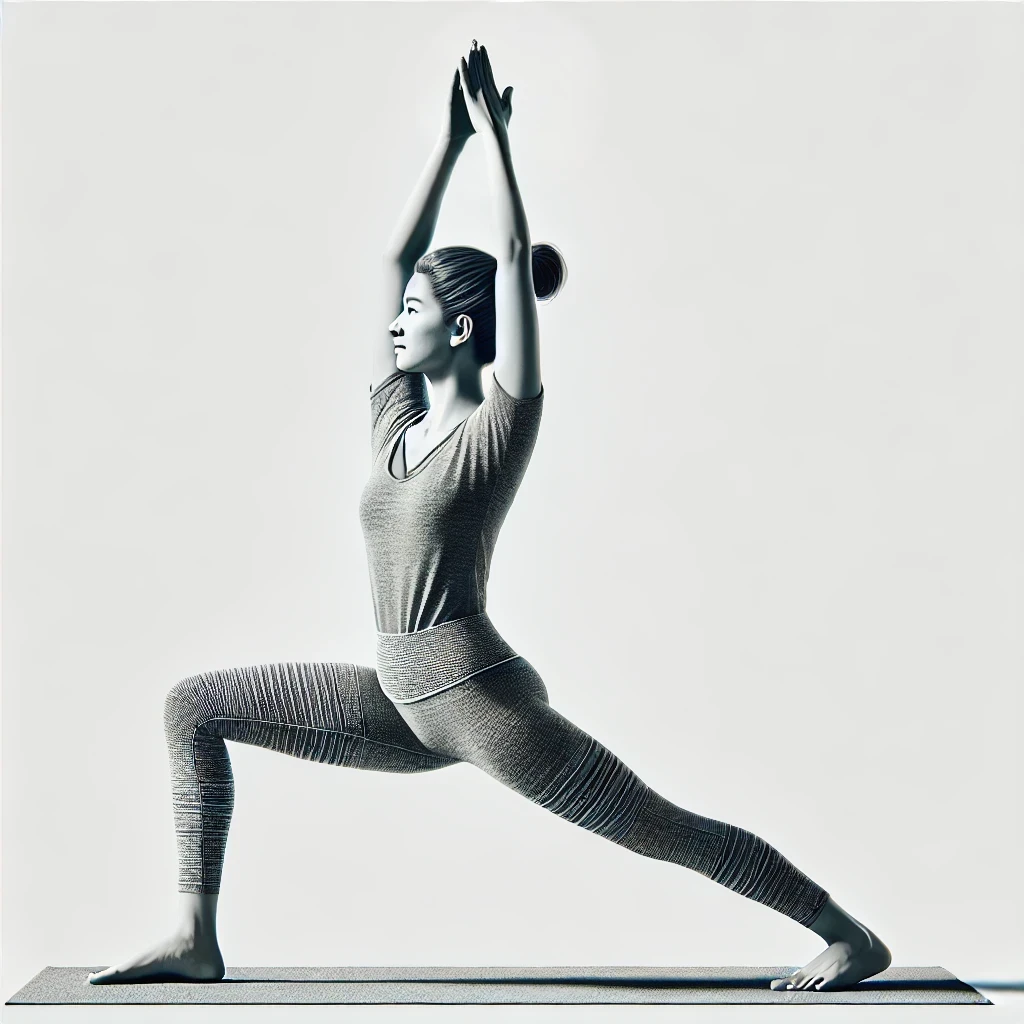
Modern life encourages slouching—over keyboards, steering wheels, and screens. Over time, this habitual positioning can alter spinal curves, tighten the chest, weaken postural muscles, and contribute to neck tension or back discomfort. Yoga offers an effective, accessible way to restore balance: it strengthens what is underused, lengthens what is overworked, and trains the nervous system to recognize and choose healthier alignment. If you are looking for yoga for posture that is practical and sustainable, the approach below combines posture correction exercises, targeted yoga poses for better posture, and supportive lifestyle strategies.
Understanding Posture and Yoga Basics
What Is Good Posture and Why It Matters
Good posture is not a rigid “stand up straight” command; it is a dynamic, adaptable alignment that allows the body to support itself with minimal strain. In an ideal standing posture, the ears stack over the shoulders, the ribcage rests over the pelvis, and the spine maintains its natural curves without excessive arching or flattening. The shoulder blades sit comfortably on the back, and the head feels balanced rather than pushed forward.
This alignment matters because posture influences breathing mechanics, joint loading, and muscular efficiency. A forward head and rounded shoulders can compress the front of the neck and chest, reduce thoracic mobility, and make the upper back work overtime. An exaggerated low-back arch or a tucked pelvis can shift stress into the lumbar spine or hips. Over months and years, these patterns may contribute to fatigue, headaches, and recurring discomfort—especially in the back and shoulders.
How Yoga Specifically Helps Correct Poor Posture
Yoga improves posture through three complementary mechanisms. First, it develops strength and endurance in stabilizing muscles—particularly the deep core, spinal extensors, glutes, and the muscles that control the shoulder blades. Second, it restores mobility where stiffness drives compensation, commonly in the chest, hip flexors, thoracic spine, and ankles. Third, it cultivates proprioception: the ability to feel where your body is in space and correct yourself before strain accumulates.
Unlike isolated strengthening, spinal alignment yoga integrates the whole chain. A well-taught pose asks you to distribute effort, organize the ribcage over the pelvis, and align the head and shoulders with intention. This is why beginner yoga for posture can be remarkably effective when practiced consistently and with sound cues.
Best Yoga Poses to Improve Your Posture
Foundational Yoga Poses for Spinal Alignment
The following poses build the fundamentals of upright alignment: a long spine, an organized pelvis, and balanced core support. If you are new, prioritize precision over intensity and use props as needed.
-
Mountain Pose (Tadasana)
A deceptively powerful baseline for posture. Stand with feet hip-width or together, distribute weight evenly, and gently lift through the crown of the head. Soften the ribs so they do not flare, lengthen the back of the neck, and allow the shoulder blades to settle down and back without pinching. Practice for 5–8 slow breaths to reinforce “neutral” alignment. -
Cat–Cow (Marjaryasana–Bitilasana)
This dynamic sequence lubricates the spine and improves awareness of pelvic tilt—crucial for posture correction exercises. Move slowly, coordinating breath with movement. Focus on spreading the collarbones in Cow and gently widening the upper back in Cat. -
Plank Pose
A core-integrated shape that trains ribcage-to-pelvis connection. Keep the neck long, press the floor away, and avoid dropping the hips or lifting them too high. Done well, plank teaches the body to resist sagging—an essential skill for standing and sitting alignment. -
Locust Pose (Salabhasana)
One of the best yoga poses for better posture because it strengthens the posterior chain—upper back, spinal extensors, and glutes. Lift the chest and legs slightly, reach long through the fingertips, and keep the back of the neck lengthened. Choose a low lift that is sustainable rather than a maximal arch. -
Bridge Pose (Setu Bandha Sarvangasana)
Strengthens glutes and posterior hips, which support a stable pelvis. Press evenly through the feet, keep knees tracking forward, and lift the chest toward the chin without forcing the neck. This pose can counteract prolonged sitting by opening the front body while reinforcing hip extension strength.
Heart-Opening and Shoulder-Opening Poses for Rounded Back
Rounded shoulders often involve tight pectoral muscles, limited thoracic extension, and weakened scapular stabilizers. Yoga for back and shoulders addresses this combination through opening and strengthening—ideally in that order within a session.
-
Supported Fish Pose (Matsyasana Variation)
Place a yoga block or bolster along the upper back (or across it, depending on comfort) and rest with arms open. This gentle heart opener helps undo chest tightness that contributes to a hunched posture. Keep the lower ribs soft and breathe into the sides of the chest. -
Sphinx Pose
A moderate backbend that encourages thoracic extension without excessive lumbar compression. Place elbows under shoulders, press forearms down, and imagine pulling the chest forward. If you feel pinching in the low back, move the elbows slightly forward and engage the lower abdomen. -
Puppy Pose (Uttana Shishosana)
A focused shoulder and upper-back opener. Keep hips stacked over knees and walk hands forward, allowing the chest to melt toward the floor. This is especially useful for those asking how to fix rounded shoulders with yoga, as it targets shoulder flexion capacity and thoracic mobility. -
Cow Face Arms (Gomukhasana Arms) or Strap-Assisted Shoulder Stretch
Excellent for shoulder capsule mobility and balanced shoulder mechanics. Use a strap if your hands do not meet. Keep the ribs contained and avoid flaring the lower ribs to “force” the bind. -
Thread-the-Needle
A gentle twist that releases the back of the shoulders and upper spine. Use it to reduce tension that often accompanies forward-head posture. Support the head with a block if needed to keep the neck comfortable.
How to Build a Posture-Focused Yoga Routine
Sample 15–20 Minute Daily Yoga Sequence for Better Posture
This daily yoga routine for posture is designed to be repeatable. Move slowly, breathe steadily, and keep transitions unhurried. If any pose causes sharp pain or tingling, stop and modify.
-
Constructive Rest (2 minutes)
Lie on your back with knees bent and feet on the floor. Rest one hand on the chest and one on the abdomen. Breathe through the nose and let the ribs expand in all directions, encouraging a more functional breathing pattern that supports alignment. -
Cat–Cow (1–2 minutes)
Move through 6–10 slow rounds, emphasizing smooth spinal articulation and a long neck. -
Puppy Pose (1 minute)
Hold for 6–8 breaths. Keep hips above knees; focus on length across the armpits and chest. -
Sphinx Pose (1 minute)
Hold for 6–8 breaths, chest broad, shoulders away from ears, abdomen lightly engaged. -
Low Locust (2 rounds, 20–30 seconds each)
Lift chest slightly, reach arms back or keep hands by ribs. Rest between rounds. This strengthens the upper back in a posture-friendly range. -
Bridge Pose (2 rounds, 30–45 seconds each)
Press through feet, lift hips, and broaden the collarbones. Keep the neck neutral and avoid turning the head. -
Plank (20–30 seconds) → Child’s Pose (30–45 seconds)
In plank, organize shoulders over wrists and draw the low ribs in gently. Use Child’s Pose to release and reset. -
Standing Reset: Mountain Pose (1 minute)
Stand tall and apply what you have practiced: feet grounded, pelvis neutral, ribs stacked, shoulder blades supported, head balanced. -
Optional: Strap-Assisted Chest Opener (1 minute)
Hold a strap behind the back and gently lift the arms to open the chest without compressing the low back.
Consistency is the differentiator. A modest sequence performed most days will typically outperform an occasional long session when the goal is to improve posture with yoga.
Tips for Practicing Safely and Avoiding Common Alignment Mistakes
-
Avoid “rib flare” in backbends and heart openers. If the ribs thrust forward, the lumbar spine often takes the load. Instead, knit the front ribs softly inward and aim the lift into the sternum and upper back.
-
Do not force the shoulders back. Overcorrecting can create tension and an unnatural posture. Think of widening the collarbones and letting the shoulder blades settle, supported by the muscles of the mid-back.
-
Maintain a long neck. In many poses, posture improves when the head is re-stacked over the spine. Gently draw the chin back (not down) to reduce forward-head strain.
-
Use props strategically. Blocks, bolsters, straps, and folded blankets can make shoulder-opening poses safer and more effective, especially for beginner yoga for posture.
-
Prioritize breath quality. If you cannot breathe smoothly, you are likely bracing or forcing the shape. Adjust until the breath is steady.
Lifestyle Tips to Support Your Yoga Posture Practice
Ergonomic Changes at Work and Home to Maintain Better Posture
Yoga can reorganize posture, but daily habits determine whether those changes persist. Consider these ergonomic improvements to protect your progress:
-
Screen height: Position the top third of your monitor at eye level to reduce forward head drift. If you use a laptop, raise it and use an external keyboard when possible.
-
Chair setup: Sit back so the pelvis is supported. Feet should rest flat, with knees roughly level with hips. If needed, place a small support behind the low back to maintain a neutral curve.
-
Frequent posture breaks: Every 30–45 minutes, stand, walk briefly, and perform 2–3 shoulder rolls or a gentle chest stretch. These micro-interventions reduce the accumulation of strain.
-
Phone habits: Lift the phone toward eye level rather than dropping the head. This single change can significantly reduce neck and upper-back load.
-
Sleep positioning: Choose a pillow height that keeps the neck neutral. Side sleepers often benefit from a pillow that fills the space between shoulder and head; back sleepers generally do well with a lower profile that does not push the head forward.
Breathing, Mindfulness, and Body Awareness for Long-Term Postural Health
Posture is inseparable from attention. When focus narrows to a screen or a stressful task, the body often follows with shallow breathing and protective tension. A brief daily mindfulness practice can interrupt that cycle and support more stable alignment.
Start with diaphragmatic, 360-degree breathing: inhale so the ribs expand subtly to the sides and back as well as the front. This encourages ribcage mobility and reduces overuse of accessory neck muscles. Then build a simple awareness cue you can repeat throughout the day, such as: “Feet grounded, ribs stacked, neck long.” Over time, this trains the nervous system to choose better alignment automatically.
Finally, remember that posture is not a fixed position. Healthy posture is responsive—able to shift, rotate, bend, and return to center without discomfort. Yoga strengthens that adaptability, which is ultimately the most protective form of alignment.
Conclusion
To improve posture with yoga, focus on two priorities: restore mobility where you are restricted and build endurance in the muscles that keep you organized against gravity. Foundational poses that teach stacking and core control, paired with heart-opening and shoulder-opening work, create a balanced strategy for spinal alignment and relief in the back and shoulders. Combine a short, consistent daily routine with sensible ergonomics and breath-driven body awareness, and posture becomes less of a struggle and more of a natural baseline.