
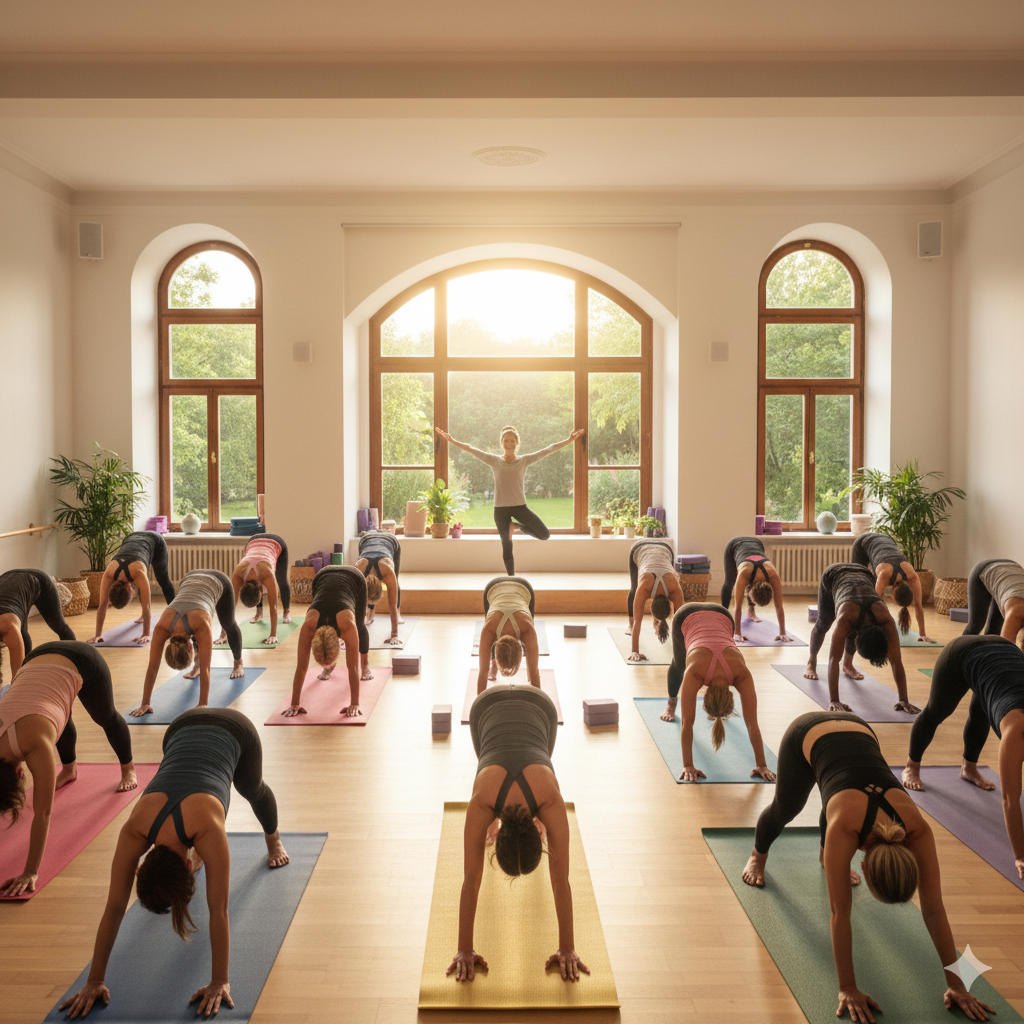
Choosing the right yoga class can determine whether your practice becomes a sustainable habit or a short-lived experiment. With so many types of yoga styles, varied teaching approaches, and different studio cultures, it is easy to feel uncertain about where to begin. This guide will help you evaluate yoga styles, class levels, and studio standards so you can practice with clarity, safety, and confidence—whether your goal is improved mobility, stress reduction, strength, or a balanced combination of all three.
Understanding Different Types of Yoga Classes
Before you compare schedules and prices, it helps to understand what different yoga classes are designed to do. Style influences pace, intensity, the amount of instruction, and the overall experience. Knowing these distinctions is often the fastest route to choosing the right yoga class for your body and your goals.
Popular Yoga Styles Explained (Hatha, Vinyasa, Ashtanga, Yin, Restorative)
Hatha is commonly used as an umbrella term for foundational, posture-based classes that move at a moderate pace. It often includes clear alignment cues, longer holds, and time to refine technique. For many people, Hatha provides a structured way to learn key shapes and breathing patterns without feeling rushed.
Vinyasa emphasizes fluid transitions, linking movement with breath. Classes can range from gentle to athletic, but they generally involve continuous sequences and a more dynamic cadence. If you want a class that feels rhythmic and energizing, Vinyasa can be an excellent match—provided the pace is appropriate for your current ability.
Ashtanga follows set sequences with a strong emphasis on consistency, stamina, and progressive skill-building. It is typically more demanding, with repeated patterns that reward discipline and regular practice. Ashtanga can be highly effective for strength and focus, but it may not be the most supportive entry point if you are brand-new or managing limitations.
Yin is slower and more meditative, with postures held for longer periods to target deeper connective tissues. Rather than building heat through motion, Yin invites stillness and sustained sensation. It is particularly useful for improving flexibility, supporting recovery, and counterbalancing high-intensity training.
Restorative prioritizes relaxation and nervous system regulation. Postures are supported with props such as bolsters, blocks, and blankets, allowing the body to release tension with minimal muscular effort. Restorative classes are ideal for stress relief, burnout prevention, injury recovery, or anyone who needs gentleness without sacrificing depth.
Which Yoga Style Matches Your Fitness Level and Goals?
If your primary aim is stress management, better sleep, or emotional steadiness, Restorative or gentle Hatha may deliver the most immediate benefits. For mobility and tissue health—especially if you sit for long hours—Yin can be a strategic addition, even if you practice other styles.
If you want cardiovascular stimulation and full-body conditioning, a well-taught Vinyasa class can offer strength, balance, and endurance in one session. If you thrive with structure and measurable progression, Ashtanga may be compelling once you have a baseline of technique and resilience. When in doubt, start with a style that allows time for instruction; refinement is safer and more effective than speed.
Factors to Consider When Choosing a Yoga Class
Style is only one piece of the puzzle. The most suitable class also depends on level, pacing, and the learning environment. Paying attention to these variables helps ensure you know what to expect in a yoga class and prevents frustration or unnecessary strain.
Beginner, Intermediate, or Advanced: Selecting the Right Level
Yoga class levels explained in simple terms: beginner classes focus on fundamentals, intermediate classes assume familiarity with core postures and transitions, and advanced classes may move quickly while layering complex variations. However, level labels are not always standardized, so reading the class description matters.
The best yoga class for beginners typically includes thorough warm-ups, alignment guidance, and modifications. Look for terms such as “foundations,” “gentle,” “beginner-friendly,” or “basics.” If a class description mentions long holds, breath education, or prop use, it often signals a supportive learning pace.
Intermediate classes usually spend less time explaining fundamentals and more time building flow complexity, stamina, or deeper shapes. Advanced classes may include arm balances, inversions, intricate transitions, and fewer pauses. If you are unsure, choose the lower level for your first few sessions; mastery in yoga is less about difficulty and more about precision, breath control, and body awareness.
Class Size, Pace, and Environment: What to Look for in a Studio
Class size directly affects the amount of individual attention you receive. Smaller classes increase the likelihood of personalized cues, while larger classes can be motivating but may be less tailored. If you are new, returning after an injury, or working with specific limitations, a smaller group or “beginner series” often provides a safer learning curve.
Pace should match both your fitness and your learning style. Some students enjoy a brisk tempo; others need time to set up safely and absorb instruction. When choosing a class, look for notes about “slow flow,” “accessible,” or “strong flow,” and remember that a sustainable pace is one that allows steady breathing.
The environment matters more than many people expect. Lighting, music volume, temperature, and general studio culture can influence your ability to focus. A calm, organized space supports concentration; an overstimulating one can make even a well-designed class feel stressful.
Evaluating Yoga Teachers and Studio Quality
A yoga class is only as good as the guidance behind it. The teacher’s skill set, communication style, and attention to safety affect your progress and long-term wellbeing. If you are learning how to choose a yoga studio, evaluate instruction quality as carefully as the schedule.
Qualifications, Teaching Style, and Communication Skills
Yoga teacher qualifications can be a helpful starting point. Many teachers hold credentials such as 200-hour or 500-hour training, and some pursue additional education in anatomy, trauma-informed teaching, prenatal yoga, or therapeutic approaches. While certifications are not the sole indicator of excellence, ongoing study often correlates with thoughtful, responsible instruction.
Equally important is teaching style. A skilled teacher offers clear cues, demonstrates options, and explains the purpose of sequences. Communication should be precise but not overwhelming, with room for students to self-regulate. You should feel guided, not pressured—especially when exploring new postures.
When possible, observe whether the teacher offers modifications without singling people out, respects different bodies, and normalizes rest. This approach is often the difference between a practice that builds confidence and one that creates anxiety.
Safety, Cleanliness, and Studio Amenities to Check Before You Commit
Safety begins with structure: sensible warm-ups, progressive sequencing, and clear guidance on alignment and breath. Be cautious with classes that rush into intense shapes without preparation or treat pain as a benchmark of success. A good teacher encourages discernment and recognizes that discomfort and injury are not the same.
Studio cleanliness is a non-negotiable element of quality. Floors, props, and bathrooms should be maintained well, and equipment should appear cared for. If the studio lends mats, look for visible hygiene protocols and regular cleaning practices.
Amenities also affect consistency. Consider whether the studio provides props, has adequate space between mats, offers convenient class times, and maintains a welcoming reception process. Small details—ventilation, changing areas, secure storage—can make it easier to attend regularly and focus fully during class.
Practical Tips for Finding the Best Yoga Class for You
After clarifying style, level, and quality indicators, the final step is practical selection. A methodical approach can help you find local yoga classes that truly align with your needs rather than relying on guesswork.
How to Try Trial Classes, Online Reviews, and Recommendations
Trial classes are the most reliable way to assess fit. One session can reveal whether the pace suits you, whether the cues are understandable, and whether you feel comfortable in the space. If a studio offers an introductory package, use it to sample different teachers and formats before committing.
Online reviews can provide useful context, especially regarding class atmosphere, consistency, and customer service. Read them critically: look for patterns rather than isolated opinions, and prioritize comments about instruction clarity, inclusivity, and cleanliness. Recommendations from friends or healthcare professionals can also be valuable, particularly if you are seeking a gentle or therapeutic approach.
If you prefer practicing from home, online classes can be an effective stepping stone. They are also useful for exploring styles before attending in person, though beginners may benefit from at least a few live sessions to establish safe habits.
Questions to Ask Before Joining a New Yoga Class
Asking a few targeted questions can quickly clarify whether a class is appropriate. Consider these before you commit:
- Is this class suitable for beginners? If not, is there a foundations option or a recommended prerequisite?
- What is the pace and intensity? Ask whether it is gentle, moderate, or athletic, and how long postures are typically held.
- Are modifications offered? Inquire about support for tight hips, limited mobility, or wrist and lower-back sensitivities.
- What props are available? Blocks, straps, bolsters, and blankets often improve safety and accessibility.
- How does the teacher handle injuries or health conditions? A responsible teacher welcomes disclosure and offers appropriate alternatives.
- What should I bring and how should I prepare? This clarifies expectations regarding mats, water, arrival time, and studio etiquette.
These inquiries are not excessive; they are a practical form of self-care. They also signal to the studio that you value safe instruction.
Conclusion
Choosing the right yoga class is a thoughtful process of aligning style, level, and learning environment with your current needs. By understanding the major styles, assessing yoga class levels explained in real-world terms, and evaluating teacher competence and studio standards, you can select a class that supports steady progress rather than sporadic effort. Use trial classes, credible reviews, and informed questions to narrow your options. With the right fit, yoga becomes not just an activity, but a reliable practice—one that meets you where you are and helps you move forward with skill and confidence.