
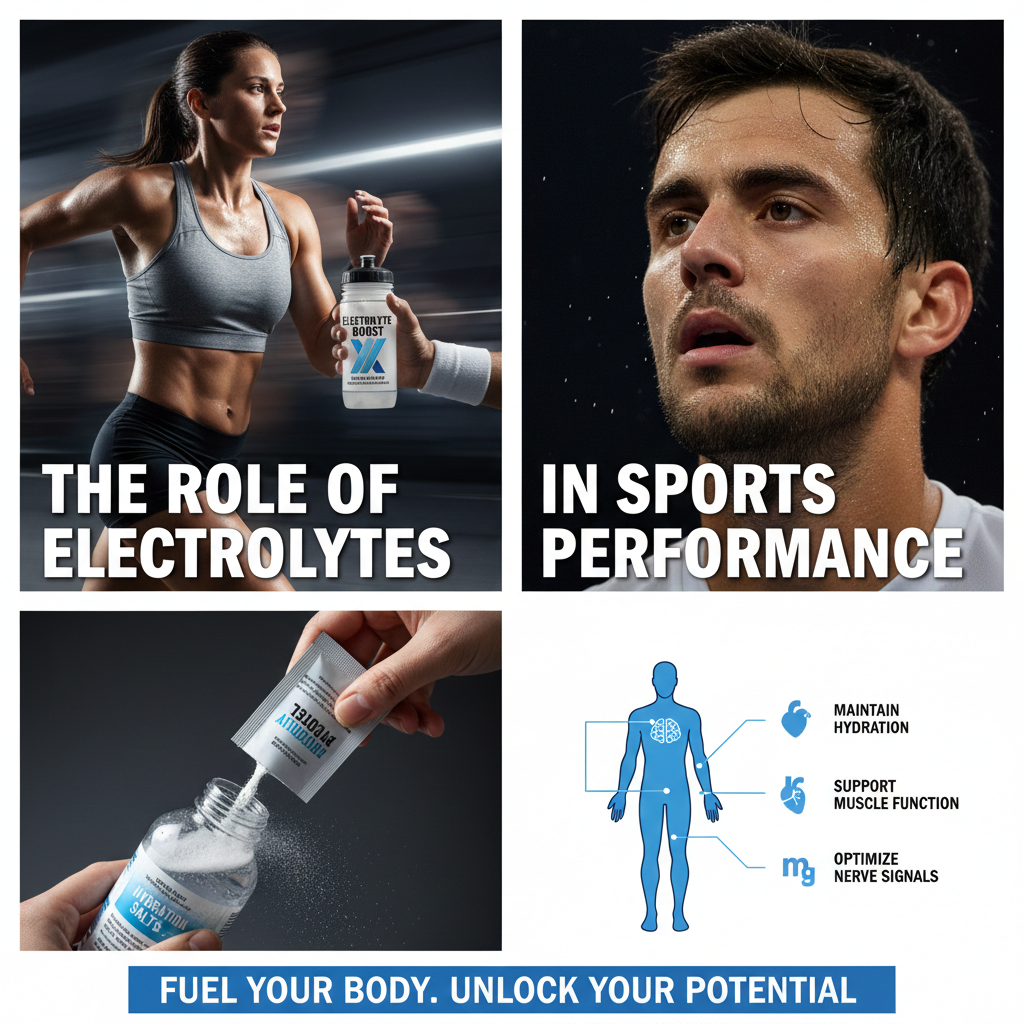
Electrolytes are often mentioned in the same breath as hydration, yet their influence on athletic output extends far beyond “replacing what you sweat out.” For endurance athletes, team-sport competitors, and strength trainees alike, electrolytes help orchestrate nerve signaling, muscle contraction, fluid distribution, and recovery. When they are depleted or diluted, performance can deteriorate subtly at first—slower paces, heavier legs, impaired concentration—before escalating into cramps, heat illness, or dangerous electrolyte disturbances.
This guide explains how electrolytes affect performance, which minerals matter most, how to recognize electrolyte imbalance symptoms, and how to apply practical, evidence-informed hydration strategies before, during, and after training.
Understanding Electrolytes and Sports Performance
What Are Electrolytes? (Definition and Key Functions)
Electrolytes are minerals that carry an electrical charge when dissolved in body fluids such as blood, sweat, and intracellular fluid. That charge is not a trivial detail: it enables the electrical gradients that drive nerve impulses, coordinate muscle contractions, and regulate fluid movement across cell membranes. In the context of sports performance and hydration, electrolytes help maintain:
- Fluid balance by influencing where water is retained—inside cells, between cells, or in circulation.
- Nerve transmission for movement precision, reaction time, and neuromuscular coordination.
- Muscle contraction and relaxation, including the timing and strength of contractions.
- Blood volume and pressure, which affects cardiovascular strain and endurance capacity.
- Acid–base balance, supporting normal metabolic function during high-intensity work.
Because exercise increases sweat rate, respiration, and metabolic heat, it creates a continuous demand for both fluid and electrolytes. The goal is not to “maximize” electrolytes indiscriminately, but to maintain a functional balance that supports performance and safety.
Types of Electrolytes Important for Athletes (Sodium, Potassium, Magnesium, Calcium)
Many minerals contribute to electrolyte status, but four are particularly relevant for athletes due to their roles in fluid regulation and neuromuscular function:
- Sodium: The dominant electrolyte lost in sweat. Sodium helps maintain blood volume, supports thirst and fluid retention, and is central to preventing hyponatremia (low blood sodium) during prolonged exercise.
- Potassium: Primarily an intracellular electrolyte that works in tandem with sodium to regulate nerve impulses and muscle contraction. Sodium and potassium in exercise are functionally linked through cellular pumps that maintain electrical gradients.
- Magnesium: Involved in energy metabolism, nerve function, and muscle relaxation. While sweat losses are usually modest, insufficient dietary intake can contribute to fatigue and impaired recovery.
- Calcium: Essential for muscle contraction signaling and bone health. Although not typically the main “sweat-loss” concern, adequate calcium supports neuromuscular function and long-term resilience.
How Electrolytes Affect Athletic Performance
Electrolytes and Muscle Contraction, Cramping, and Fatigue
Muscle contraction is an electrochemical event. Nerves trigger muscle fibers through electrical impulses; sodium and potassium enable the transmission of those impulses, while calcium facilitates the contractile machinery within muscle cells. Magnesium assists with relaxation and modulates excitability. When electrolyte balance is disrupted—particularly in combination with dehydration, heat stress, and accumulating fatigue—neuromuscular control can degrade.
The relationship between muscle cramps and electrolytes is frequently oversimplified. Exercise-associated muscle cramps can involve multiple factors: neuromuscular fatigue, insufficient conditioning, heat strain, and in some cases substantial sodium losses. For athletes with heavy, salty sweat and prolonged sessions, replacing sodium may reduce cramp susceptibility, especially when cramps coincide with high sweat rates and significant fluid loss. Nevertheless, cramps are not always an “electrolyte problem” in isolation; they are often a signal that the neuromuscular system is under duress.
Fatigue can also worsen when electrolyte deficits reduce plasma volume. As blood volume drops, the heart works harder to deliver oxygen to working muscles, perceived exertion rises, and pace becomes difficult to sustain.
Electrolyte Balance, Hydration, and Endurance Capacity
Hydration is not simply about water intake. Without adequate sodium, ingested fluid may be less effectively retained, thirst cues may be blunted or misread, and the risk of dilutional hyponatremia can increase—particularly in long events where athletes drink large volumes of low-sodium fluids.
Electrolytes support endurance by helping preserve:
- Thermoregulation, as stable blood volume improves heat dissipation through skin blood flow and sweating.
- Cardiovascular efficiency, reducing drift in heart rate during prolonged exercise.
- Gastrointestinal tolerance, since appropriately formulated sports drinks can enhance fluid absorption compared with plain water in some contexts.
For hydration strategies for runners and other endurance athletes, the most effective approach is individualized—based on sweat rate, environmental conditions, exercise duration, and personal tolerance.
Electrolyte Loss, Deficiency, and Hydration Strategies
Signs of Electrolyte Imbalance in Athletes (Symptoms and Risks)
Electrolyte imbalance symptoms may present as mild performance decrements or as urgent medical concerns depending on severity and context. Athletes should pay attention to patterns, especially during heat exposure, long-duration training, or rapid changes in fluid intake habits.
Possible signs of sodium depletion include persistent headache, nausea, unusual fatigue, dizziness, swelling in hands/fingers, confusion, and in severe cases vomiting or altered mental status. When these symptoms occur during or after prolonged exercise with high fluid intake, hyponatremia is a critical concern and warrants immediate medical evaluation.
Possible signs of dehydration with electrolyte loss include rising heart rate at a given pace, pronounced thirst, dark urine, reduced sweat rate despite heat, chills, and declining performance.
Possible signs associated with inadequate potassium, magnesium, or calcium can include muscle weakness, twitching, cramping, palpitations, or persistent fatigue—though these symptoms can also reflect overtraining, insufficient carbohydrate intake, or other medical issues.
Because symptoms overlap, the safest mindset is to treat sudden, severe, or escalating symptoms as medical problems rather than self-diagnosing. Performance optimization should never compete with safety.
How Much Electrolyte Do You Lose Through Sweat? (Individual Differences)
Sweat losses vary dramatically between athletes. Two runners in the same conditions can differ by more than double in both sweat rate and sodium concentration. Key drivers include genetics, acclimatization, fitness, body size, exercise intensity, temperature, humidity, and clothing.
As a practical framework:
- Sweat rate commonly ranges from about 0.5 to 2.0+ liters per hour, with higher values in heat or at high intensities.
- Sweat sodium concentration can range broadly (often cited roughly from 300 to 1,500+ mg of sodium per liter), meaning total sodium loss per hour may be modest for some athletes and substantial for “salty sweaters.”
To estimate personal fluid losses, athletes can conduct a simple weigh-in protocol: measure body weight before and after a session (accounting for fluid consumed and urine output). For sodium losses, laboratory sweat testing provides the most precise data, but practical clues—salt crust on skin/clothing, stinging sweat in eyes, frequent heavy sweating—can justify a more proactive sodium strategy, especially during long events.
Best Sources of Electrolytes and Practical Guidelines for Athletes
Electrolyte-Rich Foods vs. Sports Drinks and Supplements
The best choice depends on timing and tolerance. Foods are typically ideal for daily intake and recovery; drinks and supplements are often more useful during exercise when digestion is limited and rapid replacement is needed.
Electrolyte-rich foods support baseline status and can reduce reliance on supplementation:
- Sodium: soups, broths, salted rice/potatoes, pickled foods, cheese.
- Potassium: potatoes, bananas, oranges, yogurt, beans, leafy greens.
- Magnesium: nuts, seeds, legumes, whole grains, dark leafy greens.
- Calcium: dairy, fortified plant milks, tofu (calcium-set), sardines, kale.
Sports drinks can be advantageous when training exceeds about 60–90 minutes, occurs in heat, or includes high sweat rates. Well-formulated options combine water, sodium, and carbohydrate to enhance absorption and sustain output. When comparing the best electrolyte drinks for sports, prioritize:
- Sodium content sufficient for the session’s sweat loss risk (often more important than exotic minerals).
- Carbohydrate concentration that matches intensity and gastrointestinal tolerance.
- Osmolality and ingredient simplicity to reduce stomach upset during hard efforts.
Electrolyte supplements for endurance—tablets, powders, capsules—can be practical for athletes who prefer separating carbohydrate fueling from sodium replacement. They are also useful for “salty sweaters” who need higher sodium than standard drinks provide. However, supplements should complement a coherent plan rather than substitute for it.
Pre-, Intra-, and Post-Workout Electrolyte Strategies for Optimal Performance
Effective electrolyte planning is contextual and measured. The objective is steady function: maintain hydration status, support neuromuscular performance, and avoid both excessive dehydration and overdrinking.
Pre-workout
- Start adequately hydrated by drinking regularly throughout the day, not by forcing large volumes immediately before training.
- Include sodium with pre-exercise fluids when the session will be long, hot, or high-sweat. A modestly salted meal or an electrolyte drink can improve fluid retention and reduce early performance decline.
- Prioritize carbohydrate availability for endurance and high-intensity work; electrolyte planning is most effective when paired with appropriate fueling.
During exercise (intra-workout)
- Match intake to conditions rather than following a rigid rule. Longer duration, higher heat, and heavier sweating increase the need for structured drinking and sodium replacement.
- Use sodium strategically in prolonged events. For many athletes, sodium intake during long sessions helps maintain thirst drive and fluid balance, supporting sustained output.
- Combine with carbohydrate when needed. For endurance sessions, a carbohydrate-electrolyte drink can support both hydration and energy demands with fewer separate products.
- Monitor tolerance. Gastrointestinal distress often signals excessive concentration, too much volume at once, or poorly timed intake. Adjust dose, dilute, or take smaller, more frequent sips.
Post-workout
- Replace fluid losses gradually over the hours after training, especially after long or hot sessions.
- Include sodium in recovery meals to help restore fluid balance and stimulate rehydration, particularly when sweat losses were substantial.
- Replenish potassium, magnesium, and calcium through food as part of balanced meals that also provide adequate protein and carbohydrate for recovery.
For athletes training frequently—such as runners with daily mileage—consistent daily nutrition often matters more than aggressive single-session supplementation. Conversely, for marathoners, triathletes, and ultra-endurance competitors, a deliberate electrolyte plan can meaningfully influence comfort, pacing, and safety.
Conclusion
Electrolytes are integral to how electrolytes affect performance: they regulate fluid distribution, support nerve signaling, and enable muscle contraction—foundations of endurance, strength, and coordination. When losses mount through sweat or when water intake outpaces sodium replacement, athletes may experience electrolyte imbalance symptoms that range from frustrating performance decline to serious health risk.
The most effective strategy blends fundamentals with personalization. Build a strong baseline with electrolyte-rich foods, then use targeted drinks or electrolyte supplements for endurance when sessions are long, hot, or sweat-heavy. With an individualized plan—especially around sodium and potassium in exercise—athletes can improve sports performance and hydration while reducing the likelihood of cramps, fatigue, and preventable setbacks.
Slither Arcade
Features
- Classic Gameplay: Grow your snake by eating apples while avoiding self-collision.
- Dynamic Difficulty: The game speed increases as you eat more food.
- Juicy Polish: Screen shakes on eating, pulsing food animations, and high-score tracking.
- Responsive Controls: Use Arrow keys, WASD, or swipe on touch devices/mouse.
- Visuals: Custom-generated stylized assets and a minimalist neon background.
How to play:
- Controls: Use Arrow Keys or WASD to change direction. On mobile, Swipe in the direction you want to turn.
- Objective: Eat the glowing red apples to grow and increase your score. The game ends if you collide with your own tail.
The snake wraps around the screen edges, allowing for strategic maneuvers! Enjoy your game.Controls Reminder: The golden apple slows time for 5 seconds