
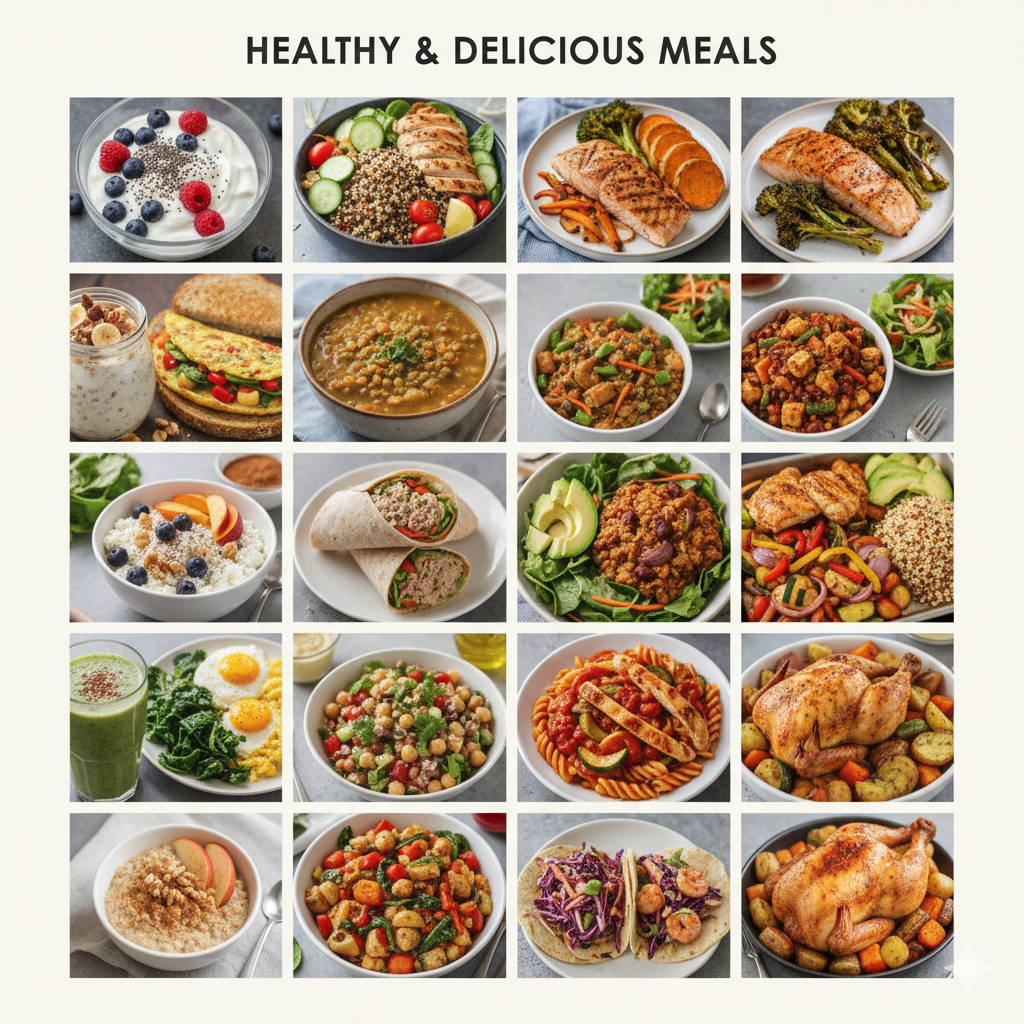
A well-designed meal plan can be one of the most reliable tools for improving health, managing weight, and simplifying daily decisions. Rather than relying on willpower alone, a structured approach to nutrition planning helps you meet your needs for energy, protein, vitamins, and minerals—while leaving room for enjoyment. This guide explains how to create a healthy meal plan from first principles, then turns those principles into a practical weekly meal plan you can sustain.
Understanding the Basics of a Healthy Meal Plan
What Is a Healthy Meal Plan?
A healthy meal plan is a deliberate blueprint for what you will eat over a defined period—typically a week—designed to support your goals, preferences, schedule, and budget. It is not a restrictive template or a one-size-fits-all menu. Instead, it is a flexible system that ensures your meals are nutritionally complete, appropriately portioned, and consistent with your lifestyle.
At its best, a plan reduces decision fatigue, limits last-minute takeaway choices, and improves dietary quality. It also creates a clear structure for grocery shopping, meal prep, and portion control, which is particularly helpful when pursuing a weight loss meal plan or a performance-oriented eating strategy.
https://www.teepublic.com/t-shirt/50452996-kid-and-friends?store_id=2851997
Key Components of a Balanced Diet (Macros, Micros, and Fiber)
A balanced diet is built on three interlocking pillars: macronutrients, micronutrients, and fiber. When these are aligned, energy levels stabilize, cravings often decrease, and meals become more satisfying.
- Macronutrients (macros): Protein, carbohydrates, and fats provide energy and structure. Protein supports muscle repair and satiety; carbohydrates fuel the brain and training; fats support hormones, nutrient absorption, and long-lasting fullness.
- Micronutrients (micros): Vitamins and minerals—such as iron, magnesium, calcium, vitamin D, folate, and zinc—support immunity, bone health, blood production, and metabolic function. Prioritize variety across fruits, vegetables, legumes, whole grains, dairy or fortified alternatives, and lean proteins.
- Fiber: Found in plants (vegetables, fruit, beans, whole grains, nuts, seeds). Fiber supports gut health, regulates blood sugar, and improves satiety—making it central to clean eating recipes and long-term weight management.
In practice, most balanced meals combine: a quality protein source, high-fiber carbohydrates, healthy fats, and at least one to two servings of vegetables or fruit.
Step-by-Step Guide to Creating Your Healthy Meal Plan
How to Set Realistic Health and Nutrition Goals
Before selecting recipes, clarify what you want the plan to accomplish. Goals should be measurable, time-bound, and compatible with your day-to-day reality.
- Define the primary outcome: Weight loss, muscle gain, maintenance, better energy, improved digestion, or medical targets such as lower blood pressure.
- Choose one to two process goals: For example, “include vegetables at lunch and dinner” or “eat 25–35 grams of protein at each main meal.” Process goals are easier to execute than abstract outcomes.
- Set a schedule you can keep: If weekdays are hectic, plan simpler meals and rely on meal prep tips such as batch-cooking proteins and grains.
- Account for constraints: Budget, cooking skills, food preferences, allergies, and cultural patterns. Sustainable nutrition planning respects the person who must live with it.
If you track intake, consider using portion-based targets rather than strict numbers. A practical approach is to aim for a palm-sized portion of protein, a fist of high-fiber carbs, a thumb of healthy fats, and two fists of vegetables at most main meals—then adjust based on progress and hunger.
How to Build Balanced Meals for Breakfast, Lunch, and Dinner
To build a weekly meal plan efficiently, use a repeatable framework instead of reinventing each meal. Start by choosing “anchors”—simple proteins and staple ingredients that can be repurposed.
Breakfast: prioritize protein and fiber
A strong breakfast supports satiety and steady energy. Combine protein with fiber-rich carbohydrates or fruit.
- Examples: Greek yogurt with berries and chia; vegetable omelet with whole-grain toast; overnight oats made with milk, protein-rich add-ins, and fruit; tofu scramble with sautéed greens.
Lunch: build for portability and consistency
Lunch often needs to travel well and reheat cleanly. Bowls, salads, and wraps are reliable options when planning ahead.
- Examples: Chicken quinoa bowl with roasted vegetables; lentil soup with side salad; tuna or chickpea salad wrap; leftover dinner protein with grains and greens.
Dinner: emphasize vegetables and satisfaction
Dinner is where many people benefit from structure. Aim for half the plate as vegetables, then add protein and a portion of carbohydrates or healthy fats based on your needs.
- Examples: Salmon with roasted broccoli and sweet potato; turkey chili with beans; stir-fry with lean protein and mixed vegetables over brown rice; sheet-pan chicken and vegetables.
To keep the plan realistic, include one to two flexible meals per week—simple options such as eggs, soup, or a store-bought rotisserie chicken with salad and microwavable grains.
Practical Tips for Sticking to Your Healthy Meal Plan
Smart Grocery Shopping and Budget-Friendly Choices
Consistency improves when the kitchen is stocked with versatile ingredients. Healthy eating on a budget is less about finding “superfoods” and more about choosing staples with a high nutrition-to-cost ratio.
- Plan before you shop: Choose 2–3 proteins, 2–3 vegetables, 1–2 fruits, and 1–2 carbohydrate bases for the week. Build meals by mixing and matching.
- Buy frozen and canned strategically: Frozen vegetables and fruit are nutritious, affordable, and reduce spoilage. Canned beans, lentils, tuna, and tomatoes simplify fast meals; select low-sodium options when possible.
- Prioritize affordable proteins: Eggs, yogurt, canned fish, chicken thighs, turkey, tofu, tempeh, and legumes can support a balanced diet without inflating costs.
- Choose whole grains in bulk: Oats, brown rice, quinoa, barley, and whole-wheat pasta stretch across multiple meals.
- Use a “one sauce, many meals” strategy: A simple vinaigrette, yogurt-based sauce, or tomato sauce can transform repetitive ingredients into varied clean eating recipes.
Finally, avoid shopping when hungry. It is a deceptively powerful tactic for keeping your cart aligned with your nutrition planning.
Meal Prep Strategies to Save Time and Reduce Stress
Meal prep is not a rigid weekend ritual; it is a spectrum. The goal is to remove friction so the healthy option becomes the easy option.
- Batch-cook one protein and one carbohydrate: Roast chicken, bake tofu, or cook lentils, paired with rice or quinoa. Combine with different vegetables and sauces throughout the week.
- Pre-chop vegetables: Wash and cut salad greens, carrots, peppers, and onions. Store them in airtight containers for quick assembly.
- Use sheet-pan and slow-cooker meals: These minimize active cooking time and scale well for leftovers.
- Prep “components,” not always full meals: Cook grains, roast vegetables, and make a dressing. Then assemble lunches in five minutes.
- Create a fallback plan: Keep quick options on hand—frozen vegetables, eggs, canned beans, and a protein you can cook in under 15 minutes.
Effective meal prep tips focus on reliability. A plan you execute imperfectly is more valuable than an ideal plan you abandon.
Sample Healthy Meal Plan Ideas and Customization
7-Day Healthy Meal Plan Example
This sample weekly meal plan is designed for general wellness. Adjust portion sizes to your energy needs and add snacks if desired (for example, fruit with nuts, yogurt, or hummus with vegetables).
| Day | Breakfast | Lunch | Dinner |
|---|---|---|---|
| Day 1 | Greek yogurt, berries, chia seeds, and oats | Quinoa bowl with chicken, cucumbers, tomatoes, olive oil, and lemon | Salmon, roasted broccoli, and sweet potato |
| Day 2 | Vegetable omelet with whole-grain toast | Lentil soup with mixed greens and vinaigrette | Turkey chili with beans and a side salad |
| Day 3 | Overnight oats with milk, cinnamon, and banana | Tuna (or chickpea) salad wrap with crunchy vegetables | Stir-fry with tofu or chicken, mixed vegetables, and brown rice |
| Day 4 | Cottage cheese (or soy yogurt) with fruit and nuts | Leftover chili over greens with avocado | Sheet-pan chicken, peppers, onions, and zucchini with quinoa |
| Day 5 | Smoothie: spinach, berries, protein source, and flax | Chickpea salad bowl with olive oil, herbs, and chopped vegetables | Whole-wheat pasta with tomato sauce, sautéed vegetables, and lean protein |
| Day 6 | Scrambled eggs (or tofu scramble) with sautéed greens | Brown rice bowl with roasted vegetables and a yogurt-tahini sauce | Shrimp (or tempeh) tacos on corn tortillas with cabbage slaw |
| Day 7 | Oatmeal with apple, walnuts, and cinnamon | Leftover stir-fry or grain bowl with extra vegetables | Roast chicken (or lentil loaf), mixed vegetables, and a baked potato |
To keep variety high without complicating the plan, rotate cuisines through spices and sauces: Mediterranean (lemon, herbs, olive oil), Mexican-inspired (lime, cumin, salsa), or Asian-style (ginger, garlic, soy or tamari).
How to Adapt Your Meal Plan for Weight Loss, Muscle Gain, or Maintenance
The same meal structure can support different outcomes. The key is how you calibrate portions, protein, and energy density.
- For weight loss: Increase non-starchy vegetables, choose lean proteins, and be intentional with calorie-dense extras (oils, cheese, nuts). Keep protein consistent to protect lean mass and support fullness. A weight loss meal plan often succeeds when dinner is vegetable-forward and snacks are planned rather than improvised.
- For muscle gain: Maintain high protein and add calories primarily through quality carbohydrates (rice, oats, potatoes, whole grains) and some healthy fats. Include a protein-rich snack or post-workout meal. Progress requires consistency—missing meals is a common barrier.
- For maintenance: Keep meal timing stable, prioritize fiber and protein, and use hunger cues to adjust portion size. Maintenance is often about maintaining routines: a familiar breakfast, repeatable lunches, and flexible dinners.
Regardless of goal, favor meals that you can repeat without resentment. The most effective healthy meal plan is the one that fits your life and can be sustained with minimal friction.
Conclusion
Creating a healthy meal plan is a practical exercise in clarity: define your goals, build meals around protein, fiber, and nutrient-dense foods, and make the process easier with smart shopping and streamlined meal prep. Use the sample weekly meal plan as a starting point, then refine it based on progress, preferences, and schedule. With thoughtful nutrition planning, healthy eating becomes less of a daily challenge and more of a dependable routine that supports long-term wellbeing.
Slither Arcade
Features
- Classic Gameplay: Grow your snake by eating apples while avoiding self-collision.
- Dynamic Difficulty: The game speed increases as you eat more food.
- Juicy Polish: Screen shakes on eating, pulsing food animations, and high-score tracking.
- Responsive Controls: Use Arrow keys, WASD, or swipe on touch devices/mouse.
- Visuals: Custom-generated stylized assets and a minimalist neon background.
How to play:
- Controls: Use Arrow Keys or WASD to change direction. On mobile, Swipe in the direction you want to turn.
- Objective: Eat the glowing red apples to grow and increase your score. The game ends if you collide with your own tail.
The snake wraps around the screen edges, allowing for strategic maneuvers! Enjoy your game.Controls Reminder: The golden apple slows time for 5 seconds