
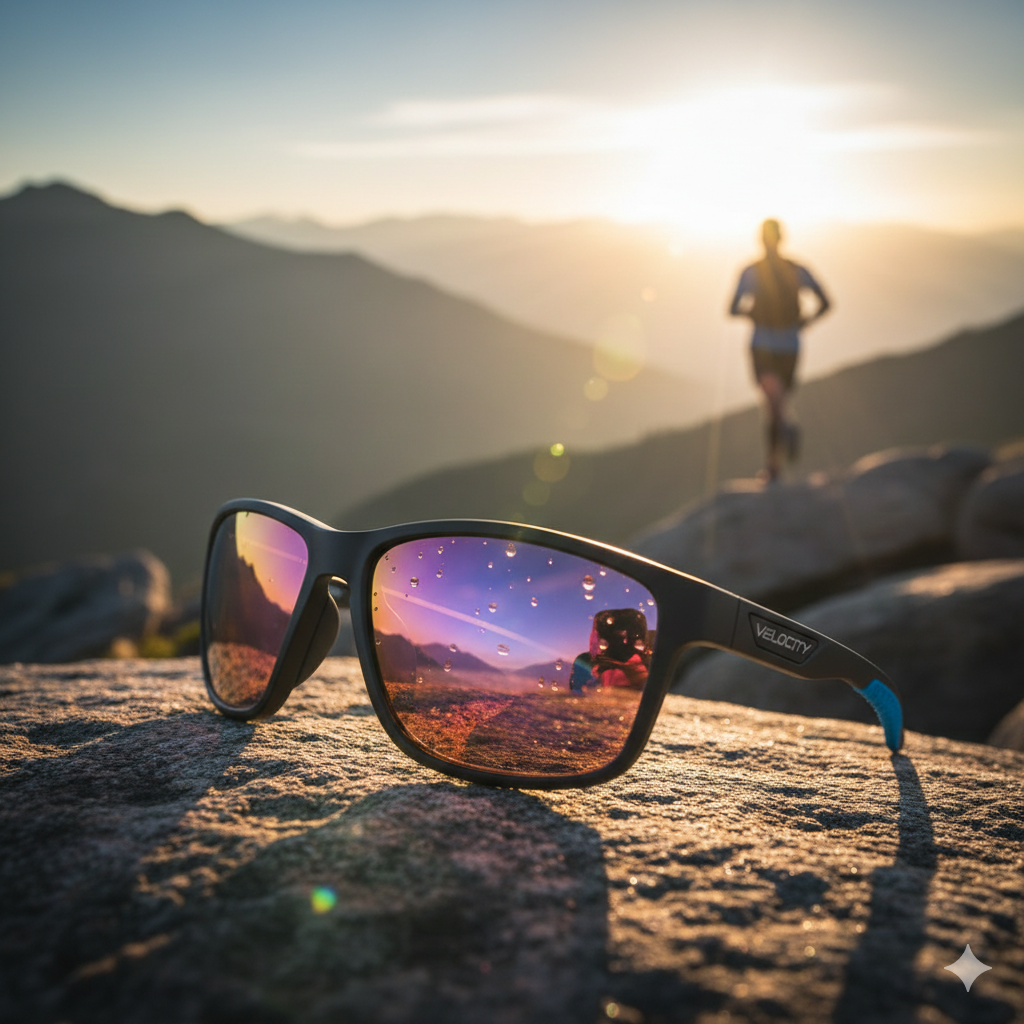
Meta description: Discover the best sports sunglasses for outdoor activities with this comprehensive guide. Learn how to choose lenses, fit, and durability, plus top picks for running, cycling, hiking, fishing, and more.
Outdoor training and adventure demand more from eyewear than ordinary fashion frames can deliver. Glare changes by the minute, wind and debris test lens quality, and long sessions punish poor fit. The best sports sunglasses are engineered to sharpen vision, protect eyes from harmful radiation, and stay stable through sweat, vibration, and impact. This guide explains what truly matters—lens technology, fit, and durability—then highlights standout options for specific sports so you can invest with confidence.
Best Sports Sunglasses for Outdoor Activities: What You Need to Know
Why Sports Sunglasses Matter for Outdoor Performance
Performance eyewear is a safety tool and a competitive advantage. Reduced glare and enhanced contrast make terrain changes easier to read, whether you are spotting a pothole at speed or picking a line across rocky trail. High-quality UV protection sunglasses also limit cumulative exposure that can contribute to eye strain and long-term damage, particularly at altitude, on water, or in snow where reflection intensifies radiation.
Comfort plays a decisive role, too. Sunglasses that slip on descents or pinch under a helmet become distractions. By contrast, well-designed sports sunglasses for outdoor activities integrate stable grip points and wrap coverage so you can stay focused on pace, technique, and conditions.
https://www.teepublic.com/t-shirt/50453002-penguin?store_id=2851997
Key Features That Differentiate Sports Sunglasses from Casual Shades
Sports models are defined by functional architecture. Wraparound geometry increases peripheral coverage and reduces light intrusion from the sides. Venting channels and hydrophobic coatings fight fog and sweat smear. Shatter-resistant polycarbonate lenses are common because they combine clarity with impact tolerance.
Equally important is fit engineering. Rubberized nose pads and temple tips, often adjustable, maintain a secure hold without excessive pressure. Many durable sports sunglasses also use flexible frame materials such as TR90 or proprietary nylon blends that resist fatigue in heat and survive the occasional drop.
How to Choose the Best Sports Sunglasses for Your Activity
Lens Technology: Polarized, Photochromic, and UV Protection
The lens is the heart of any performance pair. Start with full-spectrum UV defense: look for 100% UVA/UVB protection (often labeled UV400). This baseline is non-negotiable for extended exposure.
- Polarized sports sunglasses reduce reflected glare from water, asphalt, and snow. They excel for fishing, driving to trailheads, and bright road cycling, though some athletes prefer non-polarized lenses for reading certain digital displays or subtle surface textures.
- Photochromic sports sunglasses adjust tint in response to UV intensity. They are ideal when you move between sun and shade—forest trails, mountain switchbacks, or variable cloud cover—minimizing the need to swap lenses.
- Contrast-enhancing tints (often rose, copper, or amber) help define terrain contours. Grey is more neutral for intense sunlight, while yellow is better in low light but can be overwhelming at midday.
Also consider optical quality. Look for lenses with distortion-free clarity, solid scratch resistance, and reputable coatings (hydrophobic, oleophobic, and anti-reflective) to preserve visibility when conditions deteriorate.
Fit, Comfort, and Durability for High-Impact Sports
Fit is best judged by stability, not tightness. A proper wrap should sit close enough to reduce wind turbulence without touching eyelashes. Adjustable nose pieces help tailor height and reduce pressure points during long sessions.
For high-speed sports, prioritize frames that pair lightweight construction with torsional stiffness so they do not wobble over rough surfaces. If you train with a helmet, confirm that the temples slide under retention systems without creating hotspots. Finally, evaluate practical durability: hinge strength, lens retention, and whether replacement lenses are readily available. The best-value eyewear is often the pair you can maintain rather than replace.
Top Sports Sunglasses for Popular Outdoor Activities
Best Sunglasses for Running, Cycling, and Trail Running
Running sunglasses should feel nearly weightless, resist bounce, and manage sweat. Seek ventilated designs with grippy contact points and lenses that maintain contrast on mixed terrain. Photochromic lenses are particularly effective for early starts and shaded routes, while a medium-to-high contrast tint improves depth perception on uneven ground.
Cycling sunglasses demand more coverage and wind protection. A larger shield-style lens can reduce eye watering at speed and improve aerodynamics. For road riding in harsh sun, polarized lenses can be beneficial; for technical riding where reading surface texture matters, a high-contrast, non-polarized option may feel more precise. Interchangeable lenses are a strong advantage for cyclists who ride across seasons.
For trail running, stability and impact resilience move to the forefront. Branches, grit, and rapid light shifts reward wrap coverage, robust lens materials, and secure retention. Many athletes prefer photochromic or interchangeable systems to avoid carrying spare eyewear.
Best Sunglasses for Hiking, Fishing, and Water Sports
Hiking sunglasses should balance comfort for long wear with dependable protection in exposed conditions. At elevation, prioritize full UV coverage and substantial wrap to mitigate reflected light from rock and snow. A durable frame with good ventilation reduces fogging during climbs, while a slightly larger lens helps block dust and wind.
For fishing, polarization is often transformative. High-quality polarized sports sunglasses cut surface glare and improve the ability to see structure and movement below the waterline. Consider lens color thoughtfully: copper or amber boosts contrast in varied light; grey is excellent in bright, open water. Hydrophobic coatings help repel spray, and a secure fit matters when you lean and cast repeatedly.
Water sports—paddling, sailing, and beach training—add salt, spray, and the risk of loss. Look for corrosion-resistant hardware, strong lens coatings, and compatibility with retainers. A wraparound design paired with grippy temple tips helps prevent slippage when wet, while polarization keeps glare under control for longer, safer sessions.
Care, Maintenance, and Buying Tips for Sports Sunglasses
How to Clean and Store Sports Sunglasses for Longevity
Maintenance determines whether lenses remain crisp or become a haze of micro-scratches. Rinse lenses with clean water before wiping to remove grit that can abrade coatings. Use a dedicated lens cleaner or mild soap, then dry with a clean microfiber cloth. Avoid paper products and clothing fabrics, which can contain fibers and debris that scuff the surface.
Store sunglasses in a rigid case when not in use, especially in a pack where pressure and friction are constant. Do not leave them on a car dashboard; heat can warp frames and degrade lens coatings. If your model has interchangeable lenses, handle them by the edges and store spares in a protective sleeve.
Budget vs Premium Sports Sunglasses: What’s Worth Paying For?
Price does not automatically guarantee performance, but premium models often justify their cost in measurable ways: superior optical clarity, more consistent coatings, better ventilation engineering, and stronger warranty support. If you train frequently, these benefits can translate into less eye fatigue, fewer fogging incidents, and longer service life.
That said, budget-friendly options can still be excellent if they meet essential criteria. Prioritize verified UV protection, solid lens material (impact-resistant polycarbonate), stable grip points, and a fit that remains secure under motion. Paying extra is most worthwhile for advanced lens technology—high-grade polarization, reliable photochromic behavior, or exceptionally clear optics—and for frames that integrate smoothly with helmets and long-duration wear.
Choosing the best sports sunglasses is ultimately a matter of matching lens behavior, coverage, and stability to your environment. Start with uncompromising UV defense, then select polarization or photochromic capability based on glare levels and light variability. Confirm fit under real conditions—sweat, speed, and movement—and prioritize durable construction you can maintain over time. With the right pair, your vision stays sharp, your eyes remain protected, and every outdoor session becomes more confident and controlled.
How to Meditate for Better Communication
How to Meditate for Increased Patience
Top 5 Breathing Exercises for Athletes
The Best Yoga Accessories for Your Practice
Celestial Stackmaster
Core Loop: Vertical block stacking with slicing physics.
Precision Rewards: “Perfect” drops snap into place with a glow effect.
Dynamic Difficulty: Block speed increases as you climb higher.
Atmospheric Visuals: A cosmic “Zenith” background with color-shifting fog that evolves with your score.
Responsive Controls: Fully playable on desktop (click) and mobile (tap).
Camera System: Dynamic camera that tracks your progress toward the stars.
How to Play
Objective: Stack blocks as high as possible without missing the tower.
Controls: Click or Tap anywhere to drop the moving block onto the stack.
Pro Tip: Align the block perfectly with the one below to keep its full size; otherwise, the overhanging part will be sliced off!