
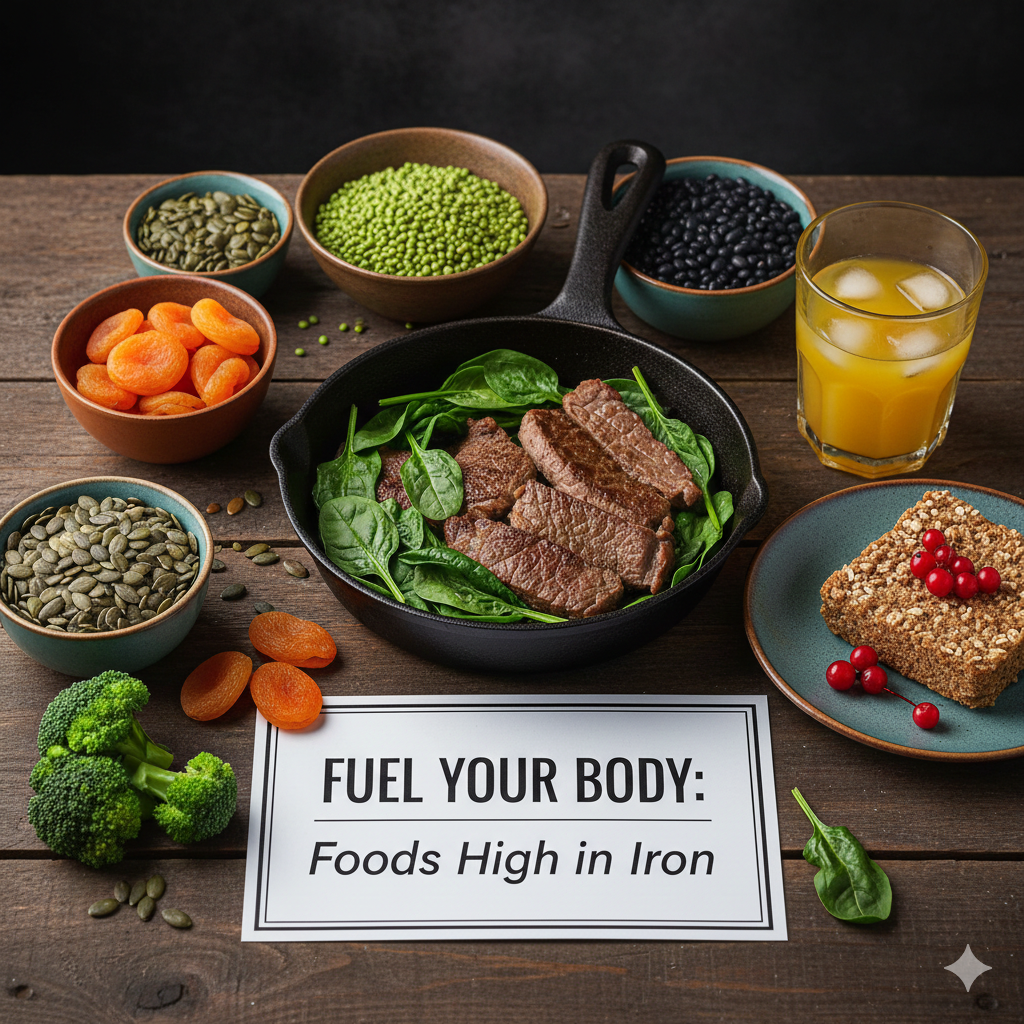
Iron is often discussed in the context of general health, yet its importance becomes unmistakable when training volume rises and performance margins shrink. For athletes, iron status is not merely a lab value; it is a determinant of oxygen delivery, energy metabolism, and recovery capacity. When iron stores decline, the effects can be subtle at first—slower splits, heavier legs, compromised power output—before evolving into clinically significant iron deficiency in athletes or even anemia.
This article explains the role of iron in athletic performance, the warning signs of inadequate iron status, who is most at risk, and how to optimize intake through food, absorption strategies, testing, and safe supplementation.
Understanding the Role of Iron in Athletic Performance
Why Iron Matters for Athletes
Iron is foundational to the physiological systems that support training adaptation. It is central to hemoglobin, the protein in red blood cells that transports oxygen from the lungs to working muscles. It also supports myoglobin, which stores and shuttles oxygen within muscle tissue—particularly relevant during sustained efforts and high-intensity intervals.
Because athletes repeatedly stress oxygen transport and energy production pathways, even modest reductions in iron stores—often reflected as low ferritin and performance decline—can impair training quality. In endurance sports, this can translate into reduced aerobic capacity and earlier onset of fatigue; in strength and power sports, it may show up as diminished work capacity, slower recovery between sets, and decreased overall training density.
https://www.teepublic.com/t-shirt/50453003-hedgehog?store_id=2851997
Key Functions of Iron in the Body
Iron’s influence extends beyond oxygen transport. Key functions include:
- Oxygen delivery and utilization: Hemoglobin and myoglobin depend on iron to bind oxygen, enabling efficient aerobic metabolism.
- Energy production: Iron is a component of enzymes involved in mitochondrial electron transport, helping convert nutrients into usable energy (ATP).
- Red blood cell formation: Adequate iron supports erythropoiesis, maintaining the blood’s oxygen-carrying capacity during periods of heavy training.
- Immune function and recovery: Iron participates in immune cell activity, and inadequate levels may contribute to frequent illness and training interruptions.
- Cognitive performance: Attention, mood, and perceived effort can worsen when iron status is compromised, affecting pacing, decision-making, and consistency.
- https://orenga.myspreadshop.com/adorable+animal-A6529a7c79d712c3a5a08a040?productType=815&sellable=zrZNkbVljAF07GbnJRAk-815-9&appearance=2
Signs, Symptoms, and Risks of Iron Deficiency in Athletes
Common Symptoms of Low Iron in Active Individuals
The symptoms of iron deficiency in athletes can be mistaken for overtraining, poor sleep, or general stress. The distinction matters: correcting iron-related limitations can restore performance, whereas training harder often worsens the problem.
Common signs include:
- Unusual fatigue during routine sessions, or a sudden drop in tolerance for volume and intensity
- Declining performance despite consistent training, often described as “flat” workouts
- Shortness of breath disproportionate to effort
- Elevated heart rate at familiar paces or power outputs
- Slower recovery between sessions and increased perceived exertion
- Frequent illness or prolonged post-viral fatigue
- Cold intolerance, headaches, dizziness, or reduced concentration
- Restless legs or disturbed sleep in some cases
Iron deficiency exists on a spectrum. Athletes may experience performance impairment with depleted iron stores (low ferritin) even before hemoglobin falls into the anemic range. When anemia develops, oxygen delivery is directly compromised and symptoms become more pronounced. The term sports anemia is sometimes used in athletic settings, but it can refer to two different phenomena: a dilutional effect from expanded plasma volume (common and not necessarily harmful) and true iron-deficiency anemia (clinically important). Proper testing is essential to differentiate them.
Athletes at Highest Risk for Iron Deficiency and Anemia
Several factors increase risk, particularly when training load and iron losses outpace intake and absorption. Athletes most vulnerable to endurance athletes iron depletion include:
- Female athletes, especially with heavy menstrual bleeding or dietary restriction
- Adolescents and young adults with rapid growth combined with sport demands
- Endurance athletes (runners, cyclists, triathletes, rowers) due to high volume and repetitive impact
- Vegetarians and vegans, because plant-based iron is less bioavailable and may be inhibited by dietary compounds
- Athletes in weight-class or aesthetic sports who chronically under-eat or avoid iron-rich foods
- High-altitude trainees, as erythropoiesis increases and iron requirements rise
Iron losses can occur through multiple routes: menstruation, gastrointestinal micro-bleeding, hemolysis from foot-strike in runners, sweating, and frequent blood donation. Additionally, heavy training elevates hepcidin, a hormone that reduces iron absorption and mobilization—particularly in the hours following hard sessions—making timing of iron intake strategically relevant.
How to Meditate for Forgiveness
Top 5 Ways to Boost Your Metabolism
How to Meditate for Better Communication
How to Optimize Iron Levels for Peak Performance
Best Dietary Sources of Iron for Endurance and Strength Athletes
Food should be the primary strategy for supporting iron status whenever possible. The most reliable iron rich foods for athletes include heme iron sources (more readily absorbed) and non-heme sources (valuable, but more sensitive to inhibitors and enhancers).
Heme iron (higher bioavailability):
- Lean red meat (beef, lamb, venison)
- Dark poultry meat
- Seafood such as clams, mussels, and sardines
- Liver (nutrient-dense, but best used occasionally due to high vitamin A)
Non-heme iron (useful with absorption support):
- Legumes (lentils, chickpeas, beans)
- Tofu and tempeh
- Pumpkin seeds, sesame, cashews
- Leafy greens (spinach, kale)
- Iron-fortified cereals and grains
For runners and other endurance athletes, the best iron sources for runners are often those that combine practicality with consistent intake—such as lean beef in a weekly rotation, shellfish when available, and plant-based staples paired with vitamin C. Strength athletes may benefit from similar foods, particularly when high protein diets displace micronutrient-dense options. The goal is not only meeting daily needs, but maintaining adequate stores across a season of training.
Improving Iron Absorption and Avoiding Nutrient Interactions
Absorption is frequently the limiting factor. Two athletes can eat similar iron totals yet show different ferritin trajectories based on meal composition, timing, and gut tolerance.
Strategies that enhance absorption:
- Pair non-heme iron with vitamin C (citrus, berries, bell peppers, kiwi, tomatoes). This can significantly improve uptake.
- Include heme sources when possible, as they are less affected by inhibitors.
- Consider timing: iron is often better absorbed away from large calcium doses and outside the immediate post-workout window when hepcidin may be elevated.
Common inhibitors and interactions to manage:
- Calcium (large amounts from dairy or supplements) can reduce absorption when taken with iron-rich meals.
- Polyphenols in coffee, tea, and some cocoa products can inhibit non-heme iron absorption—especially when consumed with meals.
- Phytates in whole grains and legumes can bind iron; soaking, sprouting, and fermentation can reduce phytate content.
None of these foods need to be avoided. The performance-focused approach is sequencing: keep coffee and tea between meals rather than with iron-centered meals, and avoid combining high-dose calcium supplements with iron intake.
Testing, Supplementation, and Practical Strategies for Athletes
When to Test Iron Levels and Which Markers to Track
Because symptoms can be nonspecific, testing is the most reliable way to evaluate iron and athletic performance concerns. Athletes should consider screening when training load increases, performance unexpectedly declines, fatigue persists beyond typical recovery, or dietary risk factors are present. Many endurance programs test at least once or twice per year, with more frequent checks for high-risk individuals.
Useful markers typically include:
- Serum ferritin: an indicator of iron stores; interpretation should consider inflammation and recent illness.
- Hemoglobin and hematocrit: assess oxygen-carrying capacity and anemia.
- Transferrin saturation (TSAT) and serum iron: reflect circulating iron availability.
- Total iron-binding capacity (TIBC) or transferrin: helps contextualize iron transport status.
- C-reactive protein (CRP): aids interpretation because ferritin can rise with inflammation.
Testing should be interpreted by a qualified clinician who understands athletic physiology. “Normal” reference ranges are designed for general populations and may not reflect what supports optimal training. The most important pattern is whether ferritin and related markers align with symptoms and performance trends, and whether they are stable over time.
Safe Iron Supplementation Guidelines for Athletes
Iron supplementation for athletes can be highly effective when deficiency is confirmed, but it should not be treated as a routine performance enhancer. Unnecessary supplementation may cause gastrointestinal distress, interfere with other minerals, and in rare cases contribute to iron overload in susceptible individuals.
Evidence-based supplementation principles:
- Supplement only with a clear rationale: ideally based on bloodwork showing low ferritin, low TSAT, anemia, or a clinically supported plan.
- Choose a tolerable form: ferrous sulfate is common and effective; ferrous bisglycinate may be better tolerated for some athletes. The best option is the one you can consistently take without side effects.
- Optimize timing for absorption: iron is often taken away from calcium, tea/coffee, and high-fiber meals. Pairing with vitamin C may help, depending on the formulation.
- Monitor response: re-test after a clinically appropriate interval to confirm ferritin and hemoglobin are improving and to avoid overshooting.
- Address root causes: inadequate intake, restrictive eating patterns, heavy menstrual bleeding, frequent blood donation, gastrointestinal issues, or poorly timed intake around training.
Side effects—nausea, constipation, abdominal discomfort—are common and can reduce adherence. If they occur, athletes should consult a clinician about adjusting the dose, switching formulations, or modifying timing rather than discontinuing without a plan. In cases of severe deficiency, malabsorption, or intolerance, medically supervised alternatives may be considered.
Finally, supplementation is most effective when integrated into a complete strategy: consistent iron-rich meals, absorption-aware nutrition, and training schedules that minimize unnecessary physiological strain. This comprehensive approach is often what restores durable performance rather than short-term lab improvements.
Conclusion
Iron is a cornerstone nutrient for athletes because it supports oxygen transport, mitochondrial energy production, immune resilience, and training adaptability. When iron stores fall, performance can erode quietly—often before overt anemia appears—making early recognition and appropriate testing vital. By prioritizing high-quality iron rich foods for athletes, improving absorption through smart nutrient timing, and using supplementation only when indicated, athletes can protect iron status and sustain higher-quality training across the season.
For those experiencing unexplained fatigue or declining output, evaluating iron markers—particularly ferritin in context—can be one of the most actionable steps toward restoring consistency, recovery, and competitive readiness.
Celestial Stackmaster
Core Loop: Vertical block stacking with slicing physics.
Precision Rewards: “Perfect” drops snap into place with a glow effect.
Dynamic Difficulty: Block speed increases as you climb higher.
Atmospheric Visuals: A cosmic “Zenith” background with color-shifting fog that evolves with your score.
Responsive Controls: Fully playable on desktop (click) and mobile (tap).
Camera System: Dynamic camera that tracks your progress toward the stars.
How to Play
Objective: Stack blocks as high as possible without missing the tower.
Controls: Click or Tap anywhere to drop the moving block onto the stack.
Pro Tip: Align the block perfectly with the one below to keep its full size; otherwise, the overhanging part will be sliced off!