
Discipline is often described as a trait you either have or you do not. In reality, it is a skill—built through repetition, reinforced by structure, and strengthened when effort meets accountability. Martial arts training offers a uniquely effective pathway to that skill because it combines clear standards with immediate feedback, mental focus with physical precision, and individual responsibility with community expectations. For kids and adults alike, the benefits of martial arts extend beyond fitness into daily decision-making, emotional balance, and consistent follow-through.
Understanding the Benefits of Martial Arts for Discipline
What Is Discipline in Martial Arts?
In martial arts, discipline is not limited to following instructions or behaving well in class. It encompasses a broader framework of self-management: arriving prepared, respecting boundaries, practicing with intention, and sustaining effort when progress feels slow. This form of martial arts discipline is visible in small actions—bowing before entering the mat, listening without interruption, maintaining proper posture, and repeating foundational techniques until they become second nature.
Because martial arts culture emphasizes etiquette, hierarchy, and responsibility, students learn that discipline is not punishment; it is a method for growth. The student is expected to regulate impulses, accept correction, and align behavior with long-term improvement rather than short-term comfort.
How Martial Arts Training Builds Self-Control and Focus
Martial arts are designed to train the mind as rigorously as the body. Whether a student is holding a stance, executing a combination, or sparring under rules, attention must remain anchored in the present. This makes karate for focus and similar practices powerful tools for strengthening concentration, especially in an environment filled with distractions.
Equally important is restraint. In controlled sparring or partner drills, students learn the difference between intensity and recklessness. They must manage breathing, modulate force, and maintain composure when adrenaline rises. Over time, this creates measurable improvements in martial arts and self control, as students practice pausing, assessing, and responding instead of reacting impulsively.
Key Mental and Behavioral Benefits of Martial Arts for Discipline
Improved Concentration, Patience, and Emotional Regulation
One of the most consistent mental benefits of martial arts is enhanced attention control. Classes require students to follow multi-step instructions, observe details, and adjust technique with precision. The repeated cycle of demonstration, practice, and correction trains the brain to tolerate complexity without frustration.
Patience grows through the ranking process. Advancement is earned, not granted, and students quickly learn that mastery is cumulative. This naturally discourages entitlement and rewards perseverance. In parallel, students develop emotional regulation. They experience challenge, occasional failure, and competitive pressure in a supervised setting—then learn to recover quickly, listen to feedback, and try again with a calmer mindset.
https://www.teepublic.com/t-shirt/50508295-christmas-gifts?store_id=2851997
Building Consistency, Responsibility, and Goal-Setting Skills
Martial arts reinforce discipline through routine. Regular training sessions, consistent warm-ups, and structured progression build habits that transfer into school and work. Many people discover that self-discipline through martial arts is less about motivation and more about systems: showing up, practicing fundamentals, and trusting the process.
Responsibility develops as students manage their own improvement. They learn to track weaknesses, ask informed questions, and practice outside class. Goal-setting becomes concrete through belt tests, technical requirements, and performance benchmarks. This is a practical model of personal development: define an outcome, break it into skills, practice consistently, and accept accountability.
These outcomes also explain how martial arts build character. Character is shaped by repeated choices under pressure—choosing respect over ego, perseverance over avoidance, and humility over defensiveness.
How Different Martial Arts Styles Teach Discipline
Comparing Discipline in Karate, Taekwondo, Judo, and Brazilian Jiu-Jitsu
While all reputable schools cultivate discipline, different styles emphasize distinct pathways to it. Understanding those differences helps students choose training that fits their temperament and goals.
- Karate: Often structured around kata (forms), kihon (basics), and etiquette. It rewards precision, repetition, and composure. Students who thrive on structure frequently find karate excellent for focus and self-management, making it a strong option when seeking reliable martial arts discipline.
- Taekwondo: Known for dynamic kicking, athletic movement, and clear advancement systems. Many schools place strong emphasis on courtesy, respect, and formal classroom conduct. For families searching specifically for taekwondo discipline, the combination of rigorous standards and visible milestones can reinforce consistency and confidence.
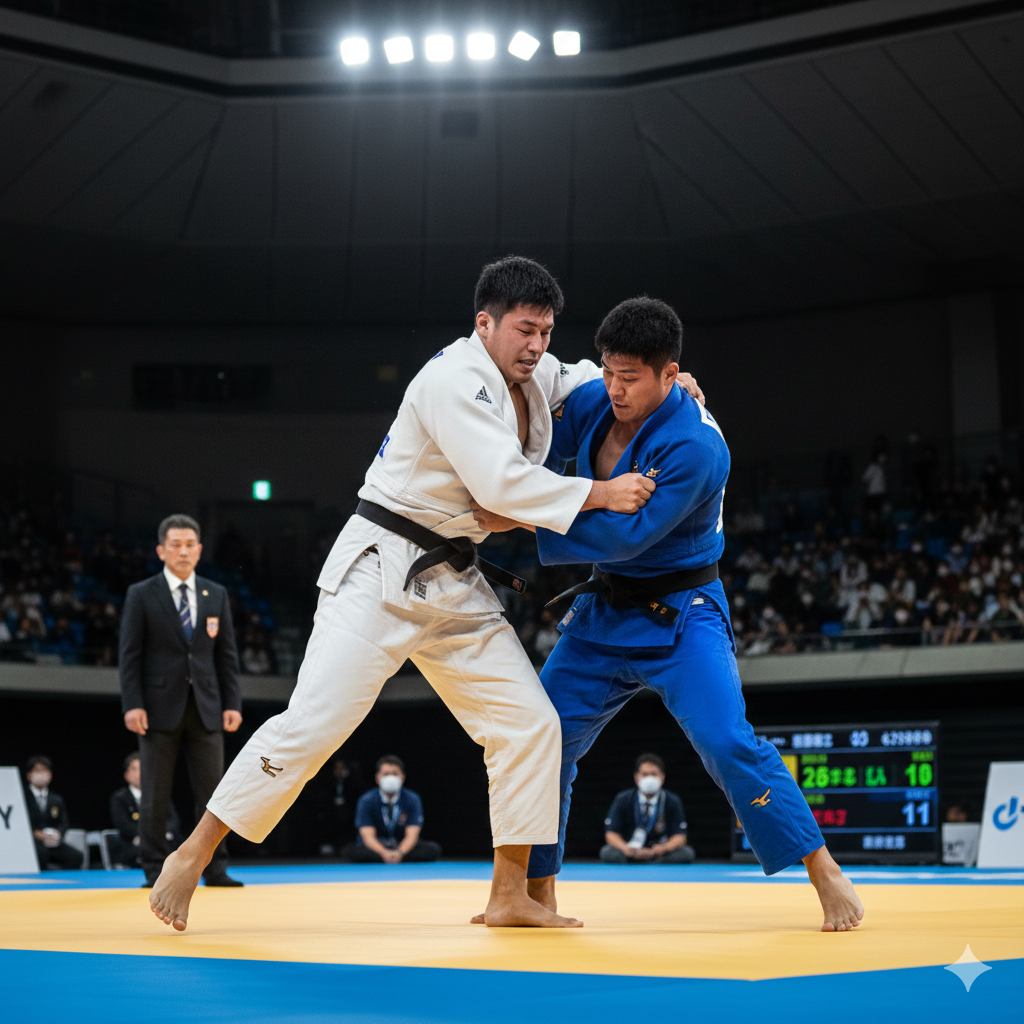
- Judo: Centered on balance, timing, and controlled throws. Discipline in judo is learned through safe partner work, repeated falling practice, and respect for training partners. It encourages calm decision-making under pressure and humility, because technique matters more than brute force.
- Brazilian Jiu-Jitsu (BJJ): A grappling art that involves continuous problem-solving. Because sparring is frequent, students learn emotional control, strategic thinking, and patience. The discipline here is mental as much as physical: staying composed in uncomfortable positions and methodically improving through incremental gains.
Across styles, the core benefits of martial arts are similar—structure, accountability, and progressive mastery. The “best” choice is usually the one that a student will practice consistently under qualified instruction.
Choosing the Right Martial Art for Your Child’s or Your Own Discipline Needs
To select the right program, begin with the specific discipline challenge you want to address. Is the goal improved attention and listening skills? Better emotional control? Stronger follow-through on responsibilities? Different environments motivate different students, and the instructor’s approach often matters more than the style label.
For martial arts for kids, look for classes that balance firmness with encouragement. The best youth programs use clear rules, consistent consequences, and positive reinforcement without turning training into mere entertainment. For adults, consider whether you prefer formal structure (often found in traditional striking arts) or problem-solving intensity (common in grappling arts). In either case, a healthy training culture—respectful, safety-conscious, and skill-focused—will accelerate growth.
Before committing, observe a class and assess a few essentials: Are students attentive and engaged? Does the instructor correct with clarity and professionalism? Are expectations consistent? A disciplined environment tends to produce disciplined students.
Practical Tips to Use Martial Arts for Better Discipline in Daily Life
Integrating Martial Arts Principles at Home, School, and Work
Training becomes most valuable when its principles are applied outside the dojo. Start with the simplest translation: treat daily routines like fundamentals. Consistency matters more than intensity, whether the task is homework, fitness, or professional development.
- Use “one technique at a time” thinking: Focus on the next actionable step, not the entire workload. This mirrors drilling a single movement until it improves.
- Adopt respectful communication: Martial arts etiquette reinforces listening, restraint, and clarity. Apply that by pausing before responding in conflict and choosing precise language.
- Practice controlled breathing under pressure: Breathing and posture are tools for composure in sparring and equally effective in stressful meetings or exams.
- Measure progress with objective markers: Instead of vague goals, define benchmarks—time spent practicing, assignments completed, or weekly training sessions attended.
These habits strengthen martial arts and self control in real-world contexts, making discipline a daily practice rather than an abstract ideal.
Supporting Kids and Adults to Stay Motivated and Committed to Training
Discipline grows when training is sustained over time. Motivation fluctuates; commitment is built through environment and expectations. For children, parents can support consistency by maintaining a predictable schedule, celebrating effort over outcomes, and reinforcing the same standards at home—respectful speech, completed chores, and calm responses to frustration.
For adults, the key is to make training non-negotiable in the calendar. Progress accelerates when sessions are treated like professional appointments. It also helps to set a short-term goal (such as attending twice weekly for eight weeks) alongside a long-term aim (earning the next rank, improving conditioning, or competing). Training partners and a supportive gym culture add accountability when energy dips.
Most importantly, choose a school that teaches discipline as a life skill rather than a performance. The strongest results come from programs that balance high standards with constructive coaching and a clear path forward.
Martial arts offer a practical, time-tested method for developing discipline through structured practice, respectful instruction, and incremental mastery. By strengthening focus, emotional regulation, consistency, and responsibility, training delivers lasting improvements that extend well beyond the mat. Whether you are exploring martial arts for kids or seeking a framework for your own growth, the right program can turn discipline into an everyday capability—built quietly through repetition, guided by clear standards, and reinforced by the confidence that comes from earned progress.
How to Meditate for Resilience
Top 10 Tips for Reducing Sugar Intake
The Best Fitness Challenges to Try
Slither Arcade
Features
- Classic Gameplay: Grow your snake by eating apples while avoiding self-collision.
- Dynamic Difficulty: The game speed increases as you eat more food.
- Juicy Polish: Screen shakes on eating, pulsing food animations, and high-score tracking.
- Responsive Controls: Use Arrow keys, WASD, or swipe on touch devices/mouse.
- Visuals: Custom-generated stylized assets and a minimalist neon background.
How to play:
- Controls: Use Arrow Keys or WASD to change direction. On mobile, Swipe in the direction you want to turn.
- Objective: Eat the glowing red apples to grow and increase your score. The game ends if you collide with your own tail.
The snake wraps around the screen edges, allowing for strategic maneuvers! Enjoy your game.Controls Reminder: The golden apple slows time for 5 seconds