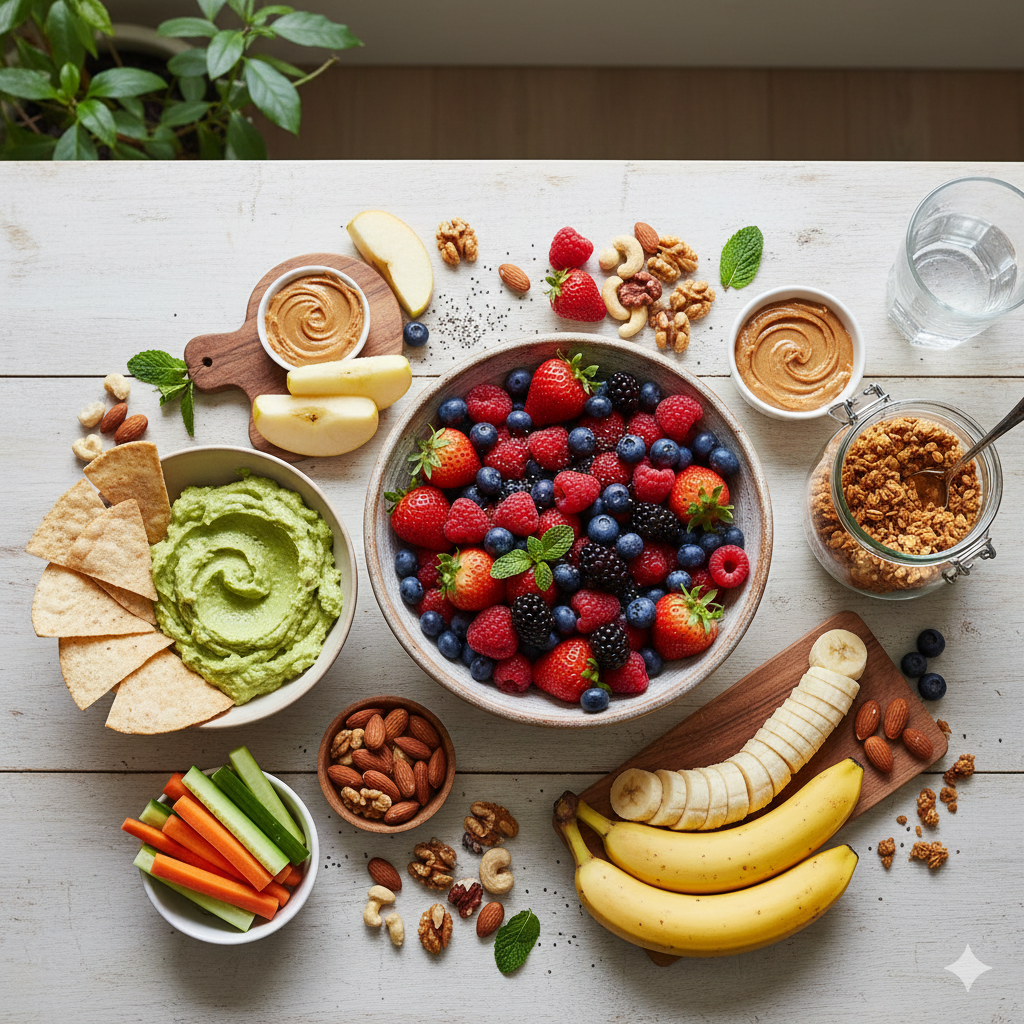
Snacking can be one of the most effective tools for steady energy, appetite control, and consistent progress toward health goals—when it is done with intention. The problem is not the snack itself; it is the modern tendency to snack impulsively on ultra-processed foods that are engineered to be irresistible and easy to overeat. With a few strategic adjustments, healthy snacking becomes a practical form of nutrition support rather than a dietary detour.
Why Healthy Snacking Matters for Your Overall Wellness
Well-planned snacks can stabilize blood sugar, improve concentration, and reduce the likelihood of arriving at meals overly hungry. They also offer additional opportunities to meet daily nutrient needs—especially protein, fiber, and micronutrients that may be missed in rushed meals. When you treat snacks as “mini-meals” with a purpose, you create a structure that supports long-term wellness and a more balanced relationship with food.
The Benefits of Healthy Snacking for Energy and Weight Management
For many people, the best snacks for weight loss are not the lowest in calories—they are the ones that prevent rebound hunger and support satiety. Snacks built around protein, fiber, and healthy fats digest more slowly, helping curb cravings and maintain steady energy between meals. This can reduce evening overeating, improve workout performance, and make overall intake easier to regulate without rigid restriction.
https://www.teepublic.com/t-shirt/50453003-hedgehog?store_id=2851997
Healthy snacking also supports adherence. A sustainable plan anticipates hunger rather than fighting it. When nutritious options are available, it becomes easier to choose foods aligned with your goals, whether that means maintaining weight, losing fat, or simply feeling more focused throughout the day.
Common Snacking Mistakes That Sabotage a Healthy Diet
Several predictable pitfalls undermine otherwise solid eating habits:
- Grazing without awareness: Eating straight from the bag or snacking while distracted can double portions without notice.
- Choosing “diet” snacks with little satiety: Some low calorie snacks are essentially refined carbs with minimal protein or fiber, leading to quick hunger returns.
- Relying on sugary convenience foods: Frequent spikes and crashes can amplify cravings and reduce energy consistency.
- Skipping protein: Without a protein anchor, snacks often feel unsatisfying and encourage additional nibbling.
- Waiting until you are ravenous: Extreme hunger makes portion control harder and increases the appeal of highly processed foods.
Top 10 Tips for Healthy Snacking Every Day
Healthy snacking is less about perfect choices and more about repeatable systems. The tips below combine nutrition principles with realistic habits so you can snack well at home, at work, and on-the-go.
Tip 1–5: Smart Strategies to Choose Nutritious Snacks
-
Build snacks around a “protein + fiber” foundation. Pairing protein with fiber is one of the simplest ways to increase satiety. Think Greek yogurt with berries, hummus with vegetables, or edamame with a piece of fruit. High protein snacks are especially helpful in the afternoon when energy tends to dip.
-
Prefer minimally processed, clean eating snacks. Aim for snacks that resemble their original ingredients: nuts, seeds, fruit, vegetables, plain yogurt, eggs, and legumes. This approach naturally limits added sugars and refined starches while increasing nutrient density.
-
Use a “two-component rule” to avoid empty calories. If your snack is primarily carbohydrate (such as fruit or crackers), add a second component like nut butter, cheese, or cottage cheese. If it is primarily fat (such as nuts), add fiber-rich produce. This improves fullness and balances macronutrients without complex tracking.
-
Watch liquid calories and “healthy-sounding” drinks. Smoothies, sweetened coffees, and bottled juices can be high in sugar and calories while offering limited satiety. If you want a beverage snack, choose options that support fullness—such as a protein shake with minimal added sugar or a smoothie built with protein and fiber.
-
Read labels with a specific purpose. Focus on added sugars, protein content, and fiber. A practical benchmark for packaged snacks is at least 8–10 grams of protein or 3–5 grams of fiber, with added sugar kept modest. This does not require perfection; it simply steers you toward more supportive choices.
Tip 6–10: Practical Healthy Snacking Habits You Can Stick To
-
Pre-portion snacks to make mindful snacking effortless. Portion awareness is easier when decisions are made in advance. Use small containers for nuts, trail mix, or yogurt, and plate your snack rather than eating from the package. This single habit can reduce accidental overconsumption while still allowing flexibility.
-
Create a “snack window” instead of all-day grazing. Many people do best with one planned snack in the late morning or afternoon. Setting a loose structure helps regulate appetite and prevents constant nibbling that can obscure true hunger cues.
-
Plan for your highest-risk moments. Identify when cravings typically strike—mid-afternoon at the office, late-night TV, or post-school pickup. Place quick healthy snacks within reach during those windows. When the environment supports you, willpower becomes less relevant.
-
Keep “emergency snacks” in strategic locations. For healthy snacks for work, keep shelf-stable options in your desk or bag: tuna packets, roasted chickpeas, protein bars with low added sugar, or nut packs. On-the-go readiness prevents last-minute reliance on vending machines and convenience foods.
-
Practice appetite calibration before snacking. Ask two brief questions: “Am I physically hungry?” and “What would satisfy me for at least two hours?” If the answer is uncertain, start with water or tea and wait ten minutes. If hunger persists, choose a snack with protein and fiber. This is mindful snacking in action—simple, not performative.
Best Healthy Snack Ideas for Every Craving
Cravings are not a personal failure; they are information. The most effective healthy snack ideas acknowledge taste preferences—sweet, salty, crunchy, or creamy—while improving nutrition quality. The goal is satisfaction with structure, not deprivation.
High-Protein and Low-Sugar Snack Ideas
- Plain Greek yogurt with cinnamon and a handful of berries (high protein, naturally low in sugar).
- Cottage cheese with sliced cucumber, cherry tomatoes, and cracked pepper.
- Hard-boiled eggs with a piece of fruit or raw vegetables.
- Edamame with a pinch of sea salt and chili flakes.
- Tuna or salmon packets with whole-grain crackers or cucumber slices.
- Turkey roll-ups with mustard and pickles, or with avocado for healthy fats.
- Protein chia pudding made with unsweetened milk, chia seeds, and a scoop of protein powder (ideal for a make-ahead option).
- Roasted chickpeas or broad beans for a crunchy, fiber-rich snack.
These options work well when you want high protein snacks that are also compatible with lower added sugar targets. They can be adapted to suit different calorie needs without sacrificing satiety.
Quick Healthy Snack Ideas for Work, School, and On-the-Go
https://www.teepublic.com/t-shirt/50453003-hedgehog?store_id=2851997
- Apple or pear with a single-serve nut butter packet.
- Baby carrots with hummus or a Greek-yogurt dip.
- Mixed nuts pre-portioned into small containers (a classic, portable choice).
- Cheese stick with grapes or a mandarin orange.
- Whole-grain toast with avocado and a sprinkle of hemp seeds.
- Overnight oats in a jar, prepared with chia seeds for added fiber.
- Air-popped popcorn with nutritional yeast or smoked paprika for a savory craving.
- Protein bar chosen for higher protein and lower added sugar when refrigeration is not possible.
When selecting quick healthy snacks, prioritize options that travel well and still align with your goals. If you are targeting low calorie snacks, control portions and pair produce with protein for improved fullness.
How to Build a Long-Term Healthy Snacking Routine
Consistency is rarely achieved through motivation alone. A sustainable approach relies on preparation, environmental design, and mindful decision-making. When healthy snacking becomes a routine rather than a daily negotiation, it supports clean eating habits and makes weight management far more attainable.
Planning and Prepping Healthy Snacks for the Week
Weekly preparation does not need to be elaborate. Choose two proteins, two produce options, and one crunchy item, then assemble easy combinations. For example: hard-boiled eggs, Greek yogurt, berries, sliced peppers, and roasted chickpeas. With those staples ready, most snack decisions become automatic.
For healthy snacks for work, prepare a dedicated “office kit” each week: portioned nuts, shelf-stable protein options, and a few grab-and-go fruits. If your schedule is unpredictable, add one backup option such as a low-sugar protein bar so you are not forced into last-minute compromises.
Mindful Eating Techniques to Control Portions and Cravings
Mindful snacking is not about eating slowly for its own sake; it is about preserving satisfaction while preventing unconscious overconsumption. Start by sitting down whenever possible and removing distractions for the first few minutes. Notice texture and flavor. This brief pause often reduces the urge to keep searching for “something else.”
Portion control becomes easier with simple rituals: plate your snack, close the pantry, and avoid multi-tasking during the first several bites. If cravings persist, consider whether you are under-eating at meals or consistently skipping protein. In many cases, the most effective craving strategy is not stricter rules, but more balanced meals.
Conclusion: Healthy snacking is a skill that improves with thoughtful structure: choose snacks with protein and fiber, keep portions visible, plan for predictable cravings, and stock practical options that travel well. Whether your focus is the best snacks for weight loss, cleaner ingredients, or steadier energy, small daily decisions compound quickly. With the right strategies and a short list of reliable healthy snack ideas, snacking can become one of the most supportive parts of your routine.
How to Create a Mindful Evening Routine
How to Stay Fit with Limited Equipment
The Best Sports Sunglasses for Outdoor Activities
The Best Online Fitness Classes
Celestial Stackmaster
Core Loop: Vertical block stacking with slicing physics.
Precision Rewards: “Perfect” drops snap into place with a glow effect.
Dynamic Difficulty: Block speed increases as you climb higher.
Atmospheric Visuals: A cosmic “Zenith” background with color-shifting fog that evolves with your score.
Responsive Controls: Fully playable on desktop (click) and mobile (tap).
Camera System: Dynamic camera that tracks your progress toward the stars.
How to Play
Objective: Stack blocks as high as possible without missing the tower.
Controls: Click or Tap anywhere to drop the moving block onto the stack.
Pro Tip: Align the block perfectly with the one below to keep its full size; otherwise, the overhanging part will be sliced off!