
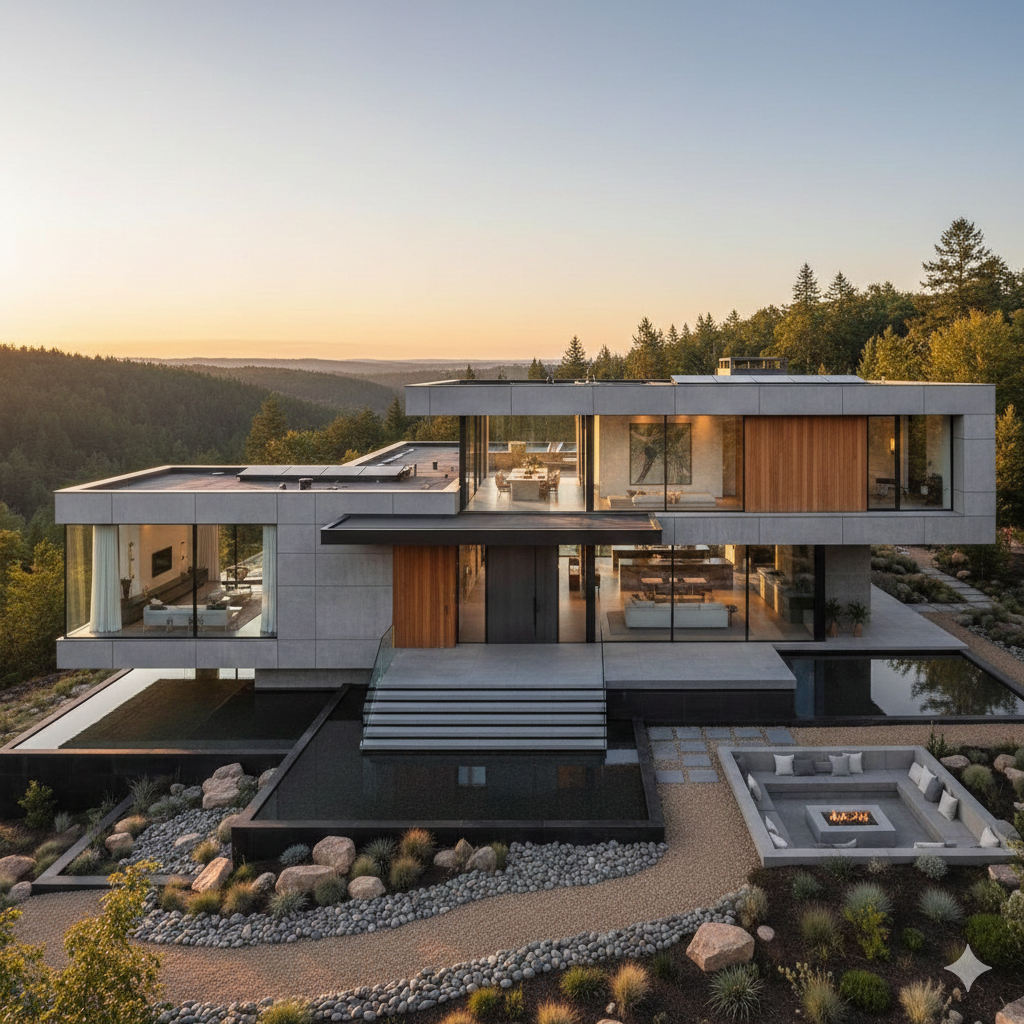
Modern homes are no longer defined solely by clean lines and neutral palettes. Today’s most influential interior design trends are shaped by how people live: flexible schedules, hybrid work, wellness priorities, and technologies that quietly optimize comfort. The result is a more intentional approach to the modern home interior—spaces that feel refined yet resilient, aesthetically coherent yet adaptable to change.
This guide explores the defining characteristics of contemporary living, the styles and materials leading the way, and practical strategies for applying contemporary home decor updates without sacrificing longevity or budget.
The Evolution of Interior Design Trends in Modern Homes
What Defines a “Modern Home” in 2026 and Beyond
A modern home in 2026 is best understood as a system rather than a static aesthetic. It privileges clarity of layout, purposeful storage, and finishes that support daily use. While the visual language may range from warm minimalism to expressive contemporary styling, the underlying principles are consistent: functional planning, tactile comfort, and a balanced relationship between privacy and openness.
https://www.teepublic.com/t-shirt/50452998-penguin-otter?store_id=2851997
Increasingly, modernity is also measured by performance. Sound control, improved indoor air quality, and energy-smart decisions have become integral to design conversations. This is where sustainable interior design moves from a niche preference to a defining standard—favoring durable materials, low-toxicity finishes, and products selected for long-term value rather than quick impact.
How Interior Design Trends Reflect Lifestyle and Technology
Interior design is now closely aligned with lifestyle design. Homes must support multiple modes—hosting, working, resting, exercising—often within the same footprint. As a result, spatial flexibility has become a premium feature: sliding partitions, modular seating, movable lighting, and adaptable storage solutions that reduce visual clutter.
Technology has also matured. Instead of drawing attention, it disappears into the background through integrated charging, discreet speakers, automated shading, and lighting scenes that follow circadian rhythms. The most successful updates treat smart features as infrastructure, not decoration, allowing the interior to remain calm and coherent.
Key Interior Design Trends Shaping Modern Living Spaces
Minimalist and Functional Design for Everyday Living
Minimalist interior design continues to influence modern spaces, but the current direction is less austere and more livable. The focus has shifted from emptiness to editing: reducing excess while elevating what remains. This approach relies on strong proportions, thoughtful negative space, and a limited material palette that creates harmony across rooms.
Functionality is equally central. Built-in cabinetry, concealed storage, and multi-purpose furnishings make everyday routines smoother. Look for pieces that earn their footprint—ottomans with hidden compartments, dining tables that expand without looking bulky, and wall systems that integrate media, books, and display niches in a single architectural gesture.
Color trends support this evolution. Warm neutrals, muted clays, soft stone tones, and deep organic hues replace stark whites. The overall effect is composed and modern, but with a human scale that invites daily use.
Biophilic Design: Bringing Nature Indoors
Biophilic design ideas have moved beyond adding a few plants. The trend now encompasses how homes handle light, airflow, texture, and sensory comfort. Natural materials—wood with visible grain, linen, wool, cork, and stone—add depth without visual noise. Layered lighting that mimics daylight variability makes interiors feel healthier and more expansive.
Nature-inspired design also influences form. Curved edges, rounded silhouettes, and irregular textures soften modern geometry. Indoor greenery remains important, but the most effective biophilic interiors treat plants as part of the composition: clustered at varying heights, paired with suitable planters, and positioned where they benefit from consistent light.
Biophilic design overlaps naturally with sustainability. Choosing responsibly sourced timber, recycled glass, low-VOC paints, and long-wearing textiles supports a home that feels better to live in and ages more gracefully.
Room-by-Room Interior Design Trends for Modern Homes
Living Room and Kitchen Trends for Open-Concept Spaces
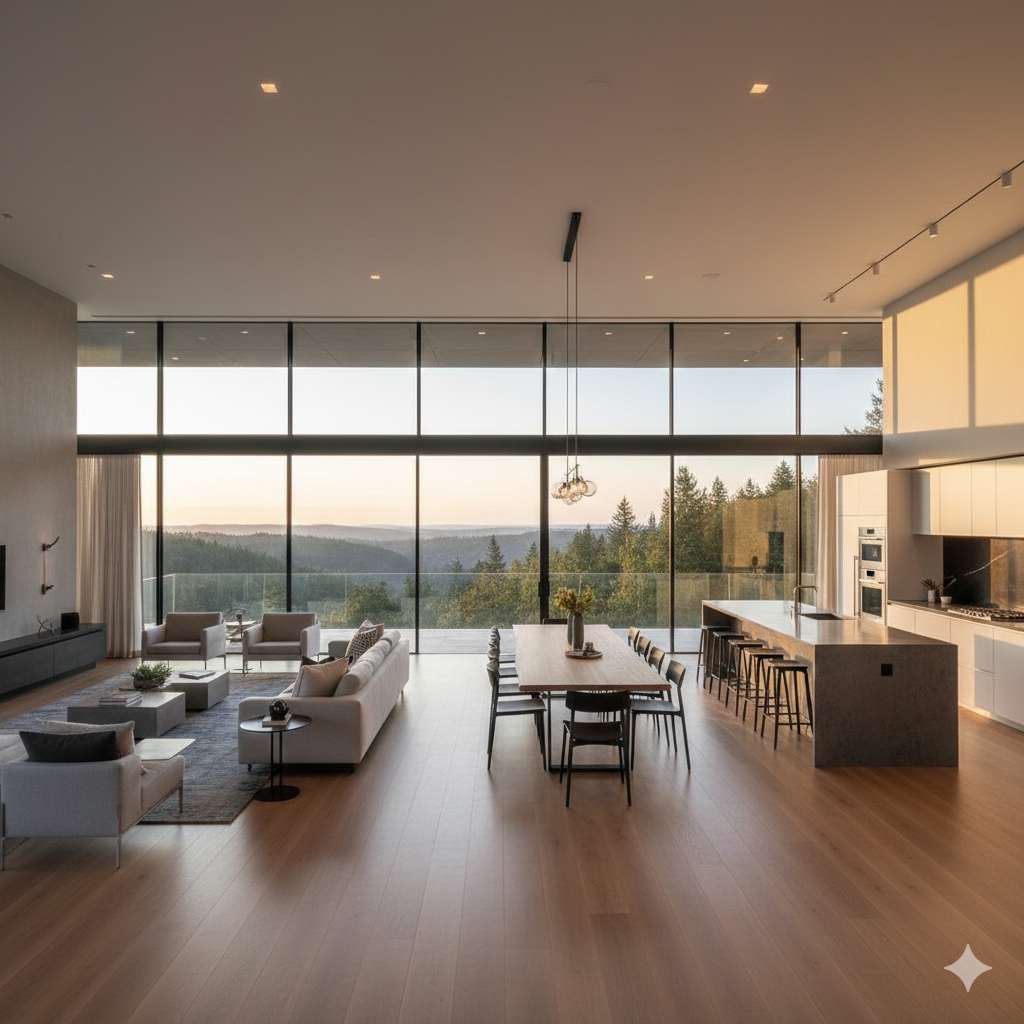
The open concept living room remains popular, but it is becoming more nuanced. Rather than one continuous expanse, modern layouts establish “zones” through area rugs, ceiling treatments, lighting groups, or changes in material. This zoning maintains the openness people enjoy while providing acoustic comfort and visual structure.
In living areas, low-profile seating, sculptural accent chairs, and textured upholstery dominate. Instead of matching sets, designers favor cohesive mixing: a restrained palette, repeated materials, and a few strong silhouettes. Storage is increasingly integrated—media consoles that conceal devices, floating shelves that feel architectural, and wall units that balance display with closed cabinetry.
Modern kitchen trends emphasize both clarity and character. Expect more fluted panels, tactile matte finishes, and warmer wood tones paired with stone or porcelain surfaces. Handleless cabinetry remains relevant, but many homeowners are reintroducing discreet pulls for ergonomics and visual detail. Lighting is treated as a design layer: statement pendants over islands, under-cabinet task lighting, and soft ambient illumination for evenings.
Kitchen functionality is also evolving. Appliance garages, integrated waste and recycling, and secondary “prep zones” reduce countertop clutter. Where space allows, compact pantry rooms or tall pantry walls offer storage without disrupting the kitchen’s clean lines—an elegant way to support a minimalist aesthetic without sacrificing convenience.
Bedroom, Bathroom, and Home Office Trends for Comfort and Productivity
Bedrooms are shifting toward restorative design: fewer visual distractions, more textural layering, and lighting that supports winding down. Upholstered headboards, subtle wall treatments, and balanced symmetry create calm. Storage is designed to be invisible—built-ins, streamlined wardrobes, and nightstands that conceal essentials so surfaces remain clear.
Bathrooms increasingly resemble boutique retreats. Spa-like materials, softly veined stone looks, and warm metals replace high-contrast, overly clinical finishes. Walk-in showers with minimal framing, wall-mounted vanities, and integrated niches keep the room visually open. Practicality matters as well: humidity-resistant lighting, easy-clean surfaces, and storage for daily rituals help maintain the serene appearance.
Hybrid work has permanently raised expectations for home office design trends. A modern office is not just a desk in a spare room; it is a tailored productivity zone. Acoustic elements—rugs, curtains, upholstered seating, and wall panels—improve focus. Ergonomic chairs and adjustable desks are now considered foundational. Visually, offices are becoming more residential, using refined materials, curated shelves, and layered lighting to blend seamlessly with the rest of the home.
How to Incorporate Modern Interior Design Trends in Your Home
Budget-Friendly Ways to Update Your Interior Style
Adopting a contemporary look does not require a full renovation. Start with changes that recalibrate the atmosphere. Paint is one of the most effective tools: choose warm neutrals or muted earth tones to modernize instantly while keeping the palette flexible for future updates.
Next, refine lighting. Replace outdated fixtures, add dimmers, and introduce layered sources—floor lamps, sconces, and warm LED strips—to create depth. Textiles offer similarly high impact: switch to natural-fiber curtains, add a textured rug to define zones, and introduce pillows or throws in nuanced tones rather than loud patterns.
For a modern upgrade aligned with sustainable interior design, prioritize quality over quantity. One well-made side table in solid wood or a durable sofa in a performance fabric will outlast several cheaper replacements. Consider vintage and secondhand options for distinctive pieces that add character while reducing environmental impact.
Mistakes to Avoid When Following Interior Design Trends
The most common misstep is treating trends as directives rather than references. A home becomes dated quickly when every surface imitates the same moment in time. Instead, build a timeless foundation—flooring, major furniture, and core finishes—then express trends through elements that are easier to change, such as paint, lighting, and accessories.
Another mistake is over-minimalism. Minimalist spaces succeed when they are not merely sparse, but thoughtfully composed. If storage, lighting, and proportions are neglected, the result feels cold rather than elevated. Similarly, with biophilic styling, avoid scattering plants randomly. A few well-placed groupings, supported by appropriate light and cohesive planters, will look intentional and remain healthy.
Finally, do not overlook function. A modern interior that photographs well but fails in daily use will quickly become frustrating. Evaluate circulation paths, seating comfort, desk ergonomics, and storage capacity before investing in cosmetic changes. True contemporary design is practical elegance.
Conclusion
The interior design trends defining modern homes are less about spectacle and more about intelligent living. Minimalism is evolving into warmer, more functional environments. Biophilic principles are reshaping material choices and lighting strategies. Open-plan living is becoming better zoned and more comfortable, while bedrooms, bathrooms, and home offices are designed around wellbeing and performance.
When approached thoughtfully, a modern home interior can be both current and enduring—anchored by quality, guided by lifestyle, and refined through details that elevate everyday life.
How to Meditate for Forgiveness
The Best Workout Playlists for Motivation
Top 5 Ways to Boost Your Metabolism
Celestial Stackmaster
Core Loop: Vertical block stacking with slicing physics.
Precision Rewards: “Perfect” drops snap into place with a glow effect.
Dynamic Difficulty: Block speed increases as you climb higher.
Atmospheric Visuals: A cosmic “Zenith” background with color-shifting fog that evolves with your score.
Responsive Controls: Fully playable on desktop (click) and mobile (tap).
Camera System: Dynamic camera that tracks your progress toward the stars.
How to Play
Objective: Stack blocks as high as possible without missing the tower.
Controls: Click or Tap anywhere to drop the moving block onto the stack.
Pro Tip: Align the block perfectly with the one below to keep its full size; otherwise, the overhanging part will be sliced off!