
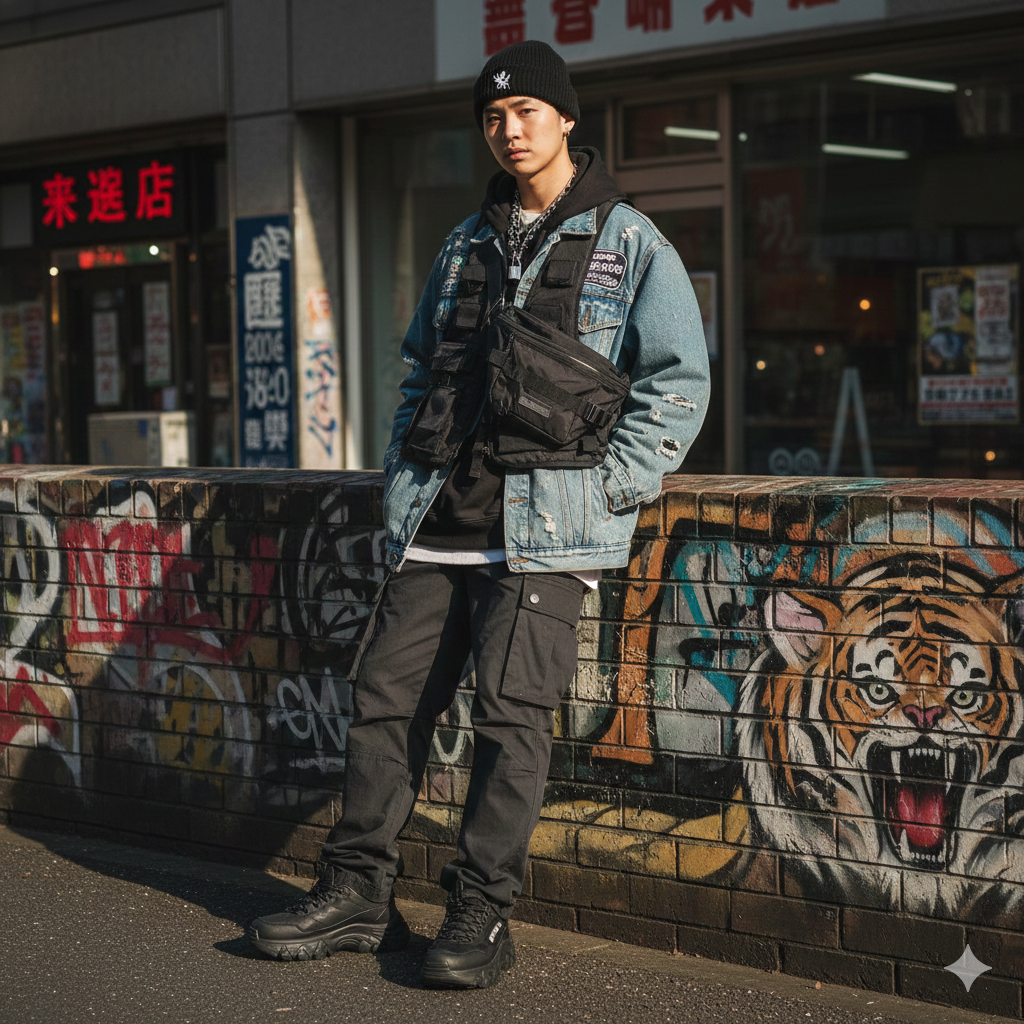
Streetwear fashion has evolved from a niche subculture into one of the most influential forces in global style and consumer culture. No longer confined to skate parks or underground scenes, it now shapes luxury collections, brand collaborations, and everyday wardrobes across the world. Understanding streetwear today means understanding how culture, identity, and commerce intersect in powerful ways.
This guide explores streetwear fashion in depth: what it is, why it matters, how to use streetwear strategies to build a compelling personal style or brand, and how to measure success and anticipate future trends. Whether you are a fashion enthusiast, a brand marketer, or a retailer, this streetwear fashion guide offers structured insights, best practices, and practical examples to help you navigate this dynamic landscape.
Understanding Streetwear Fashion: Definition, Importance, and Core Concepts
What Is Streetwear Fashion and Why It Matters Today
Streetwear fashion is a style movement grounded in casual, urban-inspired clothing that draws from skate culture, hip-hop, sportswear, and youth subcultures. It is characterised by relaxed silhouettes, graphic elements, sneakers, and an emphasis on individuality and cultural expression rather than traditional fashion rules.
Originally emerging in the 1980s and 1990s through skate brands and independent labels from cities like New York, Los Angeles, and Tokyo, streetwear was primarily a countercultural response to mainstream fashion. Today, it has become a dominant fashion language, informing how luxury houses design collections and how global consumers express identity.
Streetwear matters today for several reasons:
- Cultural relevance: It mirrors music, art, and social movements, giving people a way to signal values, affiliations, and aspirations.
- Economic power: Streetwear drops and collaborations often sell out within minutes, generating substantial demand and resale markets.
- Digital influence: Social media, influencers, and online communities have amplified the visibility and desirability of streetwear brands and looks.
- Inclusivity of style: Unlike traditional fashion hierarchies, streetwear welcomes mixing luxury with mass-market items, vintage pieces, and DIY customisations.
Understanding how to use streetwear fashion in your wardrobe or brand strategy is no longer optional; it is essential to staying relevant in a visually driven, culture-first market.
Key Benefits and Real-World Impact of Streetwear Fashion
The benefits of streetwear fashion go beyond aesthetics. It influences how individuals feel and how brands position themselves in highly competitive environments.
For individuals, streetwear fashion offers:
- Authentic self-expression: Through logos, graphics, and fits, people can communicate interests, communities, and beliefs.
- Comfort and functionality: Streetwear prioritises wearability—hoodies, joggers, sneakers—allowing style without sacrificing practicality.
- Flexibility and versatility: Pieces can easily shift from casual daywear to more polished evening looks with minimal adjustments.
For brands and retailers, the benefits are strategic:
- Stronger brand affinity: When executed well, streetwear strategies create loyal communities rather than passive customers.
- High engagement and buzz: Limited releases, collaborations, and storytelling generate anticipation and organic word-of-mouth.
- New revenue streams: From capsule collections to resale partnerships, streetwear enables differentiated, margin-rich offers.
Real-world streetwear fashion examples—such as sportswear brands partnering with artists, or heritage labels embracing graphic-driven collections—demonstrate how this style can reshape perception, attract younger audiences, and revitalise brand narratives.
Key Strategies and Best Practices for Streetwear Fashion
Proven Techniques to Implement Streetwear Fashion Effectively
To integrate streetwear fashion in a coherent and strategic way, it is useful to view it through two lenses: personal styling and brand/business positioning. The following streetwear fashion strategies apply in both contexts with slight adaptation.
1. Start from culture, not trends
Streetwear is rooted in culture. Study music scenes, art movements, subcultures, and city-specific aesthetics. Draw inspiration from skate crews, underground artists, or local sports teams rather than copying surface-level looks from social media. This approach ensures longevity and authenticity.
2. Build around key staples
A strong streetwear wardrobe or collection starts with foundational pieces:
- Quality hoodies and crewneck sweatshirts
- Relaxed or straight-leg denim and cargo trousers
- Statement T-shirts with refined graphics or typography
- Versatile outerwear such as bomber jackets, puffer jackets, or workwear-inspired coats
- Distinctive sneakers that anchor the entire look
Use these staples as a framework, layering in more experimental pieces where appropriate.
3. Prioritise fit and proportion
Streetwear fashion best practices place great emphasis on silhouette. Oversized tops with slimmer bottoms, wide-leg trousers with fitted tees, or layered outerwear can all create visual interest. Test different proportions to find what feels contemporary but personal.
4. Leverage storytelling and collaboration
For brands, collaboration is one of the most effective streetwear strategies. Partner with artists, musicians, or niche labels that resonate with your audience. Support each collaboration with a compelling narrative: why this partnership exists, what it represents, and how it connects to your broader brand values.
5. Use scarcity thoughtfully
Limited drops, numbered editions, and short-run capsules can heighten desirability when used judiciously. Scarcity should feel justified by design quality, concept, or craftsmanship, not as an arbitrary tactic to inflate demand.
6. Balance statement pieces with subtlety
Even in a bold domain like streetwear, restraint is powerful. Mix loud graphics with minimal basics, or pair striking sneakers with neutral garments. This balance keeps looks refined rather than chaotic.
Common Mistakes to Avoid When Applying Streetwear Fashion
Numerous brands and individuals attempt to embrace streetwear but fall into predictable traps. Recognising these mistakes is essential to applying streetwear fashion correctly.
1. Imitating without context
Copying famous streetwear outfits or campaigns without understanding their cultural background leads to inauthentic results. It can also alienate communities whose aesthetics are being borrowed without respect.
2. Overloading logos and branding
Excessive logo stacking and branding, particularly when combining multiple major labels in one outfit, can feel forced. A strategic logo hit has more impact than an entire look covered in visible marks.
3. Ignoring quality
Streetwear is casual, but that does not mean careless. Poor fabric, weak construction, and generic prints undermine the perceived value of any piece. Consumers increasingly notice—and expect—quality.
4. Chasing every microtrend
Constantly shifting from one fleeting streetwear trend to another dilutes identity. Focus on a clear aesthetic direction and integrate new influences gradually, ensuring they align with your core message.
5. Misjudging audience and price point
Some brands misapply streetwear fashion by appending high price tags to basic items without corresponding value or story. Audiences are sensitive to perceived opportunism and will quickly move on.
Following streetwear fashion best practices entails disciplined editing and long-term thinking rather than pursuing quick wins.
Step-by-Step Guide to Implementing Streetwear Fashion
Preparations, Tools, and Resources You Need to Get Started
Before applying streetwear fashion strategies, lay a strong foundation. This preparation phase is crucial whether you are refining your personal style or developing a brand offering.
1. Define your objective
- Individuals: Clarify whether you aim to build a signature look, refresh your wardrobe, or create content around streetwear fashion.
- Brands: Decide if you are launching a full streetwear line, a capsule collection, or simply integrating elements into existing products.
2. Research references and case studies
Collect streetwear fashion examples that align with your vision. Analyse successful labels, editorial shoots, and lookbooks. Note fabrics, colour stories, and styling choices. Pay attention to how different markets interpret streetwear: American, Japanese, Korean, and European scenes each bring distinct nuances.
3. Audit your current wardrobe or product range
- Identify pieces that already fit a streetwear framework (hoodies, denim, sneakers, sports jerseys).
- Highlight gaps that need filling (outerwear, accessories, or core basics).
- For brands, perform a line review to determine which products can be restyled or repositioned.
4. Assemble essential tools and resources
- For individuals: Basic tailoring access (for adjusting fit), reliable sneaker care products, and a curated set of inspiration sources (magazines, platforms, lookbooks).
- For brands: Mood boards, trend reports, technical design tools, production partners experienced in streetwear silhouettes, and a content plan for launch.
5. Establish a cohesive visual identity
Choose a palette, typography style (for graphics and logos), and core motifs. This identity will guide design decisions and help your streetwear approach feel deliberate rather than random.
Actionable Steps to Optimize Results with Streetwear Fashion
The following streetwear fashion step-by-step framework is designed for practical application. Adapt the sequence to your context while maintaining the overall logic.
Step 1: Start with a capsule of essentials
- Select 8–12 key items that define your base silhouette: two hoodies, two pairs of trousers, two tees, one jacket, one pair of sneakers, and a couple of versatile accessories.
- Ensure everything can be mixed and matched, with complementary colours and fits.
Step 2: Introduce a signature element
- For individuals, this might be a particular colour, a recurring graphic style, or a preferred type of outerwear.
- For brands, define a recognisable design code—unique cut lines, custom typography, or a recurring emblem.
Step 3: Experiment with layering and proportion
- Combine longer tees with cropped jackets, oversized hoodies with structured trousers, or light outerwear under heavier coats.
- Photograph or document looks to assess what reads best on camera and in real life.
Step 4: Integrate statement sneakers and accessories
- Use footwear, caps, bags, and jewellery to refine the mood: sporty, minimal, experimental, or archival.
- Keep the balance in mind—if sneakers are bold, consider moderating other elements of the outfit.
Step 5: Refine through feedback
- For individuals, pay attention to which outfits attract compliments or feel most aligned with your identity.
- For brands, monitor customer reactions, sell-through data, and social engagement to understand what resonates.
Step 6: Gradually scale complexity
- Once your foundation is stable, introduce more experimental items: technical fabrics, unconventional prints, or distinctive cuts.
- Plan limited-edition projects or collaborations to test new directions without overwhelming your core offer.
Applying these streetwear fashion tips in a structured way ensures you build a coherent style language rather than a collection of disconnected trends.
Measuring Success and Future Trends in Streetwear Fashion
Essential Metrics and KPIs to Track Performance
Streetwear fashion is often associated with intuition and creativity, but performance measurement is crucial, especially for brands and content creators. Clear metrics reveal whether your streetwear strategies and executions are working.
Key metrics for brands and retailers:
- Sell-through rate: How quickly streetwear drops or collections sell relative to initial inventory.
- Average order value (AOV): Whether streetwear products encourage customers to purchase additional items.
- Repeat purchase rate: The proportion of customers returning to buy subsequent releases.
- Engagement metrics: Likes, comments, shares, and saves on lookbooks, launch teasers, and product posts.
- Waitlist and preorder volumes: A leading indicator of demand for future drops.
- Resale activity: Presence and premium on secondary markets, which often signals cultural relevance and perceived value.
Key indicators for individuals and creators:
- Audience growth: Followers, newsletter subscribers, or community members attracted by your streetwear content.
- Engagement consistency: The regularity with which your outfits or styling posts trigger authentic interaction.
- Collaboration opportunities: Invitations from brands, publications, or other creators.
- Personal satisfaction and coherence: How well your evolving streetwear style reflects your identity and long-term vision.
Setting clear benchmarks and reviewing them regularly allows you to adjust streetwear fashion strategies intelligently rather than reacting impulsively to isolated trends.
Emerging Trends and How to Stay Ahead with Streetwear Fashion
Streetwear continues to evolve. Anticipating future movements enables you to invest in the right areas, refine offerings, and maintain a competitive edge.
1. Sustainability and responsible production
There is growing pressure on fashion to address environmental and ethical concerns. In streetwear, expect increased emphasis on:
- Recycled and organic materials
- Transparent supply chains
- Timeless designs that encourage longer wear
- Repair, customisation, and upcycling services
Integrating these principles into your streetwear fashion best practices will become less a differentiator and more a baseline expectation.
2. Localised identity and micro-communities
While streetwear has global reach, consumers increasingly value local stories. City-specific colour palettes, references to neighbourhoods or regional music scenes, and micro-community collaborations will gain importance.
3. Digital-first and virtual fashion
From augmented reality try-ons to digital-only garments for social media or virtual environments, streetwear is extending beyond physical products. Brands that embrace these tools early—experimenting with limited digital drops or AR experiences—can reach new audiences and explore novel revenue streams.
4. Hybridisation with tailoring and technical wear
Blending streetwear silhouettes with refined tailoring or performance fabrics is becoming more prevalent. Think structured blazers paired with sneakers, or technical outerwear combined with classic streetwear bases. This hybridisation reflects shifting work patterns and the disappearance of strict dress codes.
5. Data-informed creativity
As analytics tools become more accessible, streetwear strategies will increasingly be guided by a combination of creative intuition and data. Understanding what drives engagement, loyalty, and conversion will inform more targeted designs, drops, and content.
To stay ahead in streetwear fashion, continuously refine your references, monitor cultural shifts, and remain willing to update your approach while maintaining a clear core identity.
Conclusion
Streetwear fashion is far more than a passing style trend. It is a complex, culturally charged ecosystem that bridges music, art, sport, and digital life. Mastering it requires both aesthetic sensitivity and strategic thinking.
By understanding the definition and importance of streetwear, applying disciplined best practices, following a structured step-by-step approach, and tracking relevant metrics, you can build a distinctive presence—whether as an individual, brand, or retailer. As emerging trends reshape the landscape, those who stay informed, authentic, and responsive will continue to thrive within this influential domain.
Top Interior Design Mistakes and How to Avoid Them
streetwear fashion vibe urban
Zoo-doku