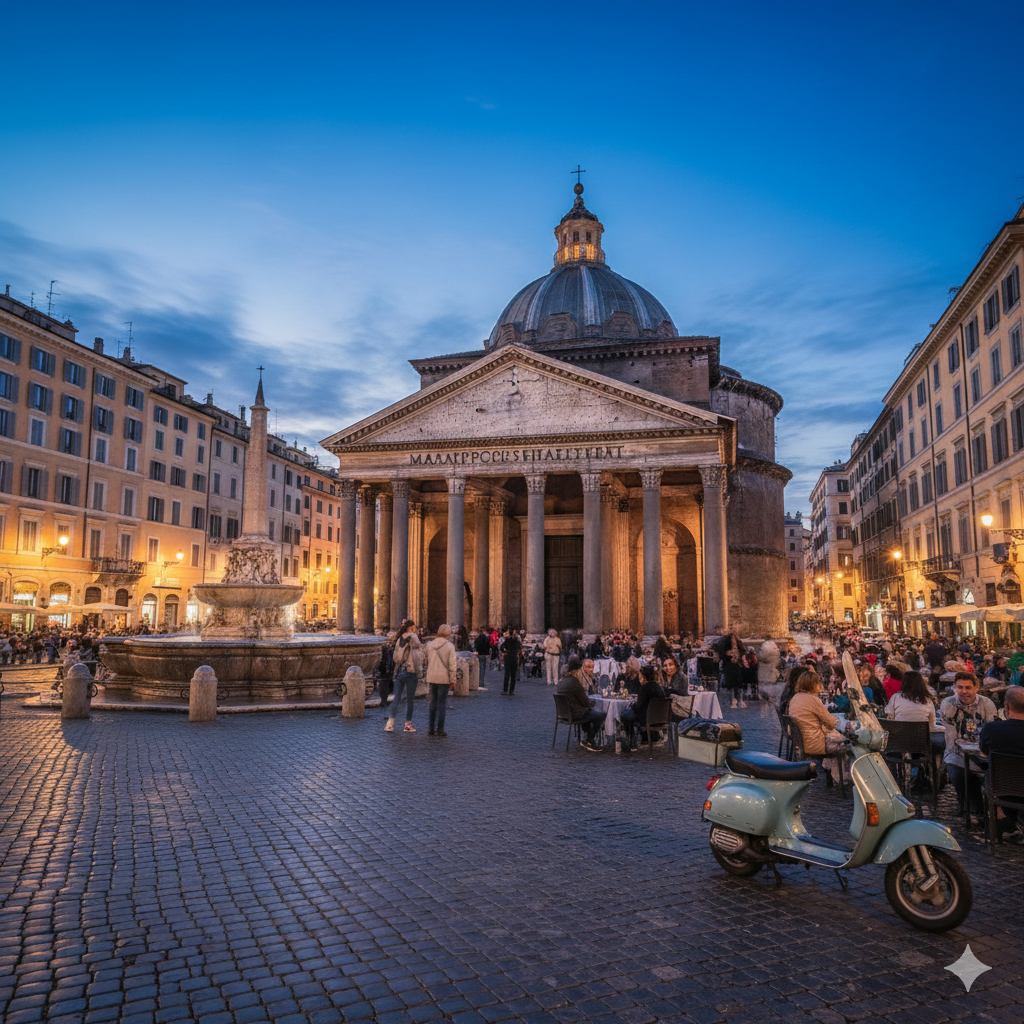
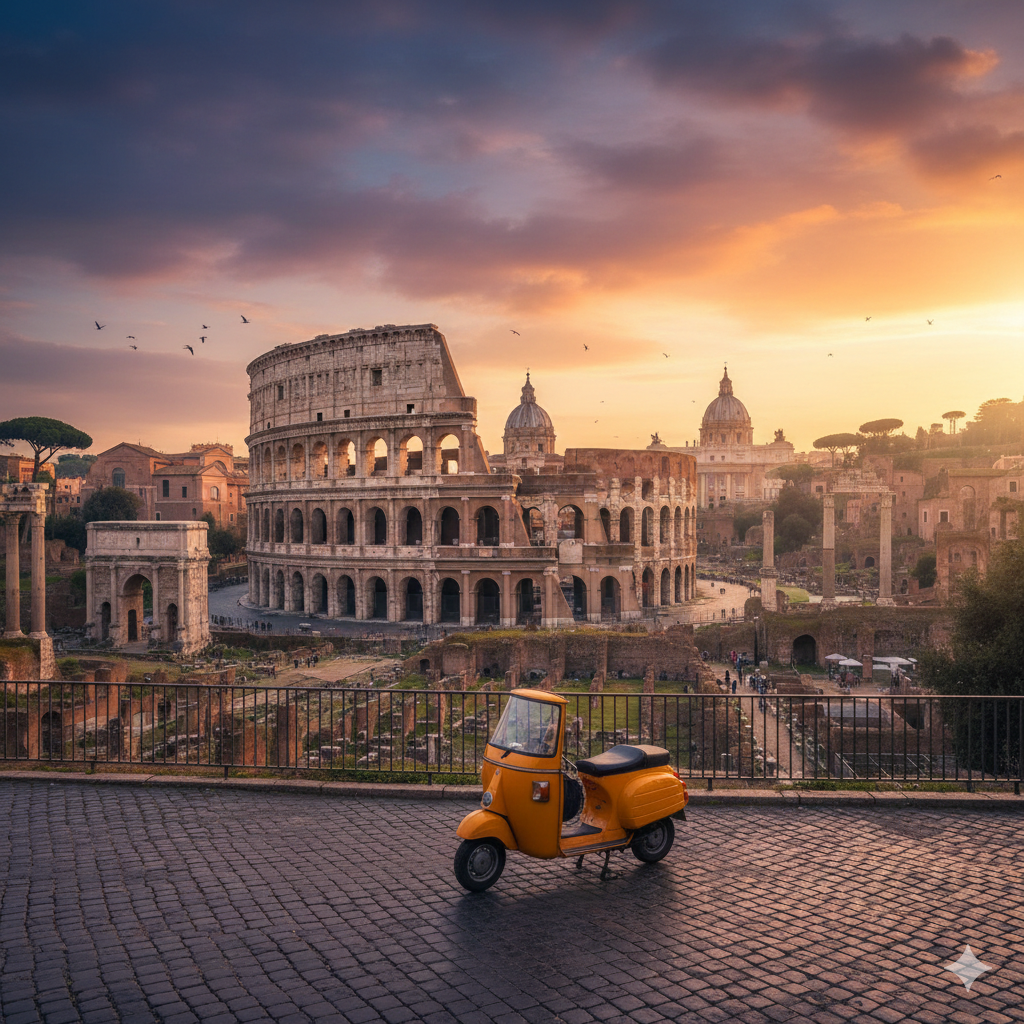
Rome is more than a destination; it is a living archive of Western civilization, a city where millennia of art, politics, faith, and daily life intersect in every street and piazza. Understanding Rome means looking beyond its postcard landmarks and appreciating the deeper historical, cultural, and urban dynamics that shape the Eternal City today.
Understanding the Importance of Rome
Benefits of Rome
Visiting or studying Rome yields benefits that go far beyond tourism. For historians, architects, and archaeologists, the city is an open-air textbook. Layers of the ancient, medieval, Renaissance, Baroque, and modern eras stand side by side, offering rare continuity of urban evolution. This unique stratification allows researchers to examine how cities adapt over centuries without losing their identity.
For travelers and students of culture, the benefits of Rome lie in its unparalleled capacity to connect abstract knowledge with tangible reality. Concepts learned in books—Roman law, the spread of Christianity, Renaissance humanism—become concrete when experienced through monuments like the Forum, the Vatican, and the palazzi along the Tiber. Such immersion deepens understanding and cultural literacy in a way no classroom alone can achieve.
Rome also benefits businesses and professionals. Its status as Italy’s political capital and a major European hub draws international conferences, diplomatic missions, and cultural institutions. Professionals gain exposure to a dynamic environment where heritage conservation, tourism, technology, and urban planning constantly intersect. This convergence makes Rome an ideal case study for those interested in sustainable city management, cultural economics, and creative industries.
Common Misconceptions About Rome
Despite its fame, Rome is often misunderstood. One of the most persistent misconceptions is that Rome is simply an “ancient city,” frozen in the past. In reality, it is a modern metropolis of millions, grappling with contemporary challenges such as transport infrastructure, housing, and environmental pressure, all while safeguarding its irreplaceable heritage. Seeing it only as a museum undermines its present-day dynamism.
Another common misconception about Rome is that it can be fully appreciated in a brief stay focused only on major monuments. The Colosseum, Trevi Fountain, and Vatican Museums are significant, yet they represent only a fragment of the city’s complexity. Neighborhoods such as Trastevere, Testaccio, Ostiense, and the lesser-known suburban areas reveal the everyday rhythms and evolving identities that define Rome today.
A third misunderstanding is that Rome’s cultural life belongs solely to the church and classical antiquity. In truth, Rome hosts a thriving contemporary art scene, innovative gastronomy, and emerging technological districts. Modern galleries, street art corridors, experimental theaters, and film studios coexist with basilicas and ruins, proving that Rome is as forward-looking as it is retrospective.
How to Get Started with Rome
Essential Tools and Resources
Getting started with Rome—whether as a visitor, student, or professional—requires a methodical approach and the right tools. Reliable maps and navigation apps are indispensable, not only for orientation but also for understanding how the city’s historical centers connect to newer districts. Layered city maps that indicate archaeological sites, public transport lines, and walking paths allow a more structured exploration.
Historical and cultural resources are equally important tools for Rome. Scholarly guidebooks, academic articles, and documentary series provide essential context for sites and monuments. Online archives from institutions such as the Vatican Library, Italian cultural ministries, and local universities offer digitized manuscripts, plans, and photographs that deepen knowledge beyond surface impressions.
For those working with Rome from a professional perspective—urban planners, heritage managers, cultural operators—specialized tools for Rome include geographic information systems (GIS), heritage databases, and conservation guidelines. Access to municipal planning documents and archaeological reports enables evidence-based decision-making that respects both community needs and legacy preservation.
https://www.teepublic.com/t-shirt/50280539-beautiful-butterfly?store_id=2851997
Step-by-Step Guide to Implementation
To derive meaningful value from Rome, it is useful to follow a structured, step-by-step process. First, clarify your main objective. Are you analyzing the city for academic research, planning a high-impact cultural itinerary, or exploring opportunities in heritage-oriented business sectors? A defined purpose will shape every subsequent decision.
Second, identify a core area of focus within Rome: ancient archaeology, ecclesiastical history, urban morphology, contemporary culture, or socio-economic dynamics. Concentrating on a specific aspect prevents superficial engagement and allows for deeper, more coherent exploration. Curate a reading list and digital resources centered on that focus before engaging directly with the city.
Third, design a thematic route or research framework. For example, if you are studying urban evolution, trace the transformation from the Republican Forum to the modern political quarter. If your interest lies in art history, progress chronologically from classical sculpture to Renaissance frescoes and contemporary installations. This step-by-step structure ensures that encounters with the city contribute to a progressive, cumulative understanding.
Fourth, immerse yourself on site. Walk the streets, observe local patterns, and visit institutions relevant to your theme—museums, archives, community centers, and universities. Document your observations systematically through notes, photographs, and sketches. This primary data complements theoretical knowledge and reveals nuances that published sources may overlook.
Finally, synthesize your findings. Compare initial expectations with actual experience, identify connections between different historical periods, and assess how Rome’s past continues to inform its present. This reflective phase transforms scattered impressions into coherent insight, solidifying your mastery of the subject.
Advanced Strategies for Mastering Rome
Analyzing Competitor Approaches
For institutions, cultural operators, or tourism professionals, advanced Rome strategies involve carefully analyzing how others interpret and present the city. Examining competitor approaches—such as museum narratives, guided tour structures, or academic programs—reveals both prevailing trends and gaps in the market.
Begin by mapping organizations that engage with Rome’s heritage: museums, tour companies, universities, cultural associations, and digital platforms. Evaluate how each entity positions Rome. Do they emphasize antiquity, religious heritage, or modern creativity? How do they balance depth of content with accessibility? This analysis clarifies how the story of Rome is currently being told and where differentiation is possible.
Next, scrutinize the methods competitors use to communicate Rome’s complexity. Interactive exhibits, multimedia guides, augmented reality reconstructions, and thematic walking itineraries are increasingly widespread. Identifying the strengths and limitations of these approaches allows you to design experiences that are more rigorous, more engaging, or more inclusive. Advanced Rome strategies often emerge from improving on existing models rather than inventing entirely new ones.
Finally, analyze audience engagement. Examine reviews, academic critiques, and visitor feedback to understand which interpretations of Rome resonate most strongly. Are people seeking quiet contemplation, scholarly depth, or immersive storytelling? By learning from both successful and flawed initiatives, you can craft more refined and responsive approaches to presenting Rome.
Measuring Success and Adjusting Tactics
Measuring success in Rome-related projects—whether educational programs, cultural initiatives, or specialized itineraries—requires both quantitative and qualitative indicators. Numerical metrics might include attendance figures, repeat visits, membership growth, or participation in seminars and workshops. Digital indicators, such as engagement on educational platforms or virtual tour usage, also contribute valuable data.
Equally important are qualitative measures. Surveys, interviews, and open-ended feedback reveal whether participants feel they gained deeper understanding, developed new perspectives, or changed their behavior in response to their experience of Rome. For academic or professional projects, peer review and expert evaluation provide another layer of assessment.
Once you have gathered data, compare outcomes with your initial objectives. If your aim was to showcase lesser-known neighborhoods, analyze whether your audience ventured beyond standard monuments. If you sought to highlight contemporary issues—migration, gentrification, environmental sustainability—evaluate how clearly those themes emerged and how audiences responded.
Based on this analysis, adjust your tactics. Refine thematic routes, enhance explanatory materials, diversify communication channels, or re-balance historical and contemporary content. Measuring success in Rome should be treated as an ongoing cycle: design, implement, assess, and refine. This iterative approach ensures that your engagement with the city remains accurate, relevant, and impactful over time.
Frequently Asked Questions About Rome
What are the Biggest Challenges?
Rome faces a series of interconnected challenges that influence how it is experienced and studied. One of the biggest issues is the tension between mass tourism and fragile heritage. Popular sites endure constant pressure, leading to wear, overcrowding, and the risk of reducing profound historical environments to mere backdrops for quick visits.
Another major challenge is urban management. Balancing the preservation of archaeological layers with the infrastructure needs of a contemporary capital is extraordinarily complex. Construction projects must respect underground remains, while existing neighborhoods demand improved services. This delicate equilibrium often slows development and demands careful planning.
Social and economic disparities present further obstacles. While some districts benefit from cultural investment and international attention, others struggle with limited resources and visibility. Ensuring that Rome’s heritage benefits local communities—not just visitors—remains an ongoing concern for policymakers and cultural practitioners.
How to Overcome Common Obstacles?
Overcoming Rome challenges requires coordinated, multi-level responses. To mitigate the impact of mass tourism, stakeholders increasingly promote dispersed itineraries that highlight secondary sites and lesser-known neighborhoods. This strategy relieves pressure on iconic monuments while revealing a more comprehensive portrait of the city. Educators and cultural operators play a pivotal role by designing content that encourages depth over speed.
From an urban perspective, Rome can address obstacles through integrated planning and innovative technology. Detailed mapping of archaeological zones, smart traffic systems, and rigorous building regulations allow for modern infrastructure while respecting historical layers. Collaboration between archaeologists, engineers, architects, and residents is essential to produce solutions that are both technically sound and socially acceptable.
To combat social inequality and ensure inclusive benefits of Rome’s heritage, targeted community projects are vital. Local cultural centers, educational initiatives, and neighborhood-based festivals can connect residents with their own heritage in a meaningful way. Prioritizing local employment in cultural institutions and encouraging community-led tours or exhibitions help distribute opportunities more evenly across the city, turning Rome’s legacy into a resource for all.
In conclusion, mastering Rome involves more than memorizing names and dates. It requires understanding why the city matters, how its layers interlock, and what it means to live, work, and study within such a dense historical environment. By using appropriate tools, following a structured process, applying advanced strategies, and confronting its challenges thoughtfully, one can engage with Rome in a way that is both intellectually rigorous and profoundly enriching.
How to Practice Mindful Cooking
Interior Design Ideas for a Stylish Home Makeover
Interior Design Trends Inspired by Nature
rome-city-destination, lifestyle,rome-sweet-rome,vacancy-travel-ideas
Zoo-doku