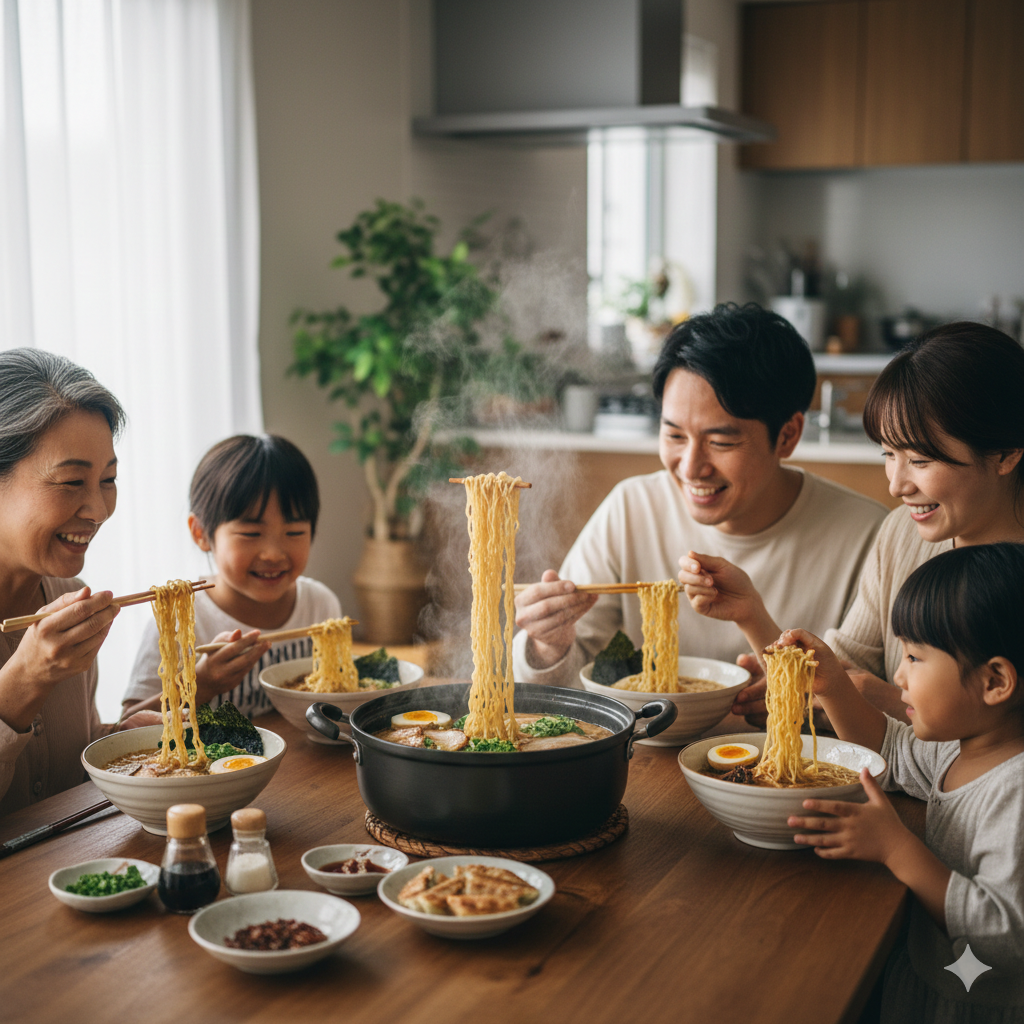
Types, Ingredients and How to Make Authentic Ramen at Home
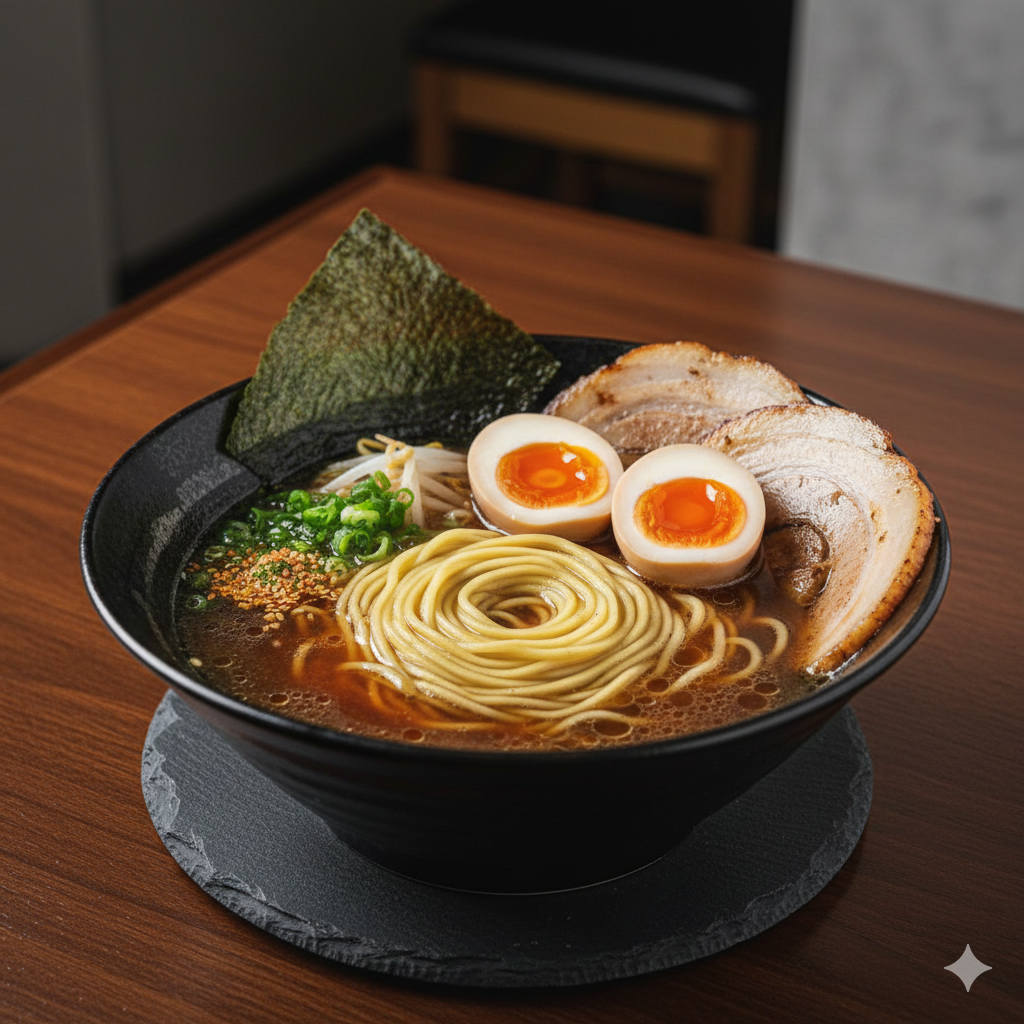
Discover authentic ramen recipes, popular types, essential ingredients, and expert tips to make rich, flavorful Japanese ramen at home.
Ramen has evolved from a humble bowl of noodles into a global culinary icon. Revered for its complex broths, springy noodles, and artful toppings, Japanese ramen offers a complete sensory experience rather than a simple meal. Whether you are a curious beginner or a seasoned enthusiast, understanding what defines a remarkable bowl of ramen will deepen your appreciation and help you make better choices at restaurants and in your own kitchen.
What is Ramen?
Ramen is a Japanese noodle dish consisting of wheat noodles served in a seasoned broth, typically accompanied by toppings such as sliced pork, scallions, nori, and a marinated egg. While it appears simple at first glance, a high-quality bowl is the result of meticulous craftsmanship, from the simmered stock to the texture of the noodles.
At its core, Japanese ramen balances four elements: broth, tare (flavor seasoning), noodles, and toppings. Variations in each of these components create the many distinct styles and regional interpretations that have made ramen a endlessly fascinating subject for food lovers worldwide.
History and Origins of Ramen
The origins of ramen can be traced to Chinese wheat noodles introduced to Japan in the late 19th and early 20th centuries. Early versions were known as “shina soba” or “chuka soba,” reflecting their Chinese roots. These noodle soups became popular in port cities and urban centers through food stalls frequented by laborers and students seeking affordable, filling meals.
After World War II, ramen’s popularity surged. The availability of wheat flour from postwar food supplies, combined with a growing street-food culture, led to the proliferation of ramen stands across Japan. Ramen quickly evolved from a simple noodle soup into a symbol of comfort and nourishment for a nation rebuilding itself.
The late 20th century marked another turning point. As regional specialties developed—each region putting its own spin on broth, noodles, and toppings—ramen achieved near-cult status in Japan. Gourmet shops began treating ramen with the same seriousness reserved for fine dining, and international travelers carried their enthusiasm back home, fueling the worldwide ramen boom that continues today.
https://www.teepublic.com/t-shirt/50159849-hot-dog?store_id=2851997
Types of Ramen Across Japan
There are countless types of ramen, but several regional styles have become especially renowned. Each showcases local ingredients, climate, and culinary traditions, resulting in distinctive characteristics.
- Tokyo Ramen: Typically features curly, medium-thin noodles in a clear, soy sauce–based (shoyu) chicken or chicken–pork broth. The flavor is relatively light yet deeply savory, often accented with menma (bamboo shoots), nori, and sliced pork.
- Sapporo Ramen (Hokkaido): Famous for its hearty miso ramen, Sapporo-style bowls often include a rich, slightly oily broth topped with butter, corn, bean sprouts, and minced pork—perfect for Hokkaido’s cold winters.
- Hakata Ramen (Fukuoka): Known for intensely rich, creamy tonkotsu (pork bone) broth and ultra-thin, straight noodles. Bowls are typically topped with chashu, scallions, and pickled ginger. This style is the prototype for many modern pork-based ramen shops.
- Kitakata Ramen (Fukushima): Distinctive for its thick, wavy, chewy noodles in a soy-based broth, often made with pork and niboshi (dried sardines). The texture of the ramen noodles is the star here.
- Hakata-style “Yatai” Ramen: Mobile food stalls in Fukuoka serve quick bowls for late-night diners. The emphasis is on speed and strong flavor, with an option to order extra noodles (kaedama) to extend your meal.
Beyond these, there are specialty varieties such as tsukemen (dipping ramen), where noodles are served separately from a highly concentrated broth, as well as newer creative styles incorporating seafood, vegetarian broths, or global flavors. Together, these types of ramen showcase the remarkable versatility of this dish.
How to Create a Healthy Meal Plan
Key Ingredients in a Delicious Ramen Bowl
Exceptional ramen begins with thoughtfully chosen ingredients and precise technique. Every component—broth, seasoning, ramen noodles, and toppings—contributes to the bowl’s final character, from aroma to mouthfeel.
Broth Varieties: Tonkotsu, Shoyu, Miso, and Shio
The broth is the foundation of any Japanese ramen recipe. It provides body, depth, and aroma. Most classic bowls are built around four major flavor styles, each with distinct ramen ingredients and culinary traditions.
- Tonkotsu Ramen: This broth is made by boiling pork bones, often including trotters and neck bones, for many hours until the collagen breaks down into gelatin, producing an opaque, creamy soup. The flavor is rich, meaty, and slightly sticky on the lips. It pairs best with thin, straight noodles and minimalist toppings that allow the broth to shine.
- Shoyu Ramen: Shoyu refers to soy sauce, which is used as the primary seasoning (tare) in a clear or slightly cloudy broth. The base stock may feature chicken, pork, or a combination, sometimes enhanced with dried fish or seaweed for additional umami. Shoyu ramen is immensely popular because of its balanced, aromatic, and versatile flavor.
- Miso Ramen: Originating from Hokkaido, miso ramen incorporates fermented soybean paste into the broth, creating a robust, savory, slightly sweet profile. Frequently enriched with chicken or pork stock and aromatics such as garlic and ginger, miso broth is particularly warming and satisfying.
- Shio Ramen: Shio means “salt,” and this style uses a salt-forward tare, often with a lighter, clearer stock based on chicken, seafood, or a blend of both. The taste is delicate and refined, allowing subtle ingredients like kombu and dried seafood to stand out.
Beyond these key categories, modern ramen shops often blend styles—such as shoyu-tonkotsu or miso-tonkotsu—to achieve unique flavor profiles. Regardless of the type of ramen, the harmony between broth and seasoning is what sets truly excellent bowls apart.
Must-Have Toppings and Noodles
While broth defines the soul of the dish, toppings and noodles provide texture, color, and variety. A thoughtful combination transforms a simple ramen recipe into something memorable.
Noodles: Ramen noodles are made from wheat flour, water, salt, and kansui (an alkaline mineral solution). Kansui gives the noodles their characteristic yellow hue and springy, elastic texture. Variations in thickness, shape, and hydration create different mouthfeels:
- Thin, straight noodles for rich tonkotsu broths.
- Medium, curly noodles for shoyu and shio bowls.
- Thicker, wavy noodles for sturdier miso or regional styles like Kitakata ramen.
Common Toppings:
- Chashu (braised pork): Typically rolled pork belly or shoulder, simmered until tender in a soy-based sauce. It provides satisfying richness and umami.
- Ajitsuke Tamago (marinated soft-boiled egg): With a custard-like yolk and seasoned exterior, this egg is a hallmark of high-quality ramen.
- Menma (fermented bamboo shoots): Adds a pleasantly crunchy texture and a mild, earthy flavor.
- Negi (scallions): Fresh scallions bring brightness and a subtle onion aroma.
- Nori (seaweed): Provides an oceanic fragrance that complements the broth.
- Narutomaki or kamaboko (fish cake): Sliced for color and gentle seafood notes.
- Corn, butter, bean sprouts, and cabbage: Especially common in miso-based bowls, contributing sweetness and crunch.
While these are the traditional ramen ingredients, many modern bowls include creative additions like spicy chili oil, black garlic oil, or even smoked meats. The key is balance: toppings should enhance, not overpower, the broth and noodles.
How to Make Ramen at Home
Learning how to make ramen yourself is both rewarding and approachable if you start with a manageable recipe. You can gradually refine your technique as your confidence grows, experimenting with richer stocks, homemade ramen noodles, and more complex toppings.
Step-by-Step Homemade Ramen Recipe
The following homemade ramen recipe focuses on a streamlined yet flavorful chicken-based shoyu bowl accessible to home cooks.
Ingredients (Serves 4)
For the Broth:
- 1.5 kg chicken wings or carcasses
- 1 onion, halved
- 1 leek, cleaned and roughly chopped
- 3 garlic cloves, smashed
- Thumb-sized piece of ginger, sliced
- 1 piece kombu (dried kelp), optional but recommended
- 2 liters water (or enough to cover)
For the Shoyu Tare (Seasoning):
- 150 ml soy sauce
- 50 ml mirin
- 50 ml sake (or dry white wine as a substitute)
- 1 tbsp sugar
For the Toppings:
- 4 soft-boiled eggs, peeled
- 8 slices chashu pork (homemade or store-bought)
- 2 bundles scallions, thinly sliced
- 4 sheets nori, halved
- Menma, corn, or bean sprouts as desired
For the Noodles:
- 4 portions fresh ramen noodles (or high-quality dried ramen noodles if fresh is unavailable)
Method
- Prepare the broth. Rinse the chicken bones under cold water. Place them in a large pot, cover with water, bring to a boil, then immediately discard the water and rinse the bones to remove impurities. Refill with fresh water, add onion, leek, garlic, ginger, and kombu. Simmer gently (do not rapidly boil) for 3–4 hours, skimming any scum that rises.
- Make the tare. While the broth simmers, combine soy sauce, mirin, sake, and sugar in a small saucepan. Bring to a gentle simmer for 3–5 minutes until the sugar dissolves and the alcohol cooks off. Set aside.
- Strain the broth. Once the stock has developed a deep flavor, strain it through a fine sieve. Discard the solids and keep the liquid hot.
- Prepare the eggs and toppings. Soft-boil eggs (approximately 6–7 minutes), cool in ice water, peel, and optionally marinate them in some of the tare diluted with water for a few hours. Slice scallions and prepare any additional toppings.
- Cook the ramen noodles. Bring a large pot of water to a rolling boil. Cook noodles according to package instructions; they should be firm, not mushy. Drain quickly to avoid overcooking.
- Assemble the bowls. In each serving bowl, add 2–3 tablespoons of tare. Ladle in 350–400 ml of hot broth and taste; adjust seasoning by adding more tare if needed. Add the cooked noodles, then arrange chashu, egg halves, scallions, nori, and any other toppings on top. Serve immediately.
This method yields a satisfying bowl of Japanese ramen without requiring specialized equipment. As you gain experience, you can explore more advanced techniques such as pressure-cooked tonkotsu or homemade kansui noodles.
Quick and Easy Ramen Hacks for Busy Cooks
On hectic days, a full-day stock may be unrealistic. Nevertheless, it is still possible to transform a basic packet of instant ramen noodles into a respectable meal with a few strategic upgrades.
- Use better stock: Replace the flavor packet with low-sodium chicken or vegetable broth and season with soy sauce, sesame oil, and a touch of miso paste for complexity.
- Add aromatics: Sauté garlic, ginger, and scallions briefly in oil before adding your stock. This simple step boosts fragrance and depth in any quick ramen recipe.
- Incorporate protein: Add sliced leftover roast chicken, tofu, or a soft-boiled egg for substance and nutrition.
- Include vegetables: Toss in quick-cooking vegetables like spinach, bok choy, mushrooms, or frozen corn. They cook in minutes and provide color and texture.
- Adjust texture: Do not overcook the noodles. Cook them just until al dente and serve immediately to preserve their springiness.
These hacks make homemade ramen accessible on weeknights, allowing you to enjoy comforting, flavorful bowls without investing hours in the kitchen.
Where to Find the Best Ramen
While cooking at home is rewarding, experiencing expertly crafted Japanese ramen in a dedicated shop is equally instructive and enjoyable. From small neighborhood counters to globally renowned establishments, the best ramen shops share a commitment to quality, consistency, and detail.
Top Ramen Shops in the U.S. and Japan
The ramen landscape changes constantly, but several names repeatedly appear in discussions of the best ramen. Consider these as starting points for your own exploration.
Notable Shops in Japan:
- Ichiran (multiple locations, Fukuoka and nationwide): Famous for customizable tonkotsu ramen served in private booths, allowing diners to focus on flavor. Ideal for those who want to experience concentrated Hakata-style pork broth.
- Ippudo (originating in Fukuoka, locations across Japan): Offers refined tonkotsu bowls with carefully balanced toppings and consistently high standards.
- Ramen Street (Tokyo Station): A collection of acclaimed shops under one roof, featuring various styles—from shoyu to miso—ideal for sampling different types of ramen in a single location.
- Tsuta (Tokyo): Known for innovative shoyu ramen, once the first ramen shop to receive a Michelin star. Their use of truffle oil and unique soy sauces illustrates how far ramen can be pushed in a gourmet direction.
Notable Shops in the United States:
- Ippudo (New York, various cities): The international branches mirror the quality of the original, serving deeply savory tonkotsu and other classic styles.
- Daikaya (Washington, D.C.): Offers Sapporo-style ramen with rich, complex broths and expertly prepared toppings.
- Tsujita LA Artisan Noodle (Los Angeles): Revered for its tsukemen and tonkotsu ramen, with broths simmered for many hours to achieve an intense, concentrated flavor.
- Afuri (Portland, Los Angeles, and others): Specializes in yuzu shio ramen, featuring a bright, citrus-inflected broth that contrasts with heavier pork-based styles.
These examples represent only a fraction of the best ramen options now available. Many local shops in major cities and even smaller towns serve excellent bowls, often drawing on regional ingredients and creative inspiration.
Tips for Ordering Ramen Like a Local
Understanding how to order effectively enhances your experience, especially when visiting ramen shops in Japan or authentic venues elsewhere.
- Study the base style: Identify whether the shop specializes in tonkotsu, shoyu, miso, or shio. Ordering the house specialty typically yields the best introduction to the chef’s craft.
- Customize mindfully: Many shops allow you to specify noodle firmness, broth richness, and oil level. Locals often choose firmer noodles (katamen) for more texture, particularly in Hakata-style venues.
- Consider kaedama: In tonkotsu-focused shops, you may order extra noodles (kaedama) once you have finished most of the first serving. This is preferable to ordering an oversized portion initially, as the noodles stay fresh and firm.
- Eat promptly: Ramen is designed to be eaten as soon as it arrives. Noodles continue to absorb broth; delaying will soften them and diminish the intended texture.
- Use condiments sparingly: Chili oil, sesame seeds, and vinegar are meant to fine-tune flavor, not mask it. Taste the broth first, then adjust gradually.
- Do not linger excessively at peak times: In busy Japanese ramen shops, customers finish their meal and leave promptly to accommodate the queue. This etiquette reflects respect for both the cooks and fellow diners.
By following these guidelines, you will not only enjoy better bowls but also show appreciation for the traditions behind Japanese ramen culture.
Conclusion
Ramen is far more than a bowl of noodles; it is a rich culinary tradition built on craftsmanship, regional diversity, and an unwavering pursuit of balance and depth. From clear shio broths to opaque tonkotsu, from chewy ramen noodles to delicate toppings, every element plays a distinct role in shaping the final experience.
Exploring different types of ramen—both in renowned restaurants and through your own homemade ramen experiments—offers endless opportunities to refine your palate and understanding. Whether you are simmering stock at home, upgrading a quick ramen recipe on a busy evening, or seeking out the best ramen shops in Tokyo or New York, you participate in a global appreciation of this remarkable dish.
Approached with curiosity and respect for its origins, ramen becomes not just a comforting meal, but a gateway into the broader world of Japanese cuisine and culinary creativity.
Zoo-Doku