
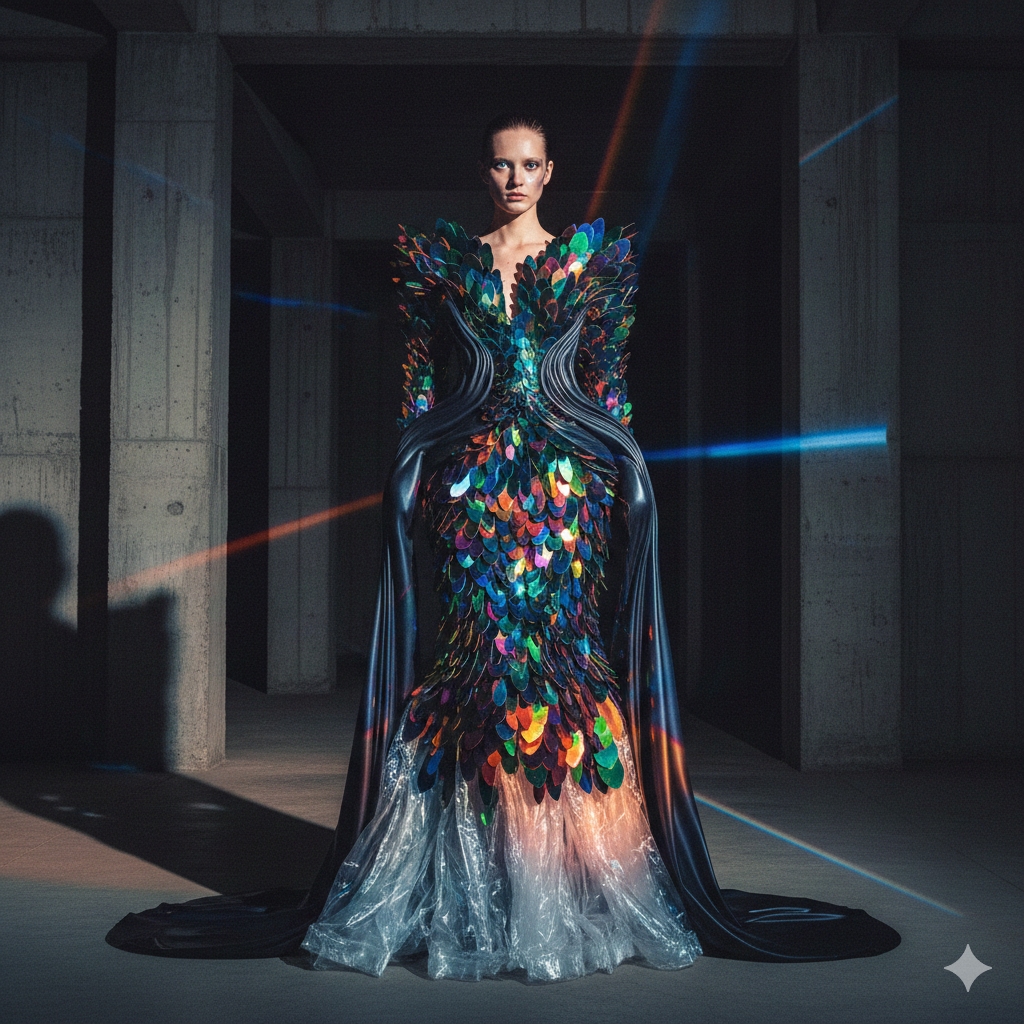
Ready-to-wear collections occupy a central place in contemporary fashion. They bridge the gap between exclusive haute couture and mass-market clothing, offering style, quality, and accessibility on a global scale. For brands, retailers, and fashion entrepreneurs, understanding how ready-to-wear works is essential to building a competitive and profitable strategy.
This ready-to-wear guide explains what the concept really means, why it matters for fashion businesses, and how to develop, launch, and optimize a successful ready-to-wear strategy over time.
Understanding Ready-to-Wear Collections: What It Is and Why It Matters
What Is Ready-to-Wear?
Ready-to-wear (often referred to as prêt-à-porter) designates clothing collections produced in standard sizes and sold finished, ready to be worn without significant alterations. Unlike haute couture—which is custom made, artisanal, and extremely limited—ready-to-wear collections are designed for broader distribution and repeatable production.
A ready-to-wear collection typically follows these characteristics:
- Standardized sizing: Garments are developed based on size charts that correspond to a target market (for example, EU, US, or UK sizing systems).
- Industrial production: While some pieces may retain artisanal elements, the core of production is handled by factories and specialized workshops, allowing for controlled costs and consistent quality.
- Seasonal or capsule releases: Brands launch collections aligned with seasons (Spring/Summer, Fall/Winter) or through thematic capsule collections, drops, and collaborations.
- Clear positioning: Ready-to-wear lines occupy defined segments—luxury, premium, contemporary, or accessible mainstream—each with its own price range and stylistic codes.
In a professional context, when discussing what ready-to-wear is, it is not only a product category but also a comprehensive business model: from design and sourcing to distribution, merchandising, and communication.
Why Ready-to-Wear Is Important for Fashion Brands and Retailers
Ready-to-wear matters because it is the backbone of the modern fashion industry. For brands, it provides the scale and recurring revenue that haute couture alone cannot achieve. For retailers and e-commerce players, ready-to-wear is a primary driver of traffic, brand loyalty, and margin.
Several strategic reasons explain its importance:
- Scalability: Standardized products can be produced in larger quantities and distributed internationally, which is crucial for growth.
- Brand visibility: Ready-to-wear collections embody a brand’s aesthetic and values. They shape the public’s perception more than any other product category.
- Profitability: When designed and managed well, ready-to-wear lines generate stable cash flow, thanks to repeat purchases and recurring seasonal launches.
- Customer access: While couture targets a niche clientele, ready-to-wear opens the door to a much wider audience, including younger consumers and emerging markets.
For fashion entrepreneurs and established labels alike, a well-structured ready-to-wear strategy is often the decisive factor between remaining a niche brand and becoming a recognized player in the industry.
Key Benefits and Core Features of Ready-to-Wear Collections
Primary Benefits of Implementing a Ready-to-Wear Strategy
A thoughtful ready-to-wear strategy brings numerous benefits for fashion businesses, from brand building to operational efficiency. Understanding these advantages helps you structure your investments and expectations.
- Consistent brand expression: A coherent ready-to-wear collection allows you to tell a clear story season after season. Silhouettes, materials, and color ranges reinforce your brand identity in the consumer’s mind.
- Optimized cost structure: The ability to produce standardized models reduces unit costs through economies of scale. This increases margins when coupled with careful pricing and inventory control.
- Better market responsiveness: With a solid development process, you can react quickly to trends, customer feedback, and sales data, adjusting volumes and styles in subsequent collections.
- Channel diversification: Ready-to-wear pieces can be distributed through multiple channels: physical boutiques, multi-brand retailers, e-commerce platforms, and marketplaces, each with its own strategy.
- Customer loyalty: By renewing your offer regularly while maintaining a recognizable signature, you encourage repeat purchases and build a lasting relationship with your audience.
When examining the benefits of ready-to-wear, the key is to see it as a lever for long-term stability rather than a series of isolated products.
Essential Features to Look For in Ready-to-Wear Collections
To design or select effective ready-to-wear lines, certain fundamental features must be present. These are the pillars that differentiate a strong collection from a fragile one.
- Coherent creative direction: The collection must tell a story. A unified vision for cuts, colors, materials, and details creates harmony and makes merchandising easier.
- Balanced assortment: A robust ready-to-wear offering mixes statement pieces with essentials, tops with bottoms, and seasonal highlights with timeless basics. This balance supports both image and sales volume.
- Controlled quality: Fabrics, finishing, and fit need to meet the expectations of the targeted price point. Poor quality quickly erodes brand credibility and increases returns.
- Clear sizing strategy: A precise size grid, coupled with fit testing on models representative of your customer base, reduces post-sale issues and enhances customer satisfaction.
- Production reliability: Suppliers and manufacturers must be able to meet deadlines and quality standards. Reliable partners are a core feature of any sustainable ready-to-wear strategy.
- Scalable pricing architecture: Price points should be logical and structured, allowing for entry, core, and premium pieces within the line, while maintaining coherence with the brand’s positioning.
These features are also crucial criteria when evaluating ready-to-wear tools and partners, whether pattern makers, sourcing agents, or production platforms.
How to Implement a Ready-to-Wear Collection Step by Step
Preparing Your Strategy for Ready-to-Wear
Before launching a ready-to-wear line, preparation is essential. A clear framework will significantly reduce risks and help you make informed decisions at each stage.
- Define your positioning and target audience
Clarify your market segment (luxury, premium, contemporary, accessible) and identify your core customer profiles: age, lifestyle, purchasing power, and style preferences. This will guide every subsequent choice, from fabrics to marketing. - Analyze the competitive landscape
Study brands that operate in the same space. Look at their price points, aesthetics, distribution channels, and communication. This competitive analysis highlights opportunities and gaps your ready-to-wear collections can fill. - Build your collection plan
Define the number of styles, categories, and colorways. Determine how many tops, bottoms, dresses, outerwear, and accessories you will offer. Plan the balance between core essentials and more daring pieces that express your signature. - Design and product development
Work on sketches, materials, and technical specifications. Collaborate with pattern makers to create prototypes, then organize fitting sessions. Adjust cuts and details iteratively until you reach the desired level of comfort and style. - Sourcing and industrialization
Select suppliers for fabrics, trims, and manufacturing. Negotiate minimum order quantities, lead times, and quality expectations. Ensure that your partners can handle scaling if demand grows faster than expected. - Pricing and margin structure
Calculate production costs, including materials, labor, overheads, logistics, and potential retailer margins. Establish a pricing strategy that aligns with your brand while preserving sufficient margins to reinvest in development and communication. - Distribution and go-to-market strategy
Decide where and how your ready-to-wear collection will be sold: direct-to-consumer via your own e-commerce, wholesale to boutiques, or a hybrid model. Plan the launch calendar, showroom sessions, and online campaigns in advance.
This step-by-step method forms the backbone of a solid ready-to-wear guide that you can refine and adapt each season.
Common Mistakes to Avoid When Developing Ready-to-Wear
Many fashion projects fail not because of a lack of creativity, but because of avoidable strategic or operational errors. Recognizing these pitfalls early allows you to build more resilient collections.
- Overly broad or unfocused collections: Launching too many styles, without a clear red thread, increases costs and complicates production and inventory management. It is better to start with a tightly curated range.
- Weak financial planning: Underestimating development, sampling, and logistics costs can destabilize a brand before it even reaches the market. A precise budget is essential to any ready-to-wear strategy.
- Ignoring data and feedback: Launching new collections without analyzing sales performance or customer feedback leads to repeated mistakes. Data must inform both design and buying decisions.
- Unrealistic pricing: Prices that are disconnected from perceived value or market benchmarks are difficult to sustain. Customers quickly compare quality, design, and price with other brands.
- Fragile supply chain: Relying on a single supplier or failing to anticipate delays can jeopardize entire seasons. Diversifying partners and building safety margins in timelines is a prudent practice.
Avoiding these mistakes is an integral part of ready-to-wear best practices and will help you protect both your brand image and your finances.
Best Practices and Advanced Tips for Ready-to-Wear Success
Proven Best Practices to Maximize Results
Once your ready-to-wear collections are in place, adopting structured best practices allows you to sustain growth and refine your offer season after season.
- Build a strong core collection
Identify the pieces that consistently perform well—such as signature trousers, a bestseller blazer, or a classic dress—and keep them in your core collection. Refresh them with new colors or fabrics, but avoid changing what already works. - Use data-driven merchandising
Analyze sell-through rates, sizes sold, and color performance regularly. Use this information to adjust your buy quantities, discontinue underperforming styles, and strengthen strong categories. - Align storytelling and product
Ensure that your campaigns, lookbooks, and content reflect the reality of the collection. Customers should immediately recognize the pieces they see in your visuals when they visit your store or website. - Maintain a disciplined calendar
Respecting design, production, and delivery schedules is essential, especially when you work with retailers. Late arrivals reduce the selling window and lead to markdowns. - Invest in fit excellence
In ready-to-wear, fit is often the deciding factor in customer loyalty. Conduct thorough fittings on different body types and refine your patterns over time based on returns and customer reviews.
Integrating these elements into your ready-to-wear strategy will enhance collection performance and strengthen your brand in the eyes of both buyers and end consumers.
Advanced Tips and Tools to Optimize Ready-to-Wear Over Time
To move beyond the basics and truly refine your ready-to-wear collections, advanced methods and specialized tools can provide a distinct competitive advantage.
- Leverage digital product development
3D design software allows you to create virtual prototypes, test fits digitally, and visualize color and material variations without multiplying physical samples. This reduces lead times and development costs. - Implement integrated PLM systems
Product Lifecycle Management (PLM) tools help centralize all information related to your ready-to-wear: tech packs, material references, costs, and version histories. This improves collaboration across design, production, and buying teams. - Adopt predictive analytics
Advanced analytics solutions can forecast demand based on historical data, trends, and external factors. This allows for more accurate production volumes and a better allocation of inventory by channel. - Develop responsible sourcing strategies
Integrate sustainability into your ready-to-wear collections by selecting certified fabrics, reducing waste, and working with partners who respect environmental and social standards. Responsibility is increasingly a key purchasing criterion. - Test limited drops and capsules
In addition to your main seasonal collections, experiment with smaller capsules or limited drops to test new ideas. This agile approach limits risk while providing valuable feedback to guide future seasons.
By combining these advanced ready-to-wear tips with robust tools and processes, you can continuously refine your collections and maintain a competitive position in a demanding market.
Conclusion
Ready-to-wear collections are far more than a simple clothing category; they constitute a complete ecosystem that connects design, industrialization, marketing, and distribution. Understanding what ready-to-wear is, recognizing its benefits, and mastering its implementation allows brands and retailers to build a strong, durable, and scalable business model.
By adopting a structured approach, avoiding common pitfalls, and applying best practices supported by modern tools, you can develop ready-to-wear lines that resonate with your target audience, reinforce your brand identity, and generate sustainable growth. Over time, the optimization of your strategy—guided by data, feedback, and innovation—will transform your collections into a powerful competitive advantage in the fashion industry.
https://www.teepublic.com/t-shirt/53801478-yogart-fit?store_id=2851997
https://www.teepublic.com/t-shirt/50453003-hedgehog?store_id=2851997