
| How to Plan the Perfect Trip to Florence: Everything You Need to Know |
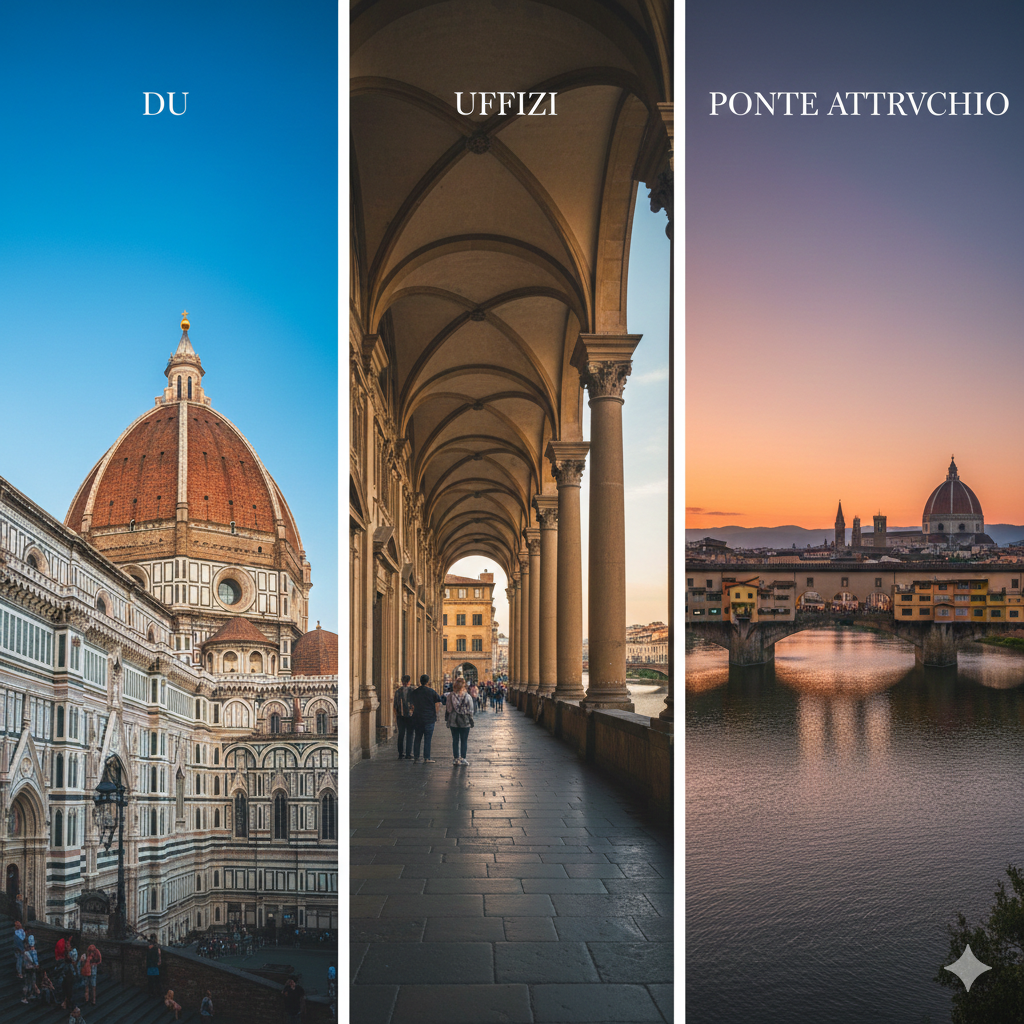
Florence, the cradle of the Renaissance, captivates visitors with its harmonious blend of art, architecture, and living tradition. More than a picturesque stop in Tuscany, it is a city where every street corner reveals centuries of creativity and power. This guide explores Florence through its history, cultural legacy, essential attractions, culinary excellence, and practical tips to help you plan a memorable stay.
Overview of Florence
Historical Significance
Florence rose from a modest Roman settlement to a formidable medieval city-state, ultimately becoming the epicenter of the Renaissance. From the 13th to the 16th century, it was one of Europe’s most influential urban powers, driven by wealthy merchant families, banking dynasties, and visionary patrons. The Medici family, in particular, transformed Florence into a powerhouse of finance and culture, funding artists, architects, and thinkers whose work reshaped Western civilization.
The city’s political history is as compelling as its artistic one. Florentine life was marked by fierce rivalries between factions such as the Guelphs and Ghibellines, complex alliances with other Italian states, and constant negotiation of power between republican ideals and princely rule. This dynamic environment created fertile ground for innovation. Figures like Dante Alighieri, Niccolò Machiavelli, and Leonardo da Vinci were not isolated geniuses; they were products of a city engaged in vigorous debate about politics, religion, and human potential.
Florence’s influence spread far beyond its walls through banking and commerce. Florentine bankers financed monarchs and popes, and the Florin became one of medieval Europe’s most stable currencies. This economic strength enabled the commissioning of monumental works—cathedrals, palaces, and public spaces—that still define the city’s skyline and urban fabric today.
Cultural Heritage
The cultural heritage of Florence is both monumental and intimate. On the monumental side, the city boasts one of the world’s highest concentrations of masterpieces. Renaissance painting, sculpture, and architecture reached unprecedented heights here through the work of artists such as Michelangelo, Botticelli, Giotto, and Brunelleschi. Museums, churches, and public piazzas collectively form an open-air encyclopedia of art history.
Yet Florence’s legacy is not confined to museums. The city also played a crucial role in the evolution of the Italian language. Dante’s “Divine Comedy,” written in the Tuscan dialect, helped set the foundation for modern Italian. This linguistic contribution reinforced Florence’s influence across the peninsula, extending its cultural reach into literature, philosophy, and scholarship.
Today, Florence remains a living cultural capital. Historic artisan workshops still operate in neighborhoods like the Oltrarno, where goldsmiths, leatherworkers, and bookbinders maintain techniques handed down over generations. Seasonal festivals, religious processions, and historical reenactments, such as the Calcio Storico, connect modern residents with their city’s past. Florence’s cultural heritage is not a static relic; it is a vibrant tradition continually interpreted by artists, students, and residents.
Top Attractions in Florence
The Duomo
The Cathedral of Santa Maria del Fiore—known simply as the Duomo—is the undisputed symbol of Florence. Its terracotta-tiled dome, engineered by Filippo Brunelleschi in the 15th century, was an extraordinary technical achievement and remains one of the most recognizable silhouettes in Europe. The cathedral complex also includes Giotto’s Bell Tower and the Baptistery of San Giovanni, whose bronze doors inspired generations of artists.
Inside the cathedral, visitors can admire vast frescoes, including Giorgio Vasari and Federico Zuccari’s “Last Judgment” that decorates the interior of the dome. Climbing to the top of the dome offers sweeping views over Florence’s dense rooftops, elegant palaces, and surrounding hills. Those preferring a slightly different perspective can ascend Giotto’s Campanile for equally spectacular vistas.
The Baptistery, older than the cathedral itself, is renowned for its intricate mosaics and the celebrated bronze doors, often referred to as the “Gates of Paradise.” Together, these monuments narrate Florence’s spiritual, artistic, and civic ambitions. Reserving tickets and time slots in advance is advisable, especially during peak travel seasons, to fully appreciate the Duomo complex without long delays.
https://www.teepublic.com/t-shirt/50453002-penguin?store_id=2851997
Uffizi Gallery
The Uffizi Gallery stands among the most important art museums in the world and is a cornerstone of any visit to Florence. Originally conceived as administrative offices (“uffizi”) for the Medici government, the complex gradually evolved into a vast repository of the family’s art collections. Today, it offers an unparalleled journey through Italian and European painting from the Middle Ages to the Baroque period.
Highlights of the Uffizi’s collection include Botticelli’s “The Birth of Venus” and “Primavera,” works that epitomize Renaissance ideals of beauty and humanism. Visitors can also admire masterpieces by Leonardo da Vinci, Michelangelo, Raphael, Titian, and Caravaggio. Each room is arranged chronologically and thematically, enabling a nuanced understanding of artistic evolution over centuries.
The museum’s location along the Arno River and its elegant loggias provide superb views of the Ponte Vecchio and the cityscape. Due to its immense popularity, advance reservations are essential. To make the most of the visit, many travelers opt for guided tours or curated itineraries focusing on selected masterpieces, which can provide deeper context and prevent museum fatigue.
https://www.teepublic.com/t-shirt/50453001-pet?store_id=2851997
Best Dining Experiences in Florence
Traditional Florentine Cuisine
Florentine cuisine reflects the region’s agricultural wealth and deep respect for simple, high-quality ingredients. One of the most iconic dishes is the bistecca alla fiorentina, a thick T-bone steak traditionally sourced from Chianina cattle, grilled over embers, and served rare. This dish embodies Tuscan cooking philosophy: minimal intervention, maximum flavor.
Another emblematic specialty is the ribollita, a hearty soup made with bread, cannellini beans, and seasonal vegetables such as cavolo nero (Tuscan black kale). Originally a peasant dish, it showcases the Tuscan talent for transforming humble ingredients into deeply satisfying meals. Pappa al pomodoro, a rustic tomato and bread soup, offers similar comfort with a lighter profile.
Offal and lesser cuts, historically valued for their affordability, remain central to Florentine street food. Lampredotto, a slow-cooked tripe sandwich served from traditional kiosks, is especially popular among locals. Paired with quality Tuscan olive oil, regional pecorino cheeses, and a glass of Chianti Classico, these dishes provide an authentic taste of Florence’s culinary tradition.
Top-rated Restaurants
Florence hosts a broad spectrum of dining options, from historic trattorias to contemporary fine-dining establishments. In the historic center, traditional trattorias often specialize in classic Tuscan recipes, offering seasonal menus that highlight fresh produce, game, and handmade pasta. These venues emphasize authenticity, warm service, and a focus on regional wines.
For a more refined experience, several acclaimed restaurants reinterpret Tuscan cuisine with modern techniques and elegant presentations. Tasting menus may feature inventive variations on local ingredients—such as reimagined ribollita, delicate meat dishes, and desserts inspired by traditional flavors—paired with carefully selected wines from across Italy.
The Mercato Centrale and other food markets provide an alternative way to explore Florentine food culture. Stalls and small eateries inside these markets offer everything from artisanal salumi and cheeses to freshly prepared dishes. This environment allows visitors to sample a variety of specialties in a single location, often at more accessible prices than full-service restaurants.
Tips for Visiting Florence
Best Times to Visit
The ideal time to visit Florence depends on priorities such as climate, crowds, and budget. Spring (April to early June) is particularly appealing, with mild temperatures, blooming gardens, and generally pleasant conditions for walking. Autumn (September to October) offers similarly comfortable weather and often fewer tourists than peak summer months.
Summer, especially July and August, brings higher temperatures and significant crowds, particularly in the historic center and around major museums. While the city is lively and many festivals occur during this period, long queues and heat can make sightseeing more demanding. Travelers visiting in summer should plan early morning or late afternoon visits to primary attractions and stay hydrated throughout the day.
Winter in Florence is typically quieter, aside from the Christmas and New Year holidays. Cooler temperatures and occasional rain are balanced by shorter lines at museums and more favorable accommodation rates. For visitors who prioritize art, culture, and a more relaxed pace, the off-season can be an excellent choice.
Transportation Options
Florence’s historic center is compact and best explored on foot. Many of the city’s major landmarks are located within walking distance of one another, and wandering through narrow streets and piazzas often reveals unexpected architectural details and hidden courtyards. Comfortable walking shoes are essential, as many surfaces are cobbled or uneven.
The city is served by Firenze Santa Maria Novella, a major railway hub with frequent connections to Rome, Milan, Venice, and other Tuscan destinations such as Pisa and Siena. This makes Florence an efficient base for exploring the wider region by train. For those arriving by air, Florence Airport (Amerigo Vespucci) is located just outside the city and can be reached by tram or taxi; alternatively, many travelers fly into Pisa and continue to Florence by train.
Within the urban area, public transportation consists mainly of buses and a modern tram system. These options are useful for reaching neighborhoods outside the center or accessing certain viewpoints, such as those near Piazzale Michelangelo. Driving in Florence is generally discouraged: much of the historic center is a restricted traffic zone (ZTL), parking is limited and expensive, and navigating narrow streets can be challenging. Taxis and ride services can be convenient for late-night returns or when carrying luggage.
For a different perspective on the city, some visitors choose guided bike tours or small-group walking tours focused on specific themes—Renaissance art, Medici history, or artisan workshops. These experiences can enrich a stay in Florence by offering context and stories that might otherwise go unnoticed.
In conclusion, Florence is a city where history, art, and daily life intersect with extraordinary intensity. Its monumental cathedral, world-class museums, and refined culinary scene create a multi-layered destination that rewards both first-time visitors and seasoned travelers. With thoughtful planning around timing, transportation, and key sights, it is possible to experience Florence’s enduring beauty in a way that feels both enriching and manageable. Whether for a brief stay or an extended exploration, the city offers enduring insights into the roots of European culture and the timeless appeal of human creativity.
Holiday in London: Travel Guide, and Top Attractions
The Verdant Soul of Germany: A Guide to the Nation’s Most Enchanting Botanic Gardens 🌿🇩🇪
Exploring the Beauty of Budapest :Things to Do in Budapest
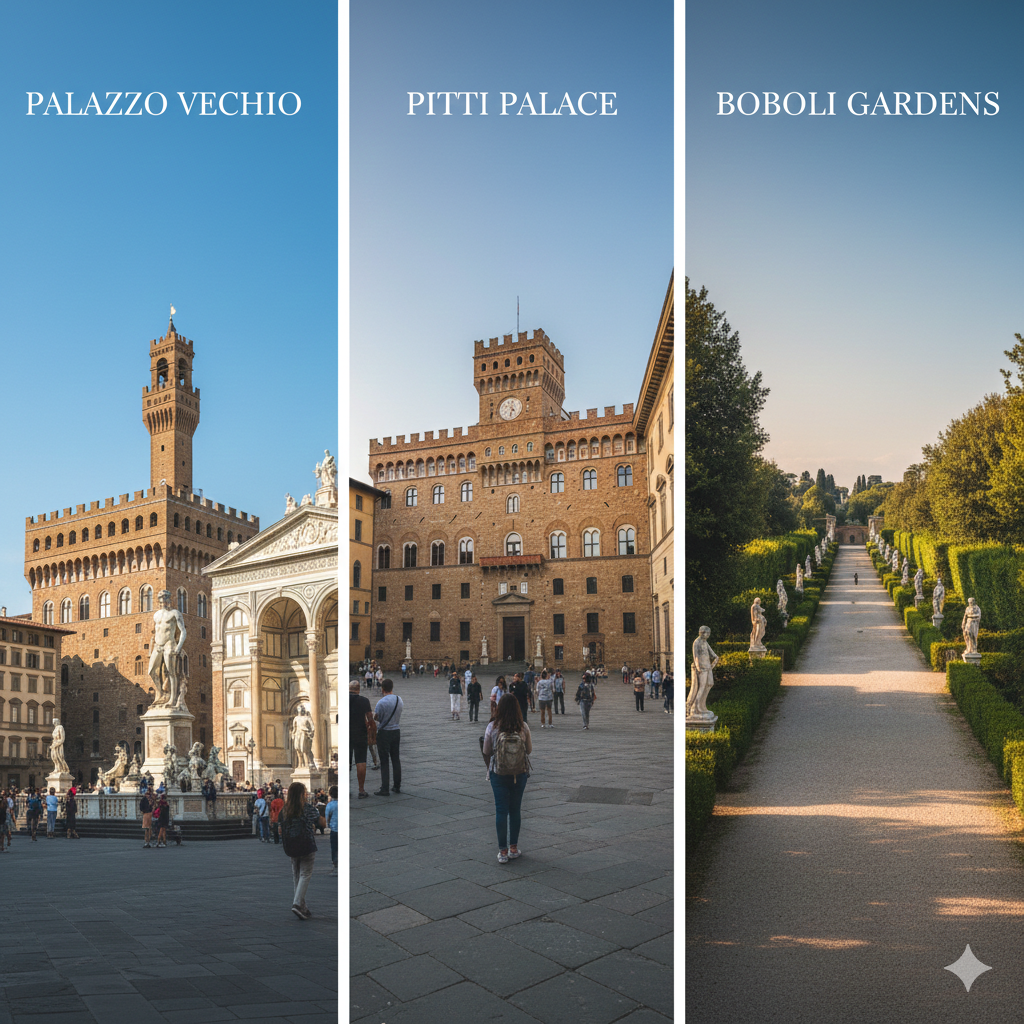
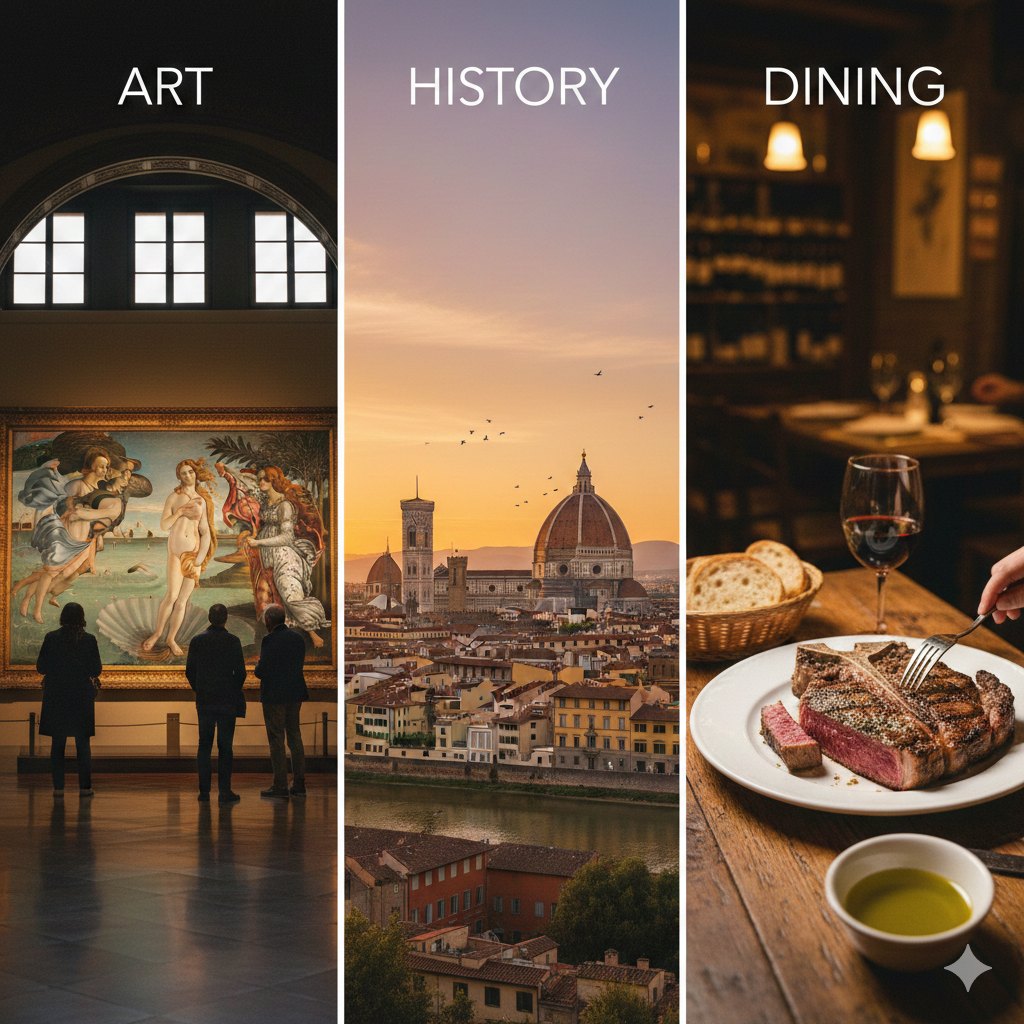
zoo-doku