
What is Sushi? A Deep Dive into Origins, Types, and Traditions
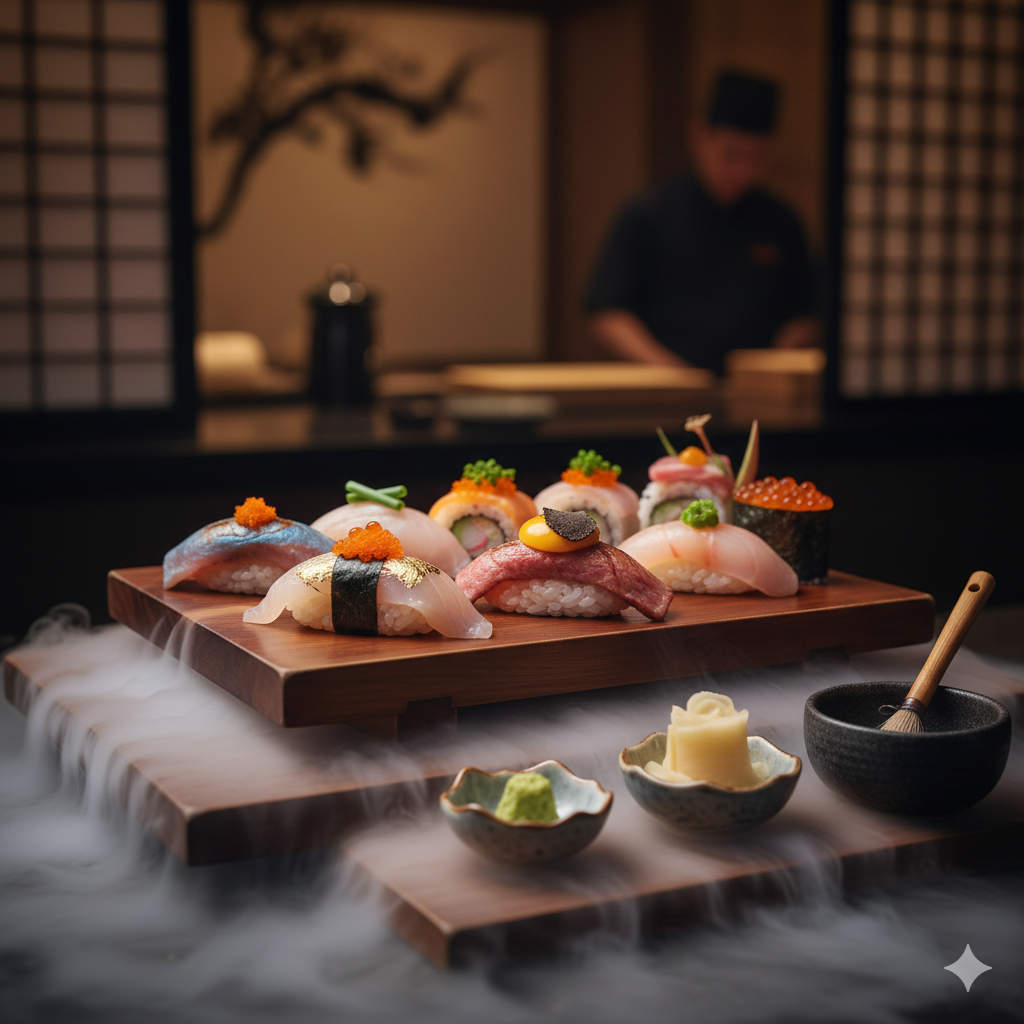
Discover everything about sushi—from its rich history and popular types to tips for making it at home and choosing the best sushi restaurants. Perfect for beginners and food lovers alike.
Sushi is far more than a fashionable dish at modern restaurants. It is a refined culinary tradition that reflects centuries of Japanese culture, craftsmanship, and respect for ingredients. Whether you are curious about what sushi actually is, exploring the many types of sushi available, or seeking a practical homemade sushi guide, understanding its background provides a richer dining experience. This article explores sushi history, popular sushi dishes, step-by-step techniques for preparing it at home, and expert advice on choosing a high-quality sushi restaurant.
What is Sushi? A Deep Dive into Its Origin and Meaning
The History and Cultural Significance of Sushi
To understand what sushi is, it helps to begin with its origin. Contrary to popular belief, sushi originally referred not to raw fish, but to a method of preserving fish using fermented rice. The roots of sushi can be traced back to Southeast Asia, where fish was stored in cooked rice and left to ferment. This technique, known as narezushi, eventually spread to Japan, where it evolved over centuries into the dish we recognize today.
By the Edo period (1603–1868), sushi underwent a fundamental transformation. Fermentation times were shortened and vinegar was introduced, giving rise to hayazushi, or “fast sushi.” Instead of being purely a preservation technique, sushi became a prepared food designed to be eaten relatively fresh, with vinegared rice as its base. This marked the beginning of what is now called traditional Japanese sushi.
In 19th-century Edo (modern Tokyo), street vendors started serving hand-pressed pieces of vinegared rice topped with slices of fresh fish. This innovation, known as nigirizushi, was a form of early fast food for busy city dwellers. Over time, it developed into an art form, with sushi chefs dedicating years to mastering the precise balance of rice, fish, seasoning, and presentation.
Today, sushi holds a central place in Japanese cuisine and culture. It is associated with seasonality, craftsmanship, and hospitality. High-end sushi counters are places of quiet ceremony, where guests observe the chef’s skill at close range. At the same time, sushi has become a global phenomenon, inspiring countless variations while still retaining its core identity: delicately seasoned rice harmoniously combined with fresh seafood and other ingredients.
https://www.teepublic.com/t-shirt/50088650-classic-car?store_id=2851997
Different Types of Sushi Explained
The term “sushi” refers primarily to vinegared rice rather than the fish itself. From this base, numerous forms have developed. Understanding the main types of sushi helps you navigate menus with confidence and appreciate the diversity of the cuisine.
- Nigirizushi (Nigiri) – Hand-pressed oblong mounds of rice topped with slices of fish or seafood. A small dab of wasabi is often placed between the rice and topping. Nigiri is considered one of the purest expressions of sushi, emphasizing the quality of the rice and fish.
- Sashimi – While frequently listed alongside sushi, sashimi is not technically sushi because it does not include rice. It consists of thinly sliced raw fish or seafood served with garnishes such as daikon radish and shiso leaves. It showcases the texture and flavor of the fish in its purest form.
- Makizushi (Maki) – Rolls made by layering rice and fillings on a sheet of nori (seaweed), then rolling and slicing. Variants include hosomaki (thin rolls with a single filling) and futomaki (thick rolls with multiple ingredients).
- Temaki – Cone-shaped hand rolls. Nori is wrapped around rice and fillings to form a cone that is eaten with hands rather than chopsticks. It is often served casually and is popular at home gatherings.
- Chirashizushi – A bowl of vinegared rice topped with an assortment of sashimi, vegetables, and garnishes. It is a colorful, less formal style that still highlights seasonality and quality.
- Inarizushi – Sushi rice stuffed into pouches of sweet simmered tofu skin. It has a gentle sweetness and is often enjoyed as a snack or part of a bento.
Each of these forms reflects a different approach to balancing rice, fish, vegetables, and condiments, and all are considered part of the wider world of traditional Japanese sushi.
Popular Types of Sushi You Need to Try
Nigiri, Sashimi, and Maki: What’s the Difference?
When exploring popular sushi dishes, three categories appear consistently: nigiri, sashimi, and maki. Understanding their differences allows you to order with precision and explore the full breadth of a sushi menu.
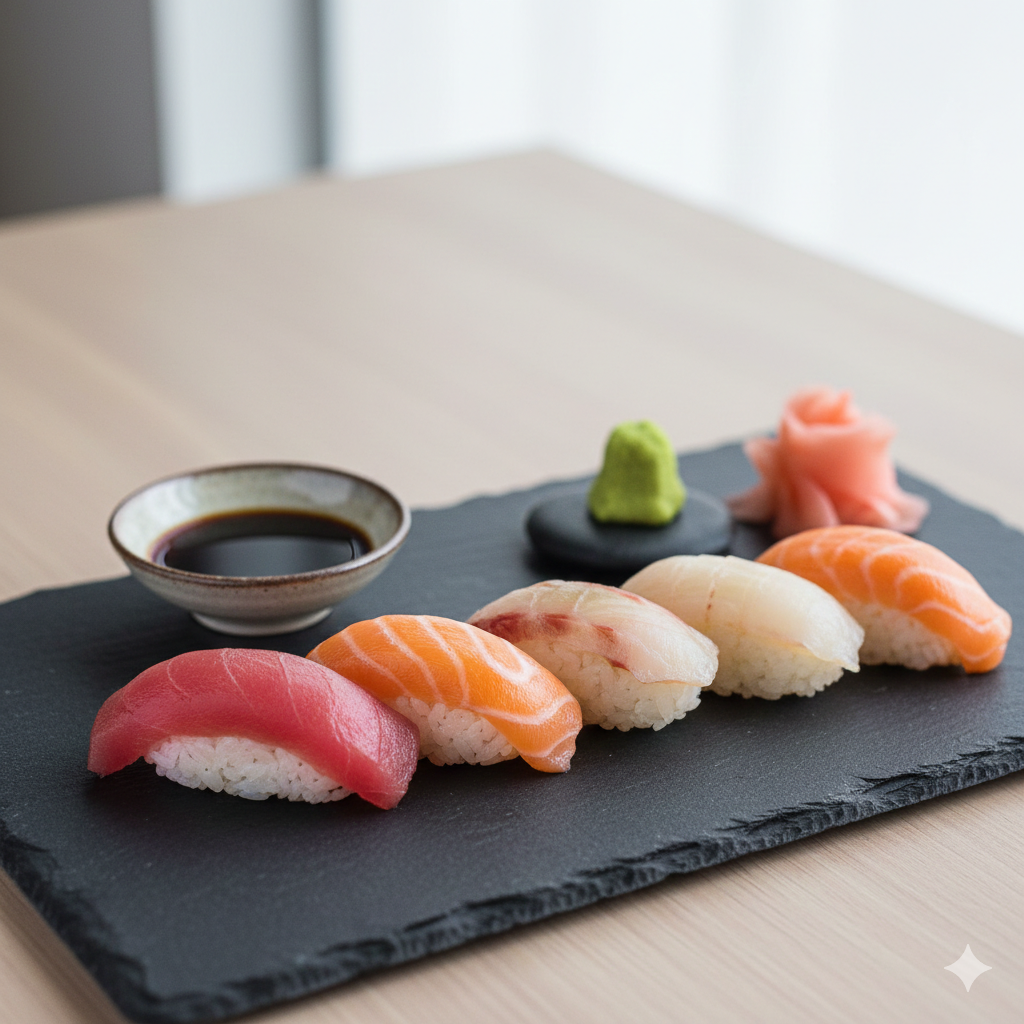
Nigiri consists of vinegared rice hand-formed into small, compact ovals, topped with sliced fish such as tuna (maguro), salmon (sake), yellowtail (hamachi), or shellfish like shrimp and scallops. Occasionally, a thin strip of nori is used to secure the topping. Nigiri emphasizes texture and balance: the rice should be firm yet tender, the fish perfectly cut and at the right temperature.
Sashimi is often chosen by diners who want to focus entirely on the fish. Typical varieties include fatty tuna (otoro), sea bream, mackerel, squid, and sea urchin. It is usually accompanied by soy sauce, freshly grated wasabi, and pickled ginger. Sashimi allows you to sense subtle differences between species and cuts, making it particularly appealing to enthusiasts.
Maki rolls combine rice, fish, and vegetables wrapped in nori and sliced into bite-sized pieces. Classic versions include cucumber rolls (kappamaki), tuna rolls (tekka maki), and salmon-avocado rolls. Maki is approachable, visually appealing, and an excellent starting point for those new to sushi, especially when they are unsure about eating larger pieces of raw fish.
Together, these three categories illustrate the versatility of sushi: it can be delicate and minimalist or more complex and layered, depending on your preferences.
Specialty Rolls and Modern Sushi Variations
As sushi spread worldwide, chefs began experimenting with textures, sauces, and ingredients, creating specialty rolls that blend Japanese techniques with local tastes. These modern styles are particularly popular among newcomers to sushi and are often considered some of the best sushi rolls for first-time diners.
Common examples include:
- California Roll – Typically made with imitation crab, cucumber, and avocado, often rolled inside-out with rice on the outside. It is mild, creamy, and ideal for those hesitant about raw fish.
- Dragon Roll – A visually striking roll that often features eel and cucumber inside, topped with thin slices of avocado to resemble scales, and drizzled with a sweet sauce.
- Spicy Tuna Roll – A roll filled with chopped tuna mixed with spicy mayonnaise and sometimes scallions. It offers a smooth texture with a pleasant kick.
- Tempura Rolls – Rolls that contain tempura-fried shrimp or vegetables for added crunch and richness. These rolls highlight contrast between crisp batter and tender rice.
Contemporary sushi chefs also experiment with ingredients such as seared beef, cream cheese, or unconventional sauces. While these creations deviate from traditional Japanese sushi, they play an important role in making sushi more accessible to diverse palates. For many diners, specialty rolls become a bridge towards appreciating simpler, more traditional forms.
https://www.teepublic.com/t-shirt/50086695-old-car-in-the-desert?store_id=2851997
How to Make Sushi at Home: A Beginner’s Guide
Essential Ingredients and Tools for Homemade Sushi
Learning how to make sushi at home is both rewarding and approachable with proper preparation. A well-structured homemade sushi guide starts with selecting the right ingredients and tools.
Core ingredients include:
- Sushi rice – Short-grain Japanese rice is essential. Its texture allows it to clump slightly while remaining tender. After cooking, it is seasoned with a mixture of rice vinegar, sugar, and salt.
- Rice vinegar – Used to season the rice and impart the characteristic tang of sushi.
- Nori (seaweed sheets) – Toasted nori is required for most rolls and hand rolls. Choose good-quality sheets that are crisp and aromatic.
- Fish and seafood – If you plan to serve raw fish, purchase sushi-grade fish from a reputable supplier. Common choices include salmon, tuna, and yellowtail. Alternatively, use cooked fillings such as shrimp, crab, or eel.
- Vegetables – Cucumber, avocado, carrots, and radish sprouts add texture and freshness.
- Condiments – Soy sauce, wasabi, and pickled ginger are traditional accompaniments.
Basic tools you will need:
- Bamboo rolling mat (makisu) – Essential for shaping tight, even rolls.
- Sharp knife – A well-honed blade is crucial for cutting clean slices of fish and neat sushi pieces.
- Rice cooker or heavy pot – Ensures evenly cooked rice.
- Wooden or non-reactive bowl – For mixing and cooling the seasoned rice.
With these elements in place, you can begin to explore the craft of sushi-making, starting with straightforward rolls before attempting more intricate preparations.
Step-by-Step Instructions for Rolling Sushi
The following method describes a simple maki roll, suitable for beginners and adaptable to various fillings.
- Prepare the sushi rice.
Rinse the rice under cold water until the water runs mostly clear. Cook according to your rice cooker instructions or in a pot with the appropriate ratio of water. While the rice cooks, combine rice vinegar, sugar, and salt. Once the rice is done, transfer it to a wide bowl and gently fold in the vinegar mixture with a wooden spatula. Allow it to cool to room temperature, fanning occasionally to give it a glossy finish. - Organize your fillings.
Slice fish, cucumber, and any other ingredients into uniform strips. Keep everything within easy reach to make the rolling process smooth and efficient. - Prepare the rolling mat.
Place a sheet of plastic wrap over the bamboo mat to prevent sticking, especially if you plan to make inside-out rolls (rice on the outside). Lay a sheet of nori, shiny side down, on top of the mat. - Spread the rice.
Moisten your hands with a mixture of water and a small amount of vinegar to prevent sticking. Take a ball of rice and gently spread it over the nori, leaving a small margin at the top edge. Avoid pressing too firmly; the rice should remain fluffy while forming an even layer. - Add fillings.
Place your chosen fillings—such as strips of tuna and cucumber—horizontally across the rice near the bottom edge. Do not overfill; this makes the roll harder to seal. - Roll the sushi.
Lift the edge of the mat closest to you and begin to roll it over the fillings, tucking tightly but gently to create a compact cylinder. Continue rolling until the nori overlaps and seals. Apply slight pressure along the length of the roll to ensure it holds its shape. - Slice and serve.
Using a very sharp, damp knife, cut the roll in half, then slice each half into equal pieces. Wipe the blade between cuts to maintain clean edges. Arrange on a plate and serve with soy sauce, wasabi, and pickled ginger.
Once you are comfortable with basic rolls, you can experiment with different types of sushi at home, including inside-out rolls, temaki, or simple nigiri. Attention to rice texture, knife work, and ingredient quality will steadily refine your results.
Choosing the Best Sushi Restaurant: Tips and Recommendations
What to Look for in Quality Sushi
Selecting an excellent sushi restaurant is as important as knowing what is sushi. Quality varies widely, and discerning diners look for specific signals that indicate good standards.
Key factors include:
- Freshness of ingredients – Fish should have a clean, ocean-like aroma, never a strong or unpleasant smell. The color should be vibrant, and the texture moist but not mushy.
- Rice quality and preparation – In authentic sushi, rice is central. It should be slightly warm, delicately seasoned, and structured enough to hold together without being dense. Poorly made rice is a clear warning sign.
- Cleanliness and organization – The counter, knives, and cutting boards should be meticulously maintained. A tidy, well-ordered work area reflects serious attention to hygiene and craft.
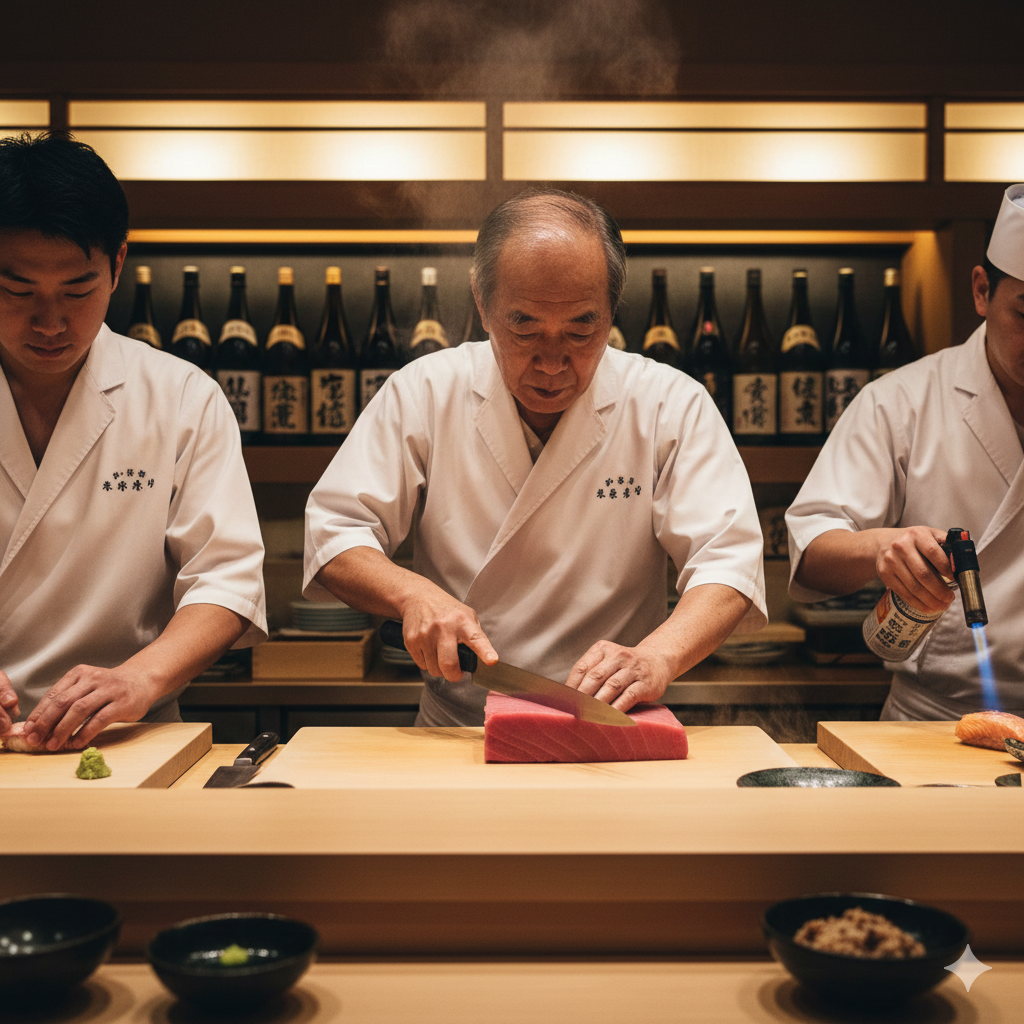
- Chef’s technique – Experienced sushi chefs handle ingredients with confidence and economy of motion. Observe how they cut fish, form rice, and assemble dishes.
- Menu balance – A good restaurant often highlights seasonal offerings and may feature omakase (chef’s choice), demonstrating trust in the chef’s judgement and knowledge of the freshest items.
When in doubt, start with classic nigiri and simpler rolls. These items reveal the fundamentals: rice texture, knife skills, and ingredient quality. Elaborate sauces can mask shortcomings, but straightforward preparations do not.
Best Sushi Spots Around the World
Outstanding sushi is no longer confined to Japan, though the country remains the ultimate destination for purists. Around the world, certain cities have become renowned for their sushi culture and exceptional restaurants.
Japan offers unparalleled variety. Tokyo, in particular, is home to tiny counters where chefs serve exquisite traditional Japanese sushi to a handful of guests at a time. Osaka, Kyoto, and coastal regions such as Hokkaido are also celebrated for seafood of remarkable freshness.
Beyond Japan, major international cities now support sophisticated sushi scenes. In New York and Los Angeles, high-end omakase counters coexist with inventive contemporary bars serving some of the best sushi rolls in North America. London, Paris, and Sydney host acclaimed chefs who combine Japanese techniques with local ingredients, creating distinctive but respectful interpretations.
When researching specific venues, prioritize establishments known for sourcing sustainable, high-quality seafood and for maintaining strong connections with trusted suppliers. Online reviews, guides, and recommendations from knowledgeable diners can help you identify places where craftsmanship and authenticity are taken seriously.
Ultimately, the best sushi restaurant for you balances excellence with your own preferences, whether you value traditional purity, creative modern rolls, or a mixture of both.
Conclusion
Sushi is an evolving yet deeply rooted culinary art, grounded in centuries of history and shaped by meticulous attention to detail. From its origins as a method of preserving fish to its modern incarnation as a global delicacy, sushi has retained its core essence: seasoned rice harmonizing with carefully chosen ingredients.
By understanding sushi history, learning the distinctions between nigiri, sashimi, and various rolls, and exploring both classic and contemporary preparations, you gain a more profound appreciation of what appears on your plate. Armed with practical guidance on how to make sushi at home and clear sushi restaurant tips, you are well equipped to enjoy this remarkable cuisine, whether at a revered counter in Tokyo or in your own kitchen.
Ultimately, the pleasure of sushi lies in balance—between simplicity and complexity, tradition and innovation, and above all, between excellent ingredients and thoughtful preparation.
How to Practice Mindful Cooking
The Ultimate Udon Guide: History, Regional Types, and Recipes.
My Puzzle
My Puzzle