
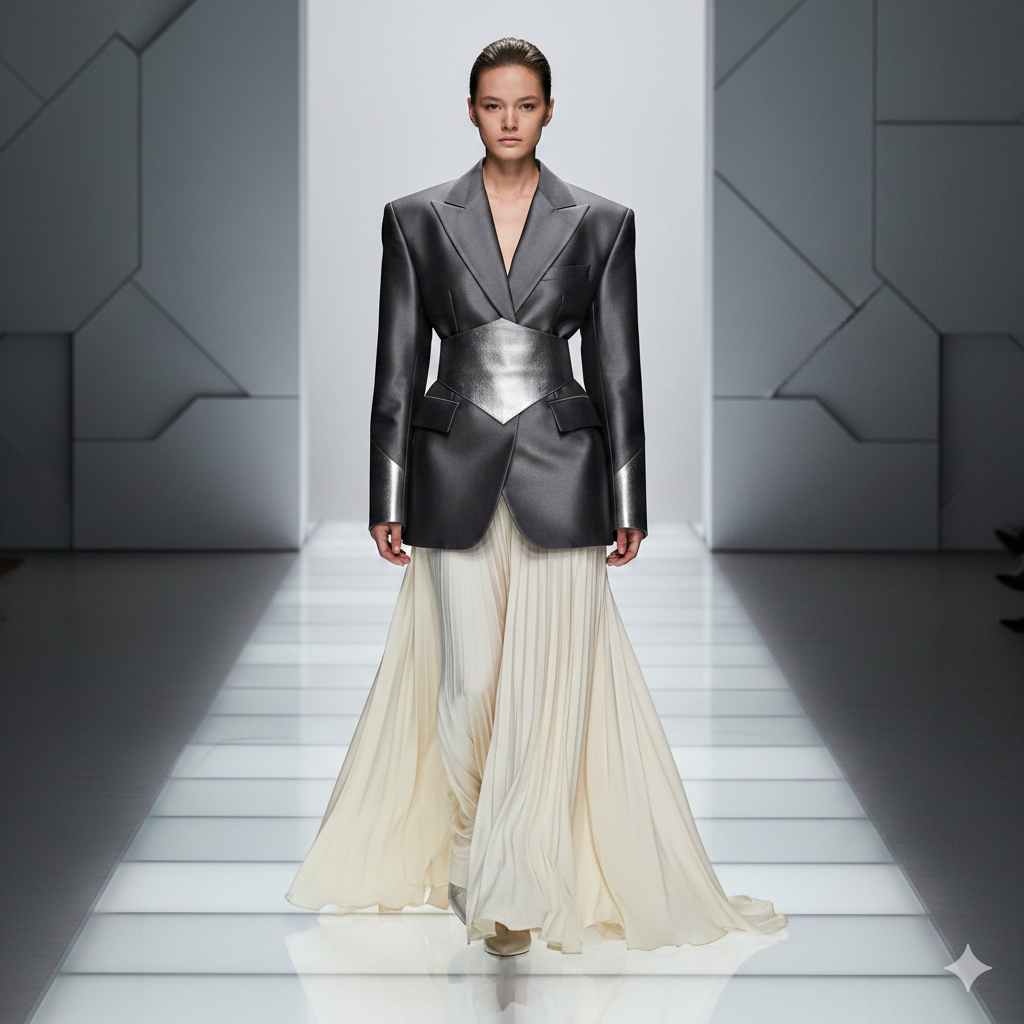
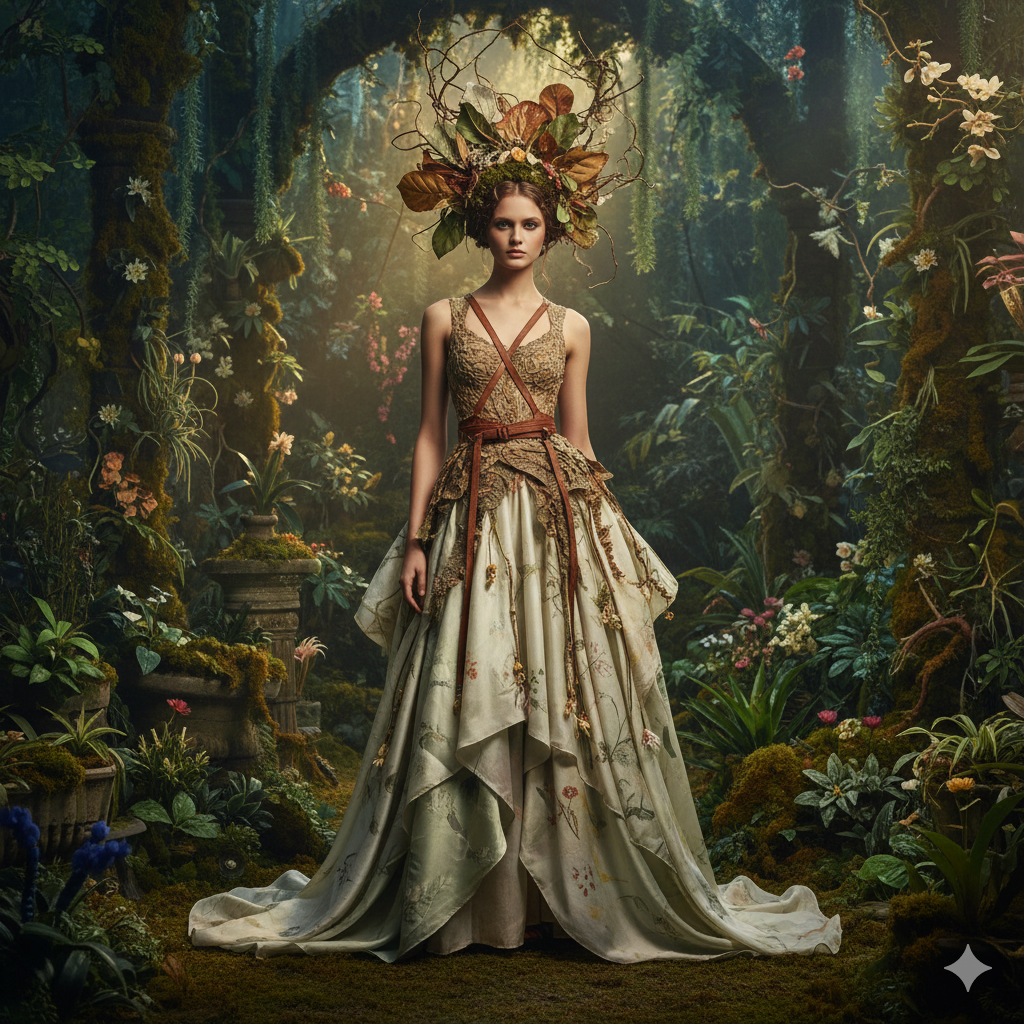
Learn what vintage-inspired fashion is, why it matters for modern consumers and brands, and how to implement it step by step. Discover key benefits, advanced strategies, and future trends to improve performance, visibility, and long-term business growth in the fashion industry.
Vintage-inspired fashion has risen from niche fascination to mainstream movement. Rather than simply repurposing old garments, this approach reinterprets aesthetics from past decades for today’s lifestyle, silhouettes, and market expectations. For consumers, it offers a distinctive way to express personality and values. For brands and retailers, it opens up powerful opportunities in positioning, storytelling, and sustainable differentiation.
This vintage-inspired fashion guide explores what the concept really means, why it matters strategically, and how to implement it effectively—from product design to marketing. It also covers advanced vintage-inspired fashion strategies and emerging trends that can shape the next decade of style.
Understanding Vintage-Inspired Fashion: Definition, Importance, and Core Concepts
What Is Vintage-Inspired Fashion? Clear Definition and Scope
Vintage-inspired fashion refers to newly produced clothing and accessories that draw direct aesthetic influence from past decades—typically from the 1920s through the 1990s—while being adapted to contemporary standards of fit, comfort, and functionality.
Unlike true vintage, which involves authentic garments from a previous era, vintage-inspired pieces are:
- Newly manufactured, often using modern fabrics and production techniques.
- Influenced by historical styles, such as 1950s circle skirts, 1970s flared jeans, or 1990s slip dresses.
- Updated for modern wear, with changes in sizing, durability, and practicality.
Key elements of vintage-inspired fashion include:
- Silhouettes: A-line dresses, high-waisted trousers, tea-length skirts, tailored blazers, and hourglass shapes.
- Prints and patterns: Polka dots, florals, paisley, checks, houndstooth, and retro geometrics.
- Color palettes: Muted pastels, earthy 1970s tones, bold mid-century primaries, and rich jewel hues from the 1940s.
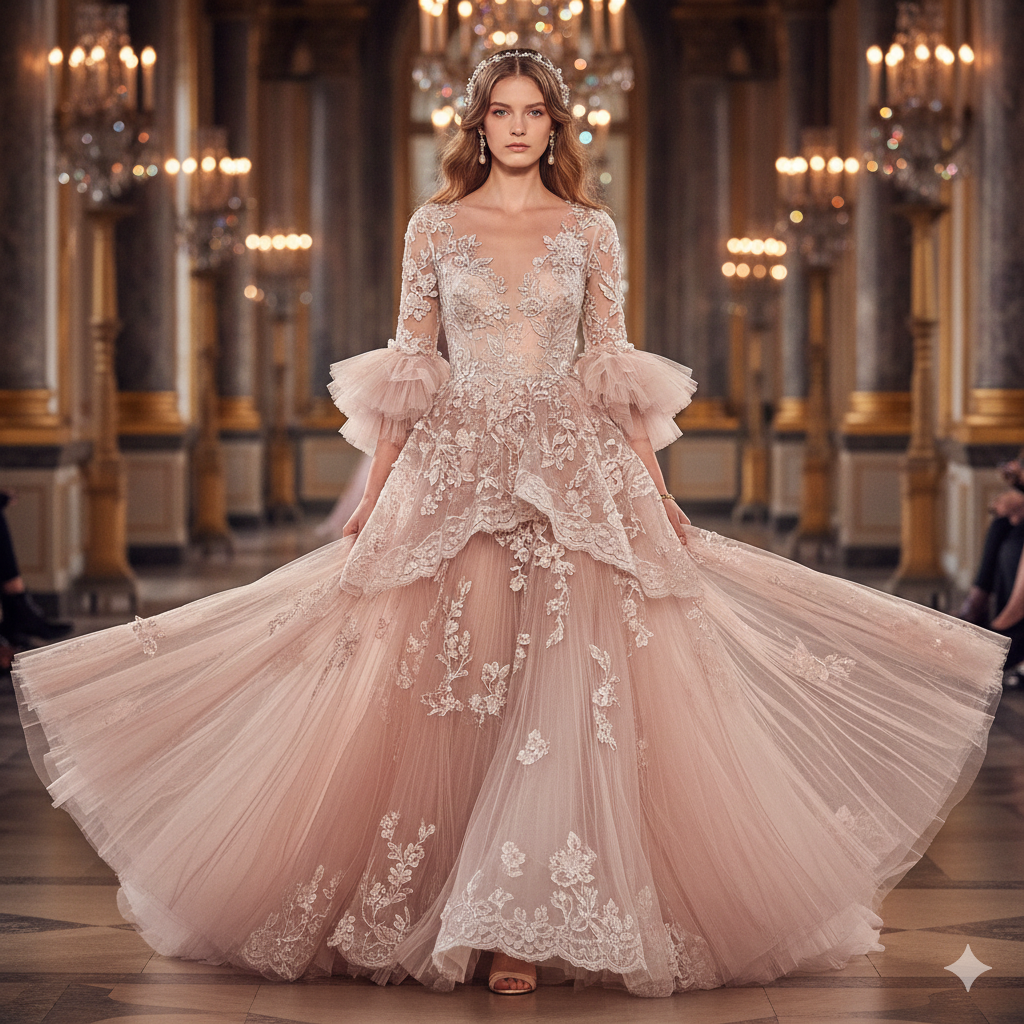
- Details and finishes: Peter Pan collars, covered buttons, pin-tucks, contrast piping, lace trims, and statement lapels.
From a strategic perspective, when you ask “what is vintage-inspired fashion?”, the answer extends beyond cut and fabric. It is also a brand narrative tool that leverages nostalgia, cultural memory, and visual storytelling to create emotional connections with consumers.
Why Vintage-Inspired Fashion Matters for Modern Consumers and Business Growth
Vintage-inspired fashion matters because it operates at the intersection of identity, sustainability, and differentiation. For consumers, it provides:
- Individuality: In an age of mass-produced fast fashion, vintage-inspired looks help wearers stand out.
- Timelessness: Retro styles often transcend short-lived trends, making wardrobes more durable and versatile.
- Cultural connection: Many people feel drawn to specific eras that resonate with their values, music preferences, or aesthetic sensibilities.
For brands, the importance of vintage-inspired fashion is equally significant:
- Distinct positioning: A clearly defined retro aesthetic can set a label apart in a saturated market.
- Storytelling potential: Each collection can be anchored in a decade, subculture, cinema movement, or historical reference.
- Alignment with conscious consumption: While not inherently sustainable, vintage-inspired collections can support slower, more considered purchasing behavior through higher-quality, long-lasting designs.
In other words, vintage-inspired fashion is not just a visual style. It is a strategic asset that, when leveraged well, can support revenue growth, customer loyalty, and brand authority.
https://www.teepublic.com/t-shirt/50088650-classic-car?store_id=2851997
Key Benefits of Vintage-Inspired Fashion for Brands and Consumers
Tangible Advantages: Performance, Cost, and Efficiency Gains
The most visible benefits of vintage-inspired fashion are aesthetic, but the approach also offers tangible commercial and operational advantages:
- Longer product life cycles: Timeless, retro-informed pieces tend to remain relevant for multiple seasons, reducing the pressure of constant trend-chasing and markdowns.
- Reduced design volatility: Once a brand establishes a vintage-inspired design language (e.g., 1950s silhouettes, 1970s boho details), it can build collections iteratively, saving time and development costs.
- Higher perceived value: Customers often associate retro cuts and tailored finishes with craftsmanship, allowing for stronger price positioning and healthier margins.
- Better inventory performance: Versatile, classic-inspired garments can be styled in many ways and remain sellable beyond a single trend cycle, improving sell-through and decreasing waste.
From a consumer’s perspective, vintage-inspired fashion can also be cost-effective:
- Wardrobe versatility: A 1940s-style blazer, a 1970s midi skirt, or 1960s-inspired shift dress can integrate easily with modern basics, offering multiple outfits from fewer garments.
- Durability as a buying criterion: When brands adopt vintage tailoring standards and robust fabrics, garments tend to last longer, lowering cost per wear.
When thoughtfully implemented, a vintage-inspired fashion strategy supports both brand profitability and customer satisfaction.
Timeless Interior Design Ideas That Never Go Out of Style
Interior Design Trends That Will Define Modern Homes
Classic Interior Design Ideas That Stand the Test of Time
Long-Term Impact on Brand Visibility, Authority, and Conversions
Beyond operational gains, vintage-inspired fashion creates substantial marketing advantages that directly influence visibility and sales:
- Search visibility and content opportunities: Brands can target queries such as “1950s dress,” “1970s bohemian style,” or “vintage-inspired workwear,” creating rich content around these topics and improving organic reach.
- Social media resonance: Retro looks photograph exceptionally well. Distinct silhouettes, era-specific accessories, and curated color palettes perform strongly on visually led platforms such as Instagram, TikTok, and Pinterest.
- Authority in a niche: Consistently delivering high-quality, era-inspired collections establishes a brand as a reference point for vintage-inspired fashion. This perceived expertise encourages trust and repeat purchases.
- Emotion-driven conversions: Nostalgia is a powerful psychological driver. When customers feel emotionally connected to a style era, they are more likely to convert and to purchase multiple complementary items.
Brands that deploy robust vintage-inspired fashion strategies can cultivate a loyal community that not only buys products but also advocates for the brand, shares content voluntarily, and contributes user-generated styling ideas.
How to Implement Vintage-Inspired Fashion Step by Step
Essential Tools, Resources, and Best Practices
Understanding how to implement vintage-inspired fashion requires a structured and research-driven approach. The process can be broken down into several stages.
1. Define the Era Focus and Brand Positioning
- Decide whether your concept will center on a specific decade (e.g., 1940s tailoring, 1950s femininity, 1970s bohemian, 1990s minimalism) or span multiple eras.
- Clarify your target audience: are you addressing professionals seeking subtle retro touches, subcultures fully embracing vintage aesthetics, or mainstream consumers wanting accessible nods to the past?
- Align your era and audience with your brand values—feminine, androgynous, bold, understated, avant-garde, or heritage-driven.
2. Conduct In-Depth Visual and Technical Research
- Use archives, museum collections, film stills, music videos, and fashion history books to study authentic garments.
- Analyze pattern-making, essential proportions, and key details specific to each decade.
- Document recurring motifs, such as waist emphasis, shoulder shapes, necklines, and hemlines.
3. Translate Historical Elements into Contemporary Designs
- Keep the core silhouette and character of the era, but update:
- Fabric choices for comfort (stretch blends, breathable materials).
- Fit and sizing to reflect contemporary body diversity and expectations.
- Functional details like pockets, closures, and easy-care features.
- Aim for inspired, not costume-like, unless you target a very specific niche.
4. Build a Cohesive Collection Structure
- Create capsules around key themes (e.g., “1950s summer garden,” “1970s city bohemian,” “1960s mod officewear”).
- Ensure pieces mix and match easily to maximize styling options for customers.
- Introduce limited edition items to test more daring references without overcommitting inventory.
5. Curate Visual Identity, Content, and Storytelling
- Align lookbooks, photography, typography, and packaging with your chosen era, while maintaining readability and modern standards.
- Produce educational content: blog posts, style guides, and videos explaining the history behind each collection.
- Use this content as a cornerstone of your vintage-inspired fashion guide for customers, helping them style and understand your designs.
6. Utilize Digital Tools and Data
- Use trend forecasting platforms (e.g., WGSN) to identify which retro elements will resonate in upcoming seasons.
- Analyze search data to understand demand for specific eras or garment types (e.g., growth in queries for “90s slip dress” or “70s flare jeans”).
- Test different campaigns on social media and monitor engagement to refine your visual language.
By following these vintage-inspired fashion best practices, brands can develop a coherent and profitable retro-influenced offer that feels authentic rather than opportunistic.
Common Mistakes to Avoid and How to Optimize Your Results
Implementing this aesthetic also entails risks. Recognizing common pitfalls will help you maintain credibility and appeal.
1. Confusing Vintage-Inspired with Costume
Overly literal reproductions can feel theatrical or inauthentic for everyday wear.
- How to optimize: Distill the most flattering, characteristic details of an era and blend them subtly with contemporary basics. Aim for wearable references rather than full re-enactments.
2. Ignoring Cultural and Historical Context
Certain motifs, uniforms, or symbols may carry sensitive connotations.
- How to optimize: Conduct thorough research and, when necessary, consult historians or cultural experts. Avoid controversial references and focus instead on silhouettes, textures, and color palettes.
3. Neglecting Comfort and Modern Lifestyles
Authentic vintage cuts sometimes restrict movement or do not align with current expectations for functionality.
- How to optimize: Adapt waistlines, armholes, and fabrics. Include stretch where appropriate and ensure that garments suit modern routines, from commuting to hybrid work environments.
4. Inconsistent Branding and Messaging
Switching from era to era without a cohesive narrative can confuse your audience.
- How to optimize: Even if you explore multiple decades, maintain a clear tone of voice, visual signature, and design philosophy. Your brand should remain easily identifiable regardless of specific references.
5. Overlooking SEO and Content Strategy
Many brands rely solely on visuals and ignore the search potential of their concept.
- How to optimize: Integrate terms such as “vintage-inspired fashion,” “retro style guide,” and “1950s dress inspiration” into product descriptions, category pages, and editorial content. This supports discoverability and educates customers simultaneously.
By avoiding these common errors, your vintage-inspired offer will appear carefully curated, historically informed, and aligned with contemporary consumer expectations.
Advanced Strategies and Future Trends in Vintage-Inspired Fashion
Cutting-Edge Techniques to Stay Ahead of Competitors
Once the foundations are in place, more advanced vintage-inspired fashion strategies can help your brand lead rather than follow.
1. Hybridization of Eras
Instead of adhering rigidly to a single decade, innovative brands mix influences:
- Combining 1940s tailoring with 1970s prints.
- Pairing 1960s mod lines with 1990s minimalist color palettes.
- Merging Edwardian-inspired details with mid-century silhouettes.
This approach yields original pieces that still feel familiar and emotionally resonant.
2. Data-Driven Capsule Collections
Use customer insights to determine which references perform best:
- Track engagement for different campaign themes and era references on social media.
- Analyze sell-through by style, print, and cut to understand which retro elements convert most effectively.
- Develop nimble capsule drops rooted in proven high-performing motifs.
3. Collaborations and Limited Editions
Collaborations offer a powerful way to refresh vintage-inspired narratives:
- Partner with illustrators, costume designers, or heritage brands with strong archival assets.
- Create limited series based on iconic films, music scenes, or cultural movements, with appropriate licensing.
- Use collaborations to test bolder aesthetics without disrupting your core collection.
4. Expanded Vintage-Inspired Ecosystems
Moving beyond garments, advanced brands develop complete lifestyles around their aesthetic:
- Accessories: shoes, hats, jewelry, eyewear, and handbags aligned with chosen eras.
- Editorial content: playlists, interior decor inspiration, and cultural recommendations that reinforce the vintage universe.
- Community-building: events, online forums, and styling challenges that invite customers to participate in the narrative.
These techniques transform vintage-inspired fashion from a simple product category into a fully immersive brand experience.
Emerging Trends, Predictions, and How to Prepare for the Future
Understanding upcoming vintage-inspired fashion trends is crucial to remaining relevant while preserving authenticity. Several key evolutions are already visible.
1. Micro-Decade Focus and Hyper-Specific References
Instead of broad “70s” or “90s” labels, consumers increasingly embrace micro-trends such as:
- Early 70s glam rock versus late 70s bohemian.
- Early 90s grunge versus late 90s minimalism.
- Mid-century workwear from specific regions or subcultures.
Brands that can accurately identify and articulate these micro-references will gain authority among highly informed audiences.
2. Sustainability and Circular Design Integration
Vintage-inspired fashion is well-placed to align with sustainability expectations:
- Designing pieces intended for long-term use and easy repair.
- Offering reconditioning or alteration services that echo traditional tailoring practices.
- Creating hybrid models that mix true vintage garments with new, era-consistent items.
Future-ready brands will embed circularity into their retro-influenced collections rather than treating it as an add-on.
3. Digital Vintage and Virtual Wardrobes
As digital styling, virtual try-ons, and metaverse environments expand, vintage-inspired aesthetics will also move into virtual fashion:
- Offering retro-style digital outfits for avatars or AR filters.
- Recreating iconic silhouettes as limited-edition digital collectibles.
- Using virtual capsules to test audience appetite for specific eras before investing in physical production.
4. Inclusive and Diverse Representations of the Past
Future vintage-inspired fashion will increasingly aim to reinterpret history through a more inclusive lens:
- Highlighting underrepresented designers, scenes, and communities from each era.
- Offering inclusive sizing, adaptive clothing, and varied body representation in all retro campaigns.
- Collaborating with creators from diverse backgrounds to tell richer, more accurate style stories.
Brands that anticipate these shifts and integrate them early will not only capture emerging demand but also contribute to a more informed and responsible fashion landscape.
Conclusion
Vintage-inspired fashion is far more than nostalgic styling. It is a structured, research-based approach to design and branding that offers clear advantages for both consumers and businesses. By understanding what vintage-inspired fashion is, clarifying its importance in the modern market, and carefully planning how to implement vintage-inspired fashion step by step, brands can build collections that are distinctive, commercially robust, and culturally resonant.
When supported by thoughtful content, consistent storytelling, and forward-looking innovation, a vintage-inspired positioning can enhance visibility, strengthen authority, and drive long-term growth. For labels looking to balance timeless appeal with contemporary relevance, investing in well-executed vintage-inspired fashion strategies is not merely a stylistic choice; it is a powerful lever for sustainable differentiation.
Zoo-Doku