
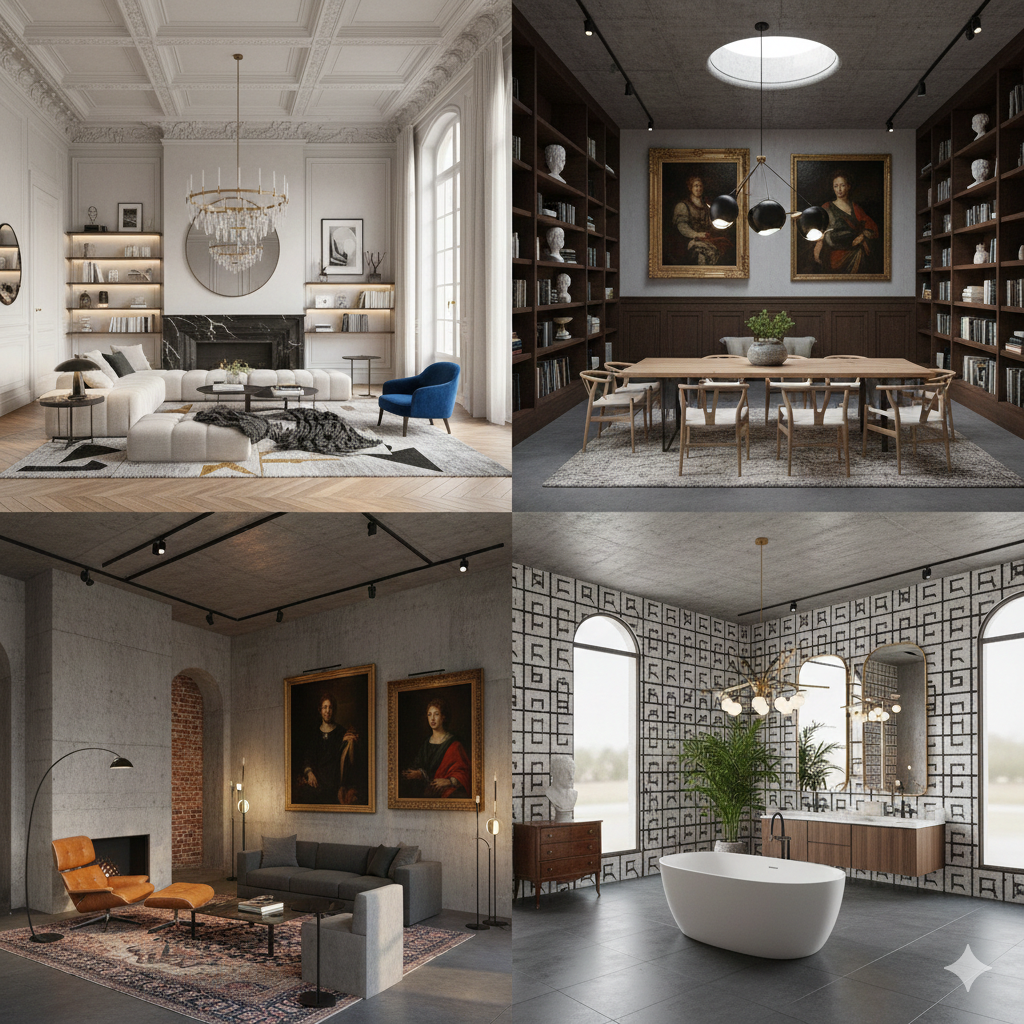
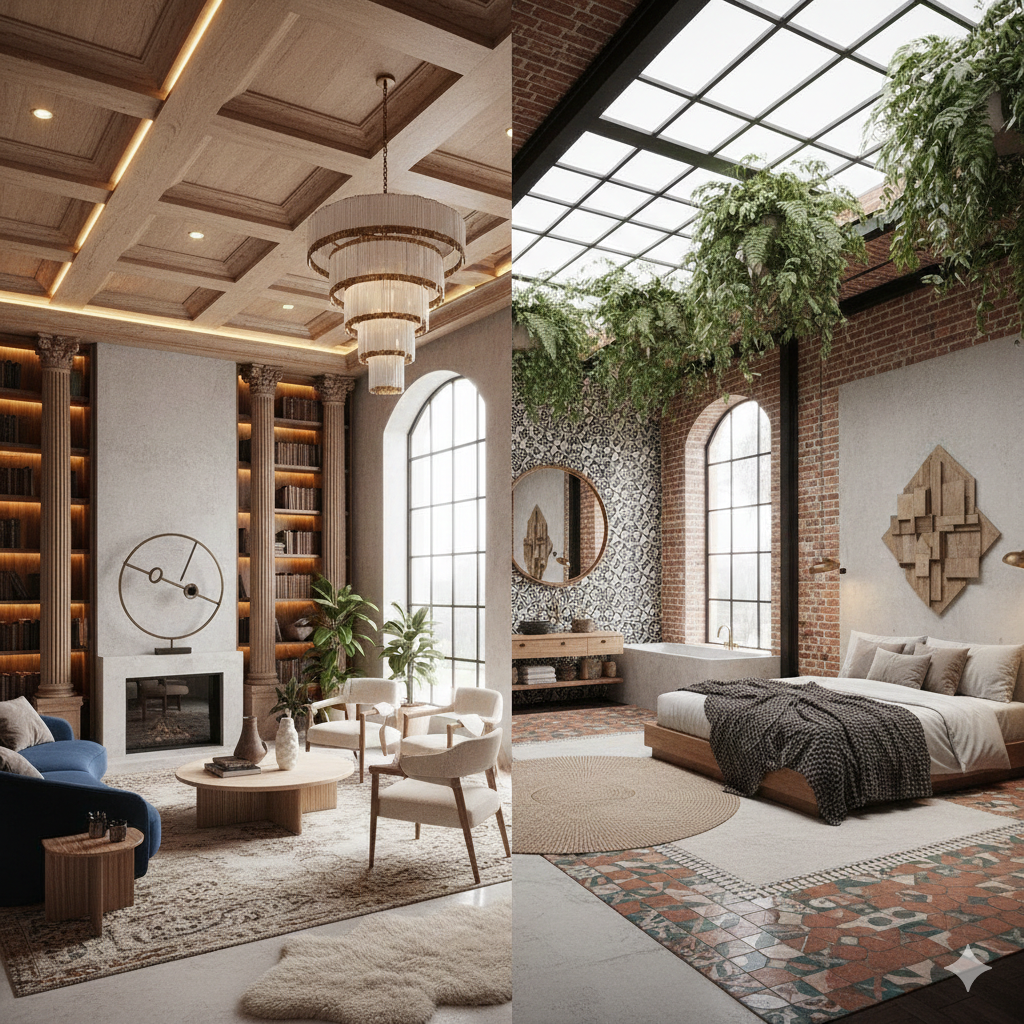
Interior design styles provide more than a visual identity; they set the mood of a home, shape how spaces function, and influence daily comfort. With so many looks circulating online—some rooted in history, others driven by innovation—it is easy to admire a room yet struggle to articulate what makes it work. This guide clarifies the most influential interior design styles, from classic interior design traditions to contemporary interior design and today’s most popular hybrids, while offering a practical method for choosing a style that fits your architecture, habits, and preferences.
What Is Interior Design Style and Why It Matters
Defining Interior Design Styles: Key Elements and Principles
An interior design style is a coherent set of choices that governs how a space looks and feels. It is not a rigid template; rather, it is a design language built from repeatable elements. Understanding these fundamentals helps you recognize styles quickly and apply them consistently.
- Architecture and proportions: Ceiling height, window scale, trim work, and built-ins often suggest which styles will appear authentic rather than forced.
- Color palette: Some aesthetics rely on restrained neutrals; others embrace saturated hues, layered patterns, and high contrast.
- Materials and finishes: Natural stone, warm woods, lacquer, concrete, linen, and metals each carry a distinctive visual temperature and level of formality.
- Furniture silhouettes: Curved profiles, ornate carvings, tapered legs, or low-slung forms immediately signal specific design eras.
- Lighting: From chandeliers and sconces to track lighting and oversized pendants, fixtures define ambience and reinforce style cues.
- Textures and textiles: Wool, velvet, bouclé, rattan, leather, and cotton determine how inviting or tailored a room feels.
- Styling and accessories: Art, books, ceramics, greenery, and objects can amplify a theme or introduce controlled contrast.
When these components align, a home reads as intentional. When they conflict—such as overly ornate pieces in a starkly minimal shell—the result often feels unsettled, even if individual items are attractive.
https://www.teepublic.com/t-shirt/50082230-hedgehog?store_id=2851997
How to Choose the Right Style for Your Home and Lifestyle
The best answer to how to choose interior design style is rarely “pick a trend.” A suitable style supports your routines and complements your space. Start with an assessment, then narrow options strategically.
- Consider your architecture first: A Victorian terrace naturally welcomes traditional home decor, layered textiles, and decorative trim, while a loft may better suit industrial or urban modern cues.
- Map your lifestyle: If you host frequently, prioritize durable fabrics, ample seating, and adaptable lighting. If you prefer calm and clarity, a minimalist interior or Scandinavian design approach may be more restorative.
- Identify non-negotiables: Decide what must remain—existing flooring, heirloom furniture, or artwork—and choose a style that harmonizes with those anchors.
- Define your comfort level with formality: Some classic interior design expressions are polished and symmetrical; others are relaxed and patinated.
- Create a curated reference set: Collect 10–15 images you genuinely love and look for repeated patterns—similar palettes, materials, and furniture profiles.
This process prevents impulse purchases and clarifies whether you are drawn to a singular style or a measured blend.
Classic Interior Design Styles Explained
Traditional, Neoclassical, and Victorian: Timeless Elegance Defined
Classic interior design styles are grounded in history and craftsmanship. They often emphasize symmetry, refined materials, and furnishings with enduring silhouettes.
Traditional: Traditional home decor prioritizes comfort and familiarity. Expect balanced layouts, rich wood tones, tailored upholstery, and patterns such as plaids, florals, and stripes. Details matter—crown molding, framed doorways, and layered window treatments contribute to a composed, lived-in elegance.
Neoclassical: Neoclassical interiors interpret classical architecture through a restrained, modern lens. Decorative elements are present but disciplined: columns or pilasters, elegant paneling, and cohesive palettes featuring creams, soft grays, and muted jewel tones. Furniture is often refined with gentle curves, polished metals, and carefully scaled ornamentation.
Victorian: Victorian design is unapologetically expressive. It favors intricate detailing, deep color stories, ornate woodwork, and eclectic collections presented with intention. Velvet, brocade, and richly patterned wallpaper are common, as are statement lighting and layered décor that communicates history and personality.
Mediterranean, French Country, and Rustic: Old-World Charm and Warmth
These classic-leaning styles share a welcoming sensibility, drawing on natural materials, patina, and a connection to place.
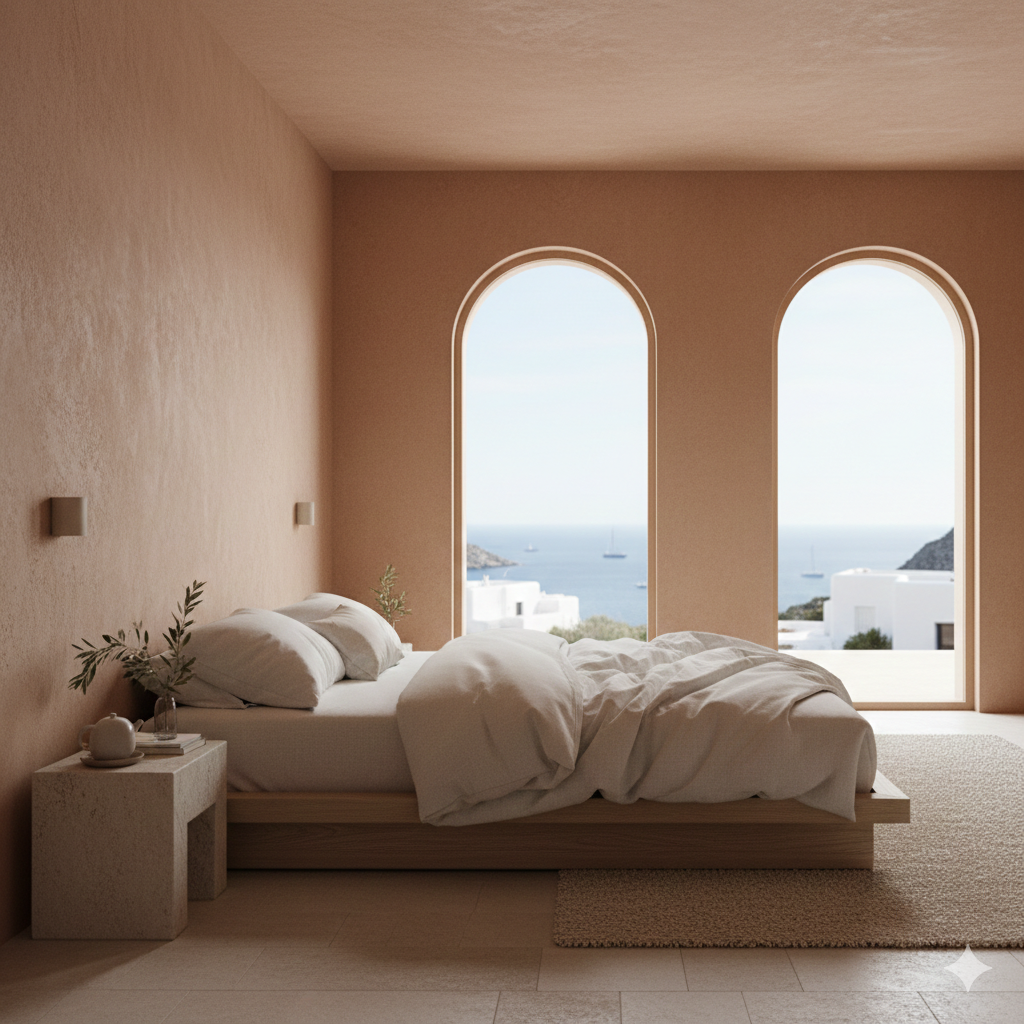
Mediterranean: Inspired by coastal regions of Spain, Italy, and Greece, Mediterranean interiors use plaster walls, terracotta, wrought iron, and warm stone. Colors often echo the landscape—sun-baked neutrals, sea blues, olive greens—paired with arches, textured surfaces, and handcrafted accents.
French Country: French Country design combines refinement with ease. Expect light, creamy palettes, weathered woods, linen upholstery, and gently curved furniture. Decorative details—carved legs, antique finishes, and subtle patterns—create a home that feels collected rather than staged.
Rustic: Rustic interiors celebrate authenticity. Reclaimed timber, exposed beams, stone fireplaces, and tactile textiles are central. The look is grounded and substantial, often paired with simple forms and earthy tones to emphasize warmth over polish.
Modern and Contemporary Interior Design Styles
Mid-Century Modern, Minimalist, and Scandinavian: Clean Lines and Function
Modern styles share a focus on clarity and purpose, yet each expresses it differently through form, color, and texture.
Mid-Century Modern: Recognizable for its iconic silhouettes, mid-century modern design favors tapered legs, organic curves, and furniture that feels light in a room. Warm woods, graphic patterns, and purposeful color accents—mustard, teal, walnut, and black—create a sophisticated retro sensibility without heaviness.
Minimalist: A minimalist interior is defined by restraint, negative space, and disciplined editing. The palette is often neutral and materials are chosen for purity—matte plaster, pale wood, stone, and subtle textiles. Storage plays a starring role, keeping surfaces clear so architecture and light become the dominant features.
Scandinavian: Scandinavian design balances functionality with comfort. Bright whites, soft neutrals, light woods, and generous daylight create an airy foundation, while layered textiles and simple handcrafted objects add warmth. This style is approachable, practical, and especially effective in smaller homes that benefit from visual spaciousness.
Contemporary, Industrial, and Urban Modern: Sleek, Bold, and On-Trend
These aesthetics often appear in discussions of modern vs contemporary style, yet they are distinct in origin and expression. “Modern” typically references a specific design movement, while “contemporary” reflects what feels current—shaped by evolving tastes, technology, and culture.
Contemporary: Contemporary interior design is fluid rather than period-specific. It often features clean profiles, thoughtful contrast, and a blend of materials—glass, metal, stone, and warm woods—balanced with plush textiles. Color palettes range from tonal neutrals to high-contrast black-and-white, typically grounded by statement lighting and sculptural furniture.
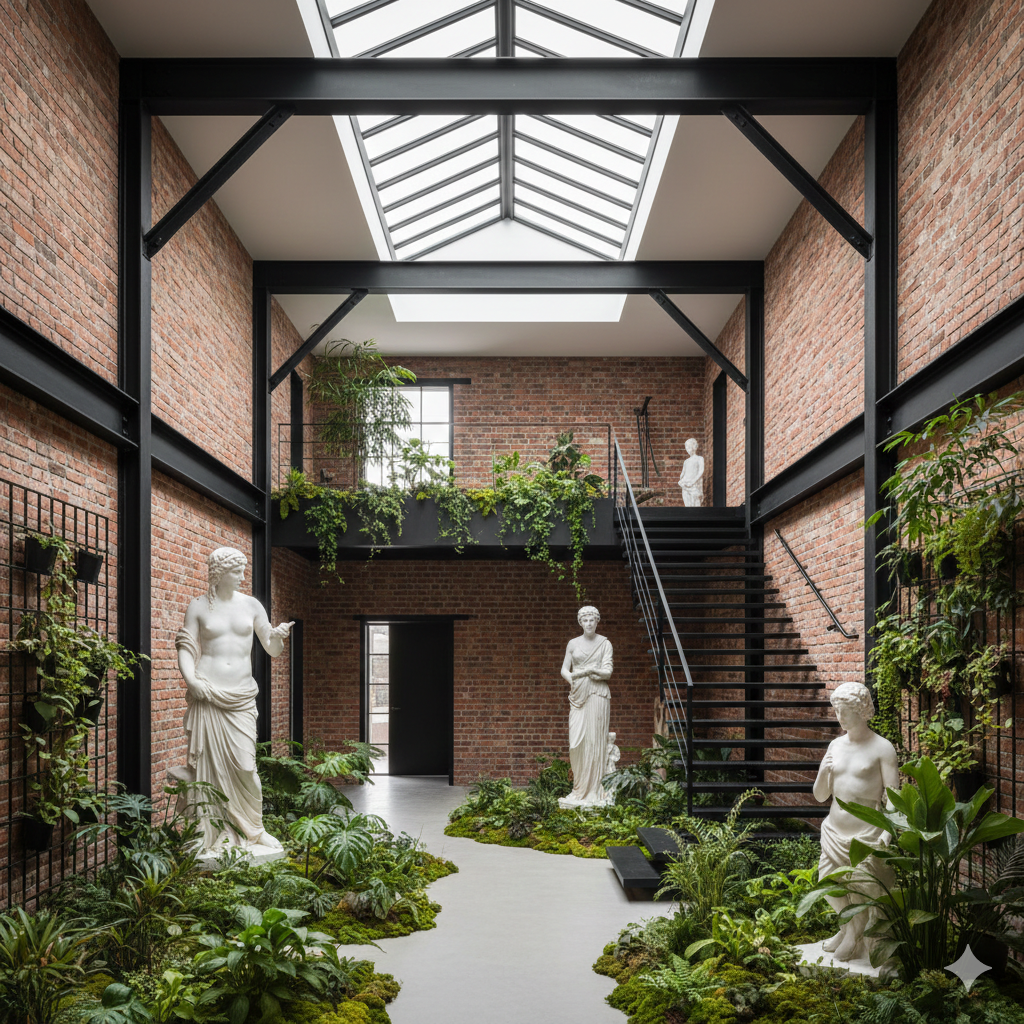
Industrial: Industrial interiors draw from warehouses and factories. Exposed brick, concrete floors, visible ductwork, and metal-framed windows are common, along with utilitarian fixtures and reclaimed wood. To avoid a stark atmosphere, industrial rooms benefit from softened edges—area rugs, upholstered seating, and warmer lighting temperatures.
Urban Modern: Urban modern style merges sleek contemporary lines with city-living practicality. It embraces tailored furniture, space-efficient layouts, and bold art, often layered with textured neutrals and occasional high-impact finishes such as lacquer, smoked glass, or brushed brass. The result is sophisticated, compact, and visually confident.
Eclectic and Hybrid Interior Design Styles
Boho, Japandi, and Transitional: Blending Comfort and Character
Hybrid styles respond to the reality that most homes are not single-note. They blend influences to create spaces that feel personal, functional, and visually balanced.
Boho: Bohemian interiors thrive on texture, pattern, and global influence. Layered rugs, rattan, vintage finds, artisanal ceramics, and abundant greenery are common. Successful eclectic style decor relies on a unifying thread—often a consistent palette or repeated material—so the room reads as curated rather than chaotic.
Japandi: Japandi fuses Japanese calm with Scandinavian warmth. Expect natural materials, low-profile furniture, and an emphasis on craftsmanship. The palette is typically muted—warm whites, soft taupes, charcoal, and black accents—supported by uncluttered styling and tactile surfaces that invite a slower pace of living.
Transitional: Transitional design bridges classic and modern by pairing traditional proportions with simplified finishes. Think clean-lined sofas alongside elegant case goods, neutral backdrops with subtle pattern, and a preference for timelessness over spectacle. It is an ideal choice for homeowners who appreciate classic references but want a lighter, less ornate execution.
Coastal, Farmhouse, and Modern Farmhouse: Relaxed, Light, and Airy
These approachable styles focus on ease, brightness, and a sense of welcome, though each interprets that comfort through different materials and motifs.
Coastal: Coastal interiors are defined by airy palettes and relaxed textures rather than overt nautical themes. Whites, sand tones, and soft blues are paired with linen, cotton, light woods, and natural fibers. The goal is a sunlit, breathable environment that feels effortless and restorative.
Farmhouse: Farmhouse style emphasizes practicality and heritage. It often includes sturdy wood furniture, simple forms, and a mix of vintage and utilitarian elements. Shiplap, apron-front sinks, and classic cabinetry can appear, supported by warm neutrals and a comfortable, family-oriented layout.
Modern Farmhouse: Modern farmhouse refines the farmhouse spirit with cleaner lines and higher contrast. Black window frames, streamlined lighting, and simplified millwork modernize traditional cues. When done well, it avoids gimmicks by prioritizing quality materials, thoughtful proportions, and a restrained selection of decorative statements.
Ultimately, interior design styles are tools, not constraints. Whether you gravitate toward classic interior design, lean into contemporary interior design, or prefer a carefully curated hybrid, the strongest homes share a common trait: choices that align with the architecture and support the way people truly live. Define the atmosphere you want, select a palette and material story you can sustain long-term, and build gradually with pieces that earn their place. A well-designed home does not merely follow a category—it expresses a point of view.
The Ultimate Guide to Futuristic Fashion Design
Timeless Interior Design Ideas That Never Go Out of Style
Interior Design Trends That Will Define Modern Homes
Zoo-doku