
Cannes Travel Guide: Film Festival, Attractions & Riviera Elegance
Discover Cannes travel guide with top attractions, Film Festival history, La Croisette highlights, travel tips, and the best time to visit.
Cannes, symbol of elegance on the French Riviera, fascinates visitors with its cinematic aura, palm-lined promenades and refined art of living. Beyond the red carpet, the city reveals a rich history, vibrant cultural life and year-round seaside charm. This guide explores Cannes through its past, its legendary festival, its emblematic sites and practical advice to prepare a successful stay.
Overview of Cannes
History of Cannes
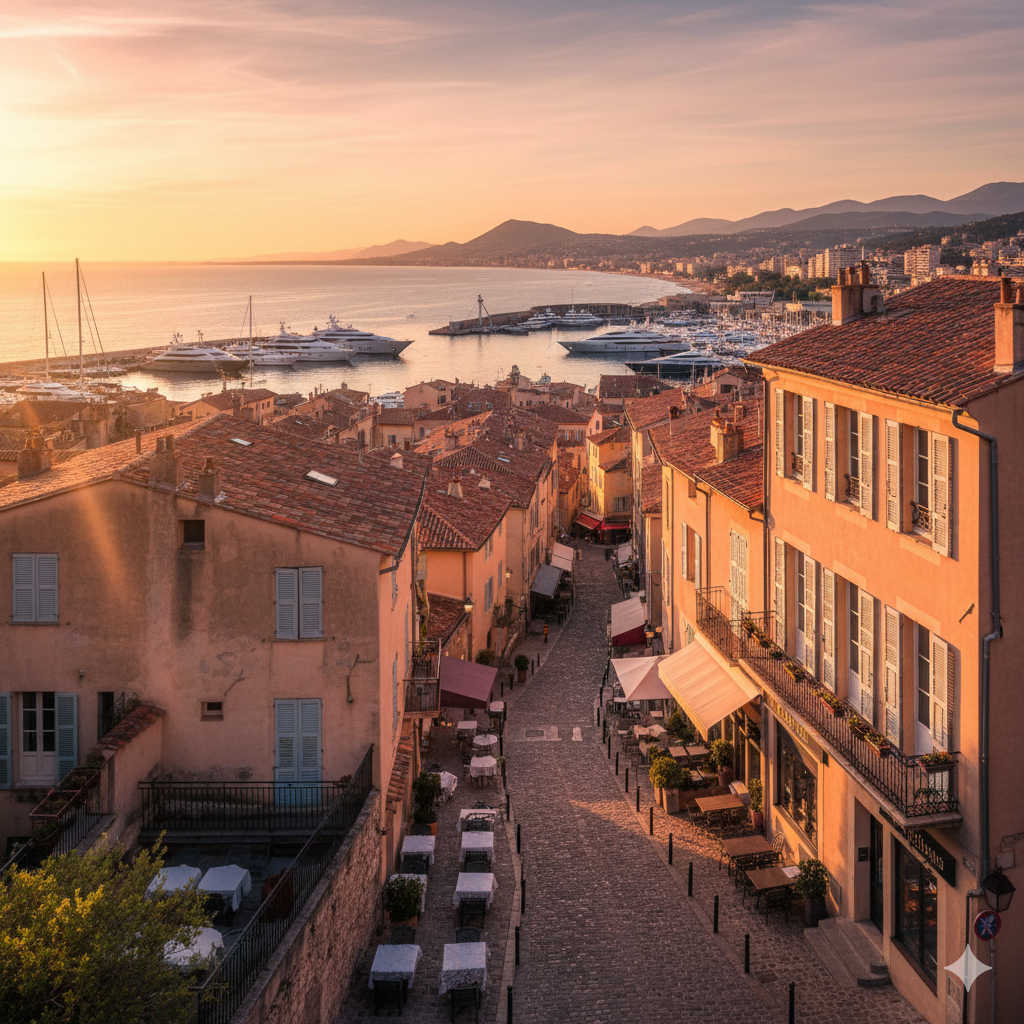
The origins of Cannes date back to antiquity, when the Ligurians and then the Romans settled along this strategic stretch of coastline. For centuries, however, the town remained a modest fishing village, turned towards the sea and the Lérins Islands just offshore. Its true transformation began in the 19th century, with the arrival of European aristocracy seeking a mild winter climate and discretion far from major capitals.
In 1834, Lord Brougham, a British statesman captivated by the beauty of the bay, decided to build a residence in Cannes. His presence attracted other wealthy families, prompting the construction of sumptuous villas and luxury hotels. The small village gradually turned into a prestigious resort, connected by railway to Paris and beyond. The Belle Époque saw the rise of the Croisette and the development of elegant infrastructure designed to welcome international clientele.
The 20th century strengthened this newfound status. Cannes survived the upheavals of the World Wars and then embraced tourism and culture as drivers of development. The creation of the Cannes Film Festival in 1946 elevated the city to global prominence, anchoring its identity as a capital of cinema and glamour while preserving its Mediterranean roots.
Cultural Significance
Cannes occupies a unique position at the intersection of cinema, luxury and Mediterranean lifestyle. Each year, the city becomes a global showcase for film creation, hosting industry professionals, renowned directors and emerging talents. This concentration of artistic and media attention has turned Cannes into a reference point for cultural diplomacy and creative industries.
Beyond the film festival, the city cultivates a dynamic cultural calendar with music, dance, photography and contemporary art events. Museums such as the Musée des Explorations du Monde on Suquet hill highlight maritime history, art and world cultures. Local galleries exhibit both regional artists and international creations, thus enriching the city’s artistic landscape.
Cannes also symbolizes the refinement associated with the Côte d’Azur: luxury boutiques, grand hotels, gourmet restaurants and private beaches contribute to an image of sophisticated hedonism. Yet behind this polished façade lies a living city, where Provençal markets, traditional regattas and neighborhood festivals perpetuate a more authentic and convivial Mediterranean culture.
The Cannes Film Festival
History and Evolution
The Cannes Film Festival was conceived in the late 1930s as an alternative to the Venice Festival, which had come under political influence. Officially inaugurated in 1946, it quickly established itself as a major event in world cinema. Initially modest, the festival gradually built its reputation by showcasing daring films, fostering intercultural dialogue and highlighting the diversity of cinematic language.
Over the decades, the event evolved from a simple competition to a complete ecosystem dedicated to the film industry. The creation of the Marché du Film made Cannes an essential marketplace for producers, distributors and buyers. Parallel selections such as the Directors’ Fortnight, Critics’ Week and Un Certain Regard broadened the range of films presented, offering a platform to avant-garde works and new voices in filmmaking.
Technological changes, the advent of streaming platforms and changes in viewing habits have not spared the festival. Cannes has adapted while preserving its fundamental principles: defending artistic freedom, valuing big-screen experience and encouraging encounters between professionals from all over the world. Today, the festival remains a benchmark for cinematic prestige and a powerful media showcase for the selected films.
Major Awards and Highlights
The Palme d’Or is the festival’s most coveted distinction. Awarded to the best film in the official competition, it has honored directors who have significantly influenced the history of cinema. Winning the Palme d’Or often propels a work onto the international stage, offering it unparalleled visibility and, frequently, a second theatrical life.
Other major awards consolidate the aura of the event. The Grand Prix salutes films that left a strong impression on the jury, while awards for Best Director, Best Actor and Best Actress recognize remarkable individual achievements. The Jury Prize, often associated with bold or singular works, sometimes becomes a springboard for more experimental cinema.
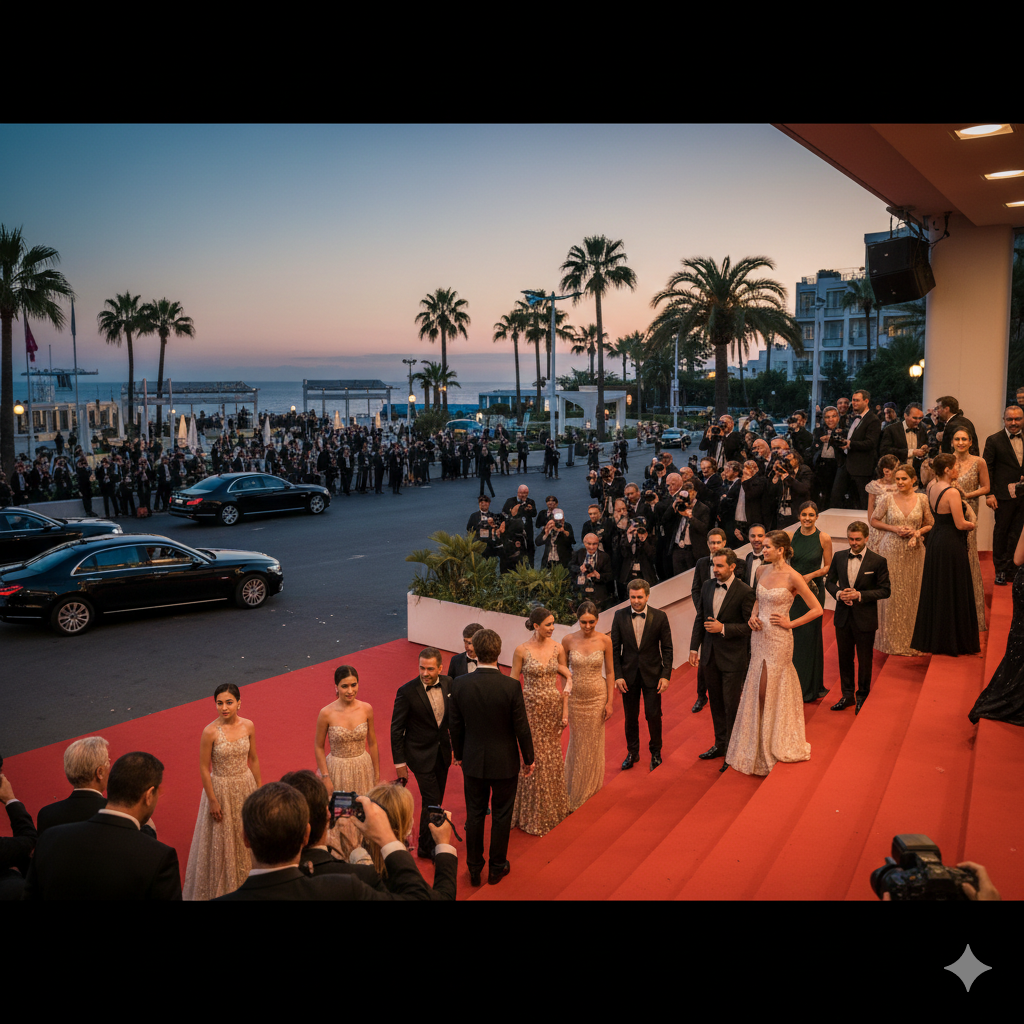
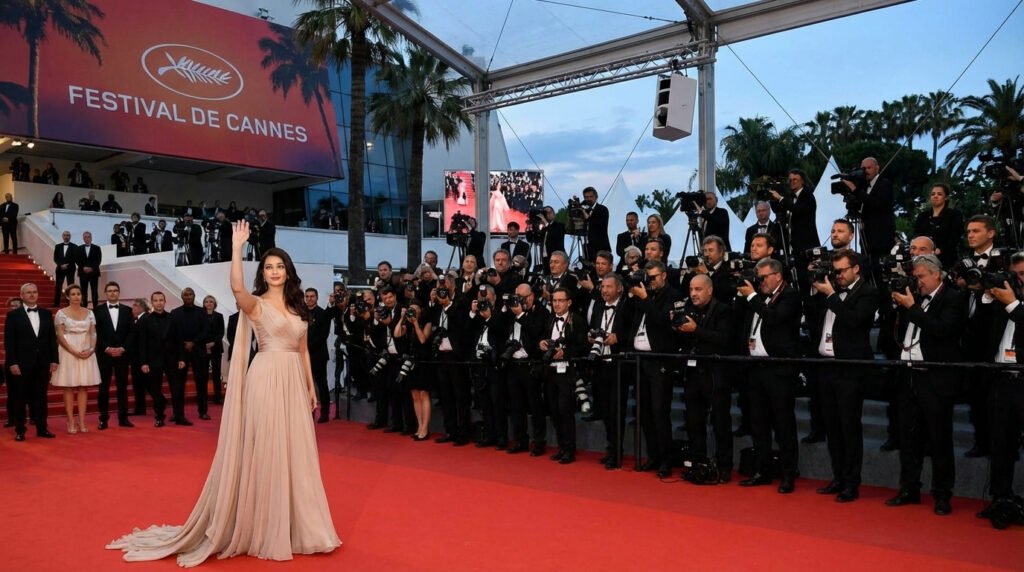
Beyond the awards, Cannes is renowned for its emblematic moments: high-profile premieres, press conferences, standing ovations, and the ritual of climbing the famous red-carpeted steps. These highlights contribute to the myth of Cannes and help shape each edition’s narrative, relayed by media worldwide. For professionals, the festival also represents a decisive moment for launching productions, securing financing and consolidating partnerships.
Top Attractions in Cannes
La Croisette
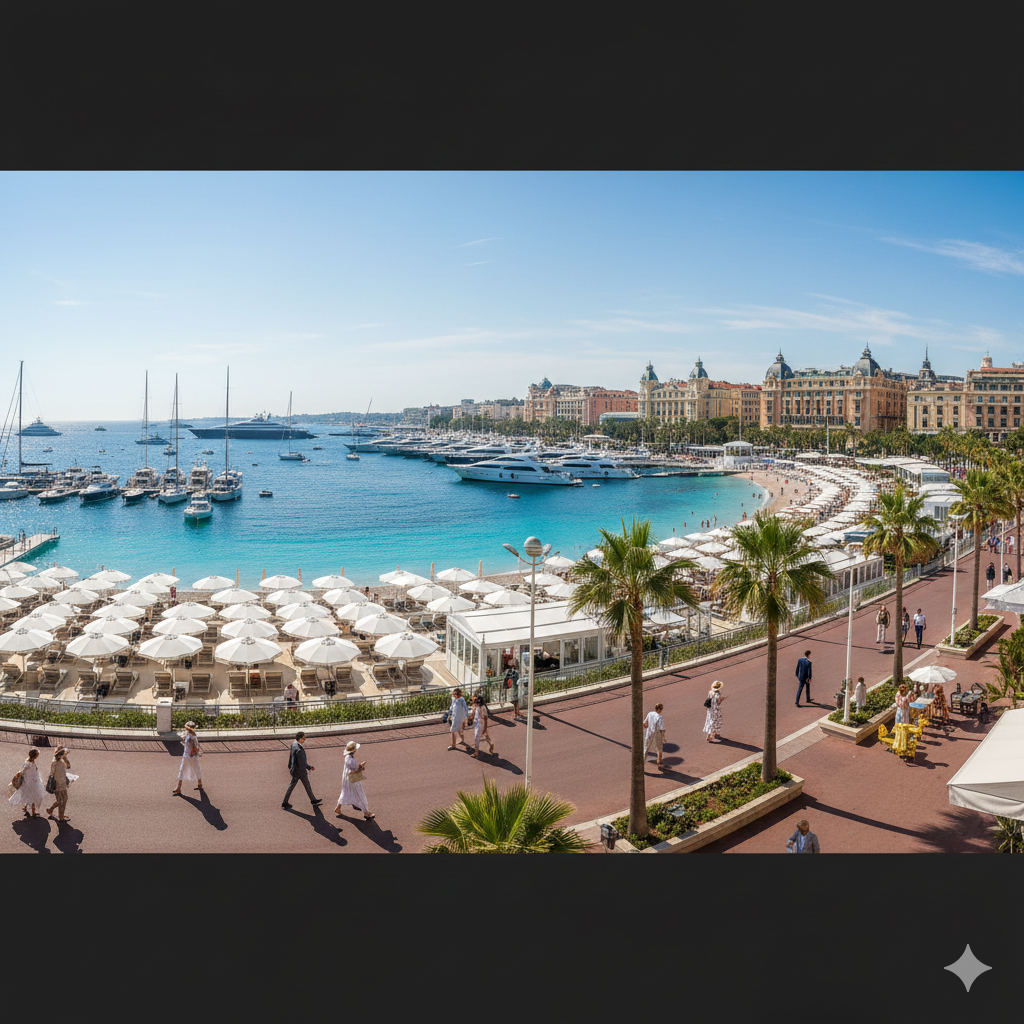
La Croisette is the emblematic promenade of Cannes, stretching gracefully along the bay between sandy beaches and luxurious façades. Lined with palm trees, punctuated by prestigious hotels and elegant boutiques, it epitomizes the glamour of the French Riviera. Strolling along La Croisette allows visitors to soak up the atmosphere of the city, between sea breeze and cosmopolitan animation.
By day, the promenade invites relaxation: private and public beaches, shaded benches, terraces facing the sea and pontoons extending into the Mediterranean define its rhythm. The view of the Lérins Islands adds a picturesque dimension to this urban panorama. Joggers, families, business travelers and festival attendees cross paths, reflecting the diversity of those drawn to Cannes.
At night, La Croisette reveals another face. Lights from palaces, casinos and restaurants reflect on the water, while stylish bars and clubs create a lively nocturnal scene. During the Cannes Film Festival, the promenade becomes a nerve center where cinema professionals, journalists and enthusiasts converge. Even outside the festival period, La Croisette remains the ideal place to experience the city’s refined and cosmopolitan ambiance.
Palais des Festivals
The Palais des Festivals et des Congrès is the architectural symbol of contemporary Cannes. Built to host the film festival, it has gradually become a major venue for international conferences, trade shows and professional events. Its strategic location at the end of La Croisette makes it one of the most photographed sites in the city.
This imposing building houses several auditoriums, exhibition halls and reception areas equipped with state-of-the-art technology. The famous red-carpeted steps at its entrance represent a true pilgrimage site for cinema enthusiasts, who enjoy posing on the same staircase as the stars. The esplanade in front of the Palais is often home to artistic installations, projections or public events, especially during major festivals.
While the Palais des Festivals is primarily associated with cinema, it plays a key role in the economic dynamism of Cannes throughout the year. International congresses, music and television markets, luxury, real estate or yachting fairs attract professionals from all over the world, reinforcing the city’s image as a hub for business tourism on the Côte d’Azur.
https://www.teepublic.com/t-shirt/50088650-classic-car?store_id=2851997
Travel Tips for Cannes
Best Time to Visit
The climate of Cannes, typically Mediterranean, offers mild winters and hot, dry summers, making the destination attractive in all seasons. However, choosing the right period depends on expectations and budget. From late May to early September, the weather is generally ideal for enjoying beaches and outdoor activities, but this is also the busiest and most expensive period.
April, May, late September and October often represent an excellent compromise. Temperatures are pleasant, the sea gradually warms up, and the city is less crowded than in high season. These shoulder months are particularly suitable for travelers who wish to explore Cannes, its historic neighborhoods and surroundings in a more tranquil atmosphere, while benefiting from usually advantageous rates on accommodation.
Visiting during the film festival in May offers a unique experience, but requires careful planning. Prices soar, and availability can become scarce long in advance. Outside peak events, the low season from November to March reveals a more discreet Cannes, appreciated for its walks, cultural visits and mild winter sunshine, especially by those seeking calm and authenticity.
Accommodation Options
Cannes offers a wide range of accommodation options, from legendary palaces on La Croisette to discreet guesthouses in residential areas. Luxury hotels, many of which are internationally renowned, attract visitors in search of refined services, sea views and direct access to private beaches. These establishments are particularly prized during major events and the high tourist season.
For travelers seeking comfort without extravagance, numerous mid-range hotels and serviced apartments are available in the city center and surrounding neighborhoods. They provide a practical base close to the train station, the Old Port, and main points of interest. Furnished rentals also allow for extended stays, ideal for those who wish to discover the Côte d’Azur at a more leisurely pace or combine work and leisure.
More economical options can be found by choosing accommodations slightly away from La Croisette, towards residential districts or nearby communes accessible by public transport. Youth hostels, small family-run hotels and seasonal rentals enable visitors to enjoy Cannes and its coastline without compromising their budget. To optimize costs and availability, particularly during major congresses and the Cannes Film Festival, booking as early as possible is strongly recommended.
In conclusion, Cannes is far more than a glamorous backdrop for celebrities and photographers. The city combines a rich historical heritage, a strong cinematic identity and the discreet luxury characteristic of the French Riviera. Whether drawn by the allure of the festival, the charm of La Croisette, or the desire to explore a Mediterranean destination imbued with culture and elegance, visitors will find in Cannes a multifaceted city that leaves a lasting impression. By choosing the right travel period and accommodation, each traveler can tailor their experience and discover, beyond the clichés, an exceptional seaside city with a singular personality.
cannes-travel-guide-top-attractions-film-festival
Top Interior Design Mistakes and How to Avoid Them
Venice Travel Guide: Top Attractions and Hidden Gems
The Ultimate Florence Travel Guide: Art, History, and Dining
Holiday in London: Travel Guide, and Top Attractions
Cannes travel guide
visit Cannes
Cannes Film Festival
things to do in Cannes
Cannes attractions
best time to visit Cannes
French Riviera travel
My Puzzle