
Tempura Recipe Guide: How to Make Perfect Japanese Tempura at Home
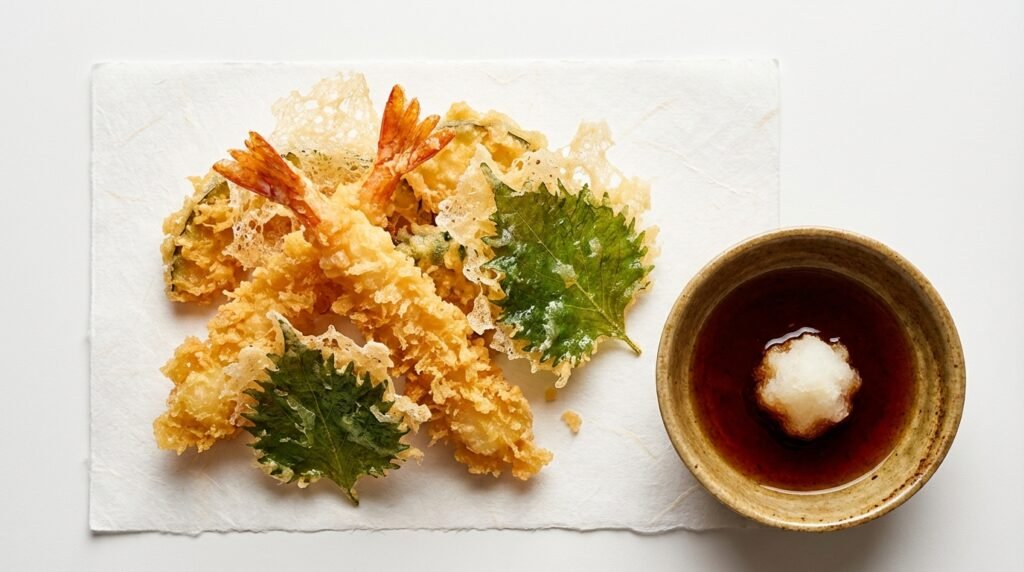
Discover the art of making perfect tempura with our detailed guide. Learn about its origins, key ingredients, variations, and ideal pairings to savor this Japanese delicacy at home.
Delicate, crisp, and astonishingly light, tempura is one of the most refined expressions of Japanese frying. Behind its apparent simplicity lies a careful balance of technique, temperature, and timing. Understanding its history, choosing the right ingredients, and mastering a few key methods will enable you to prepare restaurant-quality tempura in your own kitchen.
What is Tempura?
Tempura is a style of frying in which seafood, vegetables, and occasionally other ingredients are lightly coated in a simple batter, then quickly fried in hot oil until pale golden and crisp. Unlike heavier Western batters, tempura batter is thin, almost ethereal, designed to highlight the natural flavor and texture of the ingredient rather than mask it.
In Japanese cuisine, tempura is served as a standalone dish, as a topping for rice bowls, or as an accompaniment to noodles. Precision is essential: the oil must be at the correct temperature, the batter mixed briefly and kept cold, and the ingredients cut to cook in seconds rather than minutes. When executed correctly, the result is a shattering crust and a tender, juicy interior.
Origins and History of Tempura
The history of tempura is more international than many expect. In the 16th century, Portuguese missionaries and traders arrived in Japan, bringing with them a tradition of batter-fried foods. The word “tempura” is widely believed to derive from the Latin “tempora,” referring to Ember days, when Catholics abstained from meat and often consumed fried fish and vegetables.
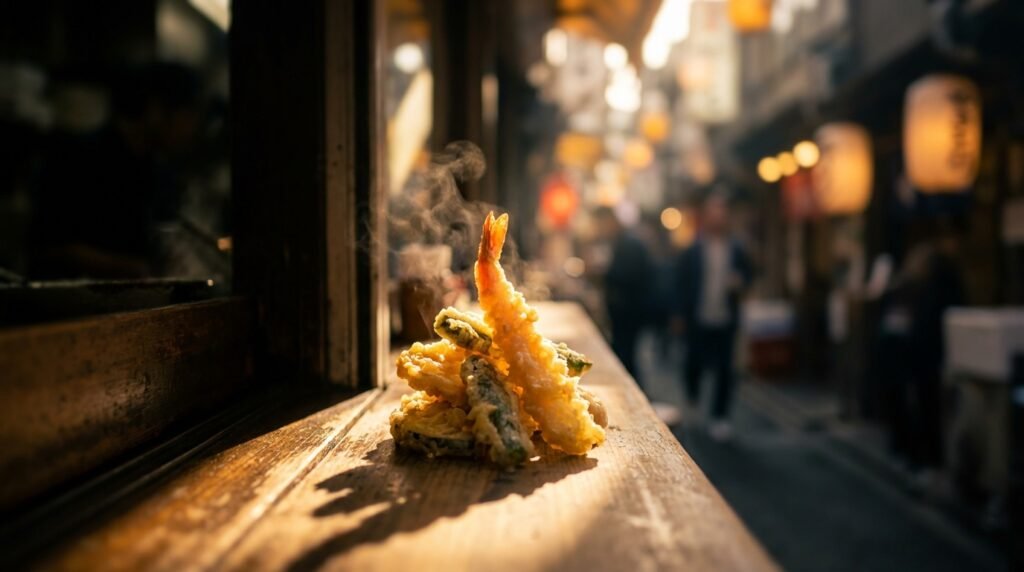
These foreign frying techniques were gradually adapted to local tastes and ingredients. Japanese cooks simplified the batter, moved away from breading, and focused on achieving a lighter, crisper texture. Over time, tempura became fully integrated into Japanese culinary culture, particularly in Edo (modern-day Tokyo) during the Edo period, where street vendors fried fresh seafood for busy townspeople.
By the late 19th and early 20th centuries, tempura had developed into the refined style of Japanese tempura known today: carefully prepared, served immediately, and appreciated for its subtlety. Modern Japanese tempura shops often specialize exclusively in this dish, emphasizing technique and impeccable ingredients.
Key Ingredients Used in Tempura
Although there are countless tempura variations, the core components of a traditional Japanese tempura recipe are surprisingly minimal. Quality and balance matter far more than complexity.
- Flour: All-purpose flour is commonly used, though some cooks prefer low-protein cake flour for an even lighter texture. Commercial tempura flours often contain leavening agents and starches to ensure crispness.
- Liquid: Ice-cold water is the standard base. Many experienced cooks incorporate sparkling water or a mix of water and egg to introduce air and create a more delicate crust.
- Egg (optional): A lightly beaten egg, often mixed with water, contributes richness and color, though some minimalist recipes omit it entirely for an ultra-light, almost transparent coating.
- Oil: Neutral, high-smoke-point oils are essential for cooking tempura properly. Traditionally, sesame oil (often blended with vegetable oil) is used in Japan for its subtle aroma. Canola, sunflower, or rice bran oil also work very well.
- Seafood and vegetables: Shrimp, white fish, squid, sweet potatoes, pumpkin, eggplant, and green beans are among the most classic tempura ingredients, selected for their ability to cook quickly and evenly.
Because the batter is so light, the ingredient itself must be of high quality; freshness is critical, especially for seafood. Seasoning is intentionally restrained, allowing the natural sweetness of vegetables and the briny notes of seafood to shine through.
How to Make Perfect Tempura at Home
Homemade tempura can rival restaurant offerings when attention is paid to detail. To master how to make tempura at home, focus on preparation, temperature control, and handling. The goal is to work efficiently so that ingredients move from batter to oil to plate in a smooth, uninterrupted flow.
Essential Tools and Equipment
While specialized tempura equipment exists, most home kitchens already contain the necessary tools for cooking tempura effectively.
- Deep, heavy pot or wok: A deep, stable pot with thick walls helps maintain a consistent oil temperature. A wok can also work, provided there is enough depth for frying.
- Thermometer: An accurate kitchen thermometer is one of the most valuable tools for tempura. Ideal frying temperatures range from about 170–180°C (340–355°F), depending on the ingredient.
- Wire rack or tray: A cooling rack placed over a tray allows excess oil to drain without trapping steam, keeping the coating crisp.
- Chopsticks or tongs: Long cooking chopsticks, or fine tongs, give you control when handling delicate pieces without damaging the batter.
- Mixing bowls and whisk or chopsticks: A medium bowl kept over ice helps maintain an icy batter. Chopsticks or a fork are preferable to a whisk to avoid over-mixing.
- Paper towels or absorbent paper: These are useful for a brief initial drain, though resting on a rack is generally superior for preserving crispness.
Beyond equipment, organization is crucial. Arrange prepped ingredients, batter, and frying station in a logical sequence to minimize delays between dipping and frying.
Step-by-Step Tempura Recipe
The following homemade tempura method offers a solid foundation for consistent, light results. Adjust ingredients and timing according to your preferences and experience.
Ingredients
- 200 g (about 1 2/3 cups) all-purpose or cake flour, plus extra for dusting
- 1 large egg (optional but recommended for beginners)
- 300 ml (about 1 1/4 cups) ice-cold water or sparkling water
- Assorted seafood (e.g., 12 medium shrimp, peeled and deveined, tails on)
- Assorted vegetables (e.g., sweet potato slices, pumpkin slices, bell pepper strips, broccoli florets, shiitake mushrooms, asparagus)
- Neutral frying oil (enough to fill your pot to a depth of at least 5–7 cm / 2–3 inches)
- Fine salt for light seasoning
Preparation
- Prepare the ingredients:
- Cut vegetables into uniform, bite-sized pieces, not too thick, so they cook quickly.
- Pat seafood completely dry with paper towels to prevent splattering and ensure the batter adheres evenly.
- Chill everything:
- Place the seafood and vegetables in the refrigerator until needed.
- Chill your mixing bowl and water; cold batter slows gluten development and results in a lighter crust.
Making the batter
- Beat the egg (if using): Lightly beat the egg in a chilled bowl, avoiding excessive frothing.
- Add the water: Stir in the ice-cold water or sparkling water. You should see small bubbles if using sparkling water.
- Incorporate the flour:
- Add the flour to the liquid in two or three additions.
- Stir briefly with chopsticks or a fork in a loose, zigzag motion.
- Leave small lumps; a perfectly smooth batter suggests over-mixing, which can lead to a heavier coating.
- Keep the batter cold: Place the bowl over a larger bowl filled with ice to maintain a low temperature while frying.
Frying the tempura
- Heat the oil: Pour oil into your pot and heat gradually to 170–180°C (340–355°F). Use a thermometer for accuracy. Different ingredients benefit from slightly different temperatures, but this range works well for most.
- Lightly dust ingredients: Toss seafood and vegetables in a thin layer of flour, shaking off the excess. This helps the batter cling to the surface.
- Dip and fry:
- Dip a few pieces at a time into the batter, then gently lower them into the hot oil.
- Avoid overcrowding; too many pieces at once lower the temperature and produce greasy results.
- Monitor doneness:
- Fry until the coating turns a very light golden color and feels crisp, generally 1–2 minutes for vegetables and 2–3 minutes for shrimp, depending on size.
- Listen for a steady, active sizzle. If the sound fades quickly, the oil may be too cool; if it becomes overly intense, the oil may be too hot.
- Drain properly:
- Transfer the tempura to a wire rack over a tray rather than placing it directly on paper towels, which can trap steam and soften the crust.
- Lightly season with a pinch of fine salt while still hot if desired.
- Serve immediately: Tempura is at its best within minutes of leaving the oil. Arrange on a warm plate with dipping sauces ready.
Once you are comfortable with this core tempura recipe, you can experiment with different flours, such as adding a portion of cornstarch or rice flour, or adjusting the liquid ratio to achieve a slightly thinner or thicker batter.
Variations of Tempura Dishes
Tempura is remarkably adaptable. While the traditional Japanese tempura approach emphasizes seasonal vegetables and fresh seafood, the same technique can be applied to a broad range of ingredients and culinary styles.
Common Vegetables and Seafood for Tempura
In Japan, cooks often choose Japanese tempura ingredients that reflect the season. This not only ensures optimal flavor and texture but also connects the dish to a particular time of year.
Popular vegetable choices include:
- Sweet potato: Cut into thin rounds or half-moons; its natural sweetness intensifies when fried.
- Kabocha (Japanese pumpkin): Offers a rich, nutty sweetness and velvety interior.
- Eggplant: Absorbs flavor beautifully and becomes soft and creamy under the crisp crust.
- Bell peppers and shishito peppers: Provide color and a gentle bitterness that balances the oil.
- Green beans and asparagus: Their slender shape ensures quick cooking and a pleasant snap.
- Mushrooms (shiitake, enoki, oyster): Contribute umami depth and intriguing textures.
Common seafood options include:
- Shrimp (ebi): Perhaps the quintessential tempura item, often served with the tail exposed.
- White fish (cod, haddock, pollock): Mild flavor and tender flesh that cook swiftly.
- Squid and cuttlefish: When scored and cut into bite-sized pieces, they become pleasantly tender.
- Small whole fish: In some regions, small fish are fried whole for a satisfying crunch.
These classic tempura variations are excellent starting points for exploring more adventurous combinations while maintaining authenticity.
Unique Tempura Twists from Around the World
As Japanese cuisine spread globally, cooks began to reinterpret tempura in creative ways, merging it with local ingredients and culinary traditions.
- Herb and edible flower tempura: In some contemporary Japanese and Western restaurants, fresh shiso leaves, sage, or edible flowers are dipped in a light batter and fried to create fragile, aromatic crisps.
- Cheese tempura: Certain fusion menus feature cubes of firm cheese or cheese-filled vegetables, marrying the richness of melted cheese with a tempura crust.
- Seaweed tempura: Sheets or strips of nori or wakame are briefly battered and fried, yielding intensely savory, brittle snacks.
- Non-traditional vegetables: Broccoli, cauliflower, zucchini blossoms, and even kale have been adapted into modern tempura dishes in many countries.
- Tempura sushi rolls: Outside Japan, it is common to encounter sushi rolls incorporating tempura shrimp or vegetables, or even entire rolls lightly fried to add texture.
Despite these innovations, the underlying principles of cooking tempura remain constant: keep the batter cold, the oil hot, and the frying time brief. Respecting these fundamentals ensures that even unconventional ingredients maintain the signature lightness associated with authentic Japanese tempura.
Tempura Pairings and Serving Suggestions
Tempura is highly versatile at the table. It can appear as a refined appetizer, a shared platter, or the centerpiece of a complete meal. Proper accompaniments and thoughtful presentation elevate the experience considerably.
Ideal Sauces and Dips for Tempura
While salt alone can season tempura delicately, traditional and modern tempura dipping sauces add complexity and balance, cutting through richness and complementing the fried coating.
- Tentsuyu (traditional tempura dipping sauce): A classic accompaniment made from dashi (Japanese stock), soy sauce, and mirin. The flavor is subtly smoky, sweet, and salty. Grated daikon radish is often added to the sauce just before serving for a refreshing, slightly spicy note.
- Seasoned salt blends: A simple yet elegant option is to provide fine sea salt mixed with matcha, yuzu zest, or sansho pepper. Diners lightly dip pieces of tempura into the salt rather than into a liquid sauce, preserving maximum crispness.
- Ponzu sauce: This citrus-based soy sauce is bright and tangy, pairing especially well with seafood tempura and cutting through the oil with its vivid acidity.
- Lightly spiced sauces: Outside Japan, some cooks serve a mild chili or sesame-based sauce to accompany heartier ingredients. These can be appealing but should not overpower the delicate batter and primary ingredient.
When serving multiple sauces, arrange them in small, individual bowls to encourage careful dipping rather than soaking, which can quickly soften the crust.
Complete Meal Ideas with Tempura
Tempura can easily anchor an entire meal when paired with complementary dishes and thoughtful side components. Here are several structured ideas:
- Tempura teishoku (set meal):
- A selection of shrimp and vegetable tempura
- Steamed white rice
- Miso soup
- Pickled vegetables (tsukemono) for acidity and crunch
- Tentsuyu and seasoned salt on the side
- Tendon (tempura rice bowl):
- Tempura arranged over a bowl of hot rice
- A light, slightly sweet sauce drizzled over the top
- Optional soft-boiled egg and blanched greens for added richness and color
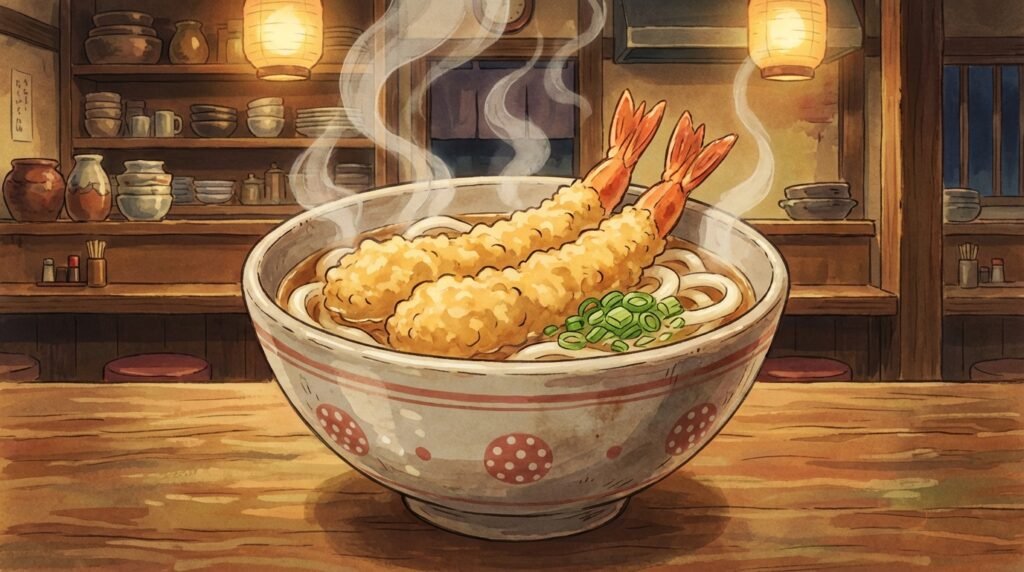
- Tempura soba or udon:
- Buckwheat soba or thick udon noodles served in hot broth or chilled with dipping sauce
- Tempura served on a separate plate to keep it crisp until the moment of eating
- Fresh scallions, grated ginger, and nori strips as garnishes
- Shared appetizer platter:
- An assortment of tempura vegetables and seafood
- Several dipping sauces: tentsuyu, ponzu, and a lightly spiced sesame sauce
- Ideal as a starter for a multi-course Japanese-inspired dinner
For beverages, light, crisp drinks complement the delicacy of Japanese tempura. Chilled green tea, dry sake, or a clean, effervescent beer can all work well, cutting through richness while not dominating the palate.
Conclusion
Tempura exemplifies the Japanese culinary emphasis on precision, seasonality, and restraint. Its history reflects centuries of adaptation, beginning with foreign influence and culminating in a distinct and elegant frying technique. With just a handful of carefully chosen tempura ingredients, disciplined temperature control, and minimal but focused preparation, it is entirely possible to achieve outstanding results in a home kitchen.
By understanding the fundamentals of how to make tempura, experimenting with both classic and modern variations, and pairing it thoughtfully with sauces, sides, and beverages, you can transform a simple plate of fried food into a refined dining experience. Whether you choose a traditional Japanese tempura spread or a creative fusion approach, the key is the same: light batter, hot oil, and immediate enjoyment.
https://www.teepublic.com/t-shirt/50124442-funny-sumo?store_id=2851997
How to Make Teriyaki Chicken: Teriyaki easy Homemade Recipe
The Ultimate Sushi Guide: History, Popular Types, and Recipes
Ramen Recipe Guide and How to Make Authentic Ramen at Home
Tempura ,Recipe ,Guide:, How-to-Make-Perfect-japanese,Tempura-at-Home
Zoo-doku