
Teriyaki Chicken Recipe Guide: Authentic Sauce, Step-by-Step Method & Healthy Tips
Meta Description: Discover the rich flavors of Teriyaki Chicken with our comprehensive guide. Learn about its origins, how to make it at home, nutritional benefits, and perfect pairings for a delicious meal!
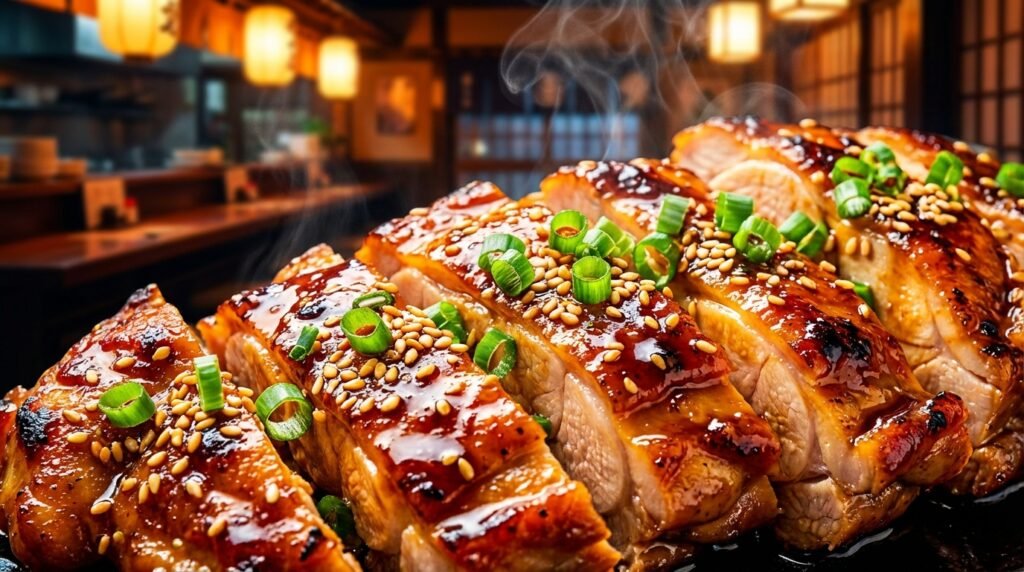
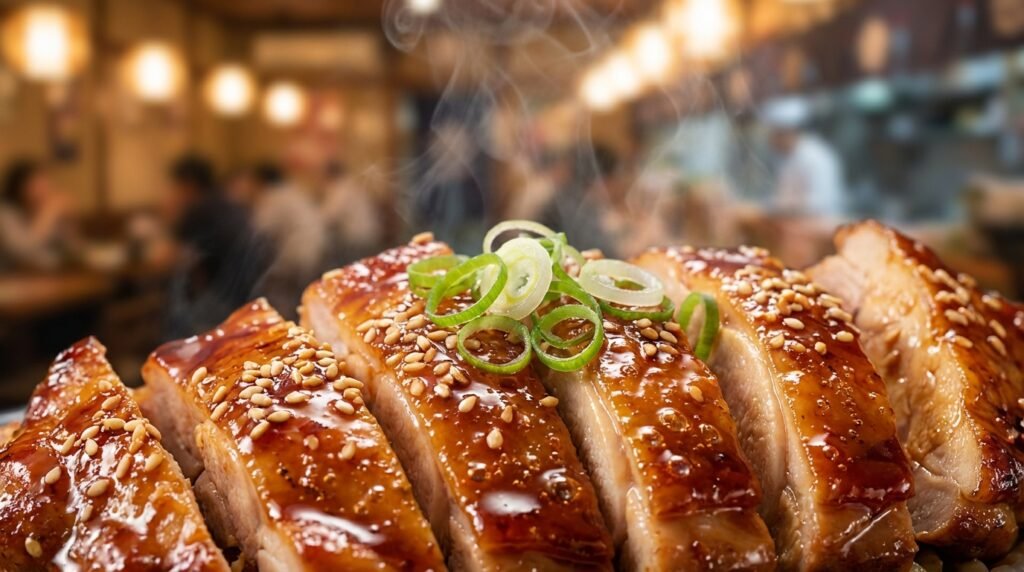
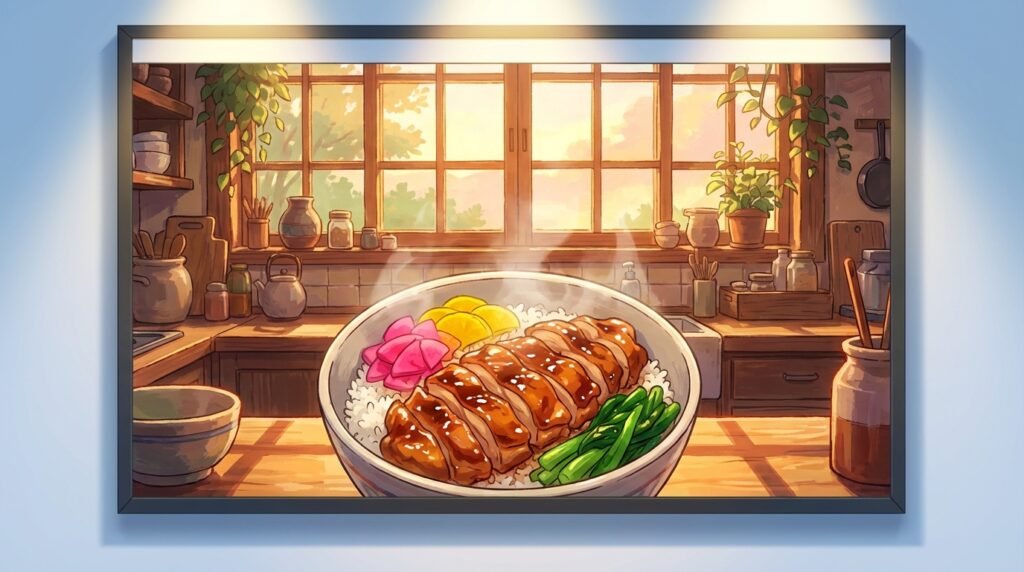
Teriyaki chicken is one of those dishes that feels both comforting and refined. Its glossy, mahogany glaze, balanced between sweet and savory, has made it a favorite in homes and restaurants worldwide. Whether you are seeking an easy weeknight dinner, experimenting with a homemade teriyaki chicken marinade, or aiming for an authentic teriyaki chicken experience, understanding the history, technique, and nutritional profile of this dish will help you elevate it from simple to exceptional.
What is Teriyaki Chicken?
Origins of Teriyaki Chicken
Contrary to the assumption that teriyaki chicken is purely a Western creation, the concept of teriyaki has deep roots in Japanese cuisine. The word “teriyaki” comes from two Japanese terms: “teri,” meaning luster or shine, and “yaki,” meaning grill or broil. At its core, teriyaki refers not to the protein itself but to a cooking technique in which food is glazed with a mixture of soy sauce, mirin, and sugar, then grilled or broiled until it develops a characteristic sheen.
In Japan, teriyaki was originally applied mainly to fish such as yellowtail, marlin, or mackerel. Chicken teriyaki gained prominence later, especially as Japanese cooking spread to North America and other parts of the world. There, the sauce evolved: chefs introduced ingredients like garlic, ginger, and sometimes cornstarch to cater to local palates and create a thicker, more clingy glaze. The modern teriyaki chicken recipe you encounter in many restaurants is therefore a blend of Japanese tradition and international adaptation.
Key Ingredients and Flavor Profile
Authentic teriyaki relies on a balance of just a few core ingredients. Traditional teriyaki sauce ingredients are:
- Soy sauce: Provides saltiness and umami depth.
- Mirin: A sweet rice wine that adds mild sweetness and gloss.
- Sake: Contributes complexity and aroma, helping to tenderize the meat.
- Sugar: Enhances sweetness and caramelization, creating the signature shine.
In homemade teriyaki chicken, especially outside Japan, you will often find additional flavor elements:
- Fresh ginger: Lends warmth and a subtle spicy note.
- Garlic: Introduces a savory, aromatic dimension.
- Honey or brown sugar: Replaces or complements white sugar for a richer sweetness.
- Cornstarch: Used to thicken the sauce into a glossy, clingy glaze.
The resulting flavor profile is layered: salty umami from the soy sauce, balanced by sweetness from mirin and sugar, rounded by the gentle acidity of sake, and brightened by the aromatics. A well-executed homemade teriyaki chicken should taste balanced rather than overwhelmingly sweet, with the chicken’s natural flavor still at the forefront.
How to Make Teriyaki Chicken at Home
Step-by-Step Cooking Guide
Preparing an easy teriyaki chicken dish at home is straightforward, provided you respect a few key principles: balance in the sauce, proper searing, and controlled reduction. The following step-by-step guide offers a reliable method for a classic stovetop version.
Ingredients (Serves 3–4):
- 600–700 g (about 1.3–1.5 lb) boneless, skinless chicken thighs or breasts
- 2 tbsp neutral oil (e.g., canola, grapeseed, or vegetable oil)
For the teriyaki sauce / marinade:
- 80 ml (1/3 cup) soy sauce
- 60 ml (1/4 cup) mirin
- 60 ml (1/4 cup) sake (or dry sherry as a substitute)
- 2–3 tbsp brown sugar or honey, to taste
- 1–2 tsp freshly grated ginger
- 1 clove garlic, finely minced (optional but common in Western-style recipes)
- 1–2 tsp cornstarch mixed with 2 tsp water (optional, for extra thickness)
1. Prepare the chicken
Trim excess fat from the chicken. For thighs, leave some fat for flavor, but remove large pieces. Pat dry with paper towels; this helps achieve better browning. Cut the chicken into bite-size pieces or leave the pieces whole if you prefer slicing after cooking.
2. Make the teriyaki marinade
In a bowl, whisk together soy sauce, mirin, sake, sugar (or honey), ginger, and garlic. Taste and adjust sweetness. This mixture can serve as both a marinade and cooking sauce.
3. Marinate (optional but recommended)
Place the chicken in a shallow dish or resealable bag and pour in about half of the sauce. Reserve the remaining half in a separate container; this will be used for glazing. Marinate in the refrigerator for 20–30 minutes. For a more intense flavor, you can marinate up to 2 hours, but avoid excessively long marination as the soy sauce can toughen the exterior and overpower the meat.
4. Sear the chicken
Heat the oil in a large skillet over medium-high heat. Remove the chicken from the marinade, allowing excess liquid to drip off, and gently pat dry again. Place the pieces in a single layer in the hot pan. Sear without moving for a few minutes until they develop a golden-brown crust. Flip and brown the other side. For whole thighs or breasts, this may take 4–5 minutes per side, depending on thickness.
5. Cook through
Reduce the heat to medium. Continue cooking until the chicken is just cooked through (internal temperature around 74°C / 165°F). Remove the chicken to a plate and tent lightly with foil to rest while you finish the sauce.
6. Reduce the sauce
Pour the reserved teriyaki mixture into the same pan. Bring to a gentle boil, scraping up any browned bits (these add depth). If you prefer a thicker glaze, stir in the cornstarch slurry and simmer for 1–2 minutes, until the sauce becomes glossy and slightly syrupy. Avoid over-reducing; it should coat the back of a spoon but still be pourable.
7. Glaze the chicken
Return the chicken to the pan, along with any juices that collected on the plate. Toss or spoon the sauce over the pieces until they are thoroughly coated and heated through. The surface should take on that classic teriyaki shine.
8. Serve
Slice if needed, drizzle with extra sauce, and garnish with thinly sliced scallions or toasted sesame seeds. Your homemade teriyaki chicken is ready to serve alongside your choice of sides.
Tips for Perfecting the Sauce
Refining the sauce is the key to transforming an ordinary teriyaki chicken recipe into something exceptional. Consider the following techniques:
- Control the sweetness: Many store-bought sauces are overly sweet. When you make sauce at home, start with less sugar and increase gradually until you reach a balanced taste. Remember that reduction concentrates both sweetness and saltiness.
- Use good-quality soy sauce: A naturally brewed soy sauce offers more complexity and less harsh saltiness. This is crucial because soy sauce forms the backbone of the flavor.
- Do not skip mirin if possible: Mirin is responsible for both subtle sweetness and the characteristic luster. If you must substitute, use a mixture of sake and a small amount of sugar, but be aware that the flavor will differ slightly.
- Manage the reduction: The difference between a rich, velvety glaze and a burnt sauce is often 30 seconds of inattention. Keep the heat moderate and stir frequently as the sauce thickens. If it becomes too thick, add a splash of water or extra mirin to loosen it.
- Marinade versus finishing sauce: For a cleaner, brighter flavor, separate your marinade and cooking sauce. Use one portion for marinating and another untouched portion for finishing. This also avoids the need for boiling used marinade to ensure food safety.
- Aromatics at the right moment: Fresh garlic and ginger can become bitter if burned. Add them to the sauce rather than directly to a very hot pan, or sauté briefly over medium heat before adding the liquid components.
With these adjustments, you can consistently produce a teriyaki chicken sauce that is nuanced, glossy, and well-balanced, whether you are glazing pan-seared pieces or basting skewers on a grill.
Nutritional Information and Health Benefits
Caloric Content and Macronutrients
Understanding teriyaki chicken calories and macronutrients helps you integrate this dish into a balanced diet. Exact values vary depending on the cut of chicken, the amount of oil used, and the sweetness of the sauce, but the following provides a reasonable estimate for a standard portion.
Approximate nutrition per serving (about 150–170 g cooked chicken with sauce):
- Calories: 300–400 kcal
- Protein: 25–30 g
- Fat: 10–18 g (higher at the upper end if using thighs or more oil)
- Carbohydrates: 15–25 g (mostly from sugar, mirin, and any starch used)
- Sodium: Moderate to high, depending on the soy sauce and quantity
From a macronutrient perspective, teriyaki chicken is a protein-rich dish, which supports muscle maintenance and satiety. When prepared with skinless chicken breast or trimmed thighs, total fat content remains moderate, particularly if you limit added oil.
However, the sauce can contribute a notable amount of sugar and sodium. For individuals monitoring blood sugar levels or blood pressure, this is an important consideration. That said, teriyaki chicken can still fit comfortably into a health-conscious meal plan if you adjust the sauce ingredients and portion sizes sensibly.
Healthier Substitutes and Variations
For those seeking a healthy teriyaki chicken option without sacrificing flavor, several simple modifications can make a substantial difference.
- Choose leaner cuts: Opt for skinless chicken breast instead of thighs to reduce total fat and calories. If you prefer thighs for their tenderness, trim visible fat thoroughly.
- Reduce sugar: Cut the sugar or honey in the sauce by a third to half and compensate with more mirin or a small amount of fruit juice, such as orange or pineapple. You can also use a less refined sweetener like honey or maple syrup, although the total sugar content remains similar.
- Use low-sodium soy sauce: Replacing regular soy sauce with a reduced-sodium version can significantly lower the salt content while preserving umami.
- Thicken smartly: If you are limiting refined starches, reduce the sauce by simmering instead of adding cornstarch. The texture will still become syrupy, albeit more slowly.
- Add vegetables: Turn your homemade teriyaki chicken into a one-pan meal by adding bell peppers, snap peas, broccoli, or carrots in the final minutes of cooking. This increases fiber, vitamins, and overall volume, making the dish more filling for fewer calories.
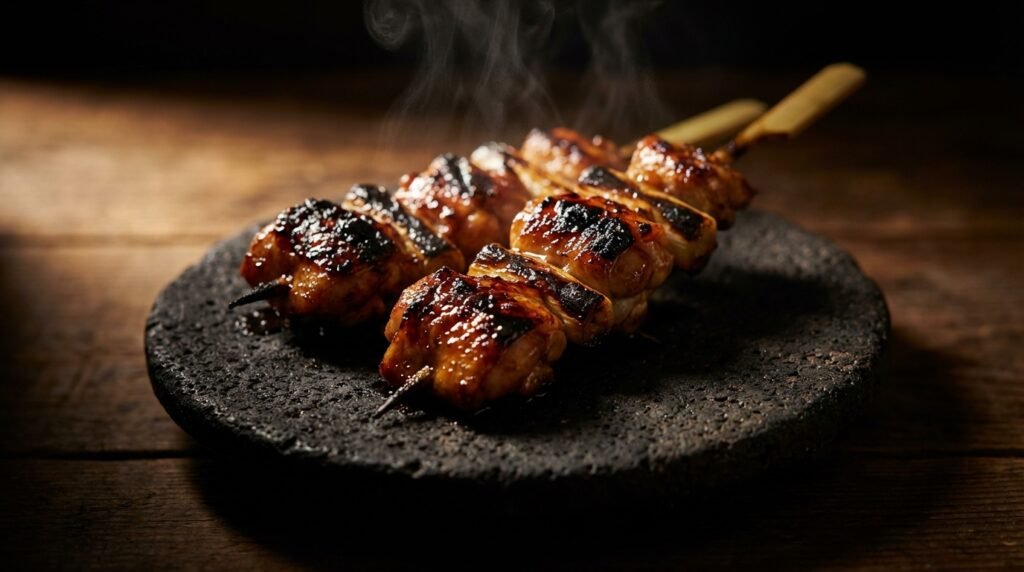
- Grilled variation: For a lighter interpretation, marinate the chicken and cook it on a grill or grill pan. Brush with sauce during the last few minutes of cooking. This method uses less oil and imparts a pleasant smoky note.
By deliberately adjusting the sauce and cooking method, you can create a lighter, nutrient-conscious version that still offers the characteristic flavor and appeal of traditional teriyaki.
Serving Suggestions and Pairings
Side Dishes to Complement Teriyaki Chicken
Choosing the best teriyaki chicken sides can transform a simple main dish into a balanced and visually appealing meal. Since teriyaki chicken is rich and savory with a hint of sweetness, aim for accompaniments that provide contrast in texture and freshness.
- Steamed rice: The classic pairing. Fluffy white rice or Japanese short-grain rice absorbs the sauce beautifully, tempering its intensity. For additional fiber and a slightly nutty flavor, consider brown rice or a mix of white and brown.
- Fried rice or rice bowls: For a more substantial dish, serve teriyaki chicken over vegetable fried rice or a grain bowl with edamame, cucumber, shredded carrot, and sesame seeds.
- Stir-fried or steamed vegetables: Broccoli, bok choy, snap peas, asparagus, and green beans all complement the sweetness of the glaze and add a refreshing crunch.
- Japanese-inspired salads: A crisp cabbage and carrot slaw with a light sesame dressing, or a mixed greens salad dressed with rice vinegar and soy, cuts through the richness and refreshes the palate.
- Noodles: Soba, udon, or simple stir-fried wheat noodles work well as a base, particularly when lightly seasoned to avoid competing with the teriyaki sauce.
- Light soups: A clear miso soup or simple vegetable broth offers warmth without additional heaviness, balancing the meal.
When composing a plate, think about color and balance. Pair the dark, glossy chicken with bright vegetables and a neutral starch. This approach keeps the dish visually appealing and nutritionally balanced.
Beverage Pairings That Enhance the Flavor
Thoughtful beverage pairings can subtly enhance the flavor of teriyaki chicken. The dish’s sweetness and umami call for drinks that either refresh the palate or mirror its complexity without overwhelming it.
- Green tea: A classic, non-alcoholic option. The gentle bitterness and astringency of green tea help cleanse the palate between bites, making the dish feel lighter.
- Cold barley tea (mugicha): Common in Japanese homes, barley tea has a toasty, caffeine-free profile that pairs well with grilled and glazed dishes.
- Light beer or lager: The carbonation and subtle maltiness of a light beer cut through the sweetness and richness of the sauce, offering balance.
- Sake: A chilled, light sake can complement the flavors of the marinade, particularly if you used sake in your teriyaki chicken marinade. Choose a style that is not overly sweet to avoid redundancy.
- White wine: Aromatic whites such as Riesling (off-dry), Gewürztraminer, or a lightly oaked Chardonnay pair well with the touch of sweetness in the sauce while maintaining acidity.
- Sparkling water with citrus: For a simple, alcohol-free alternative, sparkling water with a slice of lemon or lime provides brightness and refreshment.
The goal is harmony rather than dominance. A well-chosen beverage should frame the teriyaki chicken, elevating its flavors without competing for attention.
Conclusion
Teriyaki chicken endures as a favorite not merely because it is accessible, but because it masterfully balances flavor, texture, and visual appeal. From its origins in Japanese grilling traditions to its widespread adaptation across the globe, the dish invites both respect for authenticity and room for personal interpretation.
By understanding foundational teriyaki sauce ingredients, refining your technique, and making mindful nutritional adjustments, you can prepare an easy teriyaki chicken dinner that satisfies both palate and health goals. Thoughtful sides and beverage pairings transform it from a simple protein into a complete, well-rounded meal.
Whether you are seeking an authentic teriyaki chicken experience or experimenting with a lighter, more contemporary version, the principles remain the same: balance, quality ingredients, and attention to detail. With these elements in place, your next homemade teriyaki chicken will not only be delicious, but consistently memorable.
https://www.teepublic.com/t-shirt/50082227-tiger?store_id=2851997
How Interior Design Influences Mood and Productivity
Ramen Recipe Guide and How to Make Authentic Ramen at Home
Teriyaki , Chicken, Recipe, Authentic, Japanese , Flavor, Ingredients , & Best, Side, Dishes
Zoo-doku