
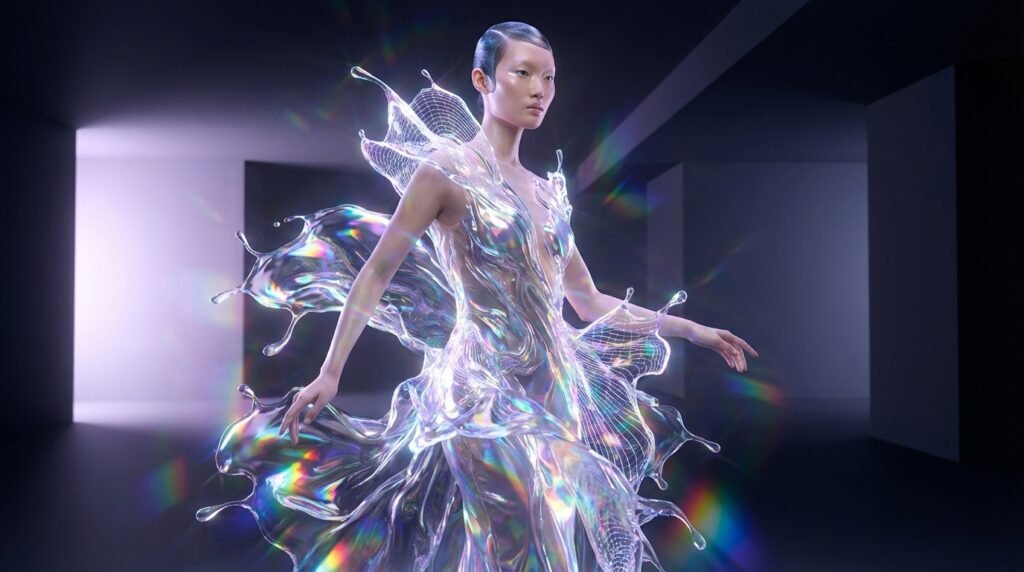
Avant-Garde Fashion Guide: Meaning, Key Principles & Brand Strategy for Bold Designers
Avant-garde fashion has long been the vanguard of style, challenging conventions and reshaping how we understand clothing, identity, and culture. More than an aesthetic, it is a creative and conceptual movement that pushes boundaries in silhouette, material, and meaning. For designers, stylists, brand owners, and fashion enthusiasts, grasping the codes and implications of avant-garde fashion is essential to navigating an increasingly saturated and competitive industry.
This avant-garde fashion guide explores what it really is, why it matters, its benefits and challenges, and how to build a coherent strategy around it. You will also find practical steps, best practices, and advanced techniques to apply avant-garde principles to your brand or creative practice.
Understanding Avant-Garde Fashion: What It Is and Why It Matters
What Is Avant-Garde Fashion?
Avant-garde fashion refers to clothing and accessories that radically depart from mainstream aesthetics, norms, and functions. It is experimental, often conceptual, and sometimes deliberately provocative. Rather than merely following trends, avant-garde design questions the very foundations of fashion: what garments should look like, how they should fit, and what they should communicate.
Historically associated with art movements and countercultural scenes, avant-garde fashion privileges innovation and expression over commercial appeal. Designers in this sphere frequently:
- Use unconventional silhouettes and volumes, distorting or reimagining the human figure.
- Experiment with unusual materials such as industrial textiles, recycled components, or tech-infused fabrics.
- Deconstruct traditional garments, exposing seams, unfinished hems, or internal structures.
- Embed narratives, political messages, or philosophical concepts into collections.
While not all experimental fashion is strictly avant-garde, the term typically implies a rigorous, often radical approach to aesthetics and ideation. Avant-garde fashion is less about “looking different” for its own sake and more about pushing the cultural and artistic conversation forward.
Why Avant-Garde Fashion Is Important for Designers, Brands, and Creatives
Understanding avant-garde fashion is crucial for anyone who aspires to shape the future of style rather than simply echo current trends. For designers and brands, avant-garde thinking can be a powerful engine of differentiation and innovation. For stylists, editors, and content creators, it offers a sophisticated visual language to construct impactful narratives. For consumers, it opens a path to more authentic and expressive personal style.
Avant-garde fashion matters because it:
- Defines the cutting edge of creativity. Many ideas that begin in the avant-garde eventually filter into the mainstream, from exaggerated shoulders to deconstructed tailoring.
- Shapes cultural discourse. Experimental collections often address issues like gender, sustainability, body politics, and technology’s role in daily life.
- Influences brand positioning. Even commercial labels borrow avant-garde elements to appear more forward-thinking, artistic, and culturally relevant.
- Inspires visual storytelling. Editorial teams, photographers, and stylists rely on avant-garde language to craft memorable images and campaigns.
For professionals building a fashion career or brand strategy, a solid understanding of avant-garde fashion is no longer optional. It is a differentiating asset in portfolio building, collection planning, and long-term creative direction.
Key Benefits and Challenges of Avant-Garde Fashion
Core Benefits of Implementing Avant-Garde Fashion
Integrating avant-garde elements into your practice, label, or personal image yields several strategic advantages. The benefits of avant-garde fashion go beyond aesthetics; they extend to brand equity, audience engagement, and creative development.
- 1. Strong Brand Differentiation
Avant-garde signatures make a brand immediately recognisable. Distinct volumes, unconventional pattern cutting, or a specific material vocabulary help you stand out in a crowded marketplace. This differentiation fosters memorability and can justify premium positioning.
- 2. Enhanced Creative Authority
Designers and brands known for bold, experimental work are often perceived as thought leaders. Editorial coverage, museum collaborations, and industry recognition frequently gravitate to labels that are willing to take conceptual risks.
- 3. Cult and Niche Community Appeal
Avant-garde fashion may not target the mass market, but it can build a loyal, highly engaged community. These clients are often more invested in the designer’s vision, willing to pre-order, attend shows, and act as organic brand ambassadors.
- 4. Long-Term Trend Influence
Experimental concepts often prefigure wider movements. Working at the avant-garde edge allows you to anticipate and, at times, initiate future trends in cuts, colour palettes, and garment construction.
- 5. Deeper Personal and Artistic Fulfilment
For many creatives, avant-garde fashion offers the freedom to pursue ideas that are intellectually and emotionally compelling. This can sustain motivation, resist creative burnout, and build a coherent artistic legacy over time.
Common Challenges and How to Overcome Them
Despite its many advantages, avant-garde fashion presents significant challenges, particularly for emerging designers and small brands. Addressing these thoughtfully is essential to building a viable long-term strategy.
- 1. Limited Commercial Appeal
Highly conceptual pieces can be difficult to commercialise at scale. Consumers may admire them but hesitate to purchase due to practicality, price, or perceived “wearability.”
How to overcome it: Develop a dual-line strategy. Maintain an experimental line for runway, exhibitions, and editorial work, alongside a more wearable diffusion line that translates your avant-garde signatures into accessible garments. This preserves your artistic integrity while stabilising revenue.
- 2. Production Complexity and Cost
Avant-garde designs often demand intricate pattern-making, specialised materials, and unconventional construction methods. This can increase production time, require skilled artisans, and drive up costs.
How to overcome it: Start with small, focused capsules rather than full collections. Optimise patterns to reduce waste, build close relationships with specialised manufacturers, and explore made-to-order or limited-edition models to avoid overproduction.
- 3. Communication and Market Education
Consumers may not immediately understand the concept, reference, or function behind a piece. Without clear storytelling, avant-garde fashion can be perceived as opaque or inaccessible.
How to overcome it: Invest in narrative. Use lookbooks, videos, runway notes, and social media content to explain your inspirations, techniques, and vision. Educational content—behind-the-scenes footage, design diaries, or fabric stories—helps demystify your work.
- 4. Balancing Innovation and Coherence
Constant experimentation can lead to collections that feel disjointed. Without a recognisable language, the brand identity may become diluted.
How to overcome it: Define a clear set of core codes: recurring shapes, textures, colour schemes, or conceptual themes. Innovate within this framework so your evolution feels intentional rather than erratic.
- 5. Sustainability Concerns
Complex garments, rare materials, or short-run productions can have environmental implications if not managed carefully.
How to overcome it: Integrate sustainable practices from the outset. Prioritise recycled or deadstock fabrics, avoid overproduction, offer repair or alteration services, and communicate your sustainability strategy transparently.
Step-by-Step Guide to Getting Started with Avant-Garde Fashion
Essential Tools, Resources, and Requirements
For beginners looking for a structured avant-garde fashion guide, it is important to understand the foundational tools and resources required. Whether you are a designer, stylist, or brand builder, the following components will support your progress.
- 1. Conceptual Research Framework
Avant-garde work begins with ideas. Establish a robust research system drawing from art, architecture, performance, sociology, and technology. Maintain mood boards—physical or digital—and thematic notebooks where you archive visual and textual references.
- 2. Technical Pattern-Making and Draping Skills
Because avant-garde garments often diverge from standard construction, advanced pattern-cutting knowledge is crucial. Tools include pattern paper, cutting tools, dress forms, and high-quality measuring instruments. Draping on the mannequin is especially relevant when exploring unconventional shapes.
- 3. Fabric and Material Library
Build a curated library of swatches, from traditional wools and silks to neoprene, mesh, industrial textiles, and experimental composites. Understanding how each material behaves—its weight, drape, and resilience—allows you to push silhouettes confidently.
- 4. Prototyping and Sampling Capabilities
You will need access to sewing machines, overlockers, pressing equipment, and possibly specialist tools depending on your techniques (bonding, laser cutting, 3D printing). If in-house equipment is not possible, cultivate partnerships with ateliers or sample rooms open to experimentation.
- 5. Visual Communication Infrastructure
High-quality photography, lookbooks, a clean website, and active social channels are essential to present your work. Avant-garde fashion relies heavily on visual impact; your documentation must be as considered as your garments.
- 6. Business and Legal Basics
Even the most radical vision requires structure. Familiarise yourself with pricing strategies, cost calculations, contracts, intellectual property considerations, and wholesale or direct-to-consumer models.
Practical Steps to Implement Avant-Garde Fashion Effectively
Implementing avant-garde fashion requires a methodical, strategic approach. The following step-by-step method provides a clear pathway for beginners and emerging labels.
- Define Your Conceptual Territory
Identify the ideas that truly engage you: body politics, digital culture, urban decay, mythology, or structural minimalism, for example. Write a concise manifesto that captures your intentions and values. This document will inform aesthetic decisions and guide your long-term avant-garde strategy.
- Build a Signature Visual Language
Translate your concept into clear visual and structural codes. Decide on recurrent elements such as elongated proportions, asymmetric hemlines, rigid volumes, or monochromatic palettes. Your objective is to develop a recognisable handwriting that persists across seasons.
- Start with a Focused Capsule Collection
Avoid attempting a full runway collection at the outset. Instead, design a capsule of 6–12 pieces that demonstrate your core ideas: one or two key outerwear silhouettes, a statement dress or suit, experimental separates, and an accessory that encapsulates your ethos.
- Prototype Iteratively
Create toiles (mock-ups) in inexpensive fabrics to test shape and proportion. Adjust repeatedly. Avant-garde designs often require several rounds to balance drama, structure, and movement. Document the process; this material will be valuable for marketing and education.
- Balance Editorial and Wearable Pieces
Within your capsule, include a spectrum of intensity. Some pieces can be extreme and sculptural, intended for editorial and runway use. Others should be more wearable translations that clients can incorporate into everyday wardrobes without losing your signature.
https://www.teepublic.com/t-shirt/50082231-cyber-child-with-dog?store_id=2851997
How Interior Design Influences Mood and Productivity
Top Interior Design Mistakes and How to Avoid Them
The Evolution of Interior Design: Past, Present, and Future
- Curate Presentation and Storytelling
Plan how your work will be seen: lookbook shoots, digital presentations, pop-up installations, or fashion week showings. Develop a cohesive narrative through styling, casting, set design, and music. Consistency between concept and presentation is critical.
- Test Market Response Strategically
Begin with small runs, made-to-order, or pre-order systems to gauge demand. Present collections to select boutiques, concept stores, and online platforms that support experimental fashion. Monitor which pieces resonate and why.
- Refine Through Feedback and Data
Collect qualitative feedback from stylists, buyers, clients, and press, and pair it with quantitative data such as sell-through rates, pre-order interest, and engagement metrics. Adjust your next collection accordingly without compromising your core vision.
Best Practices, Tips, and Advanced Strategies for Avant-Garde Fashion
Proven Best Practices to Maximize Results
To build a sustainable practice in avant-garde fashion, consistency and strategic thinking are paramount. The following best practices help you maximise creative impact and business viability.
- 1. Prioritise Coherent Identity Over Constant Shock
Resist the temptation to chase novelty for its own sake. Clients and the industry value continuity. Evolve your work season by season, but maintain recognisable signatures that anchor your identity.
- 2. Develop a Thoughtful Pricing Structure
Avant-garde pieces often command higher price points due to complexity. Ensure your pricing reflects materials, labour, and research while remaining aligned with your target market. Consider tiered pricing: museum-level showpieces, premium ready-to-wear, and entry-level accessories or small goods.
- 3. Foster Strategic Collaborations
Collaborate with artists, photographers, set designers, and musicians whose work complements your universe. These partnerships enrich your visual world, generate cross-promotion, and embed your brand in broader cultural conversations.
- 4. Use Story-Driven Marketing
Replace conventional product-led communication with narrative-driven content. Share the evolution of a garment from sketch to runway, explain symbolic elements, and invite your audience into the process. This approach deepens engagement and justifies avant-garde design choices.
- 5. Anchor Experimentation in Craft Excellence
No matter how radical the concept, construction must be impeccable. Poor finishing or fragile structure undermines credibility. Invest in craftsmanship, meticulous quality control, and long-term relationships with skilled makers.
- 6. Leverage Digital Platforms Wisely
Use social and digital channels not merely to showcase finished looks but to reveal the research and experimentation behind them. Thoughtful sequencing of images, short films, and text can convey your avant-garde perspective more effectively than static product shots alone.
Advanced Strategies and Optimization Tips for Long-Term Success
Once you have established a basic footprint, more advanced avant-garde fashion techniques can help you scale while preserving your conceptual integrity. These strategies focus on long-term growth and deeper market positioning.
- 1. Develop an Avant-Garde Ecosystem Around Your Brand
Move beyond seasonal collections to create a broader cultural ecosystem. This can include performance pieces, installations, publications, films, or curated events. By positioning your label as a cultural platform, you enhance visibility and attract a more diverse audience.
- 2. Explore Cross-Disciplinary Innovation
Integrate technology and science into your practice: smart textiles, responsive garments, bio-based materials, or 3D-printed details. Partner with engineers, technologists, or research labs to expand what is materially and functionally possible.
- 3. Build a Modular and Seasonless Approach
Consider moving away from traditional seasonal calendars. Develop modular pieces that can be reconfigured, layered, or updated over time. A seasonless strategy reduces pressure, supports sustainability, and encourages clients to build a coherent wardrobe rather than chasing trends.
- 4. Implement Data-Informed Creativity
Use analytics—web traffic, social engagement, retail performance—to understand which silhouettes, themes, or materials resonate most. Let this data inform, but not dictate, your creative direction. The challenge is to integrate insight without sacrificing vision.
- 5. Cultivate Educational Content and Thought Leadership
Position yourself as an authority on avant-garde fashion by sharing knowledge: lectures, masterclasses, written essays, or online courses. This reinforces your credibility, generates additional revenue streams, and strengthens your brand narrative.
- 6. Protect and Evolve Your Intellectual Property
As your aesthetic becomes recognisable, imitation is likely. Document your work diligently, explore legal protections where relevant, and ensure contracts with collaborators and manufacturers are robust. Simultaneously, continue to evolve so that your language remains fresh and difficult to replicate.
- 7. Use Targeted Distribution Channels
Avant-garde fashion thrives in carefully curated contexts. Prioritise concept stores, gallery boutiques, forward-thinking online platforms, and select wholesale partners who understand how to present and sell experimental work. A targeted approach reinforces your positioning and prevents dilution.
Conclusion
Avant-garde fashion is far more than an aesthetic label. It is a systematic approach to questioning conventions, reimagining the body, and embedding meaning into garments. For designers, brands, and creatives, engaging with this domain offers substantial benefits: distinct positioning, artistic recognition, and influence over future trends. At the same time, it demands careful navigation of commercial realities, production challenges, and communication barriers.
By understanding what avant-garde fashion is, recognising its core advantages and obstacles, and following a structured method to get started, you can build a practice that is both intellectually rigorous and strategically sound. Combine strong conceptual foundations with impeccable craft, clear storytelling, and measured growth. With disciplined experimentation and a thoughtful avant-garde strategy, it becomes possible to create work that resonates today while remaining relevant—and influential—for years to come.




Crystal Collector
Combat Protocol
WASD – Move
Mouse – Look around
Left Click – Fire Weapon
R – Reload
Eliminate all hostile units in the sector!
(Works better on computer)