
How to Master Formal Wear Design: A Step-by-Step Strategic Guide
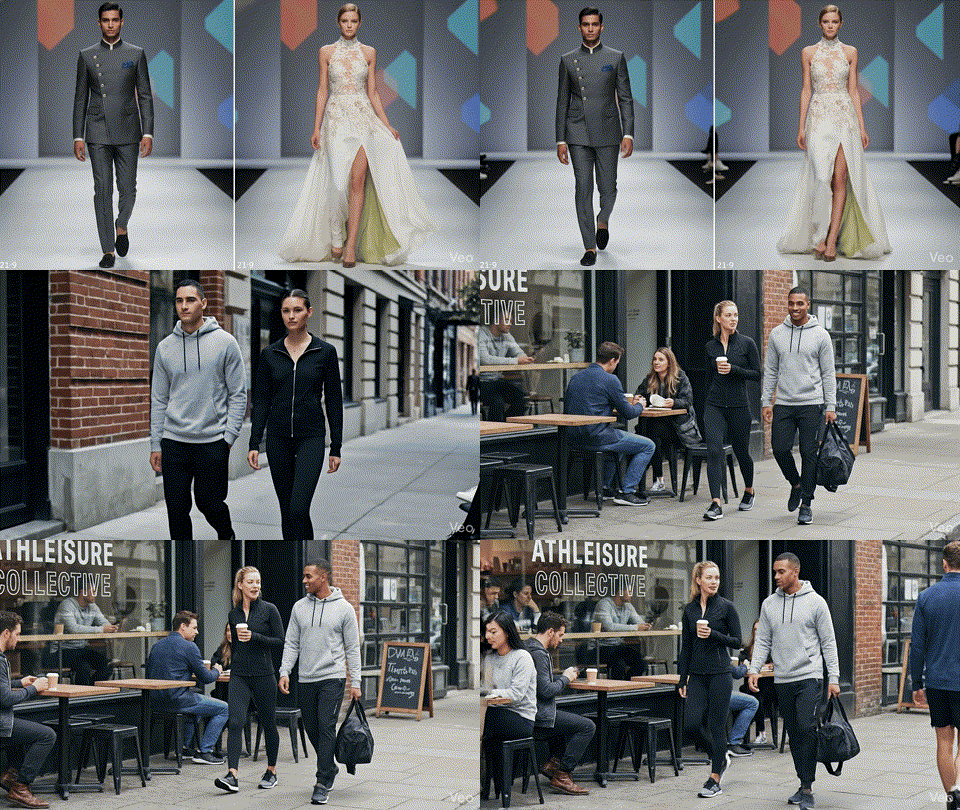
Master the art of formal wear design. Explore key strategies, essential tools, and performance metrics to build a powerful, refined wardrobe or collection.
Formal wear design is far more than selecting a suit or gown; it is the art and science of communicating status, occasion, and personality through meticulously crafted garments. In a world where visual impressions travel faster than ever—across boardrooms, ballrooms, and social media feeds—well-executed formal wear design has become a powerful strategic asset for brands, designers, and individuals alike. This comprehensive formal wear design guide explores its definition, importance, key strategies, tools, and performance metrics, and explains how to build, measure, and refine an effective formal wear design strategy.
Understanding Formal Wear Design: Definition, Importance, and Core Concepts
What Is Formal Wear Design and Why It Matters Today
Formal wear design refers to the conceptualization, development, and creation of clothing intended for formal occasions such as black-tie events, weddings, galas, corporate functions, and ceremonial gatherings. It encompasses evening gowns, tuxedos, tailored suits, cocktail dresses, dress shirts, waistcoats, and complementary accessories, all orchestrated to meet strict codes of elegance and decorum.
Unlike casual or streetwear, formal wear is governed by established dress codes (black tie, white tie, formal, semi-formal) and cultural expectations. Formal wear designers must balance timeless standards with contemporary aesthetics, respecting tradition while introducing innovation in silhouette, fabric, and detail. This discipline also requires a nuanced understanding of body proportions, posture, and movement so that garments look refined both when standing still and in motion.
Today, formal wear design matters for several reasons:
- Heightened visual scrutiny: Events are photographed and shared widely, making the visual impact of formal attire more consequential than ever.
- Brand and personal positioning: Corporations, luxury houses, and public figures rely on formal wear to project authority, sophistication, and alignment with their brand identity.
- Cultural storytelling: Designers leverage formal garments to express heritage, values, and narratives, from red-carpet activism to wedding traditions.
- Economic value: The formal wear sector supports designers, ateliers, rental services, and accessory brands, forming a significant segment of the fashion economy.
Key Benefits and Real-World Applications of Formal Wear Design
When approached strategically, formal wear design delivers tangible benefits across multiple contexts:
- Enhanced professional image: Executives, lawyers, diplomats, and entrepreneurs use expertly designed formal attire to convey reliability, competence, and gravitas in high-stakes environments.
- Memorable event presence: For weddings, galas, awards ceremonies, and cultural celebrations, thoughtful formal wear ensures that key participants stand out, photographs age gracefully, and the event’s tone is respected.
- Stronger brand differentiation: Fashion labels and bespoke tailors utilize distinctive formal wear design to carve out a recognizable signature—be it a characteristic lapel shape, unusual yet refined fabric choices, or bespoke embroidery.
- Expanded revenue streams: A cohesive formal wear line—bridesmaid dresses, tuxedos, evening gowns, accessories—can create repeat business and cross-selling opportunities for fashion businesses.
- Inclusive representation: Modern formal wear design incorporates size inclusivity, adaptive features, and gender-fluid silhouettes, enabling more people to feel seen and comfortable in formal contexts.
Real-world applications span bridal collections, corporate uniform programs, red-carpet dressing, luxury capsule lines, and even costume design for film and theater, where formal garments help construct character and narrative.
Key Strategies for Effective Formal Wear Design Implementation
Step-by-Step Process to Plan and Execute Formal Wear Design
Implementing a coherent formal wear design strategy requires structured planning. The following step-by-step approach will help you understand how to implement formal wear design efficiently, whether you are an independent designer, brand, stylist, or bespoke atelier.
- Define the purpose and dress code
Clarify the exact context: Is the design for a bridal party, corporate gala, award ceremony, or luxury retail collection? Specify the dress code (black tie, white tie, formal, semi-formal) and any regional or cultural constraints. This foundation shapes every subsequent decision. - Research audience and environment
Identify the wearer’s profile: age, body type, gender expression, personal style, cultural background, and functional needs (for example, modesty requirements, adaptive features, or movement-intensive activities such as dancing). Examine venue characteristics (indoor/outdoor, climate, lighting, theme, formality level) to ensure fabrics and colors will perform well in context. - Develop the creative direction
Establish a design concept or narrative. Build mood boards covering color palettes, textures, silhouettes, and reference images (historic couture, architecture, art). Define the collection’s core aesthetic pillars—minimalist, romantic, avant-garde, classic, or heritage-inspired—so every garment contributes to a coherent visual language. - Select fabrics and materials strategically
Choose textiles that align with the dress code and season: wool, mohair, and velvet for structured evening suits; silk, satin, crepe, organza, or tulle for gowns; and breathable blends for warmer climates. Evaluate drape, sheen, crease resistance, and comfort. For sustainable formal wear design, incorporate certified organic fibers, deadstock fabrics, or high-quality recycled materials without compromising elegance. - Design silhouettes and construction details
Draft garment shapes tailored to the target body types and aesthetic vision. Determine lapel width, skirt fullness, hem length, neckline depth, sleeve style, and waist shaping. Integrate construction details—canvas structure in jackets, internal boning in bodices, lining choices, and seam placement—to support both visual lines and long-term durability. - Create technical specs, patterns, and prototypes
Translate sketches into technical drawings and measurement charts. Draft patterns (manually or using CAD software) and produce toiles or muslins to test fit and proportions. Iteratively refine the design, adjusting balance, drape, and movement before cutting final fabrics. - Fit sessions and refinement
Conduct fittings on real bodies, not just mannequins. Analyze shoulder lines, collar roll, trouser break, skirt hang, and gaping at closures. Make precise alterations to enhance comfort and aesthetics while preserving the design intent. For collections, define graded sizing and fit blocks to maintain consistency. - Coordinate accessories and styling
Design or select complementary elements such as ties, bow ties, cummerbunds, cufflinks, shoes, handbags, and jewelry. Ensure that accessory choices support the overall formal wear design strategy rather than competing with it. For brands, create styling guidelines or lookbooks to demonstrate ideal combinations. - Plan production and quality control
Decide on production methods: bespoke, made-to-measure, small-batch, or mass production. Establish clear quality standards for stitching, pressing, finishing, and packaging. Implement rigorous checks, particularly around stress points (zipper areas, waistbands, buttonholes) and visible details like lapels, pleats, and hems. - Present, market, and review performance
For commercial collections, present through lookbooks, fashion shows, trunk shows, or digital channels. Gather feedback from clients, wearers, stylists, and retailers. Use this data to refine future formal wear design strategy, focusing on fit success, return rates, and best-selling styles.
Common Mistakes to Avoid When Applying Formal Wear Design Strategies
Several recurring errors can undermine even the most ambitious formal wear projects. Recognizing and avoiding these pitfalls is central to formal wear design best practices.
- Ignoring the dress code: Designing gowns that are too revealing for conservative ceremonies or suits that are too casual for black-tie events weakens credibility and can make clients uncomfortable.
- Prioritizing aesthetics over function: Overly tight garments, heavy trains unsuitable for movement, or fabrics that crease at the slightest motion may look impressive on a hanger but fail in real-life use.
- Neglecting fit diversity: Designing exclusively around a single model body type results in garments that do not flatter a broader clientele. Modern formal wear design must accommodate varied sizes, shapes, and ages.
- Overloading details and embellishments: Excessive beading, lace, or decorative elements can date garments quickly and increase production costs and fragility. Refinement and restraint are often more luxurious.
- Underestimating lead times: Formal wear often requires multiple fittings, intricate construction, and special-order fabrics. Insufficient time planning leads to rushed work, compromised quality, and client dissatisfaction.
- Inconsistent collection cohesion: A line of formal pieces that feels random or disjointed weakens brand identity. A clear, unified design language is vital for effective formal wear design implementation.
Best Tools, Techniques, and Resources for Optimizing Formal Wear Design
Recommended Tools and Software to Improve Formal Wear Design Performance
Leveraging the right tools and resources significantly enhances the efficiency, precision, and scalability of a formal wear design strategy. While creativity is central, technical and digital support systems are indispensable.
- CAD pattern-making software
Digital pattern tools such as Gerber AccuMark, Lectra, or Optitex enable rapid pattern adjustments, grading, and nesting. They reduce waste, accelerate sampling, and ensure pattern accuracy across sizes. - 3D garment visualization
Platforms like CLO 3D or Browzwear allow designers to visualize drape, fit, and styling on virtual avatars. This is particularly useful for formal wear, where fabric behavior, pleats, and volume are critical. Virtual sampling can reduce the number of physical prototypes and speed up decision-making. - Measurement and fit tools
Digital measuring devices or body-scanning technologies improve accuracy for bespoke and made-to-measure services. They help capture complex body contours, enhancing fit outcomes for suits, tuxedos, and structured gowns. - Project and workflow management systems
Tools such as Trello, Asana, or specialized fashion PLM (Product Lifecycle Management) systems help manage timelines, materials, suppliers, and approvals. This is vital when orchestrating multiple formal wear pieces for a single event or collection. - Fabric and trim libraries
Organized swatch libraries, both physical and digital, allow quick comparison of fabrics in terms of weight, sheen, and color. Digital databases with high-resolution images and technical details help maintain consistency in formal wear design across seasons. - Analytics and CRM platforms
For brands focusing on measuring formal wear design performance, basic analytics tools and CRM systems segment clients by purchase history, event type, size, and preferences, enabling more targeted collections and refined sizing strategies.
Proven Techniques and Best Practices to Maximize Formal Wear Design Results
Beyond tools, methodical techniques and formal wear design best practices ensure sustained quality and relevance.
- Start with a clear silhouette hierarchy
Define a small set of core silhouettes (for example: A-line ball gown, column dress, double-breasted tuxedo, single-breasted slim-fit suit) that will anchor each collection. Refinements in details and textiles can then create variety without sacrificing cohesion. - Curate timeless color foundations
Build around classic formal hues—black, navy, deep charcoal, ivory, champagne, jewel tones—and introduce seasonal accent colors judiciously. This approach ensures longevity and wearability beyond a single season. - Refine fit blocks meticulously
Invest time in perfecting master patterns for key garment types. A well-engineered suit block or gown bodice can be adapted across designs, ensuring reliable fit and reducing returns or alteration burdens. - Use strategic embellishment placement
Place beading, lace, or embroidery to guide the eye and emphasize or de-emphasize areas of the body. Thoughtful placement can visually extend height, define the waist, or soften broader shoulders while maintaining overall elegance. - Integrate comfort without compromising formality
Employ modern techniques such as stretch linings, flexible waistbands, and engineered ease at underarms or knees. Subtle comfort-focused innovations significantly improve the wearer experience during long events. - Document and standardize processes
Create internal guidelines for stitching density, pressing techniques, button spacing, lapel structure, and hem allowances. Consistent standards elevate every garment and support scalable formal wear design implementation. - Gather structured client feedback
Implement post-event surveys or consultations to record how garments performed in real conditions: comfort, compliments received, photographic appearance, and durability. Use this insight to refine future designs and offerings.
Measuring, Analyzing, and Scaling Your Formal Wear Design Success
Essential KPIs and Metrics to Track Formal Wear Design Effectiveness
Formal wear design may seem purely artistic, but data-driven evaluation is crucial for sustainable growth. Measuring formal wear design outcomes enables designers and brands to refine decisions about styles, sizing, pricing, and marketing.
Key performance indicators (KPIs) to monitor include:
- Sell-through rate: The percentage of a particular style or collection sold within a defined period. High sell-through indicates strong market alignment; sluggish sell-through suggests misjudged aesthetics, pricing, or timing.
- Return and alteration rates: High return or extensive alteration requirements often signal issues with fit, sizing consistency, or comfort, particularly in tailored suits and structured gowns.
- Average order value (AOV): Tracking how often clients purchase complete looks (garment plus accessories) reveals the effectiveness of your formal wear design strategy in inspiring full-ensemble purchases.
- Client retention and repeat purchase rates: Frequent returns by bridal parties, corporate clients, or stylists indicate satisfaction with design quality, service, and longevity.
- Event-specific performance: For made-to-measure or bespoke work, track how often garments are re-worn or recommended for subsequent occasions. This reflects perceived value and timelessness.
- Collection coverage and diversity metrics: Evaluate how well your range covers different sizes, heights, and body types. A balanced formal wear design strategy should not cluster all offerings in a narrow size or style band.
- Margin and cost efficiency: Assess material usage, production costs, and waste. Optimizing patterns, fabric yields, and construction techniques can significantly improve profitability without compromising quality.
These metrics, combined with qualitative feedback from clients and industry partners, create a robust framework for measuring formal wear design effectiveness over time.
How to Continuously Optimize and Scale Your Formal Wear Design Strategy
Once a foundational formal wear design framework is in place, the next step is to refine and expand it responsibly. Optimizing formal wear design and scaling operations requires both creative evolution and operational sophistication.
- Implement iterative design cycles
Treat each collection or event as a learning opportunity. Review KPIs, identify top-performing silhouettes and fabrics, and analyze underperforming styles. Use these insights to guide future lines rather than starting from zero each season. - Refine your client segmentation
Segment your audience by occasion type (wedding, gala, corporate), budget tier, and style preference (classic, modern, statement). Develop targeted formal wear design strategies for each segment, optimizing fit, detailing, and price positioning accordingly. - Strengthen your supplier and atelier network
As demand grows, collaborate with specialized ateliers for hand embroidery, tailoring, or couture-level finishing. Reliable partners help maintain quality at scale while allowing you to expand offerings or enter new markets. - Introduce modular and customizable elements
Allow clients to choose lapel styles, fabric options, sleeve lengths, or embellishment levels within standardized patterns. This approach offers bespoke-feeling results while preserving production efficiency. - Expand into complementary categories
Once your core formal wear designs are stable, extend into cohesive accessories, coordinated bridesmaid or groomsmen lines, or capsule corporate attire. This deepens brand presence around formal occasions and increases revenue per client. - Invest in brand storytelling
Communicate the philosophy behind your formal wear design—craftsmanship, heritage, sustainability, or innovation—through editorial content, lookbooks, and event partnerships. Strong stories reinforce perceived value and justify premium positioning. - Maintain rigorous quality control as you scale
Growth must not dilute standards. Regularly audit production, conduct random garment checks, and solicit unfiltered feedback from stylists, retailers, and end clients. Adjust processes swiftly when recurring issues are detected.
By constantly reviewing data, listening to your clientele, and refining internal systems, you can build a formal wear design strategy that is both artistically compelling and commercially resilient.
Conclusion
Formal wear design operates at the intersection of artistry, technical expertise, and strategic planning. It demands respect for traditional dress codes, sensitivity to contemporary lifestyles, and a commitment to flawless execution. When approached methodically—from defining purpose and audience to selecting fabrics, perfecting fit, and tracking performance—formal wear design becomes a powerful tool for expressing identity, elevating events, and strengthening brands.
Understanding what formal wear design is, how to implement formal wear design step by step, which tools to employ, and which best practices to follow enables designers, labels, and professionals to deliver garments that resonate long after the occasion has ended. By measuring formal wear design outcomes, optimizing formal wear design processes, and scaling thoughtfully, you can build a sustainable, respected presence in the formal apparel landscape and ensure that each garment tells a refined, enduring story.
https://www.teepublic.com/t-shirt/50105158-car?store_id=2851997
How Interior Design Influences Mood and Productivity
Top Interior Design Mistakes and How to Avoid Them
The Ultimate Guide to Futuristic Fashion Design
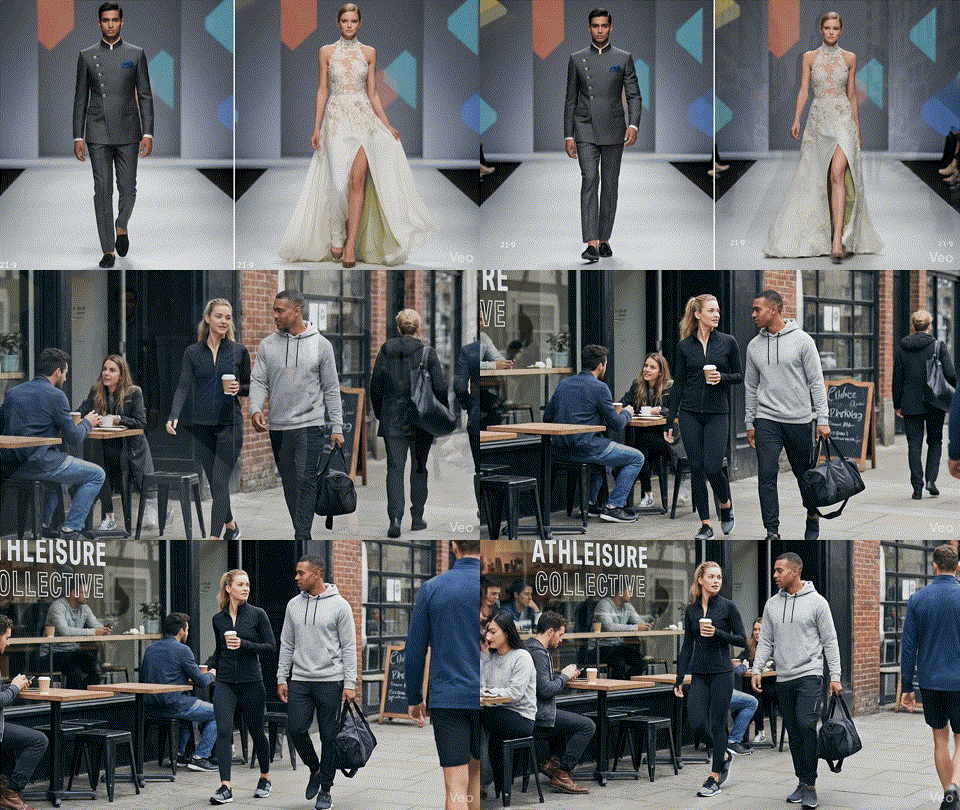
formalwear, fashiondesign, wardrobestrategy, tailoring, luxuryfashion, styleguide, designstrategy
Crystal Collector
Combat Protocol
WASD – Move
Mouse – Look around
Left Click – Fire Weapon
R – Reload
Eliminate all hostile units in the sector!
(Works better on computer)