
Mykonos Travel Guide: Windmills, Whitewashed Alleys, and Hidden Gems
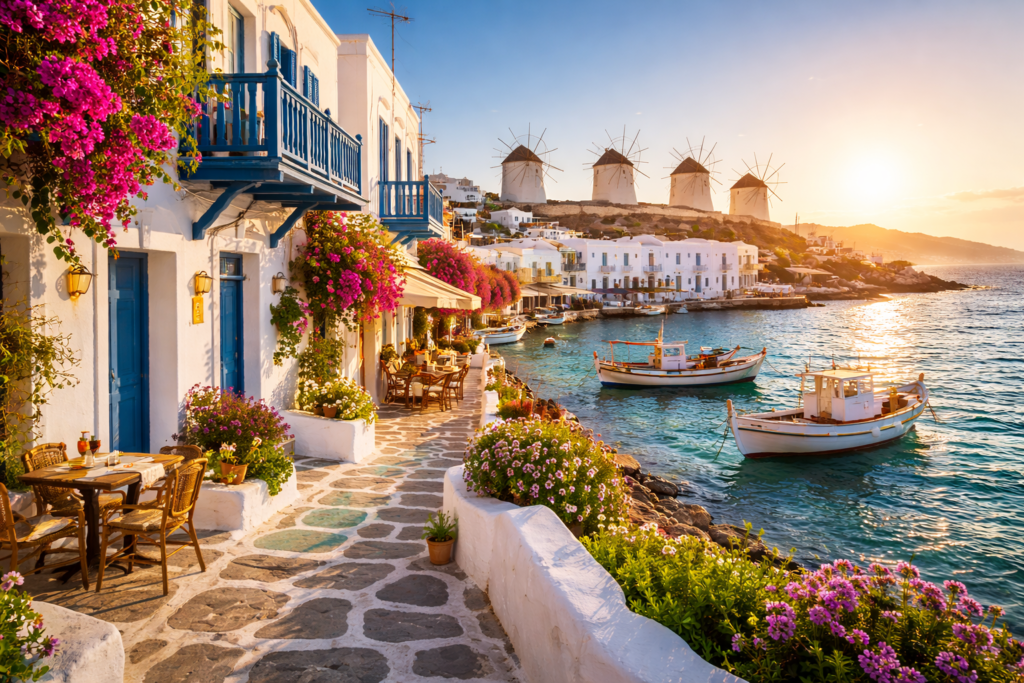
Mykonos, one of the brightest jewels of the Cyclades, has long captivated travelers with its luminous light, whitewashed architecture, and cosmopolitan flair. Beyond its reputation as a glamorous party island, Mykonos offers layered history, traditional culture, and serene corners that reward curious visitors. This guide explores the island’s essence, from its timeless windmills and labyrinthine alleys to its beaches, cuisine, and practical travel insights.
Discovering Mykonos: A Brief Overview
The History and Culture of Mykonos
Mykonos’ story stretches back to antiquity. In Greek mythology, the island was named after Mykono, a hero believed to be a descendant of Apollo. Its strategic position in the Aegean Sea made it a crossroads for merchants, sailors, and conquerors, passing from ancient Greeks to Romans, Venetians, and Ottomans. Each era left subtle traces, visible today in the island’s architecture, religious monuments, and local customs.
The neighboring island of Delos, a UNESCO World Heritage Site, profoundly influenced Mykonos. Once a sacred center of the ancient Greek world, Delos drew pilgrims and traders from across the Mediterranean, turning Mykonos into a vital support hub. That legacy of openness remains: the island is cosmopolitan, welcoming, and accustomed to cultural exchange.
Despite its international profile, Mykonos still preserves its Cycladic identity. White cubic houses with blue shutters, narrow cobbled lanes, and tiny chapels define the landscape. Religious festivals, or panigyria, celebrate local saints with music, dancing, and food, particularly in summer. Traditional music, often accompanied by violin and lute, still echoes in village squares and small tavernas when the crowds thin out.
Key Facts About Mykonos
Mykonos belongs to the Cyclades archipelago in the central Aegean Sea, roughly midway between Athens and Santorini. The island covers about 85 square kilometers and is known for its rugged coastline, low hills, and characteristic winds that have shaped both daily life and local architecture.
The main town, commonly called Mykonos Town or Chora, is the island’s heart. This is where you will find the old harbor, iconic churches, stylish boutiques, and many of the best restaurants and bars. Other important areas include Ornos, Platis Gialos, Paradise, Super Paradise, and Ano Mera, a quieter inland village that reflects a more traditional side of the island.
Mykonos is easily accessible by both air and sea. From Athens, regular domestic flights reach the island in about 40 minutes, while high-speed ferries from ports like Piraeus and Rafina usually take between two and four hours, depending on the vessel. English is widely spoken, the euro is the official currency, and the island’s tourism infrastructure is well-developed, offering everything from luxury resorts and boutique hotels to modest guesthouses and villas.
Top Attractions in Mykonos
The Iconic Windmills of Mykonos
No image of Mykonos is complete without its iconic windmills. Perched on a hill overlooking Chora and the Aegean, these white cylindrical structures with thatched roofs once harnessed the island’s strong winds to grind grain. Built mainly by the Venetians from the 16th century onward, they were crucial to the local economy until the early 20th century.
Today, the windmills of Kato Mili, just above Little Venice, are one of Mykonos’ most photographed corners. They offer a panoramic vantage point, especially striking at sunset when the sky turns crimson behind their silhouettes. While many windmills have been converted into private homes or small museums, their external form has been carefully preserved, maintaining the island’s signature skyline.
To fully appreciate them, visit early in the morning for soft light and fewer crowds, or late afternoon when the golden hour envelops Chora. Combine the visit with a walk down to Little Venice for a seamless experience of the town’s most atmospheric district.
Exploring Mykonos Town (Chora)
Mykonos Town is a labyrinth designed, quite literally, to confuse. Its maze of narrow, twisting lanes was originally created to confuse pirates, but today they entice visitors with a different kind of treasure: boutiques, art galleries, stylish cafés, and discreet courtyards. Getting lost here is part of the experience, revealing unexpected churches, flower-filled balconies, and tiny squares.
A key landmark is the church complex of Panagia Paraportiani, an extraordinary blend of several chapels fused into one whitewashed structure overlooking the sea. Its asymmetrical forms and smooth, sculpted surfaces make it a magnet for photographers and architecture enthusiasts alike, especially in the soft light of sunrise or sunset.
Just beyond, you reach Little Venice, a row of 18th-century mansions built directly at the water’s edge. Their wooden balconies hang over the waves, evoking the feel of Venice and creating one of the island’s most romantic settings. Today, these buildings house bars, restaurants, and galleries, ideal for sunset drinks with a view of the windmills and the open sea.
Chora is also a center for upscale shopping. International designer labels sit alongside local boutiques specializing in Greek fashion, jewelry, and handcrafted décor. While prices can be high in peak season, the quality and variety of products are impressive, especially for those seeking distinctive Mediterranean style.
Beaches You Can’t Miss in Mykonos
Best Family-Friendly Beaches
Despite its festive reputation, Mykonos offers numerous beaches well-suited to families and travelers seeking relaxation. These stretches of sand usually combine calm waters, organized facilities, and a more tranquil atmosphere.
Ornos Beach is a popular choice for families due to its sheltered bay and relatively shallow, clear waters. The beach is organized with sunbeds, umbrellas, and a range of restaurants and cafés directly on the sand. Its proximity to Chora and regular bus connections make it both convenient and comfortable for visitors with children.
Platis Gialos is another excellent option, featuring fine sand and transparent turquoise water. It is well equipped, with water sports, beach clubs, and a variety of hotels and tavernas along the shore. From Platis Gialos, water taxis depart for several other southern beaches, allowing families to explore without relying on a car.
For a more serene environment, Agios Stefanos, close to the new port, and Agios Ioannis, facing Delos, provide quieter alternatives. These beaches generally attract a more relaxed crowd, with fewer loud beach parties and a stronger sense of local, everyday life. The views toward the horizon and nearby islands add to their charm.
Trendy Party Beaches
Mykonos’ global reputation as a party island is largely built on its famous southern beaches, where music, beach clubs, and vibrant crowds create an energetic atmosphere from afternoon until late at night.
Paradise Beach is one of the island’s legendary party hubs. During the day, visitors swim, sunbathe, and enjoy water sports. As the sun lowers, the volume rises: beachfront bars transform into open-air clubs, drawing international DJs and a cosmopolitan, youthful crowd. The scene is intense, so it is best suited to travelers who appreciate a high-energy ambiance.
Nearby Super Paradise Beach takes the celebration up a notch, combining crystal-clear waters with a sophisticated party scene. It is a favorite among LGBTQ+ travelers and known for inclusive, exuberant events. The beach clubs here offer cocktails, live sets, and themed parties that often continue into the night.
For a more upscale yet still lively environment, Psarou Beach stands out. This small bay is lined with luxury beach clubs and attracts a glamorous clientele, including celebrities and yacht owners. Expect refined service, high-end restaurants, designer boutiques, and prices that reflect its exclusive reputation.
Essential Tips for Visiting Mykonos
Best Time to Visit Mykonos
The ideal time to visit Mykonos depends on your priorities: atmosphere, climate, and budget. The island’s high season runs from late June to early September, when temperatures are warm, nightlife is at its peak, and all businesses operate at full capacity. This period offers the liveliest environment but also the highest prices and densest crowds.
For many travelers, the most rewarding months are May, early June, September, and early October. During these shoulder seasons, the weather is generally pleasant, the sea temperature is comfortable, and the island is noticeably less crowded. Accommodation is easier to secure, queues are shorter, and you can explore Chora, beaches, and archaeological sites with more tranquility.
Winter on Mykonos is quiet and can be windy and cool, with limited tourist services. While it offers a more authentic glimpse of local life, many beach clubs, high-end restaurants, and hotels close for the season. If your main interests are swimming, nightlife, and dining at renowned venues, it is wiser to plan your trip between late spring and early autumn.
Local Cuisine and Dining Recommendations
Mykonos’ culinary scene is a meeting point of traditional Cycladic recipes and contemporary Mediterranean gastronomy. Local dishes highlight seasonal ingredients, fresh seafood, and flavors shaped by the Aegean climate.
A classic introduction is kopanisti Mykonou, a spicy, creamy cheese with a distinctive tang. Often served as a meze with bread or barley rusks, it pairs beautifully with local wine or ouzo. Another specialty is louza, cured pork fillet marinated with spices and air-dried, thinly sliced and typically served as an appetizer.
Seafood is central to the island’s cuisine. Grilled octopus, fresh fish of the day, calamari, and shrimp are staples in waterside tavernas. Many establishments prepare fish simply, drizzled with olive oil and lemon, allowing the freshness of the catch to speak for itself. Accompaniments often include horta (wild greens), tomato salads with local capers, and baked dishes such as moussaka or imam (stuffed eggplants).
Traditional bakeries and patisseries provide another dimension to the island’s flavors. Look out for amygdalota (almond sweets), honey-drenched pastries, and local breads made in wood-fired ovens. Pair them with Greek coffee or a glass of rakomelo—a warm drink of raki with honey and spices—on cooler evenings.
For dining, consider a mix of experiences. In Chora, you will find refined restaurants showcasing modern Greek cuisine with creative interpretations of classic dishes, often in elegant courtyards or terraces. Along the beaches, relaxed tavernas serve grilled fish and meze with views of the water, ideal for long lunches. Inland, in villages such as Ano Mera, family-run establishments offer more traditional, homestyle cooking at a slower pace.
Advance reservations are highly recommended in peak season, particularly at renowned restaurants and beach clubs. Many venues offer both lunch and dinner service, but the island’s rhythm tends to be late: dinners often start after 9 p.m., and nightlife continues well into the early morning.
Mykonos is far more than a glamorous backdrop. Its windmills, whitewashed alleys, and shimmering beaches conceal layers of history, culture, and culinary richness. By balancing visits to iconic sights with time in quieter corners and local tavernas, you can experience a multifaceted island that rewards both indulgence and curiosity. Whether you come for the energy of its parties, the serenity of its bays, or the charm of its Cycladic heritage, Mykonos offers an Aegean experience that lingers long after you leave its shores.
https://www.teepublic.com/t-shirt/52374105-duck?store_id=2851997
Santorini Travel Guide: Top Attractions, Oia & Best Time to Visit
Monaco Travel Guide: Top Attractions & Best Time to Visit
Athens Travel Guide: Top Attractions, Acropolis, & Best Time to Visit
Crystal Collector
Combat Protocol
WASD – Move
Mouse – Look around
Left Click – Fire Weapon
R – Reload
Eliminate all hostile units in the sector!
(Works better on computer)