
Explore a stunning visual representation of future urban living where high-tech architecture meets nature. This concept art showcases eco-friendly skyscrapers, advanced transit systems, and integrated greenery under a breathtaking sunset glow. Perfect for inspiration in sustainable design and futuristic city planning.
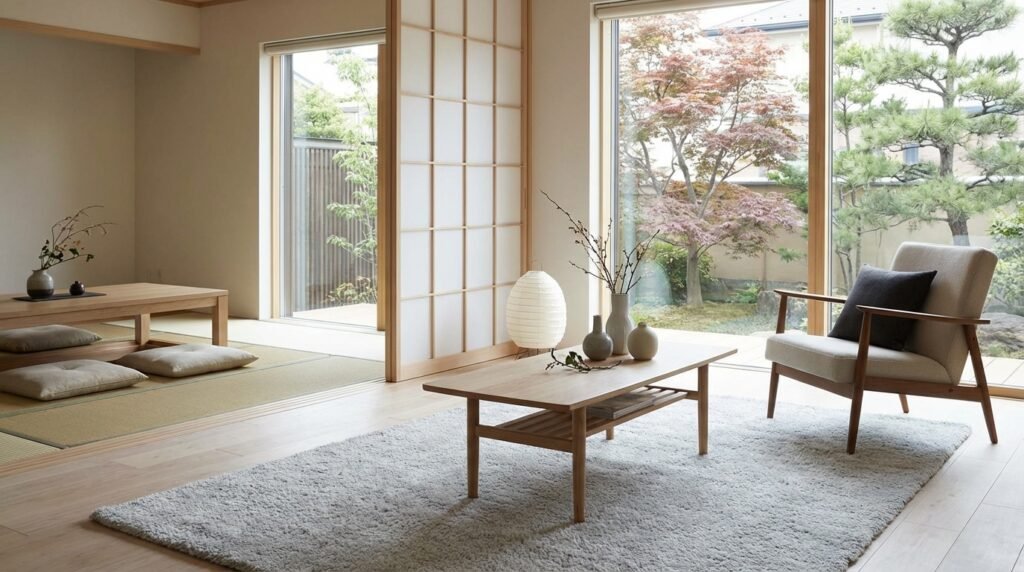
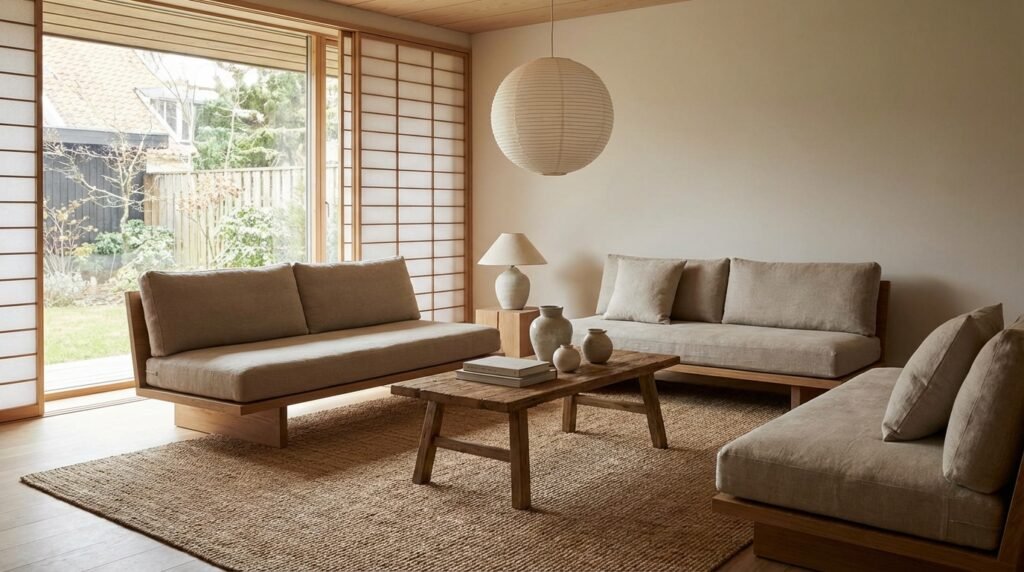
Japandi interior design has become a defining aesthetic for those who want a home that feels both intentional and inviting. By merging Japanese restraint with Scandinavian comfort, this approach creates spaces that are visually quiet, highly functional, and deeply restorative. The result is not a trend-driven look, but a refined framework for living—one that prioritizes quality, clarity, and calm.
What Is Japandi Interior Design?
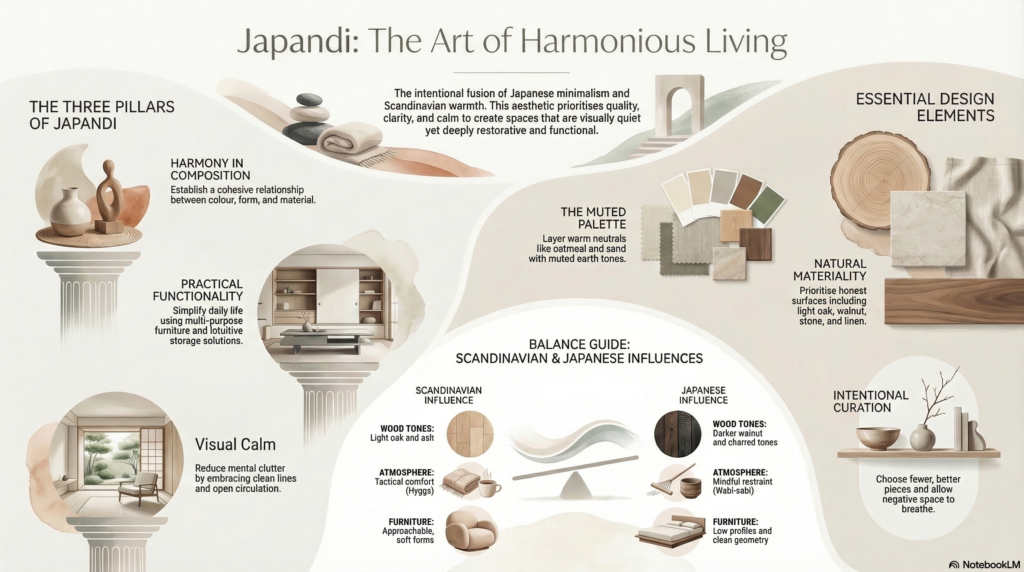
At its core, Japandi style is the union of Japanese minimalism and Scandinavian warmth. It blends the Japanese appreciation for simplicity and negative space with the Nordic emphasis on practicality, natural light, and tactile comfort. A well-executed modern Japandi home feels curated rather than decorated, serene rather than sparse, and lived-in without looking cluttered.
The Origins: How Japanese and Scandinavian Styles Came Together
The connection between Japanese and Scandinavian design is not accidental. Both traditions evolved around similar values: respect for craftsmanship, a close relationship with nature, and a preference for understated beauty over ornamentation. Scandinavian design developed in response to long winters and limited light, elevating pale woods, clean lines, and functional furniture. Japanese interiors, shaped by a philosophy of mindful living, emphasize order, proportion, and natural materials.
When these sensibilities meet, japanese scandinavian design becomes an elegant middle ground. You gain Scandinavian ease—soft textiles, approachable forms, light-enhancing palettes—balanced by Japanese discipline, where each object earns its place through utility or quiet aesthetic purpose.
Key Principles of Japandi: Harmony, Function, and Calm
Japandi interior design rests on three foundational principles:
- Harmony: A cohesive relationship between color, form, and material. The space feels composed, not assembled.
- Function: Everyday life is made simpler through thoughtful layouts, multi-purpose pieces, and intuitive storage.
- Calm: Visual noise is reduced. Clean lines, open circulation, and restrained decor create mental breathing room.
In practice, this means selecting fewer items, choosing them more carefully, and allowing space—literal and visual—to become part of the design.
Core Elements of Japandi Style for Your Home
Successful Japandi style is less about copying a specific look and more about making consistent choices. Materials should feel authentic, silhouettes should be quiet, and decorative moments should be meaningful rather than excessive.
Colors, Materials, and Textures That Define Japandi Interiors
The japandi color palette typically begins with soft neutrals—warm whites, oatmeal, sand, stone, and gentle gray—then adds depth through muted earth tones such as clay, olive, charcoal, or ink blue. Contrast is important, but it should be controlled. Instead of high-gloss drama, Japandi uses matte finishes and tonal layering to create dimension.
Materials carry much of the character in a scandinavian japanese interior. Prioritize natural, honest surfaces:
- Wood: Light oak and ash for Scandinavian brightness, paired with darker walnut tones for Japanese grounding.
- Stone and clay: Travertine, slate, ceramic, and terracotta bring weight and authenticity.
- Textiles: Linen, wool, cotton, and boucle add softness and seasonal comfort without visual clutter.
- Metals: Blackened steel, brushed nickel, or aged brass—used sparingly for structure and subtle contrast.
Texture is the antidote to austerity. If the room feels too minimal, add tactile variety rather than more objects: a nubby wool throw, a linen curtain that diffuses light, or a hand-thrown ceramic vase with an imperfect glaze.
Essential Japandi Furniture, Decor, and Layout Ideas
Japandi furniture favors low profiles, clean geometry, and craftsmanship-led details. Look for pieces with visible joinery, softly rounded edges, and proportions that feel grounded. Avoid bulky forms and overstuffed silhouettes that dominate the room.
To shape a coherent layout, consider these principles:
- Keep circulation clear: Open pathways reinforce the sense of calm and improve functionality.
- Anchor with a few substantial pieces: A solid dining table, a well-made sofa, a streamlined bed frame—then edit the rest.
- Use asymmetry with intention: A balanced room does not require perfect symmetry; it requires visual stability.
- Choose minimal japandi decor: A small number of sculptural objects, art with generous negative space, and greenery used as punctuation.
Decor should feel collected, not crowded. A single large ceramic bowl on a console often reads more sophisticated than multiple small accessories competing for attention.
How to Create a Japandi Living Space Room by Room
Applying Japandi principles across your home is easiest when you work one room at a time, beginning with layout and storage before choosing decorative elements. Each space should support its primary purpose with minimal friction and maximum ease.
Japandi Living Room, Bedroom, and Kitchen Design Tips
Japandi Living Room
A japandi living room is designed for quiet socializing and daily restoration. Start with a low, structured sofa in a neutral fabric and pair it with a simple wood or stone coffee table. Add warmth through layered textiles—linen curtains, a wool rug with subtle texture, and a few cushions in muted tones.
- Lighting: Choose paper lantern-inspired pendants or soft, diffused lamps. Avoid harsh overhead lighting as the only source.
- Art and decor: Opt for one or two larger pieces rather than a busy gallery wall. Emphasize calm compositions and natural motifs.
- Greenery: A single well-placed plant or branch arrangement adds life without disrupting restraint.
Japandi Bedroom Ideas
Among the most effective japandi bedroom ideas is to treat the room as a sanctuary. Choose a low bed frame in wood, keep bedside tables simple, and prioritize concealed storage. Bedding should be breathable and tactile—washed linen or cotton percale in soft neutrals—layered with a wool blanket for depth.
- Color: Stay within a narrow range of tones to avoid visual agitation.
- Nightstands: Use compact surfaces; keep them nearly clear.
- Window treatments: Linen drapery or woven shades soften light and contribute texture.
If the space feels too stark, add warmth through material choices: a textured rug underfoot or a timber bench at the foot of the bed.
Japandi Kitchen
A Japandi kitchen should feel calm, efficient, and quietly elegant. Flat-front cabinetry, integrated handles, and clean sight lines establish order. Pair light wood with matte stone or composite surfaces for a balanced contrast.
- Open shelving: Use sparingly and only for items you can keep visually cohesive, such as matching ceramics.
- Hardware: Black or brushed metal can provide structure without excess shine.
- Countertops: Keep them clear. In Japandi, empty space reads as luxury and competence.
Storage, Decluttering, and Minimalist Styling in Japandi Homes
Storage is not an afterthought in Japandi—it is a design feature. The goal is to reduce the need for constant tidying by creating systems that make order natural. Choose closed storage wherever possible: credenzas, built-ins, and wardrobes that hide visual noise.
For decluttering, use a practical filter: keep items that are frequently used, well-made, or genuinely meaningful. Then organize what remains so that every object has a dedicated home. In a Japandi context, that “home” should be simple to access, easy to maintain, and aesthetically quiet.
When styling, think in restrained compositions:
- Group objects in threes or fives with varying heights, but consistent tones.
- Leave margins of empty space on shelves and surfaces so each item can breathe.
- Favor functional beauty: a wooden tray, a ceramic pitcher, a linen runner—objects that can be used, not just admired.
This approach preserves the clarity essential to japandi interior design while still allowing personality to emerge.
Japandi Lifestyle: Beyond Interior Design
Japandi is often described as an aesthetic, but it functions best as a lifestyle lens. It invites you to slow down, purchase thoughtfully, and design your home around the realities of everyday life rather than aspirational clutter.
Sustainable Living and Mindfulness in Japandi Design
Sustainability is embedded in japanese scandinavian design because both traditions value durability and restraint. Instead of rapid cycles of consumption, Japandi encourages investment in fewer, better pieces—solid wood furniture, repairable materials, and timeless forms that can adapt as your needs change.
Mindfulness shows up in the way the home is used. A clear entryway supports smoother transitions. A calm dining area encourages presence during meals. A bedroom free of visual noise makes rest more accessible. In this way, a modern Japandi home becomes a practical environment for more deliberate living.
Common Japandi Mistakes to Avoid and How to Fix Them
Japandi can look effortless, but several common missteps can undermine the effect:
- Mistake: Confusing minimalism with emptiness.
Fix: Add depth through texture—wool, linen, wood grain, matte ceramics—rather than filling space with extra decor. - Mistake: Overusing cold grays and stark whites.
Fix: Warm the palette with sand, oatmeal, taupe, and natural wood. Balance cool tones with tactile materials. - Mistake: Mixing too many wood tones without a plan.
Fix: Choose one dominant wood tone and one supporting tone. Repeat them across the room for cohesion. - Mistake: Adding “Japandi” accessories without editing clutter.
Fix: Declutter first. Minimal japandi decor only works when surfaces are intentionally quiet. - Mistake: Prioritizing appearance over function.
Fix: Reassess layout and storage. Japandi style must serve daily routines with ease.
When corrected, the home quickly returns to the hallmark Japandi feeling: composed, warm, and quietly confident.
https://www.teepublic.com/t-shirt/51544747-rugby-ball?store_id=2851997
Conclusion
Japandi interior design is a sophisticated synthesis of two design cultures that share a respect for simplicity, craftsmanship, and the natural world. By embracing a restrained japandi color palette, investing in functional furniture, and committing to thoughtful storage, you can build spaces that feel both serene and welcoming. Whether you are refining a japandi living room, exploring japandi bedroom ideas, or shaping a full scandinavian japanese interior, the guiding principle remains the same: choose less, choose better, and let calm become the defining feature of your home.
Industrial Interior Design Ideas with Urban Charm
Bohemian Interior Design: Free-Spirited and Creative Homes
Scandinavian Interior Design: Clean, Cozy, and Functional
Modern Interior Design Ideas for a Sleek Home
Guide to Interior Design Trends : Inspired by Nature
How Interior Design Influences Mood and Productivity



Crystal Collector
Combat Protocol
WASD – Move
Mouse – Look around
Left Click – Fire Weapon
R – Reload
Eliminate all hostile units in the sector!
(Works better on computer)