
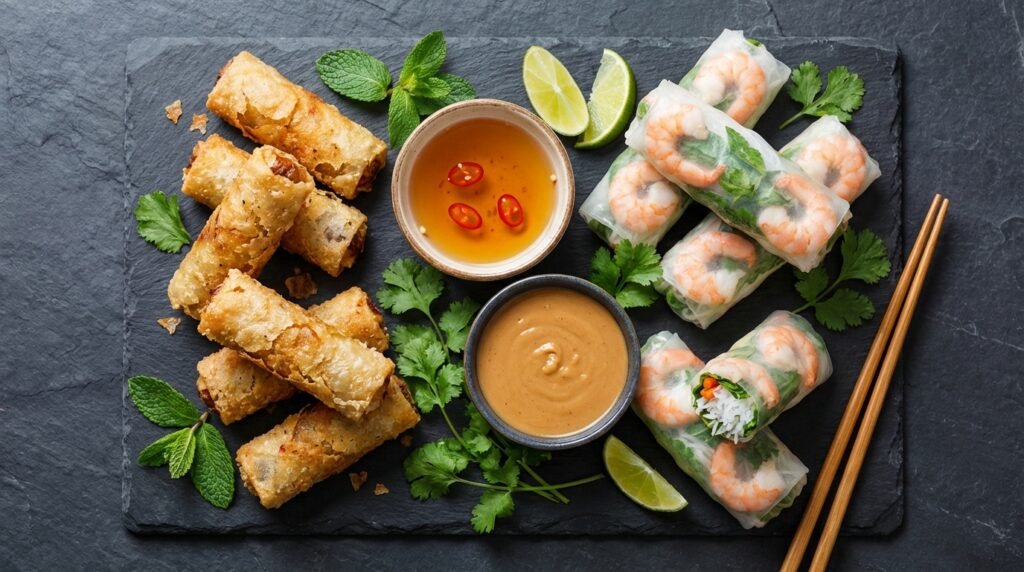
Master the art of making authentic spring rolls at home. Our guide covers traditional Chinese and Vietnamese varieties, essential ingredients, and expert wrapping techniques.
Whether you prefer crispy fried rolls or fresh rice paper wraps, learn how to prepare delicious fillings, including vegan and gluten-free options, with the perfect dipping sauces.
Spring rolls are among the most beloved snacks and appetizers in Asian cuisine, celebrated for their delicate wrappers, vibrant fillings, and endlessly adaptable flavors. Whether you enjoy them golden and crisp from the fryer or fresh and translucent from a rice paper wrap, spring rolls offer a canvas for creativity. This guide explores their origins, global variations, key ingredients, and a detailed method for how to make spring rolls at home, including vegan and gluten-free versions and the best dipping sauces to serve alongside.
What Are Spring Rolls?
At their core, spring rolls are rolled appetizers or snacks made from thin wrappers filled with a mixture of vegetables, sometimes combined with meat or seafood. They can be served fresh or fried, depending on the regional style and personal preference. Although they appear simple, authentic spring rolls balance texture, aroma, and flavor in a surprisingly nuanced way.
Origin and History of Spring Rolls
The origins of spring rolls can be traced back to China, where they were traditionally prepared to celebrate the Spring Festival. Early versions consisted of thin wheat pancakes filled with the first tender greens of the season, symbolizing renewal and abundance. As trade and migration spread Chinese culinary traditions across Asia, the concept evolved and adapted to new ingredients and tastes.
In China, these rolls are often known as chūnjuǎn and can be either fresh or deep-fried, typically featuring cabbage, pork, and aromatics such as garlic and ginger. Over time, neighboring countries adopted and transformed the idea. Vietnam, Thailand, the Philippines, and other nations developed distinct interpretations, each reflecting local produce, herbs, and cooking techniques. The global popularity of spring rolls today is a testament to their versatility and broad appeal.
Popular Varieties Around the World
While the term “spring rolls” is used broadly, the variations across countries are significant and worth understanding before choosing your own preferred style.
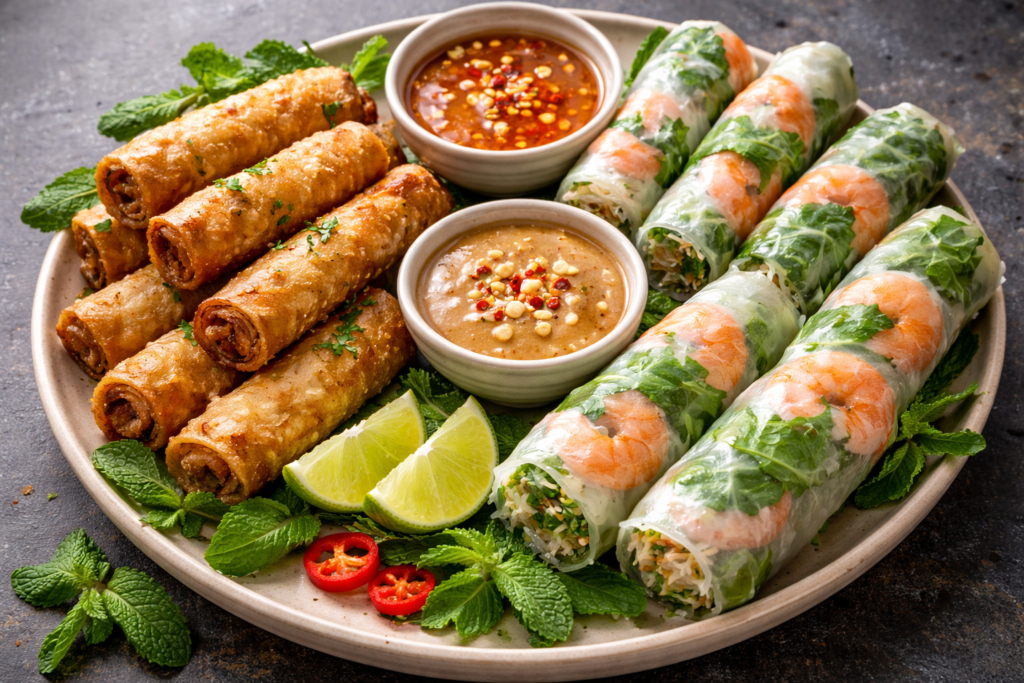
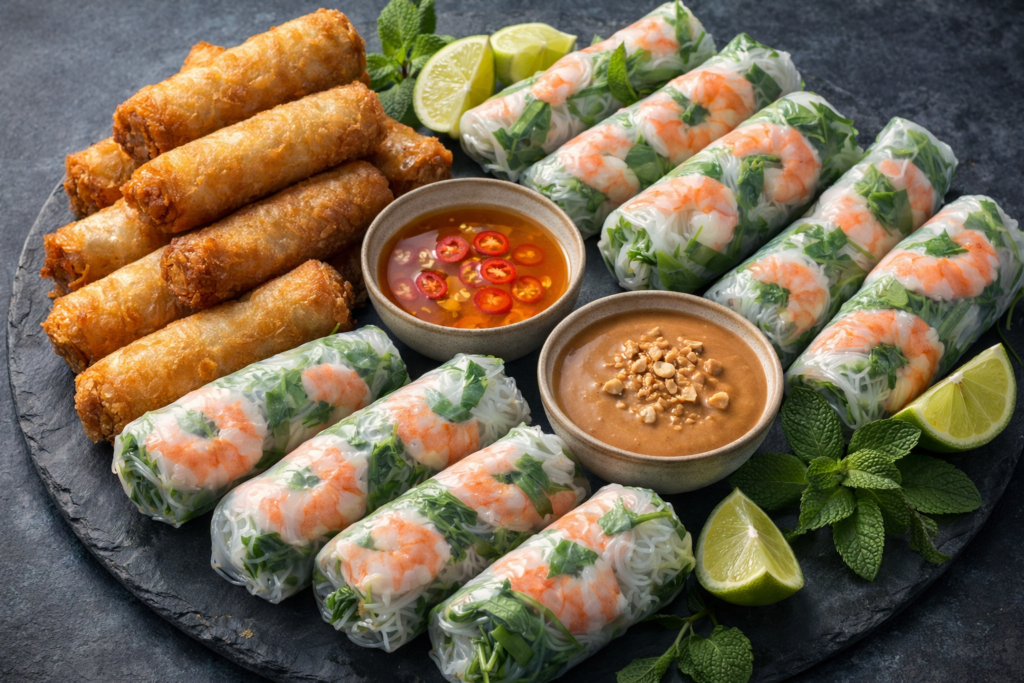
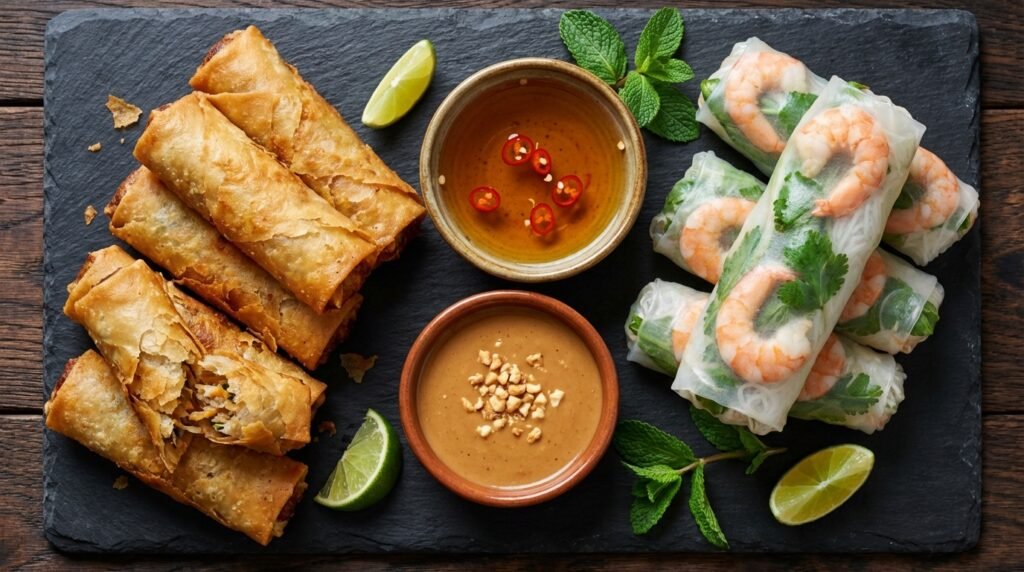
Chinese Spring Rolls: Usually made with thin wheat-based wrappers, these are often filled with shredded cabbage, carrots, mushrooms, and minced pork or shrimp. They are commonly deep-fried until crisp and served as appetizers in banquets and at dim sum.
Vietnamese Fresh Spring Rolls (Gỏi Cuốn): Often referred to as fresh or summer rolls, these use delicate rice paper wrappers, not fried. Typical fillings include rice vermicelli, lettuce, fresh herbs (mint, basil, cilantro), shrimp or pork, and sometimes tofu. They are served chilled with a rich peanut or nước chấm dipping sauce.
Vietnamese Fried Spring Rolls (Chả Giò / Nem Rán): These use rice paper or thin wrappers and are filled with minced pork, shrimp, mushrooms, taro or jicama, and glass noodles. The rolls are fried until blistered and crunchy, and often served with leafy herbs and dipping sauce.
Filipino Lumpia: Lumpia are slender rolls filled with a savory mixture of ground meat, vegetables, and sometimes shrimp, wrapped in paper-thin crepes or lumpia wrappers. They are usually deep-fried and served at celebrations with sweet chili sauce or vinegar-based dips.
Thai Spring Rolls (Por Pia Tod / Por Pia Sod): In Thailand, fried spring rolls are filled with glass noodles, cabbage, carrots, and occasionally minced meat, served with sweet chili sauce. Fresh versions echo Vietnamese rolls with herbs and crisp vegetables.
Beyond Asia, modern spring roll variations include fusion creations filled with everything from avocado and smoked salmon to pulled chicken, kimchi, or roasted vegetables, demonstrating just how adaptable this format can be.
Ingredients Needed for Authentic Spring Rolls
Regardless of regional style, certain ingredients appear again and again in a classic spring rolls recipe. Mastering these components allows you to craft rolls that taste balanced and authentic.
Essential Ingredients
Below are the building blocks for traditional, savory spring rolls, particularly the fried variety:
- Wrappers:
- Wheat spring roll wrappers: Thin, square sheets used for Chinese and many Southeast Asian fried rolls. They fry up crisp and light.
- Rice paper (bánh tráng): Translucent, circular sheets made from rice flour, used predominantly in Vietnamese fresh and some fried rolls.
- Protein:
- Ground pork or chicken for a savory, tender filling.
- Shrimp, whole or chopped, for sweet brininess and texture.
- Firm tofu as a neutral but satisfying base in lighter or plant-forward versions.
- Vegetables:
- Shredded cabbage for bulk and crunch.
- Julienned carrots for color and sweetness.
- Bean sprouts for freshness and snap.
- Scallions, garlic, and sometimes leeks for aromatic depth.
- Wood ear or shiitake mushrooms for earthiness and umami.
- Noodles (optional but common):
- Glass noodles (mung bean vermicelli) or thin rice vermicelli to add body without heaviness.
- Seasonings:
- Soy sauce or fish sauce for salinity and umami.
- Sesame oil for a nutty aroma (especially in Chinese-style rolls).
- Salt, pepper, and sometimes sugar to balance flavors.
- Five-spice powder, white pepper, or ginger in some regional recipes.
- Oil for frying:
- Neutral oils such as peanut, canola, or sunflower oil, with a high smoke point.
For fresh Vietnamese-style spring rolls, leafy greens and herbs become more central:
- Lettuce leaves or tender salad greens.
- Fresh herbs such as mint, Thai basil, and cilantro.
- Cooked shrimp, sliced pork, or marinated tofu.
- Cooked rice vermicelli.
- Thinly sliced cucumber and carrot.
Vegan and Gluten-Free Alternatives
Creating vegan spring rolls and gluten-free spring rolls is remarkably straightforward and does not compromise flavor when handled thoughtfully.
Vegan Substitutions:
- Protein: Use firm or extra-firm tofu, tempeh, or marinated seitan (if gluten is tolerated). Crumbled tofu sautéed with garlic, soy sauce, and sesame oil mimics the texture of ground meat.
- Flavor Enhancers: Increase umami with mushrooms, fermented bean paste, miso, or a splash of soy sauce or tamari. Add finely chopped nuts (such as peanuts or cashews) for extra richness.
- Dipping Sauces: Replace fish sauce with soy sauce, tamari, or vegan fish sauce. Thin peanut butter with water, lime juice, and soy sauce for a quick vegan dip.
Gluten-Free Options:
- Wrappers: Choose 100% rice paper for fresh or fried rolls. Many brands are naturally gluten-free, but always check labels to avoid wheat starch blends.
- Sauces: Replace regular soy sauce with gluten-free tamari or certified gluten-free soy sauce. Verify that chili sauces and vinegars do not contain wheat-based additives.
- Fillings: Focus on vegetables, rice vermicelli, glass noodles (if certified gluten-free), and plain tofu. Most fresh ingredients are naturally gluten-free.
By adjusting wrappers and seasonings, you can maintain the essence of authentic spring rolls while accommodating dietary needs.
Step-by-Step Guide to Making Spring Rolls
The process of how to make spring rolls can be broken into two core stages: preparing the filling and mastering the wrapping technique. Once you understand these, experimenting with different spring roll ingredients becomes intuitive.
Preparing the Filling
Whether you are crafting classic pork spring rolls or lighter vegetable versions, the filling must be well-seasoned and relatively dry to avoid soggy wrappers.
- Prep the Ingredients:
- Finely shred cabbage and carrots; rinse and drain bean sprouts.
- Soak glass noodles in warm water until softened, then drain and cut into shorter lengths.
- Finely slice mushrooms and chop aromatics such as garlic, ginger, and scallions.
- If using meat or shrimp, mince or finely chop them to ensure even distribution.
- Cook the Protein:
- Heat a small amount of oil in a pan over medium-high heat.
- Add ground pork, chicken, or crumbled tofu and cook until no longer pink (or until lightly browned for tofu).
- Season with a splash of soy sauce or fish sauce, salt, and pepper.
- Sauté the Vegetables:
- Add garlic, ginger, and scallions to the pan and cook briefly until fragrant.
- Stir in cabbage, carrots, and mushrooms. Sauté until just wilted but still slightly crisp.
- Fold in bean sprouts and softened noodles, cooking for an additional minute or two.
- Adjust the Seasoning:
- Add soy sauce or fish sauce, a pinch of sugar if desired, and white or black pepper.
- Taste and adjust: the mixture should be flavorful enough to stand on its own.
- Cool the Filling Completely:
- Transfer the filling to a wide tray or bowl and allow it to cool.
- Cooling is essential. Hot filling releases steam, which can tear or soften wrappers excessively.
For fresh Vietnamese-style rolls, the “filling” is assembled cold:
- Cook shrimp and slice in half lengthwise.
- Boil rice vermicelli, rinse in cold water, and drain thoroughly.
- Prepare lettuce leaves, herbs, cucumber, and carrot matchsticks.
All ingredients should be dry and at room temperature before wrapping.
Wrapping Techniques Explained
Wrapping spring rolls correctly ensures they cook evenly and hold together. The method differs slightly depending on whether you use wheat wrappers or rice paper.
For Fried Spring Rolls with Wheat Wrappers:
- Set Up Your Station:
- Place a stack of wrappers under a lightly damp towel to prevent drying.
- Keep a small bowl of water or beaten egg nearby for sealing edges.
- Position the Wrapper:
- Lay one wrapper on a clean board in a diamond shape, with a corner pointing toward you.
- Add the Filling:
- Spoon 1–2 tablespoons of filling near the corner closest to you, leaving margins on each side.
- Do not overfill; this leads to bursting during frying.
- Fold and Roll:
- Fold the bottom corner over the filling and tuck it snugly.
- Fold the left and right corners inward to enclose the filling.
- Roll the wrapper away from you into a tight cylinder.
- Seal:
- Moisten the top corner with water or egg and press firmly to seal.
- Place the finished roll seam-side down on a tray, covered with a cloth.
For Fresh or Fried Spring Rolls with Rice Paper:
- Hydrate the Rice Paper:
- Fill a large shallow dish with lukewarm water.
- Dip one rice paper sheet into the water for a few seconds until just pliable, then lay it flat on a damp towel or cutting board.
- Avoid over-soaking; it continues to soften as you work.
- Layer the Ingredients:
- Place herbs and lettuce toward the bottom third of the wrapper.
- Add vermicelli, vegetables, and protein on top.
- For aesthetic rolls, arrange shrimp or colorful vegetables where they will show through the rice paper.
- Roll Tightly:
- Fold the bottom edge up over the filling.
- Fold in the sides to encase the filling.
- Continue rolling away from you, keeping gentle but firm tension, until sealed.
For fried rice paper rolls, ensure the rolls are tightly wrapped with no air pockets, then fry at a slightly lower temperature at first to prevent blistering too quickly. Once you gain confidence, wrapping becomes a fluid, almost meditative process.
Serving and Storing Spring Rolls
Perfectly made spring rolls deserve thoughtful serving and smart storage. From the right dipping sauces to practical reheating strategies, these details elevate your efforts.
Best Dipping Sauces for Spring Rolls
A well-chosen spring rolls dipping sauce enhances flavor and balances richness. Consider these classic options:
Vietnamese Nước Chấm:
- Base of fish sauce, water, sugar, and lime juice.
- Enhanced with garlic, chilies, and shredded carrot.
- Bright, salty-sweet, and slightly spicy, ideal for both fresh and fried rolls.
Peanut Dipping Sauce:
- Made from peanut butter thinned with water or coconut milk.
- Seasoned with soy sauce or hoisin, garlic, and a touch of sugar or honey.
- Creamy and rich, particularly complementary to fresh rice paper rolls.
Sweet Chili Sauce:
- A staple with Thai and Filipino-style rolls.
- Combines mild heat, sweetness, and a viscous consistency that clings to crisp wrappers.
Soy-Vinegar Dip:
- Equal parts soy sauce and vinegar (rice or cane), with sliced chilies and garlic.
- Tangy and sharp, excellent for cutting through fried rolls’ richness.
For vegan or gluten-free diets, focus on tamari-based sauces, omit fish sauce, and confirm that hoisin and chili sauces are suitable for your requirements. Experimenting with citrus, fresh herbs, and chili pastes can yield countless nuanced variations.
Tips for Storing and Reheating
Spring rolls are best enjoyed fresh, but proper storage allows you to prepare in advance or save leftovers without sacrificing too much quality.
Storing Uncooked Rolls:
- Arrange uncooked, wrapped rolls in a single layer on a tray lined with parchment paper.
- Cover with plastic wrap or a slightly damp cloth to prevent drying.
- Refrigerate for up to one day before frying. For longer storage, freeze them on the tray, then transfer to airtight containers or freezer bags once solid.
Storing Cooked Fried Spring Rolls:
- Let them cool completely on a wire rack to prevent condensation.
- Refrigerate in an airtight container for up to two days.
- For longer storage, freeze in a single layer, then consolidate once frozen.
Storing Fresh Rice Paper Rolls:
- Place each roll on a lightly oiled tray or on lettuce leaves to prevent sticking.
- Cover with a slightly damp cloth, then wrap the entire tray tightly with plastic wrap.
- Consume within 24 hours; the rice paper tends to firm up and may crack if stored too long.
Reheating Fried Spring Rolls:
- Avoid microwaving directly, as it makes the wrapper soggy.
- Reheat in a preheated oven or air fryer at 180–200°C (350–400°F) for 5–10 minutes until crisp and hot.
- Turn them once during reheating for even crispness.
- https://www.teepublic.com/t-shirt/51544748-basketball?store_id=2851997
Fresh rice paper rolls should not be reheated; serve them at cool room temperature and refresh the experience with extra herbs and an invigorating dipping sauce.
By planning your storage and reheating method in advance, you can prepare larger batches of authentic spring rolls for gatherings, weeknight dinners, or convenient snacks without sacrificing texture.
Conclusion
Spring rolls embody the intersection of craft and comfort: crisp or tender wrappers, vibrant fillings, and dipping sauces that awaken the palate. Understanding their history and regional variations offers context, while a grasp of core spring roll ingredients and wrapping techniques provides the foundation to create your own repertoire. With the flexibility to incorporate vegan and gluten-free adaptations, this spring rolls recipe framework can serve a wide range of tastes and dietary needs.
Whether you gravitate toward delicate Vietnamese fresh rolls, richly savory Chinese fried rolls, or contemporary fusion interpretations, the method remains accessible. With practice, rolling becomes second nature, and the process itself becomes as rewarding as the finished dish. Equipped with this step-by-step guide on how to make spring rolls, you can confidently explore new combinations, refine your skills, and bring a timeless, globally loved appetizer to your own table.
Top 5 Superfoods for Brain Power
Top 10 Foods for Better Digestion
Sashimi vs. Sushi: Everything You Need to Know About Sashimi
Tom Yum Soup: The Ultimate Hot & Sour Thai Soup Guide
Pad Thai: The Ultimate Guide to Thailand’s National Noodle Dish
Crystal Collector
Combat Protocol
WASD – Move
Mouse – Look around
Left Click – Fire Weapon
R – Reload
Eliminate all hostile units in the sector!
(Works better on computer)