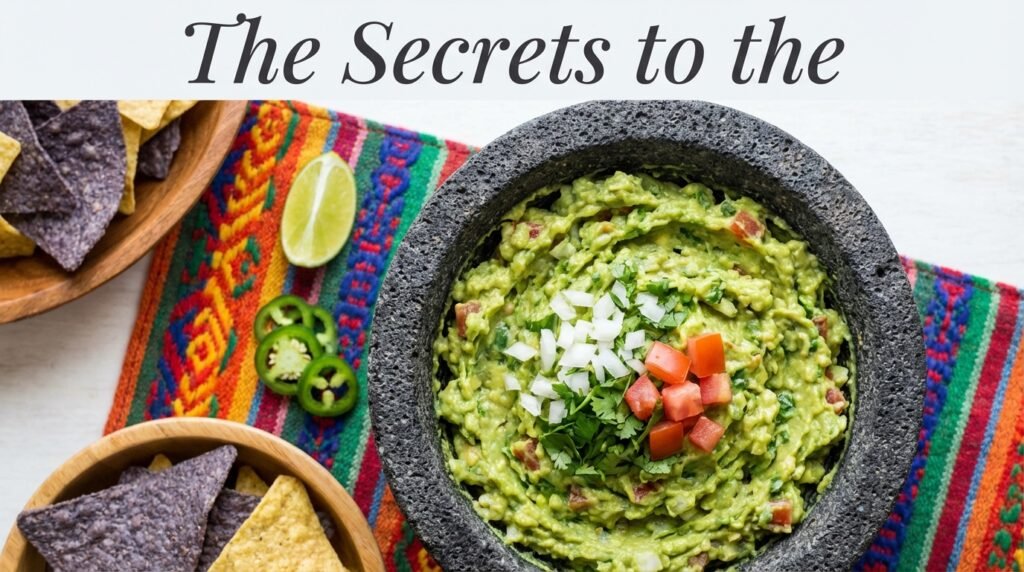
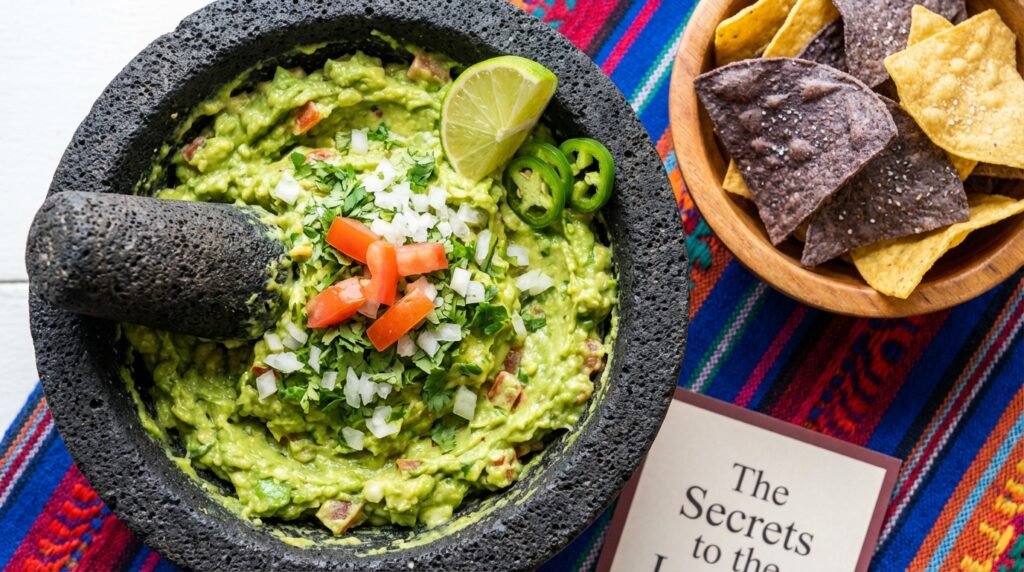
Guacamole is far more than a simple dip. This vibrant, creamy preparation made from ripe avocados has become a global staple, cherished for its rich flavor, versatility, and impressive nutritional profile. Whether you seek an easy guacamole recipe for a weeknight dinner or want to refine an authentic guacamole that honors its roots, understanding its history, ingredients, and techniques will transform the way you prepare and enjoy it.
What is Guacamole?
History and Origins of Guacamole
Guacamole traces its origins to ancient Mesoamerica, particularly the Aztec civilization in what is now central Mexico. The word itself derives from the Nahuatl term “ahuacamolli,” which combines “ahuacatl” (avocado) and “molli” (sauce). Historical accounts indicate that this early avocado sauce was prized not only for its flavor but also for its sustaining qualities, as avocados were considered an energy-dense fruit rich in beneficial fats.
With the Spanish conquest in the 16th century, avocados and guacamole began to spread beyond the Americas. European travelers quickly developed a taste for the creamy fruit, though widespread cultivation outside the region came much later. Over time, guacamole evolved as new ingredients became available and regional tastes influenced preparation methods. Yet, despite numerous guacamole variations, the core concept has remained remarkably consistent: mashed avocado enhanced with fresh, aromatic ingredients.
Traditional Ingredients and Variations
At its heart, an authentic guacamole relies on a few simple, high-quality components. Classic guacamole ingredients typically include:
- Ripe avocados – preferably Hass, for their buttery texture and rich flavor.
- Onion – white onion is traditional in Mexico for its sharp, clean bite.
- Fresh chilies – jalapeño or serrano peppers add gentle to moderate heat.
- Cilantro (coriander leaves) – contributes herbaceous brightness.
- Lime juice – provides acidity, balance, and helps slow oxidation.
- Salt – essential to bring all flavors into focus.
Beyond this traditional base, numerous guacamole variations have emerged across regions and households. Some cooks incorporate chopped tomato for juiciness and color, while others consider it unnecessary dilution. Additional ingredients may include garlic, ground cumin, or a splash of orange juice for subtle sweetness. In coastal regions of Mexico, guacamole may be paired with seafood and adjusted accordingly, sometimes featuring minced radish or even pomegranate seeds for contrast.
Outside Mexico, creativity has produced countless interpretations: chunky guacamole with black beans and corn, smooth blends with Greek yogurt for extra creaminess, or even guacamole fused with tropical fruits such as mango or pineapple. While these options can be excellent, they are best seen as creative guacamole ideas inspired by, rather than identical to, the traditional preparation.
How to Make Authentic Guacamole
Step-by-Step Recipe Guide
The foundation of a memorable guacamole recipe is careful attention to freshness, texture, and balance. The following method offers a classic yet adaptable approach.
Ingredients (serves 4–6):
- 3 ripe Hass avocados
- 1/4 cup finely minced white onion
- 1–2 fresh serrano or jalapeño chilies, seeded and finely chopped (to taste)
- 1/4 cup chopped fresh cilantro leaves
- 2–3 tablespoons freshly squeezed lime juice
- Salt, to taste
- Optional: 1 small ripe tomato, seeded and finely diced
Method:
- Prepare the aromatics. In a medium bowl, combine the minced onion, chopped chilies, and a pinch of salt. If desired, let them sit with 1 tablespoon of lime juice for a few minutes to slightly mellow the onion’s sharpness.
- Open and pit the avocados. Slice each avocado lengthwise around the pit, twist to separate the halves, and remove the pit carefully. Scoop the flesh into the bowl with the aromatics.
- Mash to your preferred texture. Using a fork or a traditional molcajete (mortar and pestle), mash the avocado. For an authentic guacamole, aim for a mixture that is mostly smooth but retains some small chunks for texture.
- Add cilantro and lime. Stir in the chopped cilantro and additional lime juice. Taste as you go, adding more lime if the flavor feels flat or heavy.
- Season carefully. Add salt gradually, tasting after each addition. Proper seasoning is essential; the flavors should appear bright and integrated without obvious saltiness.
- Incorporate optional ingredients. If using tomato, fold it in gently at the end to avoid breaking it down and watering the mixture.
- Serve immediately. Authentic guacamole is at its best freshly made. If a short rest is necessary, press plastic wrap directly onto the surface to minimize browning.
Tips for Perfecting Your Guacamole
Small adjustments make a significant difference in the final product. Consider the following techniques when refining how to make guacamole:
- Select impeccably ripe avocados. The fruit should yield slightly to gentle pressure but not feel mushy. Overripe avocados can introduce off-flavors and an unpleasant texture.
- Control the heat level. Start with a modest amount of chili and increase gradually. Remember that spiciness can intensify as the mixture rests.
- Balance acidity and richness. Lime juice should complement, not dominate. Well-balanced guacamole tastes creamy and bright rather than sharp or heavy.
- Avoid over-mixing. Overly smooth guacamole can feel flat. Leaving some small chunks of avocado provides a more satisfying mouthfeel.
- Use fresh ingredients only. Dried cilantro, bottled lime juice, or pre-chopped onion will diminish the complexity and freshness of the final dish.
- Minimize oxidation. While lime juice slows browning, the most effective method is reducing contact with air. Keep the surface level, cover tightly, and refrigerate if not serving immediately.
Health Benefits of Guacamole
Nutritional Value and Benefits
Beyond its culinary appeal, guacamole offers notable nutritional advantages. Its primary component, avocado, is rich in monounsaturated fats, particularly oleic acid, which is associated with heart health and improved cholesterol profiles. These healthy fats also promote satiety, helping manage appetite and support weight maintenance when consumed mindfully.
In terms of guacamole nutrition, a typical serving provides:
- Heart-friendly fats – predominantly monounsaturated, which may support cardiovascular health.
- Dietary fiber – contributing to digestive health and stable blood sugar levels.
- Vitamins – including vitamins K, E, C, and several B vitamins (notably folate).
- Minerals – such as potassium, which plays a vital role in blood pressure regulation.
- Antioxidants – carotenoids and other phytonutrients that help combat oxidative stress.
Because guacamole typically incorporates fresh vegetables and herbs, it adds further micronutrients and phytochemicals. Onions and chilies contain antioxidant compounds, while cilantro and lime provide additional vitamin C and beneficial plant constituents. When prepared without excessive salt or calorie-dense accompaniments, guacamole can be an exceptionally nutrient-dense addition to the diet.
Guacamole in a Healthy Diet
Incorporating guacamole into a balanced eating plan is straightforward when portion sizes and pairings are considered thoughtfully. While it is calorically dense due to its fat content, those fats are largely beneficial when consumed in moderate quantities.
Strategies for using guacamole in a healthy diet include:
- As a nutrient-rich spread. Replace butter or mayonnaise with a thin layer of guacamole on whole-grain bread, wraps, or sandwiches to improve the overall nutritional profile.
- As a topping for lean proteins. A spoonful over grilled chicken, fish, tofu, or legumes adds flavor and satiety without resorting to heavy sauces.
- As a dip with wholesome dippers. Instead of refined tortilla chips, serve guacamole with sliced vegetables, baked whole-grain crackers, or roasted chickpeas.
- As part of a balanced bowl. Use guacamole alongside beans, brown rice or quinoa, fresh vegetables, and a lean protein for a complete and satisfying meal.
When viewed through the lens of overall dietary patterns, the health benefits of guacamole align well with Mediterranean and plant-forward eating approaches that emphasize healthy fats, vegetables, and minimally processed foods.
Creative Guacamole Serving Ideas
Pairing Guacamole with Various Dishes
Guacamole’s versatility makes it suitable far beyond the classic chips-and-dip context. Its creamy, tangy character harmonizes with a wide range of preparations, elevating both simple and complex dishes.
Consider the following serving ideas:
- Tacos and tostadas. Use guacamole as a primary garnish for tacos filled with grilled vegetables, fish, or shredded chicken. On tostadas, it can serve as a base layer, anchoring beans and other toppings.
- Grain bowls and salads. Add a generous spoonful to grain bowls or hearty salads. It functions as both component and dressing, reducing the need for additional oils.
- Egg-based dishes. Serve guacamole alongside scrambled eggs, omelets, or poached eggs on toast. The combination is especially satisfying for breakfast or brunch.
- Grilled dishes and barbecues. Offer guacamole with grilled meats, portobello mushrooms, or skewered vegetables in place of heavier sauces.
- Soups and stews. A small dollop on top of black bean soup, tortilla soup, or chili adds creaminess and brightness right before serving.
These pairings demonstrate how an authentic guacamole can function as a unifying element of a meal, providing both flavor and nourishment in a single addition.
Innovative Guacamole Flavors and Additions
Once you have mastered a traditional base, experimenting with creative guacamole ideas can be both enjoyable and rewarding. The key is to maintain balance: new additions should complement the avocado rather than overwhelm it.
https://www.teepublic.com/t-shirt/53246542-yoga?store_id=2851997
Some noteworthy variations include:
- Fruit-infused guacamole. Add finely diced mango, pineapple, or pomegranate seeds for a sweet-tart contrast that pairs well with grilled fish or shrimp.
- Smoky guacamole. Incorporate roasted peppers, a pinch of smoked paprika, or chipotle in adobo for a deeper, more complex flavor profile.
- Herb-forward blends. Supplement or partially replace cilantro with fresh basil, mint, or parsley. These versions pair particularly well with Mediterranean-inspired dishes.
- Crunch and texture. Fold in toasted pumpkin seeds, chopped nuts, or finely diced radishes to introduce a pleasant crunch and additional nutrients.
- Spice-layered guacamole. Add ground cumin, coriander, or a touch of chili powder to create subtle layers of warmth and aroma.
For entertaining, consider a guacamole “tasting” station, offering a classic bowl alongside two or three distinct guacamole variations. Guests can compare flavors and textures while customizing their plates, turning a simple preparation into a memorable focal point of the gathering.
Experimentation should always be anchored by quality ingredients and careful seasoning. By starting with a well-crafted base and adjusting thoughtfully, you can create numerous interpretations without losing sight of what makes guacamole so appealing in the first place.
Pad Thai: The Ultimate Guide to Thailand’s National Noodle Dish
Mastering Homemade Enchiladas: Authentic Recipes, History, and Expert Tips
Mastering Homemade Enchiladas: Authentic Recipes, History, and Expert Tips
The Perfect Quesadilla Guide: History, Authentic Recipes, and Tips
The Ultimate Burrito Guide: History, Authentic Recipes, and Top U.S. Spots
The Ultimate Guide to Authentic Tacos: History, Recipes, and Global Culture
Conclusion
Guacamole’s enduring popularity is no accident. It unites culinary heritage, straightforward technique, and substantial nutritional value in a single preparation. From its origins in ancient Mesoamerica to its modern role as a beloved accompaniment around the world, it exemplifies how a few well-chosen ingredients can yield remarkable depth and versatility.
By understanding traditional guacamole ingredients, practicing the fundamentals of an authentic guacamole recipe, and embracing thoughtful variations, you can tailor this dish to countless occasions and preferences. Whether you serve it simply with fresh vegetables, spoon it over grilled dishes, or explore innovative flavor combinations, guacamole remains a sophisticated yet accessible way to enrich both everyday meals and special gatherings.
The Secrets to the Ultimate Dip
- Texture is Key: For a truly authentic mouthfeel, avoid the blender. Use a fork or a molcajete to mash the avocados, leaving small, buttery chunks intact.
- The “Onion Trick”: To remove the harsh “bite” of raw white onion, rinse the minced pieces under cold water and pat dry before folding them into the avocado.
- Oxidation Hack: To keep your guacamole from browning, press plastic wrap directly onto the surface of the dip to eliminate air gaps. The lime juice helps, but a physical barrier is the only foolproof method.
- Salt Gradually: Avocado is rich and fatty; it needs salt to “wake up” the flavor. Add it in small increments, tasting after each stir until the lime and chili flavors pop.