
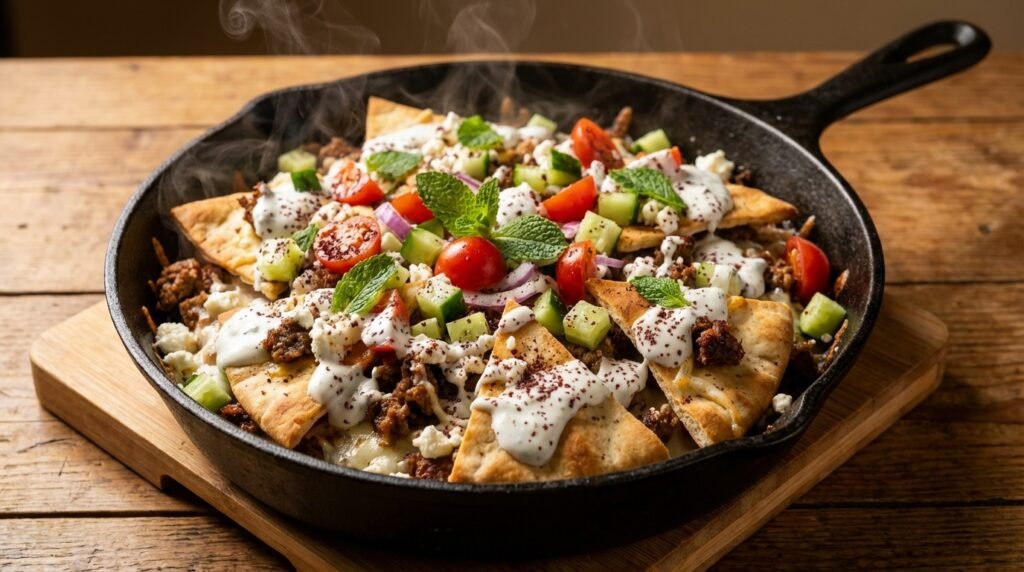
Discover the rich history and cultural evolution of nachos, learn how to make classic and innovative variations, and explore tips for creating perfect nachos every time.
Nachos have evolved from a humble border-town snack into a global favorite, served everywhere from casual home gatherings to upscale restaurants. Their appeal lies in their versatility: a simple base of tortilla chips and melted cheese can be transformed into a substantial meal or an elegant appetizer with just a few thoughtful additions. Understanding the origins, techniques, and creative possibilities behind this dish will help you prepare nachos that are consistently flavorful, balanced, and visually appealing.
The History of Nachos
Origins and Cultural Significance
The history of nachos begins in the early 1940s in the border town of Piedras Negras, Coahuila, just across from Eagle Pass, Texas. According to most historical accounts, Ignacio “Nacho” Anaya, a maître d’ at the Victory Club restaurant, improvised the first plate of nachos for a group of U.S. military wives who arrived after the kitchen had closed. With limited ingredients on hand, he cut tortillas into triangles, fried them until crisp, topped them with melted cheese and sliced pickled jalapeños, and served the dish under the name “Nacho’s especiales.”
This spontaneous creation quickly gained popularity. The combination of warm, crunchy tortilla chips with rich, melted cheese and bright, spicy chiles resonated with local diners, reflecting the culinary exchange that had long characterized the Mexico–United States border region. In essence, nachos were an early example of cross-cultural cuisine: deeply rooted in Mexican ingredients and techniques, yet tailored to the tastes and dining habits of American visitors.
As the dish spread throughout northern Mexico and the southwestern United States, it began to represent more than a quick snack. Nachos became a symbol of conviviality and shared plates, ideal for gatherings where food is placed at the center of the table and eaten communally. Over time, they developed a firm place in sports culture as well. By the 1970s, stadium concession stands and movie theaters were selling tray nachos, making them synonymous with entertainment, leisure, and casual indulgence.
Evolution of Nachos in Modern Cuisine
From those first “Nacho’s especiales,” the evolution of nachos has been remarkable. Initially, the classic preparation—corn tortilla chips, melted cheese, and jalapeños—remained largely intact. However, as the dish migrated across North America, cooks began to add ingredients such as seasoned ground beef, refried beans, guacamole, salsa, and sour cream. These embellishments gave rise to the loaded nachos common in Tex-Mex cuisine.
https://www.teepublic.com/t-shirt/50452998-penguin-otter?store_id=2851997
In the late twentieth century, the dish moved beyond bars and casual eateries into more diverse culinary contexts. Chefs in contemporary restaurants started to reimagine nachos with artisanal cheeses, slow-cooked meats, house-made salsas, and creative garnishes. Global influences also emerged: Korean-inspired nachos with bulgogi and kimchi, Mediterranean versions featuring lamb and tzatziki, and seafood variations with shrimp or tuna tartare. This wave of innovation underscored how adaptable the basic nacho framework is to different flavor profiles and ingredients.
Today, nachos occupy a dual role in modern cuisine. On the one hand, they remain an accessible comfort food and a staple of parties, game nights, and casual dining. On the other, they serve as a canvas for culinary experimentation, appearing in fine-dining menus and food festivals where chefs explore international nacho flavors and unexpected combinations. Despite this evolution, the essence of the dish—a shared, convivial plate of crispy tortillas and savory toppings—remains unchanged.
How to Make Classic Nachos
Essential Ingredients and Tools
A reliable classic nacho recipe depends on quality ingredients and a few basic tools. While variations are endless, the following components form the foundation of traditional nachos.
Core ingredients:
- Tortilla chips: Use thick, sturdy corn tortilla chips that can support substantial toppings without becoming soggy or breaking easily. Lightly salted varieties work best.
- Cheese: A good melting cheese is essential. Cheddar, Monterey Jack, Colby Jack, or a blend of these works well. For a smoother, cohesive layer, a mild processed cheese or a homemade cheese sauce can be added, but natural cheeses provide superior flavor.
- Jalapeños: Sliced pickled jalapeños are traditional, offering acidity, heat, and a nod to the original recipe.
Common additional toppings:
- Protein: Seasoned ground beef, shredded chicken, carne asada, or chorizo.
- Beans: Refried pinto beans or whole black beans for added substance and fiber.
- Fresh elements: Diced tomatoes, onions, cilantro, and scallions provide freshness and color.
- Condiments: Salsa, pico de gallo, guacamole, and sour cream, typically added after baking.
Useful kitchen tools:
- Baking sheet or oven-safe platter: A rimmed sheet pan ensures even heat distribution and prevents toppings from spilling over.
- Parchment paper or silicone mat: Helps minimize sticking and simplifies cleanup.
- Oven or broiler: A conventional oven is ideal, but a broiler provides rapid cheese melting and browning.
- Spatula or tongs: For serving portions without disturbing the structure of the nachos too much.
Step-by-Step Cooking Instructions
The following method yields a classic, balanced plate of nachos with even distribution of toppings and reliably crisp chips.
- Preheat the oven. Set your oven to 375–400°C (190–200°C). A moderately high temperature ensures the cheese melts quickly without over-drying the chips or scorching the toppings.
- Prepare the toppings. Cook and season any proteins in advance (for example, ground beef with chili powder, cumin, garlic, and salt). Warm refried beans so they are easy to spread. Grate the cheese rather than buying pre-shredded versions, which often contain anti-caking agents that hinder smooth melting.
- Build the first layer. Line the baking sheet with parchment paper. Spread a single layer of tortilla chips, slightly overlapping but not piled too high. Sprinkle a generous amount of cheese evenly across the chips, then add small spoonfuls of beans and a portion of the prepared protein. Distribute a few jalapeño slices across the layer.
- Add a second layer. Place a second, lighter layer of chips on top and repeat the process with cheese, beans, protein, and jalapeños. Layering ensures that every chip receives some topping, preventing the common problem of a few overloaded chips on top and plain chips underneath.
- Bake until melted. Transfer the tray to the oven and bake for approximately 8–12 minutes, or until the cheese is fully melted and just starting to bubble. If you prefer a lightly browned top, switch to the broiler for the final 1–2 minutes, monitoring closely to prevent burning.
- Add fresh toppings. Remove the nachos from the oven and immediately sprinkle diced tomatoes, onions, scallions, and cilantro over the surface. Finish with dollops of sour cream and guacamole or serve them on the side to maintain clarity of flavors.
- Serve promptly. Nachos are best enjoyed straight out of the oven while the chips are crisp and the cheese is still molten. Present the tray at the table with additional salsa, lime wedges, and hot sauce for customization.
Delicious Nacho Variations
Vegetarian and Vegan Options
Vegetarian nachos demonstrate that meat is not necessary for a satisfying, protein-rich dish. By focusing on beans, vegetables, and layered flavors, you can create a plate that is as substantial as any meat-based version.
Vegetarian nachos:
- Proteins and bases: Use a combination of black beans, pinto beans, and refried beans. Lentils or crumbled spiced tofu can also serve as hearty alternatives.
- Vegetable medley: Add grilled peppers, sautéed onions, roasted corn, zucchini, or mushrooms for depth and umami. A sprinkling of olives can provide a briny contrast.
- Dairy elements: Cheese remains central, but consider mixing different varieties—sharp cheddar for intensity and Monterey Jack for meltability.
Vegan nachos:
- Cheese alternatives: Use plant-based shredded cheeses designed to melt, or prepare a homemade cashew-based cheese sauce flavored with nutritional yeast, garlic, and lemon juice.
- Plant proteins: Seasoned lentils, crumbled tempeh, spiced tofu, or textured vegetable protein can stand in for ground meat. Beans, of course, remain a cornerstone of vegan nachos.
- Rich toppings: Guacamole, salsa verde, pico de gallo, and a drizzle of tahini-lime sauce or vegan sour cream offer creaminess and brightness without dairy.
Both vegetarian and vegan nachos benefit from thoughtful seasoning. A sprinkle of smoked paprika, chili flakes, or a squeeze of lime over the finished dish adds complexity and prevents any perception that these versions are merely “missing” ingredients.
Global Nacho Twists and Flavors
The adaptable nature of nachos makes them an ideal vehicle for international flavors. Drawing inspiration from different culinary traditions allows you to create memorable and distinctive nacho variations.
Mediterranean-inspired nachos:
- Base: Pita chips or baked flatbread triangles.
- Toppings: Crumbled feta, mozzarella, cherry tomatoes, cucumbers (added after baking), Kalamata olives, and red onions.
- Finishing elements: A drizzle of tzatziki or garlic yogurt sauce and a sprinkle of fresh oregano or parsley.
Asian-influenced nachos:
- Base: Traditional tortilla chips or wonton chips for extra crispness.
- Toppings: Korean bulgogi beef or marinated tofu, kimchi, scallions, and a light layer of cheese if desired.
- Finishing elements: Gochujang-mayo sauce, toasted sesame seeds, and cilantro for freshness.
Middle Eastern or Levantine nachos:
- Base: Pita chips brushed with olive oil and sprinkled with za’atar.
- Toppings: Spiced ground lamb or chickpeas, roasted eggplant, and caramelized onions.
- Finishing elements: Hummus, tahini sauce, fresh tomatoes, parsley, and lemon wedges on the side.
Seafood nachos:
- Base: Sturdy tortilla chips or even thick-cut plantain chips for a Latin American influence.
- Toppings: Grilled shrimp, crab meat, or chunks of marinated fish (added briefly at the end to avoid overcooking).
- Finishing elements: A light cheese layer, mango salsa, avocado slices, and chili-lime crema.
These international nacho flavors highlight how a familiar format can accommodate regional ingredients and seasonings. The key is maintaining balance: pair bold toppings with complementary sauces and garnishes without overwhelming the fundamental pleasure of crisp chips and savory accents.
10 Foods That Are Secretly Health Powerhouses: The Unsung Heroes of Your Pantry
Top 5 Superfoods for Brain Power
Top 10 Foods for Muscle Building
Top Superfoods for Athletic Performance
Mastering Authentic Guacamole: Recipes, and Health Benefits
Mastering Homemade Enchiladas: Authentic Recipes, History, and Expert Tips
The Perfect Quesadilla Guide: History, Authentic Recipes, and Tips
The Ultimate Burrito Guide: History, Authentic Recipes, and Top U.S. Spots
The Ultimate Guide to Authentic Tacos: History, Recipes, and Global Culture
The Ultimate Guide to Chow Mein: Authentic Recipes, History & Pro Wok Tips
Tips for Perfect Nachos Every Time
Choosing the Right Cheese and Toppings
High-quality cheese and judicious topping choices determine whether your nachos are exceptional or merely adequate. Texture and flavor both matter.
Cheese selection:
- Melting behavior: Use cheeses that melt smoothly and evenly, such as Monterey Jack, Colby Jack, or a mild cheddar. For extra elasticity and creaminess, small amounts of mozzarella can be incorporated.
- Flavor balance: Sharp cheddar offers assertive flavor but can become oily if used alone. Mixing it with milder, creamier cheeses yields a more refined result.
- Grating: Grate cheese yourself whenever possible. Pre-shredded cheese contains starches that impede smooth melting and can create a grainy texture.
Topping strategy:
- Avoid overloading: Excess toppings weigh down the chips and lead to uneven heating. Aim for a moderate, even distribution so each chip receives a combination of elements.
- Moisture control: Drain beans and meats well. Use thicker salsas or pico de gallo rather than very watery versions, or add them after baking to preserve crispness.
- Layering: Alternate chips and toppings in at least two layers, ensuring the bottom ones are not left bare. This is one of the most effective perfect nacho tips for achieving consistency.
- Heat management: If using delicate ingredients such as fresh herbs or lettuce, add them after the baking phase to prevent wilting.
Serving Suggestions and Pairings
How nachos are served and what accompanies them can elevate the entire experience. Consider both presentation and pairings when planning your dish.
Presentation and service:
- Serve on a warm tray: A preheated cast-iron skillet or baking stone retains heat, keeping the cheese molten longer.
- Offer accompaniments on the side: Provide bowls of salsa, hot sauces, extra jalapeños, and lime wedges so guests can customize heat and acidity.
- Portion control: For larger gatherings, prepare several smaller trays rather than one large one. This ensures each batch is served hot and crisp.
Beverage pairings:
- Beer: Light lagers, pilsners, or session IPAs pair well with classic nachos, cutting through richness and highlighting spice. Darker beers such as stouts can complement smoky or heavily spiced versions.
- Wine: Crisp white wines (Sauvignon Blanc, Albariño) and dry rosés work well with vegetarian nachos and seafood variations. For heartier meat-based nachos, a medium-bodied red such as Tempranillo can be appropriate.
- Non-alcoholic options: Sparkling water with lime, aguas frescas (such as hibiscus or tamarind), and unsweetened iced tea provide refreshing contrast to salty, rich nacho toppings.
Side dishes:
- Light salads: A crisp salad with citrus dressing offsets the richness of cheese and beans.
- Salsas and relishes: Charred tomato salsa, salsa verde, or a bright corn and black bean salad introduce acidity and sweetness.
- Soups: A simple broth-based soup, such as a light tortilla soup or vegetable consommé, can round out a nacho-focused meal without overwhelming it.
Conclusion
From their improvised beginnings in a small restaurant in Piedras Negras to their current status as an international favorite, nachos have undergone a remarkable transformation. Understanding the history of nachos adds depth to the simple pleasure of eating them, while mastering a classic nacho recipe equips you with a dependable foundation for experimentation. With well-chosen cheeses, balanced toppings, and careful preparation, it is possible to produce nachos that are crisp, flavorful, and consistently satisfying.
Exploring vegetarian nachos, vegan nachos, and inventive global nacho twists illustrates just how versatile this dish can be. Whether you opt for a traditional approach or embrace international nacho flavors, thoughtful technique and considered pairings will help you serve nachos that are both comforting and refined. Ultimately, their enduring appeal lies in their ability to bring people together around a shared plate—an uncomplicated yet profoundly convivial way to enjoy food.
Slither Arcade
Features
- Classic Gameplay: Grow your snake by eating apples while avoiding self-collision.
- Dynamic Difficulty: The game speed increases as you eat more food.
- Juicy Polish: Screen shakes on eating, pulsing food animations, and high-score tracking.
- Responsive Controls: Use Arrow keys, WASD, or swipe on touch devices/mouse.
- Visuals: Custom-generated stylized assets and a minimalist neon background.
How to play:
- Controls: Use Arrow Keys or WASD to change direction. On mobile, Swipe in the direction you want to turn.
- Objective: Eat the glowing red apples to grow and increase your score. The game ends if you collide with your own tail.
The snake wraps around the screen edges, allowing for strategic maneuvers! Enjoy your game.Controls Reminder: The golden apple slows time for 5 seconds