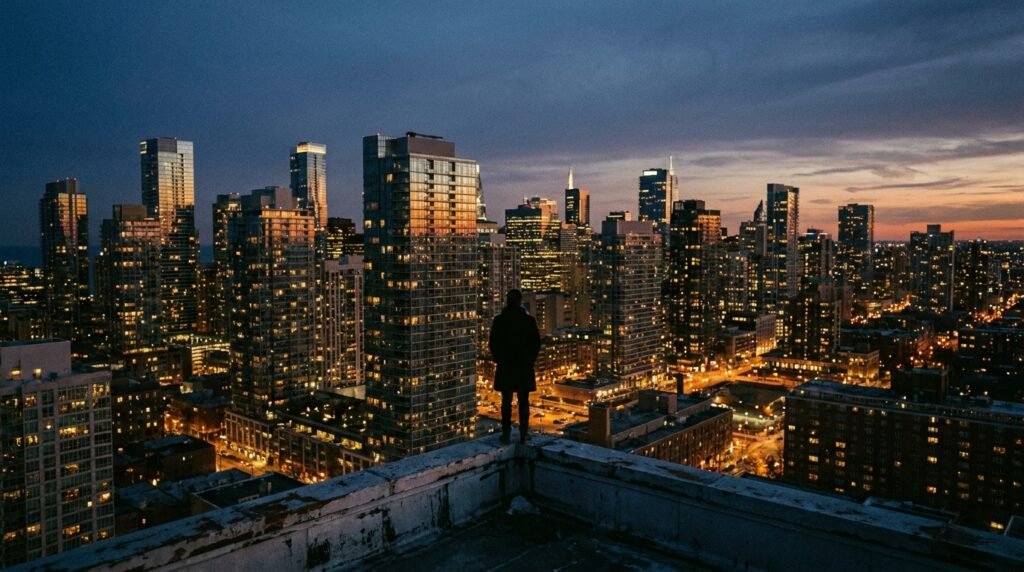
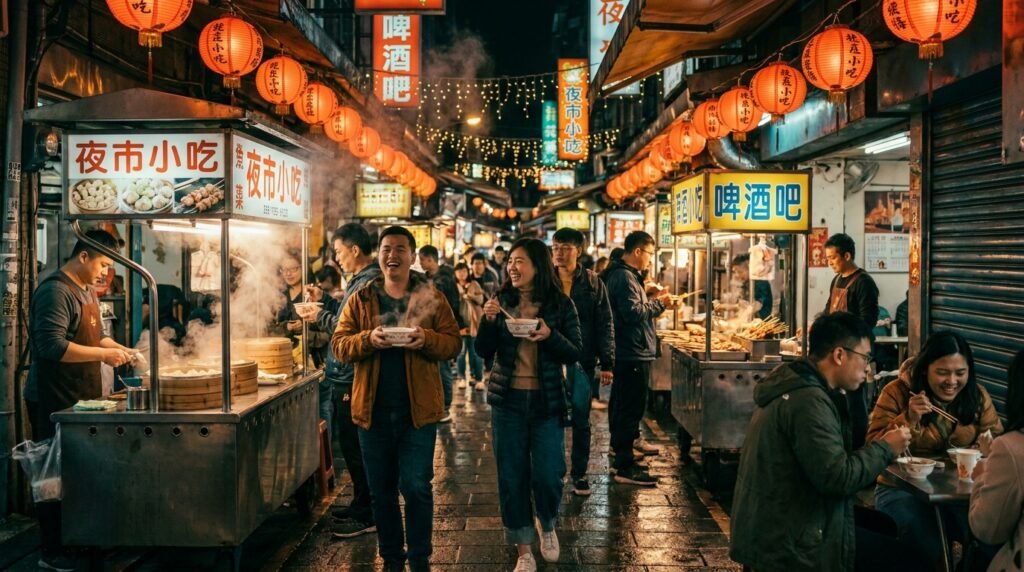
The city is a living, breathing entity — pulsing with energy that is both chaotic and deeply intoxicating. From serendipitous commute encounters to quiet neighborhood parks, living in a metropolis is a deliberate choice to engage with the world at its most intense.
01 — Opportunity
The Magnetism of Opportunity
At the heart of every great city is a profound concentration of human endeavor. Cities are the engines of the global economy, offering incredibly diverse career landscapes difficult to find elsewhere. The proximity to industry leaders, tech incubators, and creative hubs fosters an environment of constant innovation. Networking isn’t just an activity — it’s a byproduct of simply existing in these spaces. However, this intense opportunity drives residents to constantly adapt and refine their skills in the fast-paced urban arena.
02 — Culture
A Melting Pot of Cultures
One of the most enriching aspects of city life is its sheer diversity. Walking down a single block can expose you to a half-dozen languages, distinct architectural styles, and an array of global cuisines. This cultural density encourages open-mindedness and provides a daily education in global perspectives. From bustling street food markets to world-renowned museums, cities offer a cultural buffet that constantly challenges and expands your worldview — making everyday life a continuous journey of discovery.
Zoo Doku
03 — Challenges
Navigating the Concrete Jungle
Despite its many perks, urban living is not without its trials. The cost of living in major cities often requires significant financial gymnastics, and the sheer volume of people can lead to daily friction — crowded transit, relentless ambient noise. There is also the paradox of urban solitude: feeling isolated despite being surrounded by millions. Thriving in a city requires resilience, finding your micro-community, and carving out personal space within the public sphere.
04 — Future
The Evolution of Urban Spaces
As we look toward the future, the concept of the city is rapidly evolving. The push for sustainability is transforming concrete jungles into greener, more livable environments. Pedestrian-only zones, expanded transit networks, and smart technologies are reshaping how we interact with our urban surroundings. Embracing these changes is essential as cities strive to balance rapid growth with the well-being of their inhabitants — crafting a future where city life is both dynamic and sustainable.
05 — Wellness
Finding Balance in the Urban Hustle
Amid the relentless pace of city life, the pursuit of mental and physical well-being has become a defining challenge for urban dwellers. The modern metropolis has responded with an explosion of wellness culture — rooftop yoga studios, community running clubs, and green corridors carved into dense neighborhoods. Yet true balance is less about facilities and more about intention. Urban wellness means learning to decompress in pocket parks, savoring slow mornings in local cafés, and recognizing when the city’s energy fuels you — and when it quietly drains you.
06 — Nightlife
The City After Dark
When the sun dips below the skyline, the city doesn’t sleep — it simply shifts registers. Urban nightlife is its own ecosystem: jazz cellars humming with improvisation, late-night food markets glowing under string lights, and rooftop bars where strangers become temporary confidants. This nocturnal dimension is more than entertainment; it is where a city’s creative soul tends to surface most freely. The night economy sustains artists, musicians, chefs, and performers whose contributions to urban culture are often invisible by daylight but absolutely essential to the city’s identity.
07 — Community
Building Roots in a Transient World
Cities are famous for their anonymity, yet paradoxically they are also where some of the world’s most tightly knit communities form. Neighborhood associations, cultural festivals, community gardens, and independent bookshops become anchors of belonging amid constant flux. The secret to putting down roots in an urban environment is deliberate participation — showing up to the farmers’ market, joining a local chorus, volunteering at the corner library. Community in the city is rarely inherited; it is constructed, brick by brick, from shared rituals and chosen proximity.
08 — Mobility
The Art of Getting Around
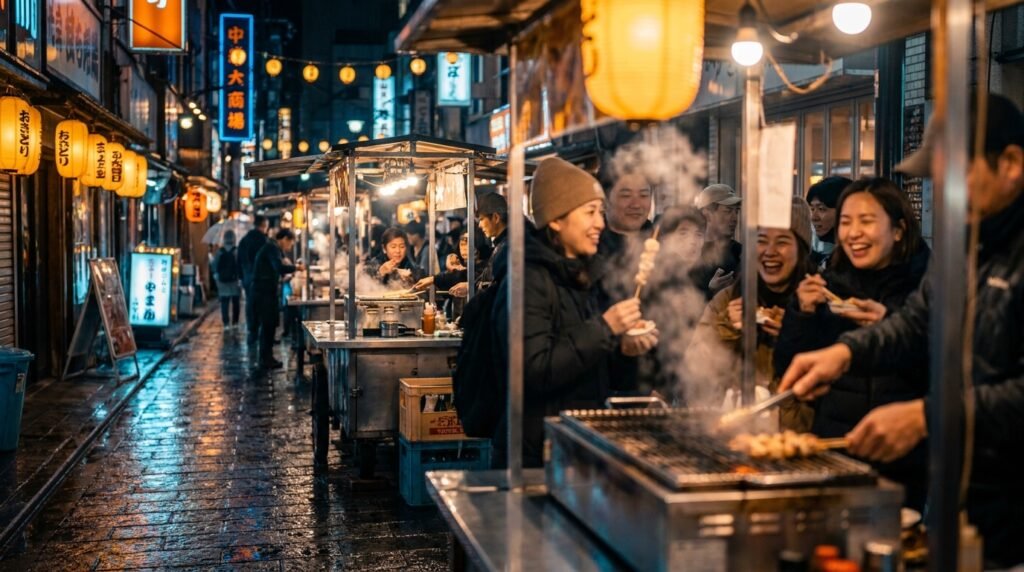
How a city moves reveals everything about its character. A well-designed transit network is the circulatory system of urban life, determining who can access opportunity, culture, and green space — and who cannot. The rise of cycling infrastructure, walkable mixed-use districts, and on-demand mobility is quietly reshaping the geography of cities, compressing distances and dissolving the old boundaries between neighborhoods. For the urban resident, mastering mobility — knowing when to walk, when to ride, when to take the subway — is itself a form of local fluency, transforming commutes from dead time into genuine encounters with the living city.
#CityLife#UrbanLiving#Metropolis#Cityscape#UrbanCulture#UrbanWellness#NightLife#CityMobility
https://www.teepublic.com/t-shirt/50403076-miss-lavender-n2?store_id=2851997
dubstep music dubstep music trance music Monaco Travel Guide: Top Attractions & Best Time to Visit