From Southern classics and Korean double-fried wings to healthier air-fryer versions — explore the global origins, expert techniques, and irresistible recipes that make fried chicken the world’s most beloved comfort food.
Explore the rich history, diverse recipes, and expert tips for creating the perfect fried chicken. From Southern classics to Korean innovations, discover healthier alternatives and mouthwatering variations.
Fried chicken occupies a unique place in global cuisine. It is at once humble and indulgent, comforting yet endlessly adaptable. Whether you prefer a shattering, crispy crust or a delicately seasoned bite, understanding how fried chicken developed—and how to prepare it properly—can transform a simple meal into a memorable experience. This guide traces its history, examines essential techniques, and offers recipes and healthier alternatives to help you master this iconic dish.
The History and Evolution of Fried Chicken
Origins of Fried Chicken Around the World
Although many associate fried chicken primarily with the American South, the technique of frying poultry predates modern Southern fried chicken by centuries and spans multiple continents. In West Africa, cooks long ago developed methods of frying chicken in palm oil, often heavily seasoned and served for celebrations. These traditions traveled to the Americas through the transatlantic slave trade, profoundly influencing how the dish evolved in the United States.
In medieval Europe, particularly in Scotland, cooks were known to pan-fry chicken in fat rather than boiling or roasting it. Scottish immigrants brought this habit to the American colonies, where it intersected with African culinary expertise in seasoning and deep-frying. Enslaved African cooks perfected methods of marinating, dredging, and frying, laying the foundation for what many now recognize as Southern fried chicken.
https://www.teepublic.com/t-shirt/50082227-tiger?store_id=2851997
Other regions developed parallel traditions. In Japan, karaage—small, marinated pieces of chicken coated in starch and deep-fried—became popular in the 20th century, prized for its light, crackling exterior. In Southeast Asia, from the Philippines’ fried chicken adobo to Thailand’s garlicky, coriander-scented wings, cooks created their own flavorful versions. Each culture adapted the same basic idea—crispy fried chicken—to local ingredients, fats, and spices.
Modern Interpretations and Popularity
Today, fried chicken is a global phenomenon. Fast-food chains have made it ubiquitous, yet independent restaurants and home cooks continue to innovate. Chefs experiment with brines infused with aromatics, batters enriched with carbonated water, and crusts incorporating everything from rice flour to crushed cornflakes. The result is an astonishing range of textures and flavors, all built on the same core principles.
Contemporary interpretations include Nashville hot chicken, coated in a fiery chili oil; Japanese-style chicken sandwiches with fluffy milk bread; and fusion creations that incorporate spices from Indian, Mexican, or Middle Eastern cuisines. Social media has accelerated trends, with viral recipes promising the “best fried chicken” or novel methods for extra crunch.
At the same time, growing health consciousness has inspired new approaches. Oven-baked methods, air-fried versions, and lighter coatings attempt to deliver the satisfaction of crispy fried chicken with less oil and fewer calories. Despite these shifts, the allure of perfectly fried chicken—deeply seasoned, juicy within, and crisp without—remains undiminished.
Exploring Coffee in 2026: From Coffee Origine to Wall Street Commodities
Top 5 Superfoods for Brain Power
Venice Travel Guide: Top Attractions and Hidden Gems
Perfecting the Art of Fried Chicken
Key Ingredients for Delicious Fried Chicken
Producing consistently excellent fried chicken begins with a thoughtful selection of ingredients. Each component—chicken, seasoning, coating, and cooking fat—plays a distinct role in flavor and texture.
1. The Chicken
Bone-in, skin-on pieces are ideal for traditional fried chicken recipes. Thighs and drumsticks are particularly forgiving because their higher fat content keeps them moist during frying. Breasts can be delicious as well, but they require careful timing to prevent dryness. For uniform cooking, choose similarly sized pieces or separate batches by cut.
2. Brine or Marinade
Brining introduces flavor and helps the meat retain moisture. A classic buttermilk soak—often seasoned with salt, black pepper, garlic, paprika, or hot sauce—tenderizes the chicken and encourages the coating to adhere. As a rule of thumb, marinate for at least 4 hours and up to 24 hours, refrigerating throughout. Alternatively, a simple salt-and-sugar wet brine or a yogurt-based marinade (common in some global cuisines) can achieve similar tenderness.
3. The Coating
The coating delivers that coveted crispy exterior. All-purpose flour is standard, but combining it with cornstarch or potato starch produces an even lighter, crisper crust. Seasoning the flour mixture is essential: salt, pepper, paprika, onion and garlic powder, cayenne, dried herbs, and even a pinch of baking powder can elevate the result. Double-dredging—dipping marinated chicken in flour, back into buttermilk, then into flour again—creates a robust crust with extra crunch.
4. Seasoning Strategy
Layered seasoning distinguishes exceptional fried chicken from the ordinary. Season both the meat and the coating; do not rely on the crust alone. Salt the brine generously, flavor the coating, and consider finishing with a light sprinkle of fine salt immediately after frying. This multi-step approach ensures that every bite is well seasoned, not just the outer layer.
5. Frying Fat
The choice of fat influences both flavor and performance. Neutral, high-smoke-point oils such as peanut, canola, sunflower, or refined vegetable oil are ideal for deep-frying. Some Southern cooks blend vegetable oil with a small amount of rendered lard or chicken fat for additional richness. Maintain an oil temperature between 325°F and 350°F (163°C and 177°C) for optimal browning and juiciness.
Step-by-Step Guide to Frying
Once you understand the principles, the process of making crispy fried chicken becomes systematic. The following method offers a reliable framework you can adapt to your preferred seasoning profile.
Step 1: Prep and Marinate
Pat the chicken pieces dry with paper towels. Whisk together buttermilk (or your chosen acidic dairy), salt, spices, and optional hot sauce. Submerge the chicken completely, cover, and refrigerate for several hours or overnight. This step builds flavor and tenderness.
Step 2: Prepare the Coating
In a large bowl, combine flour with cornstarch or potato starch in a roughly 3:1 ratio. Season generously with salt and spices. For a highly textured crust, use your fingers to rub small clumps of the seasoned flour together; these irregular bits adhere to the chicken and become extra-crispy flakes when fried.
Step 3: Dredge the Chicken
Remove the chicken from the marinade, allowing excess liquid to drip off without wiping it completely. Dredge each piece in the flour mixture, pressing firmly to ensure coating on all sides. For an especially thick crust, return each piece briefly to the buttermilk before dredging again in the flour. Place coated pieces on a wire rack and let them rest for 10–15 minutes to help the crust set.
Step 4: Heat the Oil
Pour oil into a heavy-bottomed pot, Dutch oven, or deep skillet, filling it no more than halfway. Attach a thermometer and heat the oil to approximately 350°F (177°C). As the chicken is added, the temperature will drop; your goal is to maintain a range of 325–350°F throughout cooking.
Step 5: Fry in Batches
Carefully lower a few pieces of chicken into the hot oil, avoiding overcrowding, which can cause the temperature to plummet and the coating to absorb excess oil. Fry, turning occasionally, until deeply golden brown and cooked through. Dark meat often takes 12–15 minutes, while smaller pieces and white meat may cook faster. The internal temperature should reach 165°F (74°C).
Step 6: Drain and Rest
Transfer the fried chicken to a wire rack set over a baking sheet, rather than directly onto paper towels. This prevents steam from softening the crust. Lightly season with a final pinch of salt if needed. Allow the chicken to rest for about 5–10 minutes before serving so the juices redistribute without sacrificing crispiness.
Step 7: Serve
Serve your crispy fried chicken immediately, while the crust is at its peak. Classic accompaniments include coleslaw, biscuits, mashed potatoes, or pickles, but it also pairs beautifully with fresh salads, grain dishes, and a wide variety of sauces.
Fried Chicken Recipes from Around the Globe
Southern Style Fried Chicken
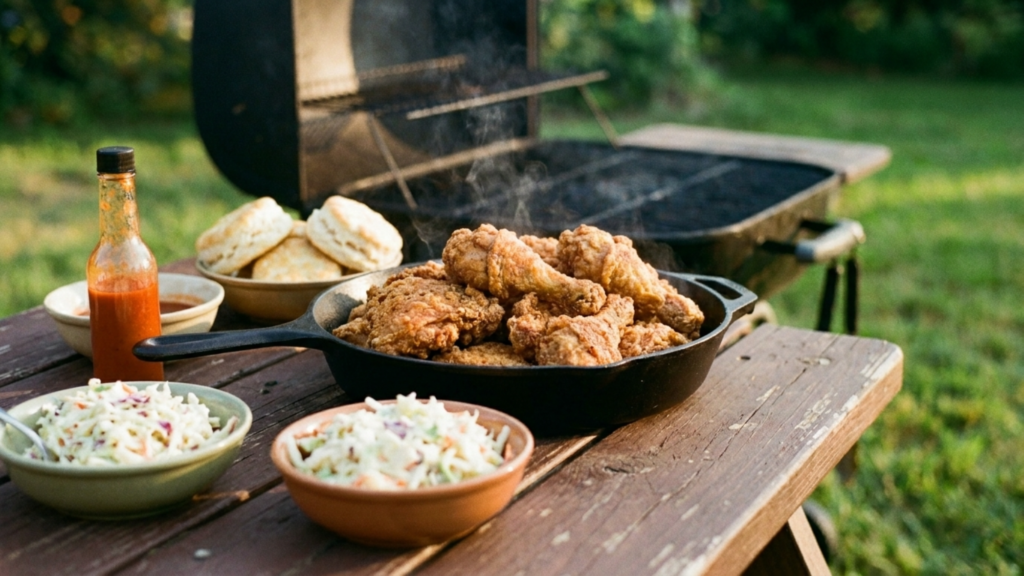
Southern fried chicken is the archetype for many people: deeply seasoned, with a craggy, golden crust and succulent interior. The technique reflects centuries of refinement and an emphasis on comfort and hospitality.
Flavor Profile
The hallmark of Southern fried chicken is balanced seasoning. Salt and black pepper form the base, with paprika, garlic powder, onion powder, and cayenne often added for warmth rather than overpowering heat. The buttermilk marinade contributes subtle tang and tenderizes the meat, while the flour coating provides a substantial, crunchy exterior.
Method Overview
1. Marinate: Soak chicken pieces in buttermilk seasoned with salt, pepper, and a generous amount of hot sauce for at least 4 hours.
2. Seasoned Flour: Combine flour with salt, black pepper, paprika, garlic and onion powders, and a touch of cayenne.
3. Dredge: Coat the marinated chicken thoroughly in the seasoned flour; double-dip for a thicker crust if desired.
4. Fry: Deep-fry in peanut or vegetable oil at 325–350°F until cooked through and a deep golden brown.
5. Rest and Serve: Drain on a rack and serve hot, traditionally with biscuits, gravy, or collard greens.
To adapt this classic for different palates, vary the spice blend. Smoked paprika lends a subtle barbecue note, while additional cayenne or chili flakes create a more assertive heat. This approach offers a foundational template for many other fried chicken recipes.
Korean Fried Chicken: A Spicy Twist
Korean fried chicken has achieved international acclaim for its astonishing crispiness and bold, glossy sauces. Often referred to as “KFC” in Korea, it differs from Southern versions in both technique and flavor, yet shares the same core appeal.
Distinctive Characteristics
Korean fried chicken is typically made with smaller pieces—often wings or boneless chunks—and uses a lighter, thinner coating. Cornstarch or potato starch is commonly incorporated to create an exceptionally crunchy, glass-like crust. Another defining feature is double-frying: chicken is fried once to cook through, then fried a second time at a higher temperature to drive out surface moisture and intensify the crispness.
Classic Yangnyeom (Sweet-Spicy) Style
1. Marinate: Toss chicken pieces with salt, pepper, minced garlic, and a splash of rice wine or soy sauce; rest briefly.
2. Coating: Dredge in a mixture of flour and potato or cornstarch. Some recipes use a very light batter with ice-cold water to enhance crispness.
3. First Fry: Fry at a moderate temperature (around 325°F / 163°C) until cooked through and pale golden. Remove and drain.
4. Second Fry: Increase oil temperature to about 350–375°F (177–191°C) and fry again until the chicken is deeply golden and very crisp.
5. Sauce: Prepare a glaze with gochujang (Korean chili paste), garlic, soy sauce, rice vinegar, and sugar or honey. Toss the hot chicken in the sauce or drizzle it just before serving.
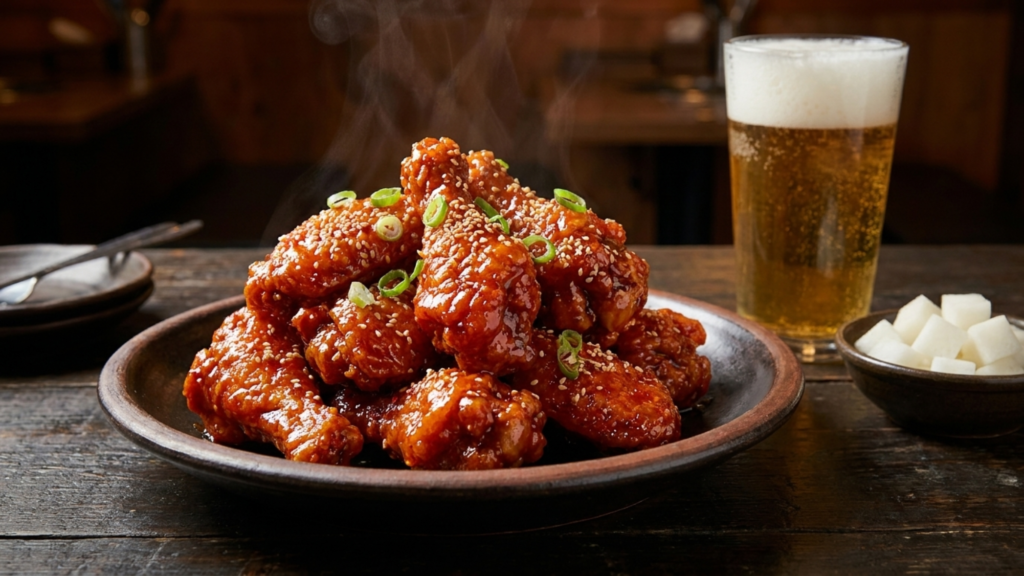
Korean fried chicken is often served with pickled radish and enjoyed with beer, a pairing so beloved it has its own name: chimaek (chicken and beer). The approach demonstrates how a carefully engineered crust and thoughtfully balanced sauce can elevate fried chicken into a sophisticated bar or party food.
Healthier Alternatives and Cooking Tips
Oven-Baked Fried Chicken
For those seeking a healthier fried chicken option without sacrificing too much crunch, oven-baked techniques can be highly effective. While the texture may differ slightly from deep-fried versions, proper preparation yields a pleasingly crispy exterior and moist interior.
Key Principles
The objective is to mimic the crispness of frying by using high, dry heat and a well-constructed coating. Reduction of added oil significantly lowers the fat content while still delivering satisfying results.
Method Overview
1. Marinate or Brine: Use a buttermilk or yogurt-based marinade to keep the chicken tender and flavorful.
2. Coating: Combine whole-wheat or regular breadcrumbs with crushed cornflakes or panko for enhanced crunch. Season thoroughly with salt, pepper, herbs, and spices. Lightly mist the crumbs with oil to encourage browning.
3. Prep the Pan: Place a wire rack on a baking sheet and lightly coat it with oil. Elevating the chicken allows hot air to circulate for more even crisping.
4. Dredge and Arrange: Shake excess marinade off the chicken, press it firmly into the crumb mixture, and arrange pieces on the rack without crowding.
5. Bake: Cook in a preheated oven at 400–425°F (204–218°C) until golden brown and cooked through, typically 35–45 minutes depending on size. Turn once halfway for even color.
To further enhance nutrition, remove the skin before coating, opt for leaner cuts such as bone-in breasts, and pair the dish with roasted vegetables or a vibrant salad. This approach provides a balanced alternative to traditional fried chicken while preserving much of its appeal.
Air Fryer Techniques for Crispiness
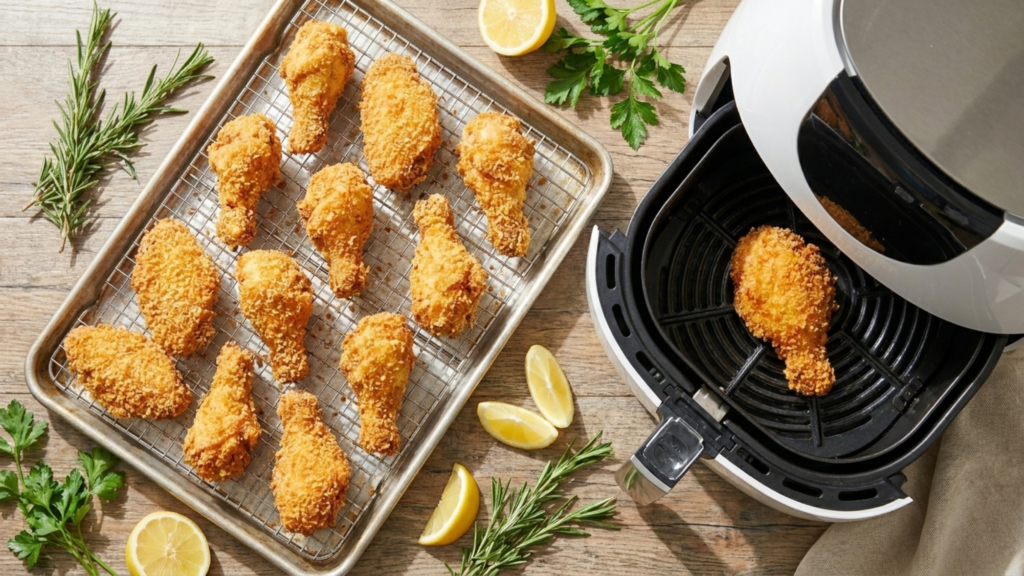
Air fryers have become popular for creating “fried” foods with dramatically less oil. By circulating hot air at high speed, they approximate the effect of deep-frying while requiring only a light coating of fat. When used properly, they can produce remarkably crispy fried chicken.
Advantages of Air Frying
Air fryers reduce oil consumption and often shorten cooking time. They are convenient for small batches and avoid the mess of large quantities of hot oil. For many home cooks, they offer a practical way to enjoy healthy fried chicken on a regular basis.
Technique for Air Fryer Fried Chicken
1. Marinate: Use a standard buttermilk or seasoned yogurt marinade to keep the meat moist and flavorful.
2. Coating: Opt for a light flour or breadcrumb coating. Excess dry flour can become powdery in an air fryer, so press the coating on well and shake off the surplus.
3. Preheat: Preheat the air fryer to 375–390°F (190–199°C) for optimal crisping.
4. Arrange and Oil: Lightly brush or spray the coated chicken with oil to encourage browning. Place pieces in a single layer in the basket, ensuring airflow around each piece.
5. Cook and Turn: Cook for 20–30 minutes depending on size, flipping halfway through. Check for an internal temperature of 165°F (74°C). If necessary, add a few extra minutes for deeper color and additional crunch.
To refine the texture further, experiment with mixtures of panko breadcrumbs and a small amount of flour, or incorporate finely grated hard cheese such as Parmesan into the coating for added flavor and browning. The result is a version of crispy fried chicken that fits more comfortably into everyday eating habits.
Whether you choose oven-baked or air-fried methods, the same principles apply: well-seasoned meat, thoughtfully constructed coatings, and appropriate temperatures are the cornerstones of excellent results. These techniques demonstrate that enjoying the essence of fried chicken need not be limited to deep-frying alone.
Conclusion
Fried chicken has traveled a long path from its diverse global origins to its current status as a beloved staple in homes and restaurants worldwide. Its evolution reflects cultural exchange, innovation, and a shared desire for food that is both comforting and deeply satisfying. Mastery of key elements—quality ingredients, proper marination, precise cooking temperatures, and well-structured coatings—allows any cook to produce tender, crispy fried chicken with confidence.
From classic Southern fried chicken to the vibrant, double-fried crunch of Korean fried chicken, each variation offers a distinct expression of the same fundamental idea. At the same time, modern techniques such as oven-baking and air frying make it possible to enjoy healthier versions without relinquishing the pleasures of a crisp, flavorful crust.
By understanding the history, techniques, and global diversity of fried chicken recipes, you can refine your own approach, experiment with new flavor profiles, and ultimately craft the version that feels like the “best fried chicken” to you and those you cook for.
#FriedChicken#ComfortFood#KoreanFriedChicken#SouthernCooking#CrispyRecipes