
Introduction
Chiang Mai distills the essence of northern Thailand: gilded temples, forested mountains, hilltribe villages, and a historic Old City wrapped in crumbling brick walls and moats. Slower-paced and more intimate than Bangkok, it offers a compelling blend of culture, cuisine, wellness, and adventure. Whether you come for meditation retreats, café-hopping, or trekking among misty peaks, Chiang Mai rewards travelers who linger.
This guide covers the best time to visit, where to stay, what to eat, how to get around, and the practical details you need to plan a well-balanced itinerary in northern Thailand’s cultural capital.
Best Time to Visit Chiang Mai
Weather Overview
Chiang Mai has a tropical savanna climate with three distinct seasons rather than four. Timing your visit around these patterns significantly shapes your experience.
-
Cool and dry season (November–February)
This is the most pleasant and popular time to visit. Daytime temperatures hover around 25–28°C (77–82°F), with cooler evenings. Skies are usually clear, humidity is lower, and conditions are ideal for temple-hopping, day trips, and trekking. Accommodation prices and visitor numbers peak over Christmas, New Year, and Chinese New Year. -
Hot season (March–May)
Temperatures often rise above 35°C (95°F), especially in April. The heat can be intense in the afternoons, making early morning and evening the most comfortable times for sightseeing. Air conditioning becomes essential. This period overlaps with the burning season (typically February–April), when agricultural burning in the region can cause heavy haze and poor air quality. -
Rainy season (June–October)
Monsoon rains bring lush green landscapes, full waterfalls, and fewer tourists. Showers are usually short, heavy downpours in the afternoon or evening rather than all-day storms. Temperatures remain warm (around 28–32°C / 82–90°F), and humidity is high. If you do not mind rain and want better deals on hotels and tours, this is a good value period.
For most travelers, November through early February offers the most comfortable combination of climate, clear skies, and outdoor opportunities.
Festivals and Events
Chiang Mai’s festival calendar is one of its greatest draws. Planning your trip around these events can transform a regular visit into an unforgettable cultural immersion.
-
Loy Krathong & Yi Peng (usually November)
Often called the Lantern Festival, this is Chiang Mai’s signature event. Locals float decorated lotus-shaped baskets (krathong) on rivers and release glowing paper lanterns into the sky as an act of letting go and renewal. Temples, bridges, and the Ping River banks glitter with candles. It is atmospheric, busy, and deeply photogenic—book accommodation well in advance. -
Songkran (Thai New Year, 13–15 April)
Marked by large-scale water fights, processions, and ceremonies at temples, Songkran in Chiang Mai is particularly exuberant. Locals and visitors alike arm themselves with water guns and buckets. Traditional rituals—such as gently pouring water over Buddha images and elders’ hands—take place in parallel. Expect road closures, noise, and soaked clothing; waterproof bags are essential. -
Flower Festival (first weekend in February)
Celebrating the cool season blooms, this festival features elaborate flower-covered floats, parades, and exhibitions in parks. The city’s public spaces are meticulously decorated, and it is a gentler, more family-friendly event compared to Songkran. -
Winter and cultural fairs
From local craft markets to music and food festivals at trendy venues like One Nimman or Jing Jai Market, Chiang Mai hosts smaller events year-round. Check local listings or ask at your hotel for what is on during your visit.
Top Attractions in Chiang Mai
Must-See Temples
Chiang Mai’s identity is inseparable from its Buddhist heritage. The city and surrounding hills hold hundreds of temples (wats), many still active monastic centers. Prioritize a few to avoid “temple fatigue” and take time to absorb the details.
-
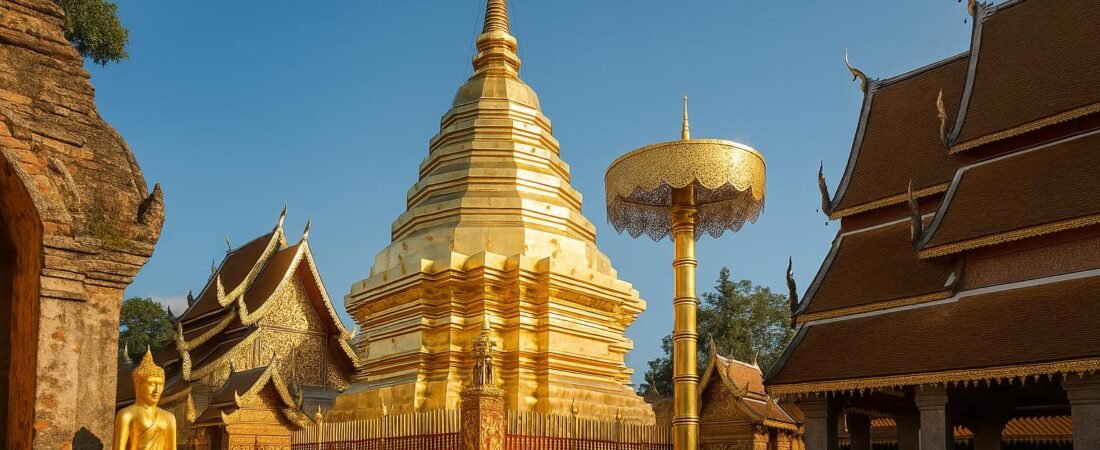
Wat Phra That Doi Suthep
Perched on a mountaintop west of the city, this is Chiang Mai’s iconic temple. A serpentine staircase leads to a golden chedi said to enshrine a relic of the Buddha. On clear days, you have sweeping views over the city and surrounding plains. Visit early morning or late afternoon to avoid crowds and midday glare. -
Wat Chedi Luang
Located in the Old City, this temple is known for its partially ruined but imposing Lanna-style chedi, once one of the tallest structures in ancient Chiang Mai. The complex includes several shrines, a city pillar, and opportunities for monk chats where visitors can converse informally with novice monks. -
Wat Phra Singh
A fine example of classic Lanna architecture, Wat Phra Singh houses an important Buddha image and boasts intricately carved wooden structures and murals. It is especially atmospheric during the late afternoon when the light softens and locals come to make merit. -
Wat Chiang Man
The oldest temple in the city, Wat Chiang Man features an elephant-supported chedi and serene grounds. It is usually quieter than the major temples, making it a pleasant stop for those seeking a more contemplative environment.
Natural Wonders and Outdoor Activities
Beyond the city walls, Chiang Mai is framed by mountains, national parks, waterfalls, and rural villages. The region is a gateway to northern Thailand’s outdoors.
-
Doi Inthanon National Park
Home to Thailand’s highest peak, Doi Inthanon offers cool temperatures, cloud forests, waterfalls, and nature trails. Visit the summit pagodas, explore the Ang Ka Nature Trail, and stop at viewpoints overlooking the misty valleys. Birdwatching is excellent, especially in the cool season. -
Elephant sanctuaries (choose ethical options)
Many travelers pursue elephant experiences near Chiang Mai. Only support sanctuaries that prohibit riding, performances, and chains, and that prioritize rescue and rehabilitation. Ethical visits typically include observing elephants foraging, walking alongside them, and learning about their care rather than direct interaction. -
Trekking and hilltribe villages
Multi-day treks through the hills west and north of the city take you through forests, rice terraces, and small villages inhabited by Karen, Hmong, and other ethnic communities. Choose reputable operators that emphasize responsible tourism, fair compensation, and respect for local cultures rather than staged experiences. -
Waterfalls and nature escapes
Within easy reach are waterfalls such as Mae Sa, Bua Thong (the “Sticky Waterfall”), and the cascades inside Doi Suthep–Pui National Park. Many locals head to nearby riverside spots and natural pools to picnic and cool off at weekends. -
Adventure sports
From zip-lining through forest canopies to mountain biking, rock climbing, and white-water rafting in the rainy season, Chiang Mai supports a range of adventure activities. Always vet operators for safety standards and insurance coverage.
Where to Stay in Chiang Mai
Best Neighborhoods
Chiang Mai’s compact size makes it relatively straightforward to choose a base, but different neighborhoods offer distinct atmospheres and conveniences.
-
Old City (Historic Center)
Enclosed by remnants of walls and a moat, the Old City is walkable and atmospheric, with many guesthouses, boutique hotels, temples, and cafés. It is ideal for first-time visitors who want to be close to cultural sights, Sunday Walking Street, and traditional markets. -
Nimmanhaemin (Nimman)
West of the Old City near Chiang Mai University, Nimman is a modern, creative quarter full of stylish cafés, co-working spaces, galleries, and nightlife. It suits digital nomads and travelers who prioritize dining, coffee culture, and a contemporary vibe over historical ambience. -
Riverside (Ping River)
Along the Ping River, you will find more spacious resorts, boutique properties, and scenic restaurants. This area offers a calmer environment while remaining a short ride from the Old City. It is a good choice for couples and families seeking a slower pace. -
Night Bazaar area
Between the Old City and the river, this district centers on the nightly market with its stalls selling crafts, souvenirs, and street food. Accommodation ranges from budget hotels to mid-range properties. It is convenient for shoppers and those who enjoy an energetic atmosphere. -
Hang Dong & suburban retreats
South and west of the city center, semi-rural neighborhoods host villa-style resorts, yoga retreats, and long-stay accommodations. These suit travelers wanting space, greenery, and quieter surroundings—particularly those comfortable using scooters or ride-hailing apps.
Recommended Accommodations
Options in Chiang Mai range from simple hostels to luxury resorts. Specific availability and ownership change frequently, but the following categories outline what to expect.
-
Budget guesthouses and hostels
Concentrated in the Old City and around the Night Bazaar, these offer dorm beds and basic private rooms. Many include communal spaces, tour desks, and bike rentals. They are ideal for solo travelers and backpackers aiming to keep costs low while remaining central. -
Boutique hotels and design stays
Chiang Mai excels in small-scale, design-focused properties with Lanna-inspired décor, inner courtyards, and pools. These are found throughout the Old City, Nimman, and the riverside. They offer a strong sense of place without the formality of large resorts. -
Riverside and resort-style properties
Along the Ping River and in suburban areas like Mae Rim or Hang Dong, you will find resorts with gardens, spas, and on-site restaurants. These are well suited to families, honeymooners, and wellness-focused visitors who plan to spend downtime on the property. -
Apartments and long-stay residences
Thanks to its popularity with digital nomads, Chiang Mai offers serviced apartments and condominium rentals with monthly rates. Neighborhoods like Nimman and Santitham are especially popular for extended stays, offering good access to supermarkets, cafés, and transport.
Food and Dining Options
Traditional Dishes to Try
Northern Thai cuisine is distinct from the flavors of Bangkok and the south. It emphasizes aromatic herbs, grilled meats, sticky rice, and complex, often less-sweet curries.
-
Khao Soi
The signature dish of Chiang Mai: egg noodles in a rich, curry-like coconut broth, topped with crispy noodles, pickled mustard greens, shallots, and lime. It is usually served with chicken but sometimes with beef or tofu. Sampling khao soi from several kitchens quickly becomes a delicious obsession. -
Nam Prik Ong & Nam Prik Noom
These chili dips represent classic northern flavors. Nam prik ong is a tomato and minced pork chili relish, while nam prik noom is based on roasted green chilies. Both are eaten with sticky rice and an assortment of boiled or raw vegetables, pork crackling, and sausage. -
SaI Ua (northern sausage)
A fragrant grilled pork sausage spiced with lemongrass, kaffir lime leaves, galangal, and chilies. Often sliced and served with sticky rice and dips, it appears frequently at markets and food stalls. -
Gaeng Hung Lay
A Burmese-influenced curry, mild and aromatic, made with pork belly, garlic, ginger, tamarind, and spices. It lacks coconut milk and leans more savory and tangy than typical central Thai curries. -
Khao Niao (sticky rice) and sweets
Sticky rice accompanies many savory dishes. For dessert, look for mango sticky rice in season, coconut-based sweets, and crispy roti pancakes filled with banana or egg.
Popular Restaurants and Street Food Spots
Chiang Mai caters to every palate, from humble noodle stalls to refined tasting menus. Exploring both street food and restaurants provides the most complete picture of the city’s culinary scene.
-
Street food markets
The Sunday Walking Street in the Old City and the Saturday Night Market on Wualai Road serve an array of regional specialties, grilled skewers, desserts, and drinks. Smaller local markets, such as Chang Phuak Gate Night Market, are renowned for khao kha moo (stewed pork leg over rice) and other staples. -
Casual northern Thai eateries
Simple, family-run restaurants throughout the Old City and Nimman offer excellent khao soi, curries, and stir-fries at modest prices. Often the most memorable meals come from unassuming venues popular with locals; follow the crowds and rotating pots of curries. -
Vegetarian and vegan cafés
Chiang Mai is particularly accommodating for plant-based travelers. Numerous vegetarian restaurants and smoothie bowl cafés cluster around Nimman and the Old City, serving creative takes on Thai dishes alongside international options. -
Contemporary and fine-dining experiences
Several chefs in Chiang Mai are reinterpreting regional ingredients through tasting menus and modern presentations. Riverside and Old City venues often pair inventive cuisine with curated wine lists and design-forward spaces. -
Coffee culture
Northern Thailand’s coffee-growing highlands fuel a sophisticated café scene. Independent roasters and specialty coffee shops in Nimman and the Old City make Chiang Mai a favorite among remote workers and aficionados seeking single-origin beans and carefully prepared brews.
Budgeting for Your Trip
Cost of Accommodation
Chiang Mai is generally more affordable than many comparable destinations in Southeast Asia, though rates fluctuate with season and demand.
- Budget (hostels, simple guesthouses): Approximately 300–700 THB per night for a dorm bed or basic private room, with fan or air conditioning and often shared facilities.
- Mid-range hotels and boutique properties: Typically 1,000–2,500 THB per night for comfortable, well-located rooms with air conditioning, private bathrooms, and, in many cases, a small pool or breakfast included.
- High-end and luxury stays: From 3,000 THB per night upward for upscale boutique hotels, riverside resorts, and international brands offering spacious rooms, extensive amenities, and on-site dining.
During peak periods such as Loy Krathong, New Year, and major festivals, expect higher prices and limited availability; advance booking is strongly recommended.
Estimated Daily Expenses
Daily costs depend heavily on your style of travel. The following estimates exclude flights and major shopping.
-
Budget traveler: Around 800–1,500 THB per day
Staying in hostels or budget guesthouses, eating mostly street food and local eateries, using shared transport or walking, and choosing a small number of paid attractions or group tours. -
Mid-range traveler: Around 1,800–3,500 THB per day
Accommodation in comfortable boutique hotels, a mix of street food and sit-down restaurants, occasional spa treatments, and day trips to national parks or elephant sanctuaries. -
Higher-end traveler: 4,000 THB and above per day
Upscale hotels or resorts, frequent restaurant dining with drinks, private tours, wellness experiences, and shopping for handicrafts or designer items.
Chiang Mai’s affordability makes it easy to upgrade parts of your trip—such as spending more on a memorable meal or a well-reviewed tour—without dramatically increasing your overall budget.
Getting Around Chiang Mai
Transportation Options
Chiang Mai’s compact center encourages walking and cycling, but several practical transport options help you explore further afield.
-
Songthaews (red trucks)
These shared pickup trucks with benches in the back function as flexible buses and taxis. Flag one down, tell the driver your destination, and they will either accept or decline based on their route. Fares within central areas are usually modest; clarify the price before boarding if it is not a standard shared ride. -
Tuk-tuks
Auto-rickshaws are faster and more private than songthaews but typically more expensive. Negotiate the fare in advance; there is no meter. They are best for short to medium distances around the center. -
Metered taxis and ride-hailing apps
Metered taxis are less common in Chiang Mai than in Bangkok, but ride-hailing services and motorbike taxis are widely used. These apps can be more transparent on pricing and convenient late at night or for trips to the airport and bus stations. -
Scooter and bicycle rental
Many visitors rent scooters to reach temples and nature spots. Only do so if you have prior experience, a valid license, and insurance. Helmets are legally required. Bicycles are useful within the Old City and some surrounding neighborhoods but less practical on busy roads. -
Private drivers and tours
For day trips to Doi Inthanon, Chiang Rai, or elephant sanctuaries, hiring a private driver or joining an organized tour is common. It is often the simplest way to cover multiple stops comfortably in one day.
Tips for Navigating the City
A few practical considerations make moving around Chiang Mai more efficient and pleasant.
-
Use offline maps
Download offline maps before heading out, especially if you plan to explore beyond the central districts. The Old City’s grid is easy to grasp, but surrounding neighborhoods can be disorienting. -
Plan around traffic
Traffic congestion intensifies during rush hours and festival periods. Allow extra time when heading to the bus station, airport, or train station, particularly in the late afternoon and early evening. -
Confirm prices in advance
For tuk-tuks and private songthaews, state your destination clearly and agree on the fare before departure to avoid misunderstandings. -
Comfort in the heat
Midday temperatures can be intense, particularly during the hot season. Group activities by area to minimize travel, and schedule outdoor sightseeing in the early morning or later in the day.
Travel Tips for Chiang Mai
Cultural Etiquette
Respecting local customs enhances your experience and that of those around you. Thai culture is generally polite, reserved, and rooted in Buddhist values.
-
Dress modestly at temples
Shoulders and knees should be covered when entering religious sites. Avoid tight, transparent, or revealing clothing. Remove hats and sunglasses. Many temples provide sarongs or shawls, but bringing your own is more reliable. -
Remove shoes when required
Always take off your shoes before stepping into temple buildings and sometimes into private homes or massage studios. Follow local examples and look for shoe racks outside entrances. -
Show respect for Buddha images and monks
Do not climb on statues or pose disrespectfully for photos. Women should avoid physical contact with monks and hand objects via an intermediary surface rather than directly. Keep your head lower than Buddha images when sitting nearby. -
Mind your feet and head
In Thai culture, the head is considered the most sacred part of the body and feet the least. Avoid touching people on the head or pointing the soles of your feet at others or at sacred objects. -
Keep interactions calm
Raising your voice or showing anger is frowned upon. If issues arise, speak politely and calmly; you are more likely to achieve a positive resolution.
Safety Tips and Common Scams
Chiang Mai is generally safe, with relatively low levels of violent crime. Standard travel precautions and awareness of common scams are usually sufficient.
-
Petty theft and valuables
Pickpocketing and bag-snatching are uncommon but possible in crowded markets and festivals. Use a money belt or secure bag, keep valuables out of sight, and store passports and extra cash in your hotel safe when not needed. -
Transport overcharging
While most drivers are honest, some may quote inflated prices, particularly around tourist hubs and late at night. Compare a few quotes when possible, or use ride-hailing apps for transparent fares. -
Tour and activity quality
Not all tours, elephant camps, or adventure operators maintain the same standards. Read recent reviews, ask detailed questions, and be cautious of offers that seem significantly cheaper than competitors. -
Motorbike safety
Road accidents are among the most common causes of injury for visitors. Only ride a scooter if you are competent, always wear a helmet, avoid alcohol, and ensure you have appropriate insurance coverage and a valid license. -
Health considerations
Tap water is not recommended for drinking. Stick to bottled or filtered water and be cautious with ice from unreliable sources. During burning season, air quality can drop; those with respiratory issues should monitor conditions, limit outdoor activity on poor-air days, and consider masks or air-purifying accommodation.
Conclusion
Chiang Mai combines spiritual heritage, natural beauty, and contemporary creativity in a way few cities match. You can spend your mornings exploring historic temples, your afternoons trekking to waterfalls or sipping single-origin coffee, and your evenings grazing through street markets or dining on refined reinterpretations of northern Thai cuisine.
By choosing the right season, neighborhood, and mix of experiences, you can shape Chiang Mai into a contemplative retreat, an adventurous base, or a culinary exploration. Plan thoughtfully, travel respectfully, and allow enough time—this is a city that reveals its charms gradually to those willing to stay and discover them.