
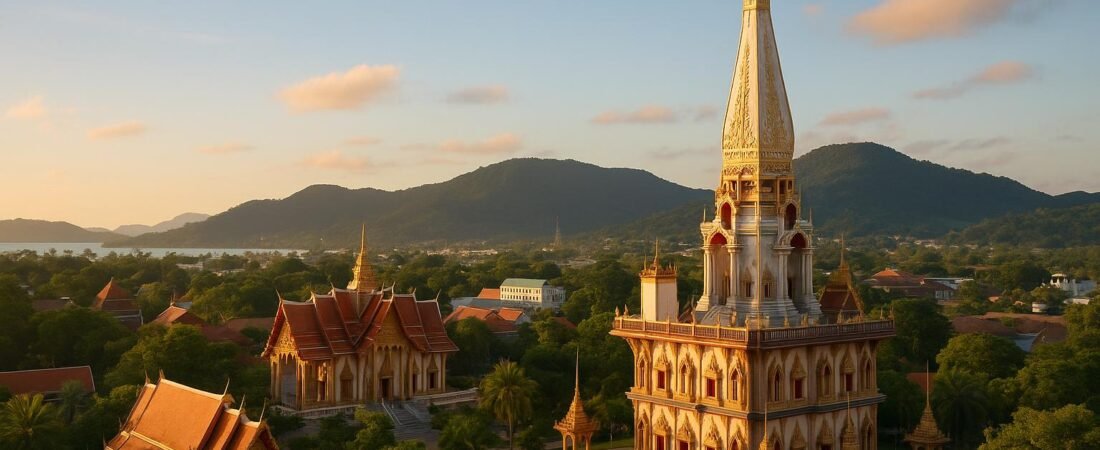
Phuket, Thailand’s largest island, combines idyllic beaches, lush interior landscapes and a dynamic cultural scene. Beyond its reputation for nightlife and resorts, Phuket offers richly layered experiences: Sino-Portuguese architecture in the Old Town, revered temples, marine national parks and hidden local eateries. This guide walks you through the practical details—when to go, where to stay, what to eat and how to get around—so you can plan a trip that goes far beyond the obvious.
Best Time to Visit Phuket
Climate and Weather Overview
Phuket has a tropical monsoon climate with two main seasons: dry and wet. Temperatures remain fairly consistent year-round, typically ranging between 24°C and 32°C (75°F to 90°F), but rainfall and sea conditions change dramatically by season.
- Dry season (November to April): Dominated by northeast monsoon winds, this period brings abundant sunshine, calmer seas and lower humidity. It is the prime time for beach days, island-hopping, snorkeling and diving.
- Transitional shoulder months (late October, early May): Weather can be mixed, with sunny mornings and brief afternoon showers. These months often balance reasonable conditions with fewer visitors.
- Rainy season (May to October): The southwest monsoon brings frequent showers and rougher seas, particularly on the west coast. Downpours are often intense but short, followed by bright intervals. Humidity is high, and some boat trips may be canceled due to safety concerns.
Sea conditions are a key consideration: strong currents and large waves are common during monsoon months, and red flag warnings on many beaches must be taken seriously.
Peak and Off-Peak Seasons
Phuket’s tourism calendar is as important as its climate, especially if you are sensitive to crowds or working within a strict budget.
- Peak season (December to February): This is the busiest and most expensive time, with clear skies, minimal rain and ideal beach conditions. Accommodation rates are at their highest, and popular areas such as Patong, Kata and Karon can feel crowded.
- High-but-not-peak (November, March, early April): Weather is generally excellent, yet crowds are slightly thinner than during the festive period. This is an excellent compromise between price and conditions.
- Off-peak (May to October): Expect significantly lower hotel prices, fewer tourists and a more relaxed atmosphere. However, rain and choppy seas can disrupt outdoor plans. Surfers often favor this period, particularly at Kata and Kalim beaches.
For most travelers, late November, early December and March are sweet spots, combining pleasant weather with manageable demand and more favorable pricing.
Top Attractions in Phuket
Must-Visit Beaches
Phuket’s coastline is diverse, ranging from lively resort strips to secluded coves. The best beach for you depends on your preferred pace.
- Patong Beach: Phuket’s most famous stretch of sand is known for its energetic vibe, watersports and nightlife. The beach is busy, the promenade is lined with bars and restaurants, and Bangla Road is the epicenter of evening entertainment. Ideal if you want to be in the heart of the action.
- Kata Beach: A crescent of soft sand and clear water, Kata offers a more family-friendly atmosphere than Patong while still providing plenty of restaurants and shops. The southern end is popular with surfers during the monsoon months.
- Karon Beach: One of the longest beaches on the island, Karon feels more spacious even at busy times. The sand here is pale and squeaks underfoot, and the shallow entry to the water suits swimmers and sunbathers alike.
- Kamala Beach: A quieter bay that attracts couples, retirees and families seeking a slower pace. The village retains a local feel, and the beach is great for sunset strolls. Nearby you will find beach clubs and laid-back bars.
- Nai Harn Beach: Tucked into the island’s south, Nai Harn is scenic, with azure water framed by headlands and a Buddhist temple nearby. It is less commercialized than the central west-coast beaches, yet still offers a handful of cafes and restaurants.
- Freedom Beach and Ya Nui: These smaller, more secluded spots reward those willing to travel a little further or undertake short walks. They are excellent for snorkeling in suitable sea conditions.
Beyond the main island, day trips to Phi Phi Islands or Phang Nga Bay reveal limestone cliffs, hidden lagoons and clear turquoise coves that are emblematic of the Andaman Sea.
Cultural and Historical Sites
Phuket is not only about beaches; its cultural landscape is rich and accessible.
- Big Buddha (Phra Phuttha Mingmongkol Akenakkiri): This towering white statue sits atop Nakkerd Hill, visible from many parts of the island. The viewpoint offers panoramic vistas over the southern bays. The site is a place of worship, so modest attire and respectful behavior are essential.
- Wat Chalong (Chalong Temple): The island’s most revered temple complex is dedicated to two highly respected monks. Intricate mosaics, pagodas and murals illustrate Buddhist teachings and local history. Visit in the morning for a quieter, more contemplative experience.
- Phuket Old Town: The historic quarter showcases Sino-Portuguese shophouses, pastel facades and ornate Chinese shrines. Streets such as Thalang, Soi Romanee and Dibuk are lined with cafes, galleries and boutique hotels. On Sundays, the walking street market (Lard Yai) adds food stalls, crafts and live music.
- Thai Hua Museum: Housed in a beautifully restored colonial building, this museum traces Phuket’s Chinese heritage and the island’s tin-mining past. It is a worthwhile stop for anyone interested in the island’s multicultural roots.
- Local markets: From the Chillva Market to small fresh markets around the island, these are excellent places to observe everyday life, sample regional snacks and buy local products.
Where to Stay in Phuket
Best Neighborhoods for Tourists
Choosing the right area dramatically shapes your experience. Each part of Phuket offers a distinct atmosphere.
- Patong: Best for nightlife, shopping and those wanting an energetic environment. You will find an abundance of mid-range and upscale hotels, budget guesthouses and easy access to tour operators. Not ideal if you prioritize tranquility.
- Kata and Karon: These neighboring beaches suit families, couples and first-time visitors seeking a balance between relaxation and convenience. Restaurants, shops and services are plentiful without being overwhelming.
- Kamala: Suited to travelers seeking a calmer setting with enough infrastructure for a comfortable stay. Several upscale resorts and beach clubs are located here, making it popular for longer holidays.
- Bang Tao and Laguna area: A long, relatively quiet beach north of Patong, Bang Tao hosts integrated resort complexes, luxury hotels, golf courses and beach clubs. It is favored by couples, honeymooners and digital nomads staying for extended periods.
- Nai Harn and Rawai: The south of the island retains a local ambiance, with fishing communities, small cafes and a low-rise, village-like feel. This area appeals to independent travelers and longer-stay visitors who value a slower rhythm.
- Phuket Town: Ideal if you are interested in culture, food and local life more than beaches. Boutique hotels and hostels sit within walking distance of markets, temples and historical streets. Beach trips require short drives or taxi rides.
Recommended Hotels and Resorts
Phuket’s accommodation options span every budget. The properties below are indicative, not exhaustive, and serve as a starting point for your search.
- Luxury:
- Amanpuri (Bang Tao area): A secluded, ultra-luxury resort set on a private headland, renowned for discreet service, wellness programs and exceptional design.
- Sri Panwa (Cape Panwa): Pool villas with sweeping views over the Andaman Sea, known for its rooftop bar and sophisticated ambiance.
- Trisara (Northwest coast): An exclusive hideaway with private pool villas, refined dining and a strong focus on privacy.
- Mid-range:
- Avista Grande Phuket Karon: A stylish, well-located property near Karon Beach with a good balance of comfort, facilities and value.
- Chanalai Flora Resort (Kata): Family-friendly with multiple pools, close to the beach and local restaurants.
- Kamala Beach Resort (Kamala): Adults-oriented, beachfront and relaxed, suitable for couples seeking a peaceful stay.
- Budget and boutique:
- The Memory at On On Hotel (Phuket Old Town): A historic property renovated into a charming boutique hotel with characterful interiors.
- Lub d Phuket Patong: A modern hostel-hotel hybrid with social spaces, ideal for solo travelers who want proximity to nightlife.
- Casa Blanca Boutique Hotel (Old Town): A small, elegant property in a prime location for exploring the heritage district.
When choosing accommodation, consider not only price and star rating, but also proximity to the activities you value most—whether that is beach time, diving, food tours or cultural excursions.
Food and Dining in Phuket
Traditional Dishes to Try
Phuket’s cuisine reflects a blend of Thai, Chinese, Malay and Peranakan influences. The island has been recognized by UNESCO as a “City of Gastronomy,” and its food scene justifies the title.
- Mee Hokkien Noodle: Stir-fried yellow noodles with seafood, pork, egg and vegetables in a savory broth or sauce. Often served with lime and chili for added brightness.
- Nam Prik Kung Siap: A spicy chili dip made with smoked shrimp, typically eaten with fresh or boiled vegetables. It is intensely flavorful and distinctly southern Thai.
- Lo Ba (Lobo): A local specialty of mixed pork offal and tofu, deep-fried and served with tangy-sweet dipping sauce. An adventurous yet rewarding street food choice.
- Oh Aew: A refreshing jelly dessert made from banana flour and seeds of a local plant, served with shaved ice and syrup. Popular as a cooling treat in the heat.
- Kanom Jeen (Fermented rice noodles): Thin noodles served with various curries, particularly nam ya (fish-based) and southern-style coconut curries, accompanied by a large selection of fresh herbs and vegetables.
- Southern Thai curries: Dishes such as gaeng som (sour curry), gaeng tai pla (fermented fish curry) and spicy beef or chicken curries are bolder and more fiery than central Thai counterparts.
Popular Restaurants and Street Food Spots
From humble stalls to acclaimed restaurants, Phuket offers a broad gastronomic range.
- Phuket Old Town:
- Family-run eateries and noodle shops serve authentic mee Hokkien, kanom jeen and local curries. Streets such as Thalang and Dibuk host numerous options where menus remain firmly rooted in regional traditions.
- Local cafes and Peranakan restaurants present Phuket-style dim sum in the mornings and refined southern dishes in the evenings.
- Night markets and walking streets:
- Phuket Sunday Walking Street (Lard Yai): An excellent introduction to island street food. Expect grilled seafood, skewers, roti pancakes, fresh fruit, traditional sweets and drinks.
- Chillva Market: Favored by locals and younger crowds, with a mix of food stalls, clothes and live music. It is a good place to sample casual Thai street fare and snacks.
- Coastal and resort areas:
- Beachfront restaurants in Kata, Karon, Kamala and Bang Tao offer fresh seafood—grilled fish, prawns, squid and crab—often displayed on ice for you to choose.
- High-end hotel restaurants and independent fine-dining venues around Bang Tao, Cape Panwa and Kamala present contemporary interpretations of Thai and international cuisine, with wine pairings and ocean views.
For the most authentic experiences, seek out busy places filled with local diners, especially at breakfast and dinner. Turnover is high, ingredients are fresher and flavors are usually at their best.
Budgeting for Your Trip
Average Daily Costs
Your daily expenses in Phuket will vary according to your travel style. The rough ranges below (per person, per day) exclude flights but include accommodation, meals, local transport and activities.
- Budget traveler: Approximately US$35–60
- Hostels or simple guesthouses
- Street food and casual local eateries
- Shared minivans, local buses and occasional tuk-tuks
- Low-cost or free attractions such as beaches, temples and markets
- Mid-range traveler: Approximately US$80–150
- Comfortable hotels or boutique resorts
- A mix of local restaurants and mid-range venues
- Regular use of taxis or ride-hailing apps
- Occasional organized tours, boat trips and spa treatments
- Luxury traveler: US$200 and up
- High-end resorts or private villas
- Fine dining, beach clubs and premium cocktails
- Private transfers, chartered boats and bespoke excursions
- Frequent spa visits and wellness programs
Seasonal variation is significant: hotel rates may double during the peak months and drop considerably during the rainy season. Booking early helps secure better prices, particularly around Christmas, New Year and major festivals.
Tips for Saving Money
Phuket can be as economical or as indulgent as you choose. Strategic decisions help keep costs in check without compromising your experience.
- Travel in the shoulder or low season: Aim for November or March if you want good weather with less pressure on accommodation prices. For substantial savings and fewer crowds, consider the green season, while accepting some weather-related compromises.
- Eat where locals eat: Street food and modest Thai restaurants provide delicious meals at a fraction of resort or beachfront prices. Look for menus in Thai and busy seating areas.
- Use local transport when feasible: Public buses (songthaews) between Phuket Town and beach areas are inexpensive. For short distances, walking is often practical in compact neighborhoods.
- Compare tour prices: Many agencies sell the same excursions. Compare inclusions, boat sizes, group numbers and reviews rather than choosing solely by price.
- Limit imported alcohol: Cocktails and imported wines carry high markups. Opting for local beers or reducing bar visits can noticeably lower your daily expenses.
Getting Around Phuket
Transportation Options
Phuket’s transport network is varied but not always straightforward, especially compared with larger cities in Thailand. Understanding your options will save time and frustration.
- Airport transfers:
- Airport buses and shared minivans: The most economical way to reach major beach areas and Phuket Town. They operate on set routes and schedules.
- Private taxis: Readily available at the airport. Fares are fixed by zone but higher than public options. Many hotels can arrange advance pickups.
- Taxis and ride-hailing:
- Metered taxis exist but may be limited in some areas. In tourist zones, taxis sometimes operate on negotiated fares rather than meters.
- Ride-hailing apps (where permitted) can offer clearer pricing and greater convenience, though availability varies by location and time of day.
- Songthaews (local buses): Open-backed pickup trucks or small buses that run along main routes between Phuket Town and popular beaches during daytime hours. They are cheap but not particularly fast, and schedules are approximate.
- Motorbike and scooter rentals: Widely available and inexpensive, but they demand confidence and experience. Roads can be steep, winding and busy. Helmets are compulsory, and you must carry a valid license and appropriate insurance.
- Car rentals: Suitable for families or groups planning to explore multiple parts of the island or drive to less accessible beaches and viewpoints. International driving permits may be required.
Tips for Navigating the Island
Phuket’s geography and traffic patterns influence travel times more than distance alone.
- Allow extra time: Traffic jams are common, particularly around Patong, Kathu and during peak hours. Budget additional time for airport transfers and excursions.
- Use navigation apps: Digital maps help avoid confusing intersections and find quieter routes, especially if you are driving yourself.
- Confirm prices in advance: When using taxis or tuk-tuks without meters, agree on a fare before starting the journey. Clarify whether the price is per person or per vehicle.
- Respect road safety: If you are not an experienced rider, avoid motorbikes. Many accidents involve visitors unfamiliar with local driving conditions.
Travel Tips for Visiting Phuket
Safety and Health Considerations
Phuket is generally safe for visitors, but sensible precautions enhance your well-being.
- Beach and sea safety: Obey warning flags and lifeguard instructions. Strong currents and rip tides are a serious risk, especially during the monsoon season. Avoid swimming alone or at night.
- Sun protection: UV levels are high year-round. Use broad-spectrum sunscreen, wear a hat and seek shade during the midday hours. Dehydration is a real concern; carry water and drink regularly.
- Food and water hygiene: Street food is generally safe when cooked fresh and eaten hot. Choose vendors with high turnover. Stick to bottled or filtered water and avoid ice of uncertain origin.
- Medical care and insurance: Phuket has several reputable international hospitals and clinics. Purchase comprehensive travel insurance that covers medical treatment, evacuation and activities such as diving or motorbike riding if you plan to participate.
- Personal belongings: Petty theft is uncommon but possible in crowded areas and on busy beaches. Use hotel safes for passports and valuables and keep only essentials with you.
Cultural Etiquette and Local Customs
Respecting local norms enhances interactions with residents and ensures smoother experiences at religious and cultural sites.
- Temple etiquette: Dress modestly when visiting temples and the Big Buddha. Shoulders and knees should be covered; remove hats and shoes before entering prayer halls. Speak quietly and avoid disruptive behavior.
- Respect for the monarchy and religion: Thai people hold the monarchy and Buddhism in high esteem. Avoid making jokes or disparaging remarks about the royal family, monks or religious symbols.
- Polite communication: A gentle demeanor is appreciated. Speaking calmly and avoiding public confrontations aligns better with local expectations of courtesy.
- Handling money and objects: Use your right hand or both hands when giving or receiving items, especially money or documents. Avoid pointing your feet at people or religious objects when sitting.
- Tipping practices: Tipping is not mandatory but appreciated. Rounding up small bills or leaving 5–10% in restaurants with table service is customary if the service charge is not already included.
Conclusion
Phuket offers far more than sunloungers and nightlife. Its appeal lies in the interplay of tranquil bays and bustling markets, ornate temples and modern beach clubs, simple noodle shops and world-class resorts. By timing your visit thoughtfully, choosing the right neighborhood and engaging with local culture and cuisine, you can design an experience that suits your preferences, whether you seek relaxation, adventure or a rich cultural immersion. With careful planning and respect for the island’s natural and cultural heritage, Phuket rewards visitors with enduring memories of Thailand’s Andaman coast.