
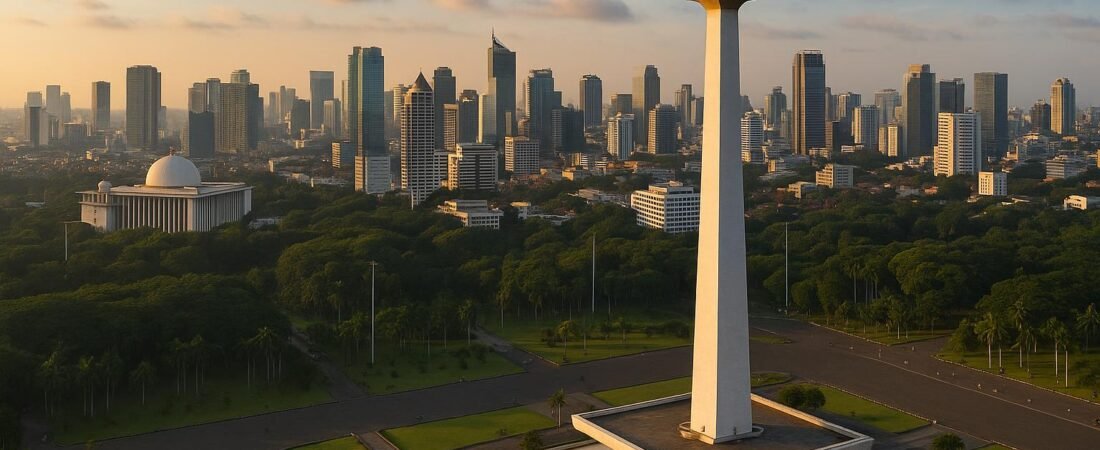
Jakarta is a city of juxtapositions: colonial avenues and futuristic skyscrapers, chaotic traffic and serene mosques, humble street carts and opulent rooftop bars. Indonesia’s immense capital can feel overwhelming at first glance, yet those who linger discover a charismatic metropolis with a rich history, dynamic arts scene, and some of the most memorable food in Southeast Asia. This guide distills what you need to know to plan a rewarding trip to Jakarta, from the best time to visit and where to stay, to budgeting, transport and essential etiquette.
Best Time to Visit Jakarta
Climate Overview
Jakarta has a typical tropical monsoon climate: hot, humid, and fairly consistent year-round. Daytime temperatures usually range between 30–33°C (86–91°F), with high humidity often above 70%. Nights are warm but slightly more comfortable, hovering around 24–26°C (75–79°F).
The year is divided into two main seasons:
- Dry Season (roughly May to September): Less rainfall, marginally lower humidity, and clearer skies. Air quality can be variable, but overall conditions are more pleasant for sightseeing.
- Rainy Season (roughly October to April): Frequent showers, typically in the afternoon or evening. These downpours are often intense but short, though occasional storms can cause localized flooding and traffic disruptions.
Because temperatures do not fluctuate dramatically, deciding when to visit Jakarta is mostly about managing rainfall, haze, and crowd levels rather than avoiding cold or heat.
Seasonal Highlights
May–September (Best Overall)
This is generally considered the most favorable time to visit Jakarta. Expect sunnier days and fewer interruptions from heavy rain. Outdoor attractions such as Kota Tua (Old Town), Ancol Dreamland, and rooftop bars are far more enjoyable when the skies are clear. June and July can be particularly vibrant with school holidays and domestic tourism, giving the city a lively but sometimes crowded feel.
Ramadan and Eid al-Fitr
The holy month of Ramadan and the Eid holidays that follow create a very distinctive atmosphere. Many Jakartans travel back to their hometowns, meaning the city’s notorious traffic temporarily eases and popular spots become surprisingly calm. However, some restaurants and nightlife venues reduce their hours, and you should be respectful about eating and drinking in public during daylight. Exact dates change each year based on the Islamic lunar calendar.
October–April
These months are wetter, but not off-limits. Museum visits, shopping malls, and Jakarta’s burgeoning café culture are practically rainproof. Accommodation prices can be more flexible, and you will encounter fewer foreign tourists. Be aware that heavy rain can cause flash floods in certain districts, so build extra time into your schedule and stay updated on local conditions.
Top Attractions in Jakarta
Historical Sites
Kota Tua (Old Town)
Kota Tua is the historical heart of Jakarta and the best place to grasp the city’s colonial heritage. Strolling across Fatahillah Square, you will see Dutch-era buildings housing the Jakarta History Museum, Wayang Museum (shadow puppets), and Ceramics Museum. Bicycle rentals and street performers add a playful touch, while nearby cafés in restored warehouses offer a break from the heat.
Sunda Kelapa Harbor
Just north of Kota Tua lies Sunda Kelapa, the old port that predates colonial Jakarta. Traditional wooden schooners known as phinisi still dock here, loading and unloading cargo by hand. The harbor is particularly atmospheric at sunrise or late afternoon, when the light softens and the silhouettes of masts create stunning photographs.
Istiqlal Mosque and Jakarta Cathedral
Face to face across a busy road, Istiqlal Mosque and Jakarta Cathedral encapsulate Indonesia’s religious diversity. Istiqlal is Southeast Asia’s largest mosque, an architectural statement of the country’s Muslim majority. The neo-Gothic cathedral opposite is equally arresting. Visitors are generally welcome outside prayer times; dress modestly and follow local guidance.
National Museum of Indonesia
Located near Merdeka Square, the National Museum (often called the “Elephant Building”) holds one of the most important collections in Southeast Asia. Exhibits trace Indonesian history, ethnography, archaeology, and art—from prehistoric artifacts to intricate textiles and Hindu-Buddhist sculptures. It is an essential stop if you are exploring beyond Jakarta to other islands.
Modern Landmarks
Monas (National Monument)
The National Monument is Jakarta’s most recognizable landmark, a 132-meter obelisk crowned with a flame coated in gold leaf. Rising from the center of Merdeka Square, Monas symbolizes Indonesia’s struggle for independence. You can visit the museum at its base and, when the elevator is operating, ascend to the observation deck for panoramic views of the city skyline.
Grand Indonesia and Plaza Indonesia
These adjacent malls in the Thamrin area are more than shopping centers—they are social hubs. Grand Indonesia and Plaza Indonesia offer designer boutiques, local brands, cinemas, art installations, and extensive dining options. They are ideal for escaping the midday heat while experiencing Jakarta’s modern, cosmopolitan side.
SCBD and Sudirman Skyline
The Sudirman Central Business District (SCBD) is Jakarta’s gleaming financial core, with contemporary high-rises, upscale hotels, and trendy restaurants. At night, rooftop lounges provide striking views of illuminated towers and the bustling main thoroughfare of Jalan Jenderal Sudirman.
Ancol Dreamland
On the northern waterfront, Ancol Dreamland is a large recreation area including Dunia Fantasi theme park, SeaWorld Ancol, beaches, and art markets. It is popular with families and domestic visitors. While it does not offer pristine seas, it delivers a full day of entertainment with ocean views as a backdrop.
Where to Stay in Jakarta
Best Neighborhoods for Travelers
Central Jakarta (Thamrin, Menteng)
Central Jakarta places you close to major landmarks such as Monas, Istiqlal Mosque, and the National Museum. Thamrin and Menteng host embassies, government buildings, and many of the city’s top hotels. The area is comparatively walkable, has good access to TransJakarta buses and MRT stations, and offers a balanced mix of offices, cafés, and malls.
South Jakarta (Kuningan, SCBD, Kemang)
South Jakarta is popular with business travelers and long-stay visitors. Kuningan and SCBD feature upscale hotels, serviced apartments, modern restaurants, and nightlife. Kemang, by contrast, has a more bohemian, residential feel, attracting expatriates with its independent boutiques, art spaces, and relaxed dining scene.
West Jakarta (Grogol, Taman Anggrek)
West Jakarta appeals to those who prioritize shopping and local life. Large malls such as Central Park and Taman Anggrek are here, along with more budget-friendly accommodations. It is not as central for sightseeing, but can be practical if you plan to explore Jakarta Barat or are passing through overland.
North Jakarta (Ancol, Pluit)
Staying near Ancol suits families visiting the theme park or travelers transiting by sea. The area offers a variety of mid-range hotels, plus easy access to coastal walks and seafood restaurants. It is further from central attractions, so factor in additional travel time.
Recommended Hotels and Accommodations
Luxury
- Hotel Indonesia Kempinski Jakarta (Thamrin): Iconic five-star property overlooking the famous Bundaran HI roundabout, with polished service, refined rooms, and direct access to Grand Indonesia mall.
- Raffles Jakarta (Kuningan): Art-inspired suites, tranquil gardens, and exceptional dining; a good match for travelers seeking understated yet opulent comfort.
- Fairmont Jakarta (Senayan): Well-positioned for both business and leisure, adjacent to Gelora Bung Karno sports complex and surrounded by greenery.
Mid-Range
- HARRIS Vertu Hotel Harmoni (Central): Contemporary rooms, a rooftop pool, and easy access to Kota Tua and Monas via TransJakarta corridors.
- Holiday Inn Express Jakarta Thamrin: Reliable, modern, and conveniently located for exploring Central Jakarta on a moderate budget.
- Artotel Thamrin: Boutique hotel with local artwork, a creative ambiance, and a strong location for first-time visitors.
Budget and Guesthouses
- Capsule hotels and hostels in Menteng and Cikini: Provide affordable beds, good MRT and commuter-line access, and a lively café scene.
- Homestays and guesthouses in Kemang: Suit travelers seeking a quieter, neighborhood atmosphere while remaining reasonably connected to central areas.
Food and Dining in Jakarta
Must-Try Local Dishes
Jakarta’s culinary landscape reflects centuries of trade and migration, blending influences from across the Indonesian archipelago and beyond. Among countless specialties, several dishes deserve priority:
- Nasi Uduk Betawi: Fragrant coconut rice served with fried chicken, tempeh, egg, sambal, and pickles. A quintessential Jakarta comfort food, often enjoyed for breakfast or dinner.
- Soto Betawi: Rich, creamy beef soup cooked with coconut milk and aromatic spices, typically served with tomato, potato, and crackers. Hearty and satisfying.
- Kerak Telor: Traditional Betawi omelet made with glutinous rice, egg, shredded coconut, and dried shrimp. Cooked over charcoal, it has a smoky aroma and chewy texture.
- Nasi Goreng: Indonesian fried rice, usually spiced with sweet soy sauce, garlic, shallots, and chili, topped with egg and prawn crackers. Simple yet deeply flavorful.
- Gado-Gado: Mixed vegetables and tofu dressed with a thick peanut sauce, often served with rice cakes. A popular choice for vegetarians.
- Satay (Sate): Skewered meats—often chicken or goat—grilled over charcoal and served with peanut sauce or tangy marinades.
Popular Restaurants and Street Food
Traditional and Local Restaurants
- Café Batavia (Kota Tua): A grand colonial-era building overlooking Fatahillah Square, known for its nostalgic interiors and mix of Indonesian and Western dishes.
- Lara Djonggrang (Central Jakarta): Dramatic décor inspired by ancient Javanese kingdoms and a menu featuring regional Indonesian specialties, ideal for an atmospheric dinner.
- Soto Betawi H. Ma’ruf (various branches): A longstanding local favorite for authentic soto Betawi.
Modern Indonesian and Fusion
- Plataran Menteng / Dharmawangsa: Elegant settings in restored heritage houses, offering refined takes on classic Indonesian cuisine.
- Union and Social House (Plaza Senayan / other malls): Stylish brasseries with creative menus, excellent pastries, and a lively atmosphere.
Street Food and Night Markets
- Sabang Street (Jalan H. Agus Salim): Bustling in the evenings with stalls serving satay, fried rice, noodles, and fresh juices. A convenient introduction to Jakarta street food.
- Jalan Pecenongan: Famous for late-night seafood and Chinese-Indonesian dishes. Expect crowds and simple plastic chairs but very fresh food.
- Kelapa Gading (North Jakarta): Known among residents for diverse hawker-style eateries and regional specialties from all over Indonesia.
When sampling street food, choose stalls with high turnover and visible hygiene standards, and start with cooked-to-order dishes if you have a sensitive stomach.
Budgeting for Your Trip to Jakarta
Average Daily Costs
Jakarta can accommodate a wide range of budgets. Approximate daily costs per person are as follows (excluding flights):
- Budget Traveler: US$25–40
Dorm or basic guesthouse room, meals at local warungs and street stalls, public transport (TransJakarta, MRT, commuter trains), and a few paid attractions. - Mid-Range Traveler: US$60–120
Comfortable hotel, mix of local and mall-based restaurants, taxis or ride-hailing apps, and regular entry fees to museums and entertainment venues. - Luxury Traveler: US$150 and above
High-end hotel or serviced apartment, fine dining, private drivers, spa treatments, and shopping in premium malls.
Museum tickets and public attractions are generally inexpensive, while imported alcohol, international fine dining, and high-end shopping can quickly increase your daily expenditure.
Tips for Saving Money
- Use public transport where possible: TransJakarta buses, MRT, and commuter lines are inexpensive and significantly cheaper than frequent taxis.
- Eat like a local: Warungs (small eateries) and food courts in malls offer excellent Indonesian dishes at modest prices. Lunch specials are common.
- Choose central lodging wisely: Staying near a TransJakarta or MRT station can reduce your need for taxis and ride-hailing, saving both time and money.
- Leverage ride-hailing promotions: Apps often run discounts for new users or off-peak hours; these can meaningfully reduce transport costs.
- Shop strategically: For souvenirs, look for fixed-price shops or markets outside the most touristy areas, and compare prices before purchasing.
Getting Around in Jakarta
Transportation Options
TransJakarta Bus
TransJakarta is a bus rapid transit system operating in dedicated lanes across many main corridors. It is economical, relatively efficient during peak traffic, and connects key neighborhoods. To use it, you will need a rechargeable smart card (also usable on some other systems).
MRT Jakarta
The MRT currently runs north–south between Lebak Bulus and Bundaran HI, with ongoing expansion. Stations are modern, air-conditioned, and well-signed in English. It is one of the fastest ways to cross certain parts of the city during rush hour.
Commuter Trains (KRL)
The KRL network connects Jakarta with satellite cities such as Bogor, Depok, Tangerang, and Bekasi. It is practical if you plan day trips outside the inner city, though trains can be crowded during commuting hours.
Taxis and Ride-Hailing Apps
Metered taxis are widely available; reputable companies usually have well-maintained vehicles and professional drivers. Ride-hailing apps (for both cars and motorbikes) are extremely popular and often cheaper and more convenient than hailing a taxi on the street.
Motorbike Taxis (Ojek)
Ojeks, traditionally informal motorcycle taxis, now operate mostly through apps. They are often the quickest option for short distances in heavy traffic, but you should be comfortable on the back of a motorbike and always wear the provided helmet.
Walking
While some areas such as Thamrin, Sudirman, and parts of Menteng are becoming more pedestrian-friendly, Jakarta is generally not a walking city due to heat, humidity, fragmented sidewalks, and long distances. Treat walking as a complement to public transport rather than your primary mode of movement.
Tips for Navigating the City
- Avoid peak rush hours: Traffic is heaviest on weekday mornings (around 7:00–9:00) and evenings (17:00–20:00). Schedule inter-district travel outside these windows when possible.
- Use digital maps and traffic apps: Real-time navigation apps can help you anticipate congestion and select the fastest route or transit combination.
- Carry small change and a transport card: Reloadable cards streamline payment on buses, trains, and the MRT, and small bills help with minor purchases.
- Confirm destinations clearly: Show addresses on your phone and, if possible, refer to nearby landmarks; many places are known by shorthand or nicknames.
- Allow extra time: Even with planning, sudden rain or incidents can slow traffic dramatically. Build a buffer into your schedule, especially for airport transfers.
Travel Tips for Visiting Jakarta
Cultural Etiquette
- Dress modestly in religious and traditional areas: Shoulders and knees should be covered when visiting mosques and some temples. Women may need to wear a headscarf inside prayer halls; coverings are often provided.
- Respect local customs during Ramadan: Avoid conspicuous eating, drinking, or smoking in public during daylight hours. Many restaurants remain open, but discretion is appreciated.
- Use polite language and gestures: A friendly greeting such as “Selamat pagi” (good morning) or “Terima kasih” (thank you) is always welcome. Handshakes are common but often gentle; avoid overly firm grips.
- Remove shoes when appropriate: It is customary to take off shoes before entering homes, smaller prayer rooms, and some traditional spaces.
- Public displays of affection: Keep physical affection subtle in public, particularly in conservative neighborhoods and religious sites.
Safety and Health Precautions
- Petty crime awareness: Jakarta is generally safe for visitors, but pickpocketing and bag-snatching can occur, especially in crowded places. Keep valuables secure and avoid displaying expensive items.
- Transport safety: Stick to reputable taxi companies or ride-hailing platforms. If using an ojek, ensure the driver provides a helmet and drive cautiously.
- Water and food hygiene: Drink bottled or filtered water and avoid ice from uncertain sources. Choose busy food stalls and eat freshly cooked dishes. Carry basic medication for stomach upsets and rehydration salts.
- Air quality and heat: Pollution and humidity can be challenging, particularly for those with respiratory or cardiovascular conditions. Check air-quality indexes, stay hydrated, use sunscreen, and rest during the hottest hours of the day.
- Health coverage: Comprehensive travel insurance that includes medical care and emergency evacuation is highly advisable. Healthcare standards at international hospitals in Jakarta are generally good, but costs can be high without insurance.
- Natural hazards: Heavy rain can cause localized flooding; monitor weather updates during the rainy season and avoid low-lying areas in severe storms.
Conclusion
Jakarta rewards those who approach it with curiosity and patience. Beneath its fast-paced surface lies a city shaped by centuries of trade, colonial encounters, and cultural exchange—expressed in its architecture, museums, markets, and above all, its food. Whether you are pausing en route to Indonesia’s islands or dedicating several days to explore the capital in depth, planning around the seasons, choosing the right neighborhood, and understanding how to navigate the city will transform your experience. Come prepared for sensory overload, and you will leave with a richer understanding of contemporary Indonesia and its fascinating urban heart.