
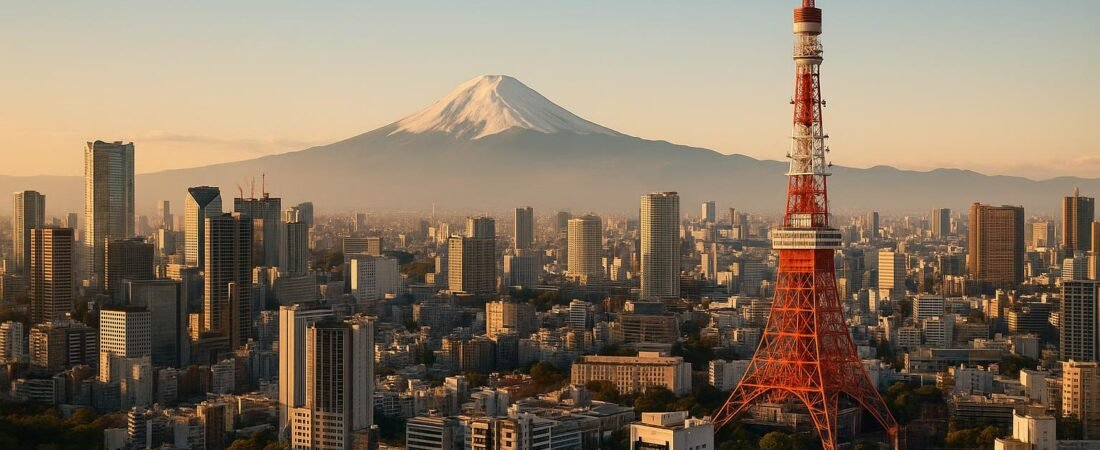
Tokyo is a city of exhilarating contrasts: ancient shrines framed by neon skyscrapers, quiet laneways hiding Michelin-star counters, and orderly train stations moving millions with clockwork precision. Whether it is your first visit or a return journey, understanding when to go, where to stay, what to see, and how to eat will transform a whirlwind stopover into an immersive experience.
Best Time to Visit Tokyo
Seasons and Climate
Tokyo’s climate follows four distinct seasons, each shaping a different character for the city.
Spring (March–May) is often considered the ideal time to visit. Temperatures are mild, typically between 10–20°C (50–68°F), and the city is blanketed with cherry blossoms. Parks such as Ueno Park, Shinjuku Gyoen, and the Meguro River become focal points for hanami (flower viewing), with picnic blankets spread under soft pink canopies. Accommodation prices rise during peak bloom, so advance reservations are essential.
Summer (June–August) brings humidity and heat, with temperatures frequently exceeding 30°C (86°F). The rainy season (tsuyu) usually falls from early June to mid-July, characterized by short but frequent showers. In exchange for the humidity, summer offers vibrant festivals, fireworks displays, and longer daylight hours. If you plan to visit then, choose hotels with efficient air conditioning and prioritize indoor attractions during midday.
Autumn (September–November) rivals spring for comfort. The air turns crisp, skies are typically clear, and the city’s parks blaze with autumn foliage from late October to late November. Ginkgo-lined avenues, especially around Meiji Jingu Gaien, glow golden, while temple gardens showcase deep red maples. This season offers excellent visibility from observation decks and a calmer pace than the cherry blossom rush.
Winter (December–February) in Tokyo is cold but generally dry, with daytime temperatures often hovering around 5–10°C (41–50°F). Snowfall is rare and usually light. Winter compensates with spectacular night illuminations in districts such as Roppongi, Shibuya, and Marunouchi, fewer crowds at major attractions, and attractive hotel deals around early December and mid-January to February, outside the New Year holiday period.
Major Events and Festivals
Tokyo’s calendar is rich with cultural events that reveal the city’s traditions and contemporary flair.
- Cherry Blossom Season (late March–early April): Not a single event but a citywide phenomenon. Major viewing spots host food stalls and evening light-ups, and riverside paths are illuminated to showcase the blossoms at night.
- Sanja Matsuri (Asakusa, May): One of Tokyo’s largest and most energetic Shinto festivals. Portable shrines (mikoshi) are carried through the streets around Senso-ji Temple, accompanied by traditional music and crowds in festival attire.
- Sumidagawa Fireworks Festival (July): A historic fireworks display over the Sumida River. Viewing spots fill early, and many locals attend in yukata (light summer kimono), creating an evocative seasonal atmosphere.
- Obon and Summer Festivals (August): Neighborhood bon odori dances, lanterns, and temple festivities appear across the city, offering a glimpse of local life beyond the major tourist circuits.
- Autumn Festivals and Foliage Events (October–November): Shrines and gardens host nighttime foliage illuminations, combining traditional architecture with dramatic lighting.
- New Year (Shogatsu, late December–early January): Many businesses close, but shrines such as Meiji Jingu and Senso-ji welcome vast numbers of visitors for hatsumode, the first shrine visit of the year. The mood is solemn yet celebratory.
Top Attractions in Tokyo
Must-See Landmarks
Tokyo’s essential landmarks provide a framework for understanding the city’s history, culture, and urban evolution.
Tokyo Skytree dominates the skyline and offers panoramic views from its observation decks. On clear days, you can see as far as Mount Fuji. The surrounding Solamachi complex features shops, restaurants, and a modern aquarium, making it a full-day destination.
Tokyo Tower, modeled after the Eiffel Tower, exudes retro charm. While shorter than Skytree, it provides a central vantage point over Roppongi, Shiba Park, and the bay. Its orange lattice glows warmly at night, particularly striking from nearby viewpoints.
Senso-ji Temple in Asakusa is Tokyo’s oldest Buddhist temple. Enter through Kaminarimon (Thunder Gate), walk along Nakamise-dori lined with traditional snack and souvenir stalls, then reach the main hall and five-story pagoda. Early mornings or late evenings are quieter and more atmospheric.
Meiji Jingu, set within a vast forested park near Harajuku, offers a serene counterpoint to Tokyo’s bustle. Passing beneath towering torii gates and walking the gravel paths to the main shrine feels like entering another world, especially during the morning calm.
Shibuya Crossing is modern Tokyo encapsulated in a single intersection. View the synchronized flow of pedestrians from street level, or head to a nearby café or rooftop observatory for an aerial perspective over the neon-lit scramble.
Odaiba, a futuristic waterfront district built on reclaimed land, features attractions such as teamLab Planets (immersive digital art), shopping malls, a replica Statue of Liberty, and expansive views of Rainbow Bridge and Tokyo Bay. It’s particularly compelling at dusk and after dark.
Hidden Gems Off the Beaten Path
Beyond the headline attractions, less obvious neighborhoods reveal Tokyo’s subtler charms.
Yanaka Ginza, part of the traditional Yanesen area, survived much of the wartime destruction. Its narrow shopping street hosts family-run stores, snack stalls, and old-fashioned cafés. The tempo is slower, and the area offers a tangible sense of Tokyo’s prewar character.
Shimokitazawa, known for vintage shops, independent theaters, and intimate live-music venues, appeals to those seeking a bohemian atmosphere. Side streets are filled with record shops, coffee stands, and small bars, making it ideal for an afternoon of unstructured wandering.
Kagurazaka blends French influences with Edo-era alleyways. Once a geisha district, it remains a labyrinth of steep lanes, hidden shrines, and discreet restaurants. In the evenings, lanterns and low lighting create a particularly elegant ambiance.
Gotokuji Temple in Setagaya is believed to be the origin of the maneki-neko (beckoning cat). Its grounds are lined with shelves of small white cat figurines left as votive offerings, creating a striking and photogenic tableau away from central crowds.
Omoide Yokocho in Shinjuku and Nonbei Yokocho in Shibuya are networks of tiny alleyways packed with minuscule bars and yakitori counters. Seating is limited and intimate, and some establishments maintain a regular local clientele. Patience and politeness go a long way here.
Tokyo’s riverside and canal areas, such as Tennozu Isle or the Kachidoki waterfront, are often overlooked but offer art galleries, converted warehouses, and relaxed promenades with views over the city’s lesser-known industrial and maritime landscapes.
Where to Stay in Tokyo
Best Neighborhoods for Tourists
Selecting the right neighborhood can significantly streamline your itinerary and enhance your experience.
Shinjuku is a major transport hub with direct connections to most parts of the city and beyond. It suits travelers who value convenience and nightlife. You will find skyscraper hotels, bustling shopping areas, the calm of Shinjuku Gyoen, and an abundance of dining options, from standing ramen bars to upscale restaurants.
Shibuya offers a youthful, energetic atmosphere with easy access to western Tokyo neighborhoods such as Harajuku, Omotesando, and Ebisu. It is ideal if you want to be close to fashion districts, contemporary cafés, and nightlife while retaining good rail connections.
Ginza caters to those seeking a refined environment. Known for its luxury boutiques, galleries, and high-end dining, Ginza is surprisingly quiet at night. Its location is convenient for accessing the Imperial Palace area, Tsukiji Outer Market, and Tokyo Station.
Asakusa appeals to visitors interested in history and traditional atmosphere. Streets around Senso-ji still carry a nostalgic feel, with rickshaws, traditional sweets shops, and riverside walks along the Sumida. Transport options are slightly more limited than in Shinjuku or Shibuya but remain sufficient for most itineraries.
Tokyo Station / Marunouchi is highly practical, particularly for those using the shinkansen (bullet trains) to explore other Japanese cities. The area features business hotels, luxury properties, and convenient access to the Imperial Palace gardens and Nihonbashi’s historical core.
Ueno is a strong choice for culture-focused stays. Ueno Park houses multiple museums, a zoo, and seasonal events, while Ameyoko market offers a lively shopping street. Ueno Station provides direct links to Narita Airport and northern Japan.
Hotel Recommendations for Every Budget
Tokyo’s accommodation landscape ranges from capsule hotels to opulent skyscraper properties. Below are indicative categories rather than specific endorsements.
Luxury Hotels
- Central Business Districts (Marunouchi, Otemachi): High-rise luxury hotels here provide sweeping city views, spacious rooms, refined service, and immediate proximity to Tokyo Station. They are optimal for travelers combining business with leisure or planning frequent day trips.
- Shinjuku and Shibuya: Premium properties near transport hubs offer modern design, extensive dining options, and direct access to major shopping complexes. Upper floors often house bars and lounges with skyline vistas.
- Roppongi and Toranomon: These areas host international luxury brands with notable restaurants and bars, convenient for embassy visits, art museums, and nightlife.
Mid-Range Hotels
- Business Hotels: Chains located near major stations provide compact but efficient rooms, reliable Wi-Fi, and amenities such as coin-operated laundry and on-site breakfast. They suit travelers who prioritize location and practicality over opulence.
- Boutique Properties: Smaller design-focused hotels in neighborhoods like Asakusa, Kuramae, and Akasaka offer more personality: curated interiors, communal lounges, and locally inspired breakfasts.
- Aparthotels: For longer stays, apartment-style hotels with kitchenettes and laundry facilities work well, particularly for families or remote workers needing extra space.
Budget Options
- Capsule Hotels: These provide individual sleeping pods, shared bathrooms, and often public bath areas. Many are impeccably clean and surprisingly comfortable, especially around Shinjuku, Shibuya, and Ueno.
- Hostels and Guesthouses: Found in areas like Asakusa, Iriya, and Nippori, these emphasize social spaces, shared kitchens, and private or dormitory-style rooms. They are well suited to solo travelers and those seeking interaction.
- Business Hotel Chains in Outer Districts: Staying one or two train stops away from central hubs can reduce costs significantly while still keeping downtown Tokyo within easy reach.
Food and Dining in Tokyo
Traditional Japanese Cuisine to Try
Tokyo is one of the world’s great culinary capitals, offering everything from humble noodle shops to multi-course kaiseki experiences.
Sushi is a natural starting point. High-end omakase counters showcase seasonal fish and meticulous technique, but excellent nigiri is also available at mid-range sushiya and conveyor-belt (kaiten) establishments. For a deeper experience, try lunch at a reputable sushiya near Tokyo Bay or in Ginza, where quality is high and prices are slightly more approachable than at dinner.
Tempura in Tokyo emphasizes light, crisp batter and perfectly controlled frying temperatures. Specialty tempura restaurants often serve course menus featuring prawns, seasonal vegetables, and occasionally more unusual ingredients such as anago (conger eel). Sitting at the counter allows you to watch each piece prepared and served immediately.
Ramen is ubiquitous and highly diverse. Broths range from shoyu (soy-based) and shio (salt-based) to rich tonkotsu (pork bone) and inventive modern styles. Lines outside small ramen shops are common; turnover is fast, and the reward is a deeply satisfying bowl for a modest price. Exploring different styles across neighborhoods is a rewarding culinary theme for any Tokyo stay.
Soba and Udon noodles offer contrasting textures: soba is made from buckwheat, often served chilled with dipping sauce, while udon is thick and chewy, typically enjoyed in a hot broth. Traditional soba-ya and udon-ya serve simple, elegant dishes that highlight the quality of the noodles and dashi.
Yakitori (grilled chicken skewers) and other kushiyaki are staples of Tokyo’s izakaya (Japanese-style pubs). Skewers range from familiar cuts to more adventurous offal, all grilled over charcoal. Pair them with beer, sake, or shochu in a cozy, often lively setting.
Kaiseki, the pinnacle of seasonal Japanese dining, consists of multiple precisely crafted courses. In Tokyo, kaiseki restaurants draw on produce from across Japan, presenting dishes that emphasize seasonality, aesthetics, and subtle flavors. It is an investment, but for many visitors, an unforgettable highlight.
Popular Street Food and Markets
Beyond formal dining, Tokyo’s street food and markets reveal a more informal side of its food culture.
Tsukiji Outer Market remains an essential stop for seafood lovers even after the wholesale fish market moved to Toyosu. Narrow alleys burst with stalls selling fresh sashimi, grilled seafood, tamagoyaki (rolled omelette), and kitchenware. Visiting early in the morning offers the widest selection and fewer crowds.
Ameyoko Market near Ueno Station is a bustling open-air shopping street originally developed as a postwar black market. Today it is filled with vendors selling dried seafood, snacks, cosmetics, clothing, and spices. Street-side stalls serve takoyaki, yakitori, and other fast bites, making it ideal for grazing as you explore.
Depachika, the food halls in the basements of major department stores such as Isetan, Mitsukoshi, Takashimaya, and Tokyu, are a revelation. Glass cases display beautifully prepared bento, delicatessen-style salads, premium sweets, wagashi (traditional confections), and regional specialties. They are perfect for assembling an elegant picnic or an easy dinner in your hotel room.
Street Snacks appear around festivals, temple approaches, and shopping streets. Look for taiyaki (fish-shaped cakes filled with sweet red bean paste or custard), dorayaki (pancake sandwiches), melon pan (sweet bread with a cookie-like crust), and imagawayaki (filled griddle cakes). In entertainment districts, you will also find crepe stands, karaage (fried chicken), and other casual treats.
Yokocho Alleys such as those in Shinbashi, Yurakucho, Shinjuku, and Kichijoji host dense concentrations of tiny eateries and bars. Here, the food is informal and robust—grilled seafood, hotpots, gyoza, and regional specialties—served alongside drinks in convivial surroundings.
Conclusion
Tokyo is not a city to be “done” in a single visit; it is a place to be revisited, each time uncovering new neighborhoods, flavors, and perspectives. Choosing the right season can align your trip with cherry blossoms, autumn foliage, or festival fireworks. Staying in a well-connected district will simplify your movements and deepen your sense of place. Balancing iconic sights with quieter enclaves will reveal both the grandeur and the nuance of the metropolis. Above all, approaching Tokyo with curiosity—whether at a temple courtyard at dawn, a crowded ramen counter, or an unassuming side street—will reward you with a layered, enduring impression of Japan’s remarkable capital.