
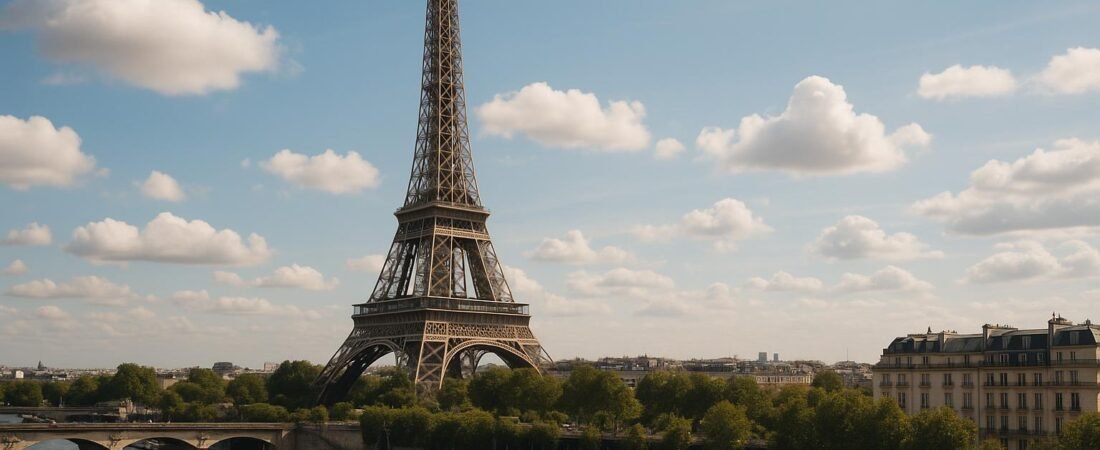
Paris exerts a magnetic pull on travelers from every corner of the world. The city’s beauty lies not only in its grand monuments and iconic skyline, but also in the subtle details: the worn stone of a centuries-old passageway, the scent of fresh bread at dawn, the quiet elegance of a café terrace at dusk. Planning a trip to Paris is as much about timing, neighborhoods, and logistics as it is about romance and art. This guide brings all of that together—practical insight, insider tips, and thoughtful suggestions—to help you experience the city in a way that feels both efficient and deeply personal.
Best Time to Visit Paris
Weather Overview by Season
Paris is a year-round destination, but the atmosphere changes distinctly with each season.
- Spring (March–May): Widely considered the most enchanting time to visit. Temperatures range from about 10–20°C (50–68°F), parks are in bloom, and café terraces fill with locals. Expect some rain and pack layers, but enjoy fewer crowds than in high summer, especially in March and early April.
- Summer (June–August): Warm, vibrant, and busy. Daytime temperatures hover between 20–27°C (68–81°F), occasionally higher during heatwaves. The days are long, the Seine banks come alive, and open-air events abound. However, popular sights are crowded and accommodation prices peak.
- Autumn (September–November): A refined, atmospheric time to explore. September is often sunny and mild, ideal for outdoor dining and long walks. By October and November, cooler temperatures and early sunsets bring a moody charm to the city’s boulevards and museums. Crowds thin out, and hotel rates tend to soften.
- Winter (December–February): Cool and often damp, but rarely extremely cold, with temperatures around 3–8°C (37–46°F). Christmas markets, festive lights, and quieter galleries make it attractive for cultural travelers. It is an excellent season for those who prioritize museums, dining, and value over outdoor sightseeing.
Major Events and Festivals
Choosing when to visit Paris can also hinge on the city’s cultural calendar.
- Fashion Weeks (February/March & September/October): Paris Fashion Week transforms parts of the city into a global style stage. Even if you do not attend shows, expect higher demand for hotels and a glamorous buzz in central neighborhoods.
- Roland-Garros (French Open, late May–early June): Tennis fans flock to the clay courts in the southwest of the city. Accommodation availability near the venue can tighten, so book ahead if you plan to attend.
- Fête de la Musique (June 21): A citywide music celebration where streets, squares, and courtyards host free concerts. It is an energetic and sometimes noisy night, ideal for those who enjoy a lively urban atmosphere.
- Quatorze Juillet – Bastille Day (July 14): National Day celebrations include military parades on the Champs-Élysées, fireworks at the Eiffel Tower, and dancing at fire stations. It is a spectacular but crowded time; reserve accommodation and river cruises well in advance.
- Nuit Blanche (early October): An all-night arts festival where museums, galleries, and public spaces host installations and performances. It offers a novel way to experience contemporary culture in Paris.
- Christmas & New Year’s: Festive illuminations along major avenues, seasonal markets, and special menus in restaurants create a warm winter atmosphere. It is popular but not as congested as peak summer.
Top Attractions in Paris
Iconic Landmarks
Some Parisian sights are inescapable for good reason. They define the city’s landscape and history.
- Eiffel Tower: Symbol of Paris and engineering marvel, the Eiffel Tower offers panoramic views over the city. Book timed tickets in advance, and consider visiting at dusk to watch the city light up. For a quieter experience, admire it from the Trocadéro gardens or the Champ de Mars.
- Louvre Museum: Home to the Mona Lisa, the Winged Victory of Samothrace, and countless masterpieces, the Louvre is vast enough to merit a strategic plan. Choose a few wings or themes rather than attempting to see everything in one visit. Early morning or late-opening evenings are less overwhelming.
- Notre-Dame de Paris: Even during periods of restoration, the cathedral remains a compelling stop. Admire the Gothic façade from the square and stroll along the Seine around Île de la Cité. Nearby Sainte-Chapelle, with its stained-glass windows, is essential for lovers of medieval art.
- Montmartre & Sacré-Cœur: This hilltop neighborhood retains a village-like feel. Climb the steps to the Sacré-Cœur Basilica for sweeping views, then wander cobbled streets lined with studios, cafés, and small museums. Visit early in the day or later in the evening to avoid peak crowds.
- Musée d’Orsay: Housed in a former Beaux-Arts railway station, this museum showcases Impressionist and post-Impressionist works by Monet, Van Gogh, Degas, and others. The building itself, with its grand clock and glass roof, is as impressive as the collection.
- Arc de Triomphe & Champs-Élysées: The Arc stands at the center of a star-shaped array of avenues. Climb to the top for one of the best views of the Eiffel Tower and Parisian boulevards. The lower Champs-Élysées is heavily commercial, but the upper end toward Place de la Concorde is more refined.
Hidden Gems Off the Beaten Path
Beyond the headline sights, Paris hides countless smaller treasures that reveal its quieter charm.
- Canal Saint-Martin: In the 10th arrondissement, this tree-lined canal is ideal for leisurely walks or picnics. Its iron footbridges, locks, and relaxed cafés attract locals more than tour groups.
- Promenade Plantée (Coulée Verte René-Dumont): An elevated park built on a former railway line in the 12th arrondissement, this linear garden inspired New York’s High Line. It offers an unusual vantage point over quiet streets, courtyards, and contemporary architecture.
- Musée de l’Orangerie: Smaller and more intimate than major institutions, this museum is best known for Monet’s vast Water Lilies panels, displayed in oval rooms designed to immerse visitors in the works. Located in the Tuileries Gardens, it is easy to combine with a stroll along the Seine.
- Parc des Buttes-Chaumont: A dramatic park in the northeast with steep hills, a suspension bridge, and a temple-like belvedere. It offers impressive city views and a more local feel than central gardens.
- Passage des Panoramas & covered arcades: The 19th-century covered passages around the Grands Boulevards hide antique shops, stamp dealers, and small eateries beneath glass roofs. They are atmospheric, especially on rainy days.
- Musée Rodin: Set in a tranquil garden not far from Les Invalides, this museum displays sculptures such as The Thinker in both indoor galleries and outdoor lawns. It is a contemplative retreat from urban intensity.
Where to Stay in Paris
Best Neighborhoods for Tourists
Choosing the right arrondissement shapes your experience. Each area offers a distinct tempo and character.
- 1st & 2nd arrondissements: In the geographic heart of Paris, these districts place you near the Louvre, Tuileries Gardens, and major shopping streets. They are ideal for first-time visitors who want to walk to key sights, though hotels here can be pricier.
- Le Marais (3rd & 4th): A lively historic quarter with medieval streets, boutiques, galleries, and excellent dining. It balances heritage with a contemporary edge and is central enough for easy access across the city.
- Latin Quarter & Saint-Germain-des-Prés (5th & 6th): Classic Left Bank neighborhoods with literary cafés, bookshops, and elegant streets. They appeal to travelers who enjoy a slightly bohemian but refined atmosphere, close to the Seine and major landmarks.
- 7th arrondissement: Home to the Eiffel Tower, museums, and broad, stately boulevards. This area is quiet in the evenings and well-suited to visitors seeking a residential feel with quick access to iconic views.
- 9th & South Pigalle (SoPi): Combining Belle Époque theaters and department stores with a growing scene of restaurants and bars, this area is convenient for exploring both Montmartre and central Paris.
- 10th & 11th arrondissements: Trendier, more local neighborhoods with creative dining, nightlife, and easier accommodation options for midrange budgets. They are less polished but vibrant and authentic.
Recommended Hotels and Accommodations
Paris offers every type of accommodation, from discreet guesthouses to grand palace hotels.
- Luxury hotels:
- Le Bristol Paris (8th): A classic luxury property with a serene courtyard, renowned gastronomy, and meticulous service, suited to travelers who value tradition and comfort.
- Shangri-La Paris (16th): Former private residence offering some of the most extraordinary views of the Eiffel Tower, refined décor, and an intimate ambiance.
- Hôtel Lutetia (6th): An Art Deco landmark on the Left Bank, combining history with contemporary design and a convenient location for exploring Saint-Germain.
- Midrange boutiques:
- Hôtel Henriette (13th): A design-forward boutique near the Latin Quarter, offering character, friendly service, and good value.
- Hôtel Fabric (11th): Set in a former factory, this stylish hotel places you close to the restaurants and nightlife of Oberkampf and Bastille.
- Hôtel des Grands Boulevards (2nd): Chic, centrally located, and ideal for visitors who want to balance sightseeing with evenings in trendy bars and bistros.
- Budget and apartments:
- Generator Paris (10th): A modern hostel with private and shared rooms, suitable for younger travelers and those who appreciate social common areas.
- FIAP Paris (14th): A well-organized youth accommodation and cultural center in a more residential area, with easy metro connections.
- Serviced apartments & rentals: For longer stays or families, serviced apartments and legally registered short-term rentals in central districts can provide more space and kitchen facilities. Always check local regulations and reviews before booking.
Food and Dining in Paris
Must-Try Dishes and Restaurants
Parisian cuisine extends well beyond clichés. Classic dishes and contemporary interpretations coexist across the city.
- Breakfast & baked goods: Sample croissants, pains au chocolat, and tradition baguettes from neighborhood boulangeries. Names like Du Pain et des Idées (10th) are often cited, but many small bakeries excel; look for lines of locals in the morning.
- Bistro favorites: Dishes such as steak-frites, confit de canard, and boeuf bourguignon appear on many menus. Well-regarded addresses include traditional bistros in Saint-Germain and the 11th arrondissement, where chefs reinterpret classics with seasonal ingredients.
- Cheese & charcuterie: Visit fromageries to discover regional cheeses like Comté, Saint-Nectaire, and Camembert. Many wine bars offer boards pairing cheeses, cured meats, and natural wines—ideal for a relaxed evening meal.
- Crêpes & galettes: Breton-style buckwheat galettes filled with ham, cheese, or vegetables make a satisfying lunch or casual dinner. The Montparnasse area is known for its crêperies, though you will find excellent options across the city.
- Pâtisserie & desserts: Macarons, éclairs, seasonal fruit tarts, and refined pastries highlight Paris’s mastery of dessert. Renowned pâtissiers maintain boutiques where the display cases are as artistic as museum windows.
- Global influences: Paris’s culinary scene reflects its diversity, from North African couscous to Levantine mezze and modern Asian fusion. Neighborhoods like Belleville and the 10th & 11th arrondissements are particularly rich in international options.
Dining Styles: Fine Dining vs. Casual Eateries
Understanding the city’s dining structures will help you choose experiences that match your tastes and budget.
- Fine dining:
- Paris remains a leading destination for haute cuisine and Michelin-starred restaurants. Expect multi-course tasting menus, elaborate wine lists, and formal but polished service.
- Reservations are essential, often weeks in advance. Many top tables offer more accessible lunch menus, which are an excellent way to experience high-level cuisine at a lower price.
- Dress codes vary, but smart attire is usually appreciated even where it is not explicitly required.
- Bistros, brasseries, and wine bars:
- Bistros focus on hearty, seasonal dishes in intimate surroundings. They are ideal for experiencing traditional French cooking with personality.
- Brasseries are typically larger, open throughout the day, and serve a wide-ranging menu. They are suitable for flexible meal times and groups with diverse preferences.
- Wine bars often feature small plates, charcuterie, and cheeses. They work well for informal dinners and for those who prefer grazing to a full, structured meal.
- Cafés and casual spots:
- Cafés serve as social hubs for coffee, light snacks, and simple meals. Terrace seating carries a small supplement but offers premium people-watching.
- Contemporary canteens, food halls, and street-food markets have expanded, especially in the 10th, 11th, and 12th arrondissements, providing quick and inventive options outside the traditional restaurant format.
Budgeting for Your Trip to Paris
Average Daily Costs
Paris can be expensive, but costs vary substantially depending on travel style.
- Budget travelers (hostels, simple meals, limited paid attractions): approximately €70–€110 per person per day. This includes dorm accommodation or budget hotels, public transport, and a few museum admissions.
- Midrange travelers (comfortable hotels, restaurant meals, regular sightseeing): roughly €150–€250 per day. Expect to stay in boutique hotels, dine at bistros, and enjoy a mix of free and ticketed attractions.
- Luxury travelers (high-end hotels, fine dining, private experiences): €300+ per day, with no real upper limit. Costs increase quickly with top-tier accommodations and gastronomic restaurants.
Museum and monument tickets often range between €10 and €25 per site, while a standard bistro main course typically falls between €18 and €30. A glass of wine at a café may cost €5–€10, depending on location.
Tips for Saving Money While Traveling
Sensible planning can make Paris significantly more affordable without sacrificing enjoyment.
- Travel off-peak: Visit in late autumn, winter (excluding Christmas–New Year), or early spring to benefit from lower hotel prices and smaller crowds.
- Use passes and combined tickets: City passes or combined museum tickets can be cost-effective if you plan multiple visits. Always compare prices with individual entry to ensure value.
- Prioritize lunches: Many restaurants offer more attractive lunch formulas than dinner menus. Enjoy your main gastronomic experience at midday and opt for lighter, more casual meals in the evening.
- Shop at markets and supermarkets: Open-air markets and quality supermarkets are excellent for assembling picnics with fresh bread, cheese, charcuterie, and fruit. Parks and riverbanks make ideal settings.
- Stay slightly outside the very center: Neighborhoods a few metro stops from major attractions often provide better value lodging while remaining convenient for sightseeing.
- Use public transport smartly: Multi-day transport passes or contactless payment caps can reduce metro and bus costs if you ride frequently.
Getting Around in Paris
Public Transport Options
Paris’s public transport network is extensive, efficient, and usually the most practical way to get around.
- Metro: The backbone of urban mobility, with dense coverage and frequent trains. Stations are rarely more than a short walk apart in central areas. It can be crowded at rush hour, but it is generally reliable and fast.
- RER & Transilien trains: These regional lines connect Paris to its suburbs and key sites such as Versailles and Charles de Gaulle Airport. Within the city, RER lines can be useful for crossing large distances quickly.
- Buses: Buses offer a more scenic way to travel, with routes that reveal neighborhoods you might otherwise miss. They can be slower in heavy traffic but are excellent for shorter intra-district journeys.
- Trams: Several tram lines circle the city’s outer edges, helpful particularly if you stay near the ring road or in residential districts.
- Taxis & ride-hailing: Taxis are regulated and reliable, particularly for late nights or airport runs. Ride-hailing services operate widely, though they may be slower at busy times.
Tickets and passes work across most modes within city zones. Contactless payment and rechargeable cards streamline the process; always validate or tap in correctly to avoid fines.
Walking and Biking in the City
Paris is a city that rewards slow travel. Many of its most memorable moments occur between official sights.
- Walking: Distances between key attractions in central Paris are often shorter than they appear on a map. Walking along the Seine, through the Tuileries, or across bridges can be more pleasant than transferring lines on the metro.
- Biking:
- The city has expanded its network of bike lanes significantly, particularly along the Seine and major axes. Cycling is an increasingly popular way for both locals and visitors to move around.
- Vélib’ Métropole, the public bike-share system, provides both mechanical and electric bikes at stations spread across the city. Short trips are affordable and practical.
- Exercise caution in heavy traffic, obey lights and lanes, and consider avoiding the busiest intersections if you are not an experienced urban cyclist.
Travel Tips for Visiting Paris
Cultural Etiquette
Respect for local customs will enhance interactions and often lead to warmer service.
- Greetings and politeness: Begin interactions with a simple “Bonjour, Madame/Monsieur” when entering shops, cafés, or addressing staff. It is a small courtesy, but highly valued.
- Restaurant behavior: In many establishments, tables are yours for the evening; staff will not rush you. To ask for the bill, catch your server’s eye and say “L’addition, s’il vous plaît.” Tipping is not obligatory as service is included, but rounding up or leaving a few extra euros is appreciated for good service.
- Dress: While there is no strict dress code for sightseeing, Parisians tend to favor understated elegance. Smart-casual attire is appropriate for most restaurants and cultural venues.
- Noise and public spaces: Public transport and residential areas tend to be relatively quiet. Keeping voices low in shared spaces is a sign of respect.
- Language: Even a few basic French phrases signal goodwill. Many people in central areas speak some English, but attempting French first generally leads to better exchanges.
Safety and Health Considerations
Paris is broadly safe for visitors, but awareness and simple precautions are advisable.
- Petty crime: Pickpocketing can occur, especially in crowded metros, near major landmarks, and around tourist hot spots. Keep bags closed, valuables secure, and avoid leaving belongings unattended at café terraces.
- Scams: Be wary of unsolicited help with ticket machines, petitions, or “friendship bracelet” approaches near monuments. Politely decline and walk away.
- Transport at night: The metro and buses run late, and busy routes remain safe. If you are returning very late, particularly alone, consider a taxi or ride-hailing service directly to your accommodation.
- Health care: Pharmacies are widespread and well stocked, identifiable by green crosses. For emergencies, hospitals and clinics provide high-quality care. Ensure you have suitable travel insurance and carry any necessary prescriptions.
- Air quality and allergies: In spring, pollen levels can be high, and traffic occasionally affects air quality. Those sensitive to pollution or allergens may wish to pack relevant medication.
Conclusion
Paris rewards preparation, but it also thrives on spontaneity. A thoughtfully structured itinerary—aligned with the right season, neighborhood, and budget—creates space for unplanned encounters: a hidden courtyard glimpsed through an open gate, a street musician by the river, a conversation with a bookseller on the Left Bank. By understanding how to navigate its transport, dining culture, and subtle social codes, you can move through the city with confidence and ease.
Whether you come for its museums, its cuisine, its fashion, or simply to wander its streets, Paris offers layers of experience that unravel gradually. Leave room in your schedule for those unscripted moments, and the city will reveal a version of itself that feels distinctly your own.