
Vienna is a city that balances imperial grandeur with an effortless contemporary edge. Palaces and coffeehouses, opera houses and design hotels, manicured parks and gritty street art districts all coexist within a compact, walkable metropolis. Whether you are drawn by classical music, world-class museums, or simply a perfectly executed slice of Sachertorte, Vienna rewards both first-time visitors and seasoned travelers who linger and explore slowly.
Best Time to Visit Vienna
Weather Overview by Season
Vienna has a temperate continental climate with four distinct seasons, each offering a different experience.
Spring (March–May): Early spring can still be chilly, with temperatures around 5–12°C (41–54°F) in March, but by May daytime highs often reach 18–22°C (64–72°F). Parks such as the Stadtpark and Schönbrunn Gardens burst into bloom, and outdoor cafés reopen. Spring is ideal for sightseeing with manageable crowds and relatively stable weather, although a light raincoat is useful.
Summer (June–August): Summer brings the warmest weather, typically 22–28°C (72–82°F), though occasional heatwaves push temperatures above 30°C (86°F). Long daylight hours and lively open-air events make this a particularly vibrant time. It is also peak tourist season, so expect higher prices and busier attractions, especially in July and August.
Autumn (September–November): September is one of the most pleasant months to visit Vienna, with mild temperatures and a golden light over the city’s historic facades. By October and November, temperatures drop to 5–15°C (41–59°F), and crisp air and falling leaves lend the city a more contemplative atmosphere. Autumn offers fewer crowds, excellent concert seasons, and atmospheric strolls through vineyards on the city’s outskirts.
Winter (December–February): Winters are cold but often magical. Temperatures usually range from -1 to 5°C (30–41°F), with occasional snowfall that dusts the Ringstrasse and palace courtyards. Vienna’s legendary Christmas markets, steaming mugs of punch, and indoor cultural attractions make winter appealing despite the chill. Pack warm layers, a hat, gloves, and waterproof shoes for comfort.
Seasonal Events and Festivals
Vienna’s cultural calendar is dense, and timing your visit around key events can significantly enhance your experience.
- January–February: The Vienna Ball Season transforms the city into a stage of waltz and elegance. The Vienna Opera Ball and numerous other formal dances allow visitors to experience age-old traditions, though tickets must be booked well in advance.
- March–April: The Vienna Spring Festival and various Easter markets (notably at Schönbrunn Palace and Freyung) bring artisan stalls, traditional foods, and classical concerts.
- May–June: The Vienna Festival (Wiener Festwochen) focuses on theatre, music, and performance art, attracting international artists. Open-air concerts in parks and along the Danube Canal appear as temperatures rise.
- June–August: Film Festival at Rathausplatz combines free open-air screenings of concerts and operas with an impressive gourmet food market. The Donauinselfest, a huge free music festival on the Danube Island, draws massive crowds and showcases a broad spectrum of genres.
- September–October: Harvest time brings Vienna Wine Hiking Day, when walking paths through the city’s vineyards open to the public. Numerous wine taverns (Heuriger) host tastings and seasonal specialties. The concert season is in full swing at the Musikverein and Konzerthaus.
- November–December: Christmas markets (Christkindlmärkte) dominate the festive season. The most famous include the Christkindlmarkt am Rathausplatz, the more traditional market at Spittelberg, and the stylish markets at Belvedere and Schönbrunn. New Year’s Eve in Vienna is marked by the Silvesterpfad, a citywide trail of stages, food stands, and fireworks.
Top Attractions in Vienna
Must-See Landmarks
Vienna’s highlights reflect centuries of Habsburg power and a deep commitment to the arts.
- Schönbrunn Palace: The former summer residence of the Habsburgs is a Baroque masterpiece. Tour the lavish state rooms, wander the extensive gardens, climb the hill to the Gloriette for panoramic views, and visit the on-site zoo, the oldest in the world.
- Hofburg Palace: In the city center, the Hofburg complex houses the Imperial Apartments, Sisi Museum, and Silver Collection, as well as the Spanish Riding School and the Austrian National Library. It offers an immersive look at imperial life and ceremony.
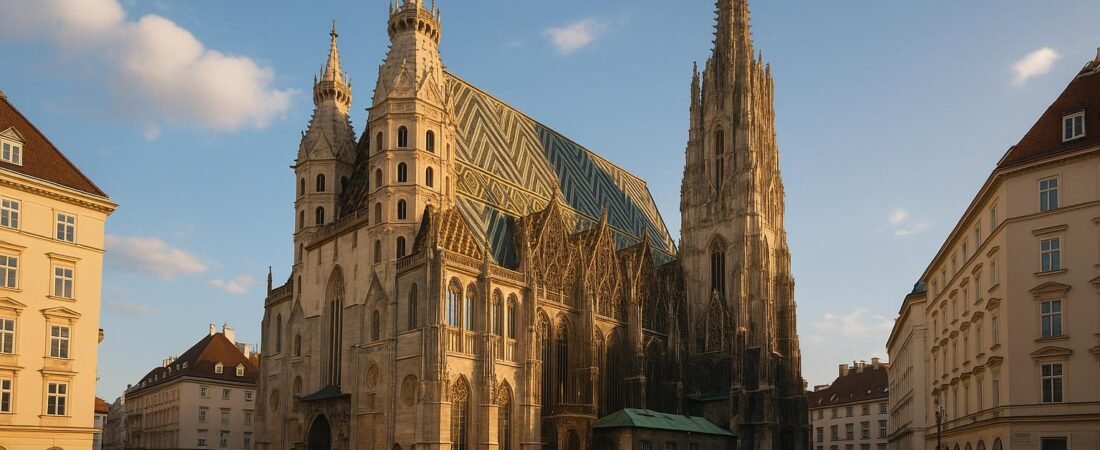
- St. Stephen’s Cathedral (Stephansdom): Vienna’s Gothic icon stands at the heart of the city. Climb the South Tower or take the elevator up the North Tower for spectacular views over the old town and the cathedral’s dazzling tiled roof.
- Belvedere Palace: Comprising Upper and Lower Belvedere, this elegant complex showcases Austrian art, including Gustav Klimt’s “The Kiss” and works by Schiele and Kokoschka. The gardens link the two palaces and frame impressive views of the city.
- Museum Quarter (MuseumsQuartier): One of the largest cultural districts in the world, the MQ combines major institutions like the Leopold Museum and mumok with contemporary galleries, design shops, and courtyard cafés. It is a hub for modern and contemporary art.
- Vienna State Opera: Even if you do not attend a performance, consider taking a guided tour of this grand opera house. For opera and ballet enthusiasts, inexpensive standing-room tickets allow access to top-tier productions at modest prices.
Hidden Gems to Explore
Beyond the imperial icons, Vienna rewards curiosity with quieter corners and local favorites.
- Spittelberg Quarter: Tucked behind the MuseumsQuartier, this former Biedermeier suburb has narrow cobbled lanes, small galleries, and intimate restaurants. It feels like a village within the city, especially charming in the evening and during the Christmas market season.
- Setagayapark and Doebling Vineyards: In the 19th district, this Japanese garden offers a tranquil escape with ponds, bridges, and seasonal blossoms. Combine it with a walk through nearby vineyards in Grinzing or Nussdorf, finishing at a Heuriger wine tavern.
- Hundertwasserhaus & Kunst Haus Wien: Friedensreich Hundertwasser’s colorful, undulating apartment building is a visual counterpoint to Vienna’s orderly architecture. Nearby, the Kunst Haus Wien museum explores his work and hosts rotating photography exhibitions.
- Augarten: Less visited than the central Stadtpark, Augarten blends manicured gardens, Baroque avenues, and imposing WWII flak towers. It is also home to the Augarten Porcelain Manufactory and a branch of the Vienna Boys’ Choir.
- Naschmarkt Side Streets: Many visitors stop at the central Naschmarkt itself, but the surrounding streets in the 4th and 6th districts host independent boutiques, design shops, and neighborhood cafés that reveal a more contemporary Vienna.
- Prater’s Green Spaces: The giant Ferris wheel (Riesenrad) is well known, but the rest of the Prater is a vast green area perfect for cycling, running, or quiet walks away from the amusement park lights.
Where to Stay in Vienna
Best Neighborhoods for Tourists
Vienna’s districts, known as Bezirke, radiate from the historic center. Each area offers a distinct character and convenience level.
- Innere Stadt (1st District): The historic core within the Ringstrasse is ideal for first-time visitors who want to be walking distance from major sights such as St. Stephen’s Cathedral, the Hofburg, and the State Opera. Accommodation tends to be more expensive, but the convenience is unmatched.
- Leopoldstadt (2nd District): Just across the Danube Canal, this district blends leafy residential streets with the Prater park and a growing creative scene. It is quieter at night but still central, with excellent tram and U-Bahn connections.
- Neubau & Mariahilf (7th & 6th Districts): These adjacent districts are known for independent boutiques, museums, and stylish bars. Staying near the MuseumsQuartier or along Mariahilfer Straße offers a good balance between culture, shopping, and nightlife.
- Wieden (4th District): Close to the Naschmarkt and the Karlsplatz area, Wieden offers a relaxed, slightly bohemian atmosphere. It is convenient for reaching both the historic center and the main train station (Hauptbahnhof).
- Landstraße (3rd District): This residential district houses the Belvedere Palace and the city’s main airport train links at Wien Mitte. Prices can be slightly lower than in the Innere Stadt, while still offering easy access to the center.
Recommended Hotels and Accommodations
Vienna caters to all budgets, from design hostels to luxury palaces.
- Luxury:
- Hotel Sacher Wien (1st District): An opulent institution opposite the State Opera, offering classic interiors, historic charm, and its own famous Sachertorte.
- Park Hyatt Vienna (1st District): Housed in a former bank with a refined contemporary design, large rooms, and an excellent spa – ideal for travelers seeking discreet luxury.
- Palais Hansen Kempinski (1st District): On the Ringstrasse, combining imperial architecture with modern comfort and an outstanding breakfast.
- Mid-range:
- Hotel Beethoven (6th District): Steps from the Naschmarkt and the Secession, this boutique hotel has individually styled rooms and a warm, cultured atmosphere.
- 25hours Hotel at MuseumsQuartier (7th District): Playful, design-forward hotel with rooftop bar views over the city and easy access to the MQ and Ringstrasse.
- Ruby Hotels (various locations): A mini-chain offering compact, stylish rooms with a strong emphasis on design and technology, often at very competitive rates.
- Budget:
- Wombat’s City Hostel (Naschmarkt or Westbahnhof): Reliable hostel option with clean dorms and private rooms, well located for public transport.
- MEININGER Hotels (various locations): Hybrid hotel-hostel properties with good value, especially for families or groups.
- Guesthouses & Apartments: Numerous privately run Pensionen and apartments offer affordable stays, particularly in Wieden, Landstraße, and Leopoldstadt.
Food and Dining in Vienna
Traditional Viennese Cuisine
Vienna’s culinary heritage is rooted in the former Austro-Hungarian Empire, blending influences from across Central and Eastern Europe.
Wiener Schnitzel: The city’s signature dish is a thin, breaded, and fried veal or pork cutlet, typically served with potato salad or parsley potatoes and a wedge of lemon. Look for “Wiener Schnitzel vom Kalb” for the traditional veal version.
Tafelspitz: A classic of Viennese home cooking, this boiled beef dish is simmered with root vegetables and served with apple-horseradish and chive sauce. It is hearty, comforting, and best enjoyed in a traditional restaurant.
Goulash & Sausages: While goulash has Hungarian origins, Viennese versions are milder and often served with bread dumplings. Street stands (Würstelstände) offer an array of sausages – such as Käsekrainer filled with cheese – perfect for a quick snack.
Desserts & Pastries: Vienna’s coffeehouse culture revolves around intricate pastries. Do not miss Sachertorte (dense chocolate cake with apricot jam), Apfelstrudel (apple strudel), and Topfenstrudel (cheese curd strudel). Many cafés still serve these in elegant, time-honored surroundings.
Heuriger Specialties: In the wine taverns on the outskirts, typical dishes include cold cuts, spreads, salads, and savory pastries, accompanied by young local wines. These establishments offer an informal way to taste regional products.
Best Restaurants and Cafés to Try
The city’s dining scene ranges from venerable institutions to innovative contemporary kitchens.
- Classic Viennese Restaurants:
- Figlmüller: Famous for oversized schnitzels that spill over the plate. Popular and often busy, so reservations are recommended.
- Plachutta: Renowned for Tafelspitz and other traditional dishes, served in a refined but approachable setting.
- Zum Schwarzen Kameel: A historic deli and restaurant known for open sandwiches, Viennese specialties, and a cosmopolitan atmosphere.
- Cafés and Coffeehouses:
- Café Central: A grand former haunt of intellectuals, with vaulted ceilings, newspapers on wooden holders, and a wide pastry selection.
- Café Sperl: Less touristy than some, this café offers authentic atmosphere, billiard tables, and a slower pace ideal for lingering.
- Café Demel: Historic patisserie with exquisite cakes and a glass-walled bakery where you can see the pastry chefs at work.
- Modern Viennese & International Cuisine:
- Steirereck: Frequently listed among Europe’s top restaurants, located in the Stadtpark, offering inventive Austrian cuisine with a strong focus on local ingredients.
- Mraz & Sohn: Creative fine dining in the 20th district, known for playful, boundary-pushing tasting menus.
- Naschmarkt Restaurants: The Naschmarkt is lined with eateries serving everything from Austrian to Middle Eastern and Asian dishes, ideal for casual, varied dining.
Budgeting for Your Trip
Average Costs for Various Travelers
Vienna is not the cheapest city in Europe, but with planning it can fit different budgets. The following are approximate daily cost ranges per person, excluding flights:
- Budget Travelers: €60–€90 per day
- Bed in a hostel dorm or budget guesthouse: €25–€45
- Inexpensive meals, street food, or supermarkets: €20–€30
- Public transport pass and one paid attraction: €15–€20
- Mid-Range Travelers: €120–€200 per day
- Comfortable hotel or private apartment: €80–€140
- Mix of casual restaurants and coffeehouses: €30–€50
- Public transport, museum admissions, occasional concert: €20–€30
- Luxury Travelers: €250+ per day
- High-end hotel or historic palace property: €220+
- Fine dining, premium wine, and private experiences: €70+
- Private transfers, box seats at the opera, guided tours: variable
Tips for Saving Money in Vienna
Strategic choices can substantially reduce your expenses without compromising the quality of your visit.
- Use Travel Cards: The Vienna City Card and multi-day public transport passes offer unlimited travel and discounts on attractions. Evaluate your planned activities to see which option suits you best.
- Take Advantage of Free Attractions: Many churches, parks (like the Prater and Stadtpark), and certain museum exhibitions are free. Strolling the Ringstrasse or exploring neighborhoods like Neubau and Wieden costs nothing.
- Eat Main Meals at Lunch: Many restaurants offer reduced-price lunch menus (“Mittagsmenü”) that include several courses at a fraction of dinner prices.
- Explore Supermarkets and Markets: High-quality ready-to-eat food is available at supermarkets and local markets. Combining market snacks with a picnic in a park can be both pleasant and economical.
- Plan Museum Visits: Some museums have designated reduced or free evenings. Check websites in advance and group visits to make the most of passes and combined tickets.
- Consider Shoulder Seasons: Visiting in spring or autumn generally lowers accommodation prices and avoids high-season surcharges.
Getting Around Vienna
Public Transportation Options
Vienna’s public transport network is efficient, safe, and well integrated, making it easy to navigate without a car.
- U-Bahn (Subway): Five lines (U1–U4, U6) connect major hubs and run frequently, especially during peak hours. The U-Bahn is often the fastest way to traverse the city.
- Trams: An extensive tram network covers areas not served by the U-Bahn and offers scenic rides along the Ringstrasse and through residential districts.
- Buses: City buses fill in gaps where trams and the U-Bahn do not reach, including night buses after the U-Bahn closes on weekdays.
- Tickets and Passes: Single tickets, 24/48/72-hour passes, and weekly passes are available. Tickets must be validated before or at the start of your journey. Passes covering zones within the city are sufficient for most visitors.
- Airport Connections: The City Airport Train (CAT) is the fastest link to Wien Mitte, but standard regional trains (S-Bahn S7) and airport buses are often cheaper and only slightly slower.
Tips for Navigating the City
Moving around Vienna is straightforward once you know a few basics.
- Download a Transit App: Apps such as WienMobil or global map services show real-time departures and route options across U-Bahn, tram, and bus lines.
- Validate Your Ticket: If your ticket is not time-stamped, use the blue validation machines before boarding or on the tram/bus. Unvalidated tickets can lead to fines.
- Walk When Possible: The historic center is compact. Walking between St. Stephen’s Cathedral, the Hofburg, Kärntner Straße, and the MuseumsQuartier often takes less time than public transport.
- Use Bikes Sparingly in the Center: Vienna has bike lanes and rental schemes, but the old town’s narrow streets and pedestrian zones require caution. Routes along the Danube Canal and the Prater are more comfortable for cycling.
- Taxis and Ride-Hailing: Taxis are reliable but relatively expensive. Use them for late-night returns or with heavy luggage rather than for everyday travel.
Travel Tips for Vienna
Local Etiquette and Customs
Understanding local norms will help you blend in and interact respectfully.
- Polite Greetings: A simple “Guten Tag” or “Grüß Gott” is appreciated in shops, cafés, and elevators. When leaving, say “Auf Wiedersehen” or “Danke, auf Wiedersehen.”
- Formal Address: Austrians can be more formal than some visitors expect. Use “Sie” rather than “du” in German unless invited otherwise, and address people with their titles when known.
- Coffeehouse Culture: Staying for an extended period over a single coffee is entirely acceptable in traditional cafés. However, speak quietly and respect the calm ambience, especially in historic coffeehouses.
- Tipping: Rounding up the bill is standard. In restaurants, a tip of about 5–10% is customary, handed directly to the server when you pay.
- Punctuality: Punctuality is valued in both social and professional contexts. Arrive on time for guided tours, concert performances, and reservations.
- Dress Code: Casual attire is widely accepted, but slightly smarter clothing is appreciated in upscale restaurants, the opera, and formal events.
Safety Tips and Health Precautions
Vienna consistently ranks among the world’s safest and most livable cities, but basic precautions remain advisable.
- General Safety: Violent crime is rare. Petty theft can occur in crowded areas such as markets, major shopping streets, and public transport during peak times. Keep bags closed and valuables concealed.
- Nighttime: The city center and most districts are safe after dark. Stick to well-lit streets, particularly around larger train stations, and use registered taxis or reputable ride-hailing services if traveling late at night.
- Health Care: Austria has high-quality medical services. EU citizens should carry their European Health Insurance Card. Non-EU visitors should arrange travel insurance covering medical costs. Pharmacies (Apotheken) are well stocked, and an on-call pharmacy is always available at night.
- Water and Food Safety: Tap water in Vienna is excellent, sourced from alpine springs. Refilling reusable bottles is safe and environmentally friendly. Food hygiene standards are high in restaurants, markets, and street stalls.
- Weather Preparedness: In winter, icy pavements can be slippery. Wear appropriate footwear with good grip. In summer, carry water, sunscreen, and a hat, especially during heatwaves when temperatures rise significantly.
- Documents and Transport Tickets: Keep a copy of your passport separate from the original. Carry valid tickets on public transport, as plain-clothes inspectors conduct regular checks.
Conclusion
Vienna is a city of layers: imperial palaces and cutting-edge art museums, time-honored coffeehouses and contemporary eateries, stately boulevards and intimate side streets. Its compact size and efficient transport system make it easy to explore, yet its cultural depth rewards repeat visits. Whether you come for a winter weekend of opera and Christmas markets or a summer week wandering through parks and vineyards, Vienna offers a refined, welcoming introduction to Central Europe and a memorable journey into the heart of urban elegance.